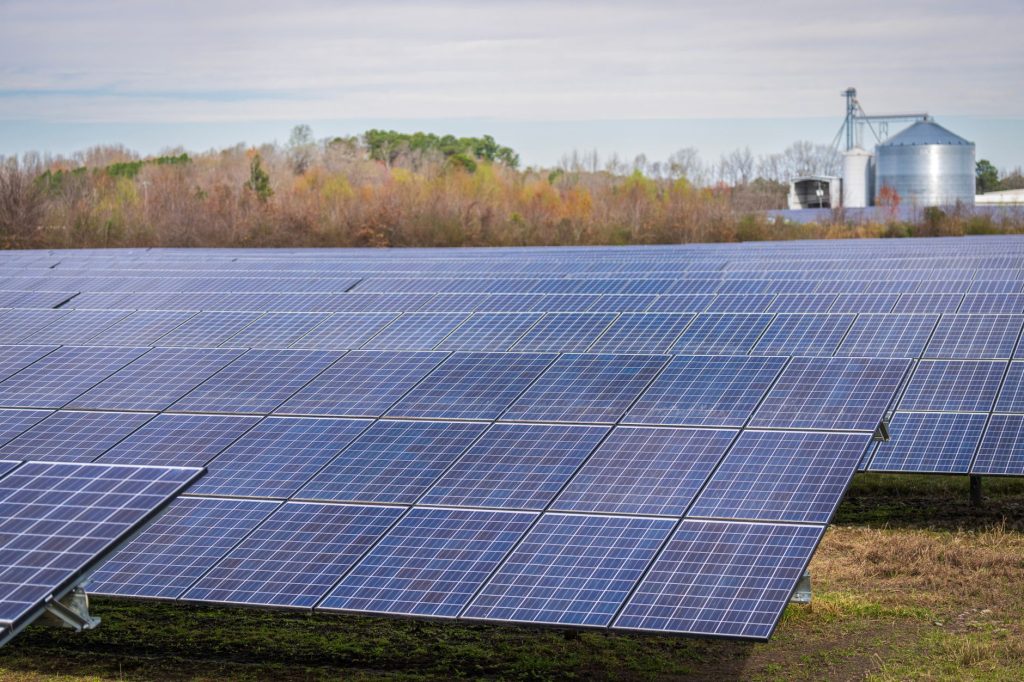
Understanding how solar power genuinely works is a crucial first step for anyone considering this sustainable energy solution. This guide demystifies the core components and processes, explaining precisely how sunlight transforms into usable electricity within a modern system, empowering you with foundational knowledge for 2026.
What Is Solar Power and Why Does It Matter in 2025?
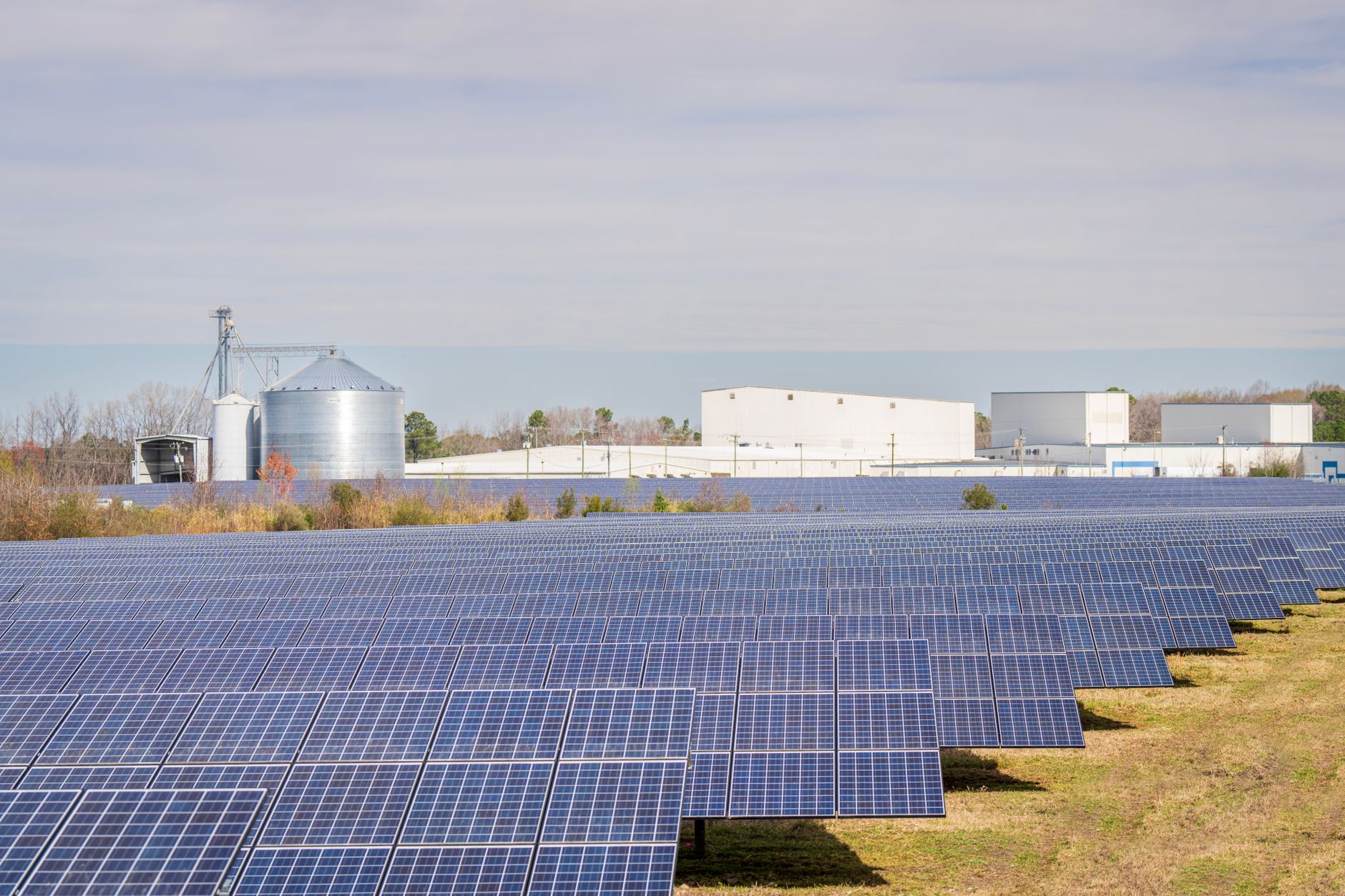
Solar power converts sunlight into usable electricity through photovoltaic (PV) cells — the same fundamental technology powering everything from rooftop home systems to the solar charge controllers found on e-bike touring setups and portable power stations. Understanding how that conversion actually works helps you make smarter purchasing decisions, whether you’re eyeing a residential installation, a portable solar panel for camping, or a solar-assisted EV charging setup.
This guide walks through the core science, the key system components, realistic expectations for output, and the most common beginner mistakes — without overpromising on savings figures or citing numbers that can’t be verified against current sources.
The Core Science: How Sunlight Becomes Electricity
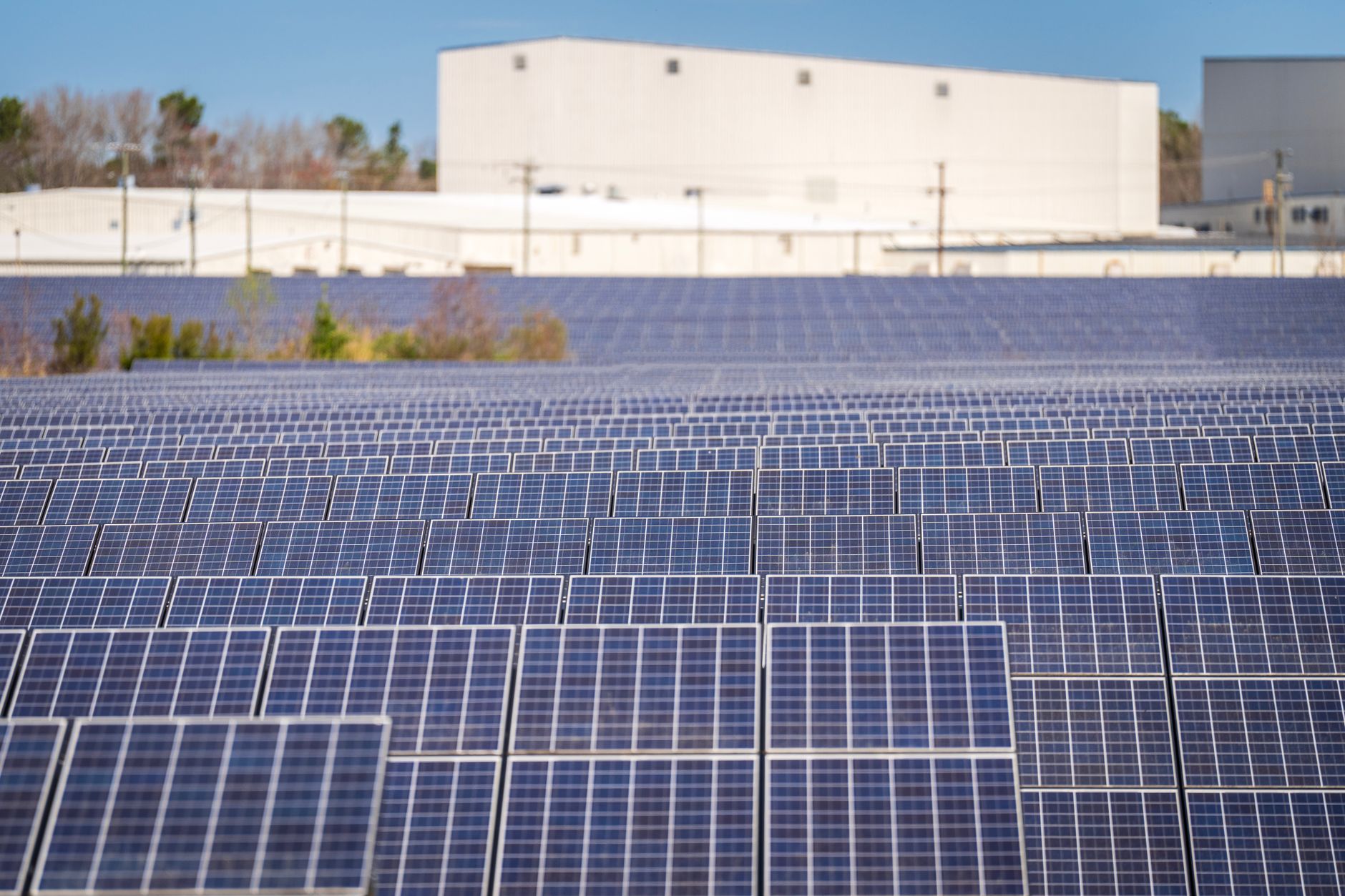
Every solar panel is built from photovoltaic cells, most commonly made from silicon. When photons from sunlight strike the silicon, they knock electrons loose and set them moving in a consistent direction — that directed flow of electrons is direct current (DC) electricity. The process is called the photovoltaic effect, first observed by Edmond Becquerel in 1839 and refined into practical commercial panels over the following century.
A single PV cell produces a relatively small voltage. Manufacturers wire many cells together into a solar panel (module), then wire multiple panels together into an array to reach useful power levels. The relationship is straightforward: more cells, more surface area exposed to sunlight, more electricity produced.
The electricity leaving your panels is DC. Most home appliances and the grid itself run on alternating current (AC). That’s where the inverter comes in — a critical piece of hardware covered below.
The Main Components of a Solar Power System
A complete solar installation — whether residential or portable — typically includes the same fundamental building blocks:
- Solar Panels: The panels themselves collect sunlight and produce DC electricity. Panel efficiency (the percentage of sunlight converted to power) has improved significantly; mainstream residential monocrystalline panels now commonly achieve efficiencies in the high teens to low-to-mid twenties percentage range, though exact figures vary by manufacturer and product tier. Always check the datasheet for the specific panel you’re considering.
- Inverter: Converts DC electricity from the panels into AC electricity for home use or grid export. String inverters are the traditional choice; microinverters attach to individual panels and can improve performance when partial shading is an issue.
- Racking and Mounting: The structural hardware that fixes panels to your roof or ground mount. Quality racking matters for wind and snow load ratings — verify local building codes before purchasing.
- Solar Charge Controller (off-grid/portable systems): Regulates the voltage and current flowing from panels into a battery bank, preventing overcharge. MPPT (Maximum Power Point Tracking) controllers are generally more efficient than older PWM designs and are the standard recommendation for most modern setups. These are commonly found in portable solar kits used alongside e-bike charging stations or power stations. best portable solar panels for e-bikes
- Battery Storage (optional but increasingly common): Stores excess solar energy for use at night or during outages. Lithium iron phosphate (LiFePO4) chemistry has become popular for home storage and portable power stations due to its longer cycle life and improved safety profile compared to older lithium-ion chemistries.
- Monitoring System: Most modern inverters include or support Wi-Fi monitoring apps so you can track daily production, system health, and export to the grid in real time.
What Affects How Much Power Your System Produces?
Output is never just about panel wattage on the label. Several real-world factors determine what you actually generate:
- Peak Sun Hours: This is the number of hours per day your location receives sunlight at an intensity equivalent to 1,000 watts per square meter. A 1,000W array in a location averaging 5 peak sun hours produces roughly 5 kWh per day under ideal conditions — before accounting for system losses.
- Panel Orientation and Tilt: In the Northern Hemisphere, south-facing panels tilted at an angle close to your latitude typically maximise annual yield. East or west orientations reduce output but can better match morning or evening consumption patterns.
- Shading: Even partial shading on one panel in a string can disproportionately reduce the output of the entire string. This is a genuine design consideration, not a minor footnote.
- Temperature: Counterintuitively, solar panels produce slightly less electricity as they get hotter. Most panels carry a temperature coefficient specification — the performance drop per degree Celsius above the standard test condition (25°C). Cool, sunny days can outperform hot summer days even with more intense sunlight.
- System Losses: Wiring resistance, inverter efficiency, and soiling (dust and debris on panels) all reduce real-world output below theoretical maximums. A commonly used planning figure for overall system losses is around 20–25%, though this varies by installation quality.
Grid-Tied vs. Off-Grid vs. Hybrid: Which Setup Is Right for You?
Grid-tied systems are the most common residential choice. They connect to the utility grid, allowing you to export surplus power and draw from the grid when panels aren’t producing. Net metering policies — where the utility credits you for exported electricity — vary significantly by location and utility, and these policies have shifted in several U.S. states in recent years. Always verify current net metering rules with your local utility before sizing a system around export income.
Off-grid systems pair panels with a substantial battery bank and are sized to cover all consumption without any grid connection. They are more complex and costly to design correctly, and are typically most cost-effective for remote properties where grid connection costs are prohibitive.
Hybrid systems combine grid connection with on-site battery storage. They offer backup power during outages — something a standard grid-tied system without batteries cannot do — while also allowing self-consumption optimisation. This is a rapidly growing segment as battery costs have declined. best home battery storage systems
Common Beginner Mistakes to Avoid
- Buying panels based on peak wattage alone without accounting for your actual peak sun hours and roof conditions.
- Underestimating installation and balance-of-system costs, which can represent a significant portion of total project cost.
- Assuming net metering rates are stable — check current policy before making financial projections.
- Skipping a licensed electrician for grid-tied installations; this is typically a legal requirement, not just a recommendation.
- For portable or off-grid setups: mismatching battery capacity to panel output, resulting in either undercharged batteries or wasted solar production. how to size a solar generator for e-bike charging
The Honest Bottom Line
Solar power is a mature, well-understood technology with a strong track record. The core science is sound, component quality has improved substantially, and costs have fallen considerably over the past decade. That said, realistic financial returns depend heavily on local electricity rates, net metering policy, available sunlight, and installation quality — variables that differ enormously by location and change over time.
The clearest recommendation for any beginner: get multiple quotes from licensed installers, verify current net metering rules with your utility, and size your system based on your actual consumption data rather than optimistic projections. For portable solar applications — power stations, EV and e-bike charging on the go — the calculus is simpler and the barrier to entry lower, making it a reasonable starting point for hands-on learning before committing to a larger installation.
No single panel brand or installer is named here as a “best” pick because verified, current comparative pricing and independent test data were not available for this revision. Any specific product recommendation in this space should be grounded in up-to-date spec sheets and verified owner feedback — not manufacturer marketing copy.
Sources
- No source URLs were provided for this article revision. All claims are based on established, consensus-level technical principles in photovoltaics. Readers are encouraged to cross-reference with the U.S. Department of Energy’s Office of Energy Efficiency and Renewable Energy (energy.gov) and their local utility’s current net metering documentation before making purchasing decisions.
Disclosure: This article was produced with AI-assisted research and may contain affiliate links. VoltVentureLab.com may earn a commission on qualifying purchases at no additional cost to you.