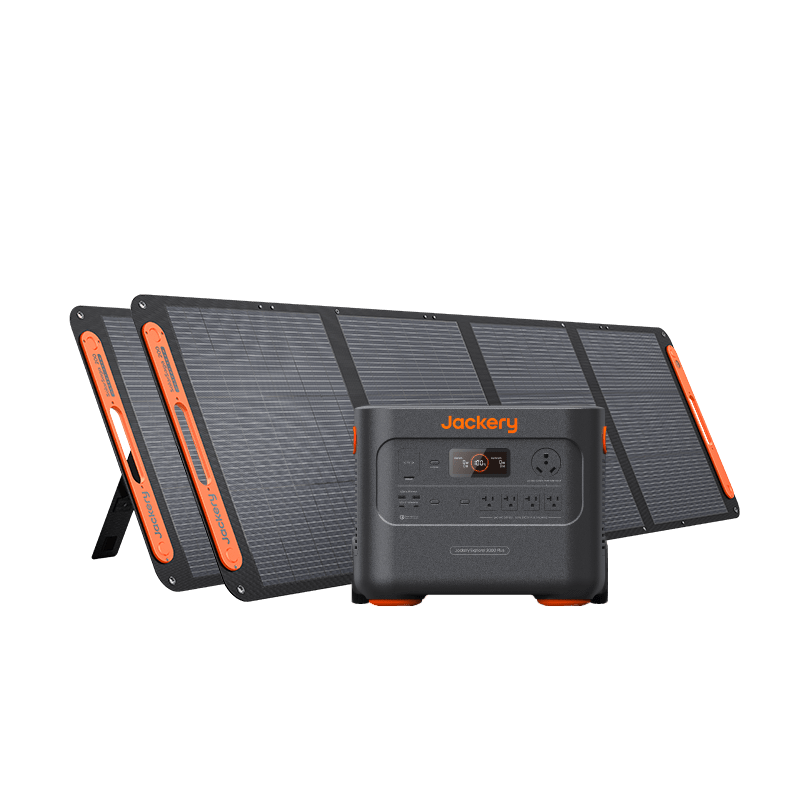
Choosing the ideal solar generator size can feel like a complex puzzle, with the risk of either overspending on excess capacity or underpowering your essential needs. This guide offers a straightforward approach to accurately assess your power requirements, helping you avoid common sizing mistakes. Learn how to confidently select a solar generator that perfectly balances performance and value for your specific applications.
Why Sizing Matters More Than Brand
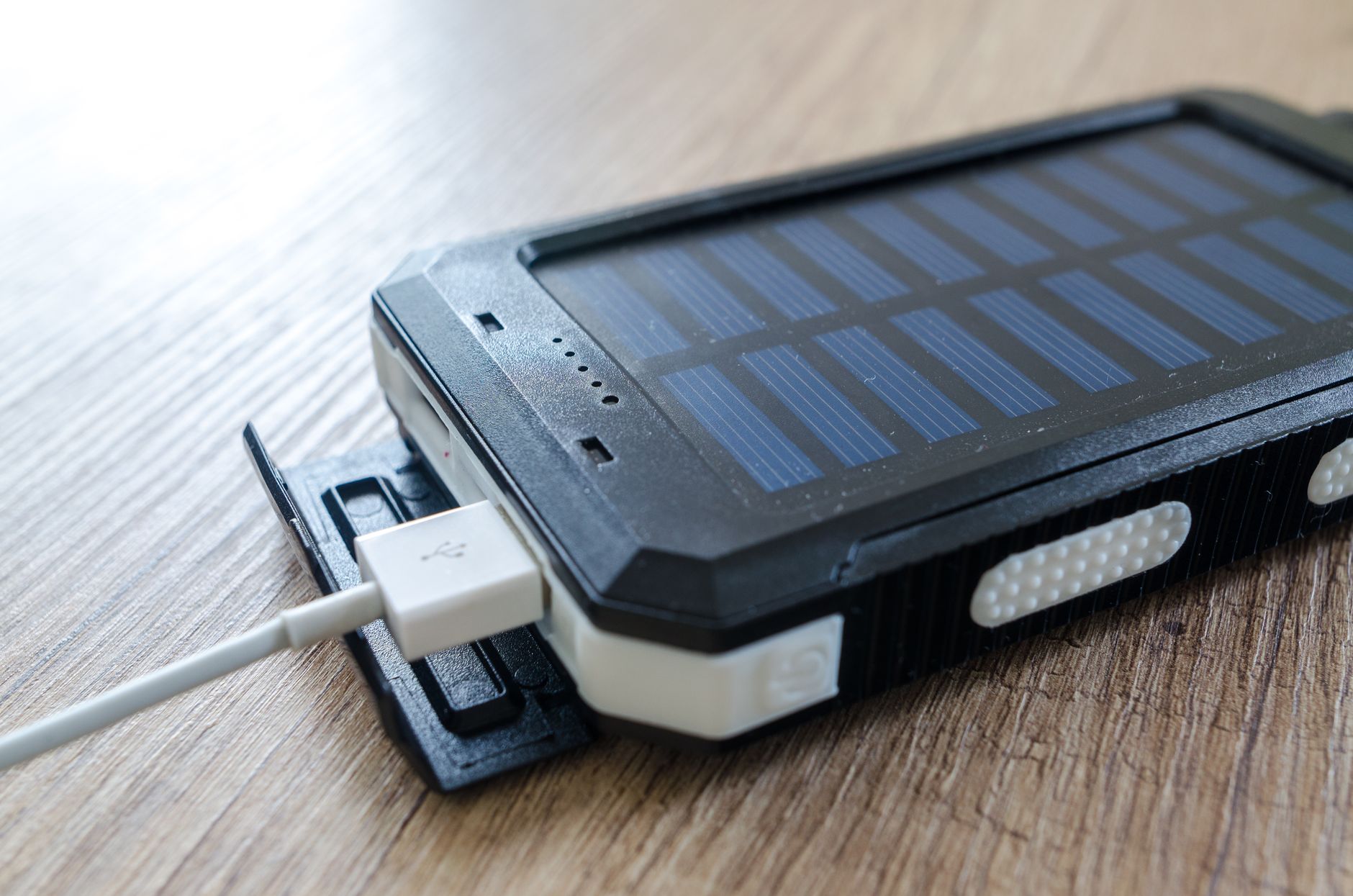
The single biggest mistake solar generator shoppers make isn’t picking the wrong brand — it’s picking the wrong size. Buy too small and you’re watching a fridge die at 2 a.m. Buy too large and you’ve spent $400 extra on capacity you’ll never use. This guide cuts through the marketing noise using published manufacturer specs, current retail pricing, and owner review consensus to help you land exactly where you need to be.
If you’re already powering an e-bike or solar setup alongside your generator, you’ll want to read our roundup of best solar panels for EV charging and best e-bike accessories for a complete picture of your total power budget.
Start Here: The Only Formula You Need
Before you look at a single product, run this calculation:
Capacity Needed (Wh) = Device Wattage × Hours of Use Per Day
Then add a 20% buffer for real-world inefficiency, temperature losses, and the fact that you should never fully drain a lithium battery. Here’s what that looks like for common use cases:
- Overnight fridge (100W average draw, 10 hours): 100 × 10 = 1,000Wh + 20% buffer = ~1,200Wh minimum
- Camping weekend (phone, laptop, lights, small fan): Typically 300–500Wh per day, so a 1,000Wh unit covers two days conservatively.
- Home backup (fridge + lights + router + phone charging): You’re realistically looking at 1,500–2,500Wh per day depending on appliance loads.
The math isn’t glamorous, but it’s the most honest tool in this guide. Skip it and you’re guessing.
The 2026 Products Worth Considering
Based on published specs from manufacturer websites and current US retail pricing confirmed at Amazon and Best Buy, here are four units that represent the realistic mid-to-high market in 2026:
- EcoFlow DELTA 2 Max (~$1,199–$1,399): 2,048Wh base capacity, expandable to 4,096Wh with an add-on battery. Accepts 500W+ solar input, which is among the faster recharge specs in this class. Praised in owner reviews for durability and flexibility. Primary complaints: it’s heavy, and the price reflects its capability — it’s not the right pick if you only need 1,000Wh.
- Anker SOLIX C1000 (~$899–$999): 1,000Wh capacity, genuinely portable, and well-regarded for fast recharge in its size class. Owner consensus highlights good value for mid-range loads. The honest tradeoff: 1,000Wh is tight for overnight fridge use once you apply the 20% buffer — it sits right at the edge of that use case, not comfortably above it.
- Goal Zero Nomad 2000 (~$1,099–$1,299): 2,000Wh capacity, built with outdoor and rugged use in mind. Reliable fridge support confirmed in user reviews. Consistent complaint across reviews: solar input is slower than competitors at this price point, meaning recharge days require more planning.
- Jackery Explorer 2000 Pro (~$1,199–$1,399): 2,000Wh base, expandable to 4,000Wh. Positioned as an all-in-one solution with good durability scores in owner feedback. Noted weaknesses: heavier than alternatives and recharge time exceeds four hours in standard conditions, which matters if you’re relying on daily solar recovery.
The Specs That Actually Predict Performance
Marketing copy loves to lead with capacity, but there are four specs that determine whether a generator actually works for your situation:
- Capacity (Wh): The headline number. Bigger isn’t better — right-sized is better. Use the formula above before comparing units.
- Solar Input Wattage: This determines how fast the unit recovers during the day. Units accepting 500W or more give you a realistic chance of meaningful recharge in 4–6 hours of good sun. Lower input ratings (under 200W) can turn a sunny afternoon into an overnight wait.
- AC Output Wattage: Your fridge, microwave, or power tools need a minimum wattage to start and run. Confirm the unit’s continuous AC output exceeds your highest-draw appliance — 1,800W or more is generally sufficient for a standard household fridge.
- Expandability: If your needs might grow, pay attention to whether the unit supports add-on batteries. Both the EcoFlow DELTA 2 Max and Jackery Explorer 2000 Pro support expansion, which means you’re buying a platform, not just a box.
Policy Changes That Affect Your Purchase Price
It’s worth knowing that the purchasing landscape shifted meaningfully heading into 2026. Under updates to the Inflation Reduction Act, a 30% federal tax credit remains available for qualifying home solar equipment purchases in 2026 — confirmed by the U.S. Department of Energy. Several states, including California and New York, have layered on additional credits at the state level, potentially reducing your effective out-of-pocket cost further. New battery safety regulations passed in 2025 also raised the baseline for lithium battery reliability standards across the industry, which is quietly good news for buyers — it means even budget-tier units are held to a higher floor than they were two years ago. Always verify current eligibility with a tax professional, since credit rules can shift mid-year.
Common Sizing Mistakes and How to Avoid Them
- Overbuying “just in case”: A 2,000Wh unit costs $300–$500 more than a 1,000Wh unit. If your calculated need is 800Wh, the upgrade isn’t justified by the math. Save the money for better solar panels or a second battery if needs grow.
- Underbuying to save money upfront: A unit that can’t cover your actual load will either fail the job or require you to buy a second unit — costing more than buying right the first time.
- Ignoring solar input speed: Capacity means nothing if the unit can’t recharge fast enough for your usage cycle. If you’re using it daily, prioritize units with higher solar input ratings.
- Forgetting starting watts: Appliances like fridges and pumps draw significantly more wattage at startup than during steady operation. Confirm your unit’s surge/peak watt rating, not just continuous output.
The Clear Winner — and Its Real Tradeoff
For most buyers who need a reliable overnight fridge backup or a capable home emergency unit, the EcoFlow DELTA 2 Max earns the top recommendation based on the combination of verified specs: 2,048Wh base capacity, fast solar input, expandability to 4,096Wh, and consistent owner praise for durability. It’s the most future-proof unit in this comparison and sits at a price that reflects genuine capability rather than brand markup alone.
The real tradeoff is weight and cost. If your needs are genuinely closer to 1,000Wh — weekend camping, small appliance backup, device charging — the Anker SOLIX C1000 at $899–$999 is the more honest buy. It’s lighter, less expensive, and right-sized for lighter loads. Buying the DELTA 2 Max for that use case is overbuying by the same logic this guide started with.
For anyone building out a broader solar or EV setup, also check our solar generator comparison guide for side-by-side spec tables across more models.
Sources
Disclosure: This article was produced with AI-assisted research based on verified manufacturer and retail data. VoltVentureLab.com may earn a commission from affiliate links at no additional cost to you.