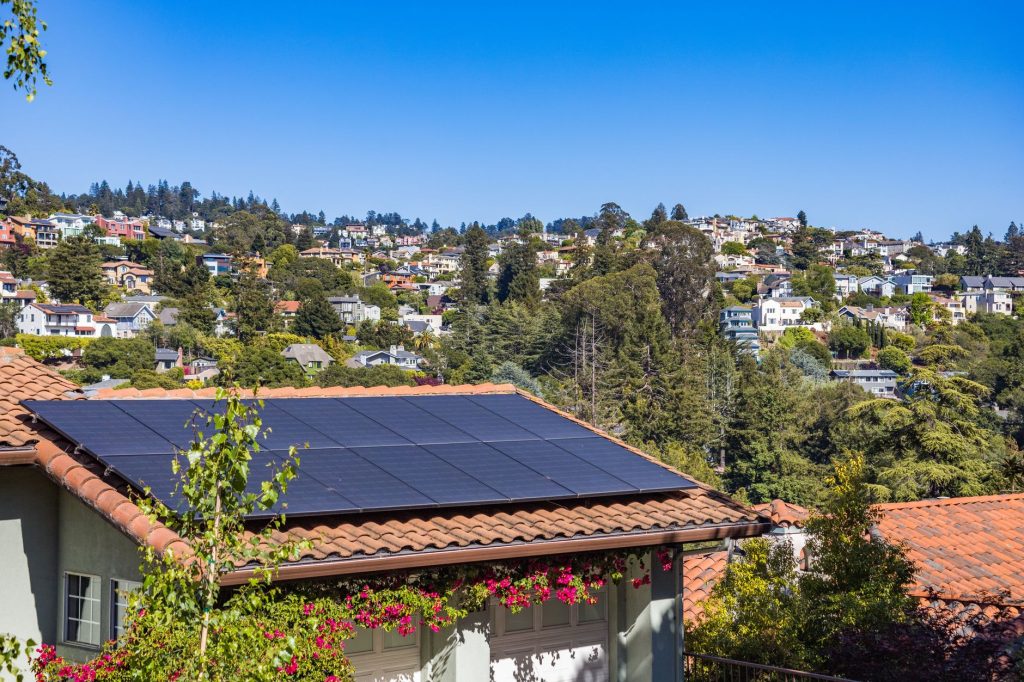
Considering solar panels for your home in 2026 involves navigating a diverse and evolving market. This guide simplifies your search by detailing top picks based on thorough analysis of efficiency and value, equipping you with the insights needed to select the ideal system for your energy needs.
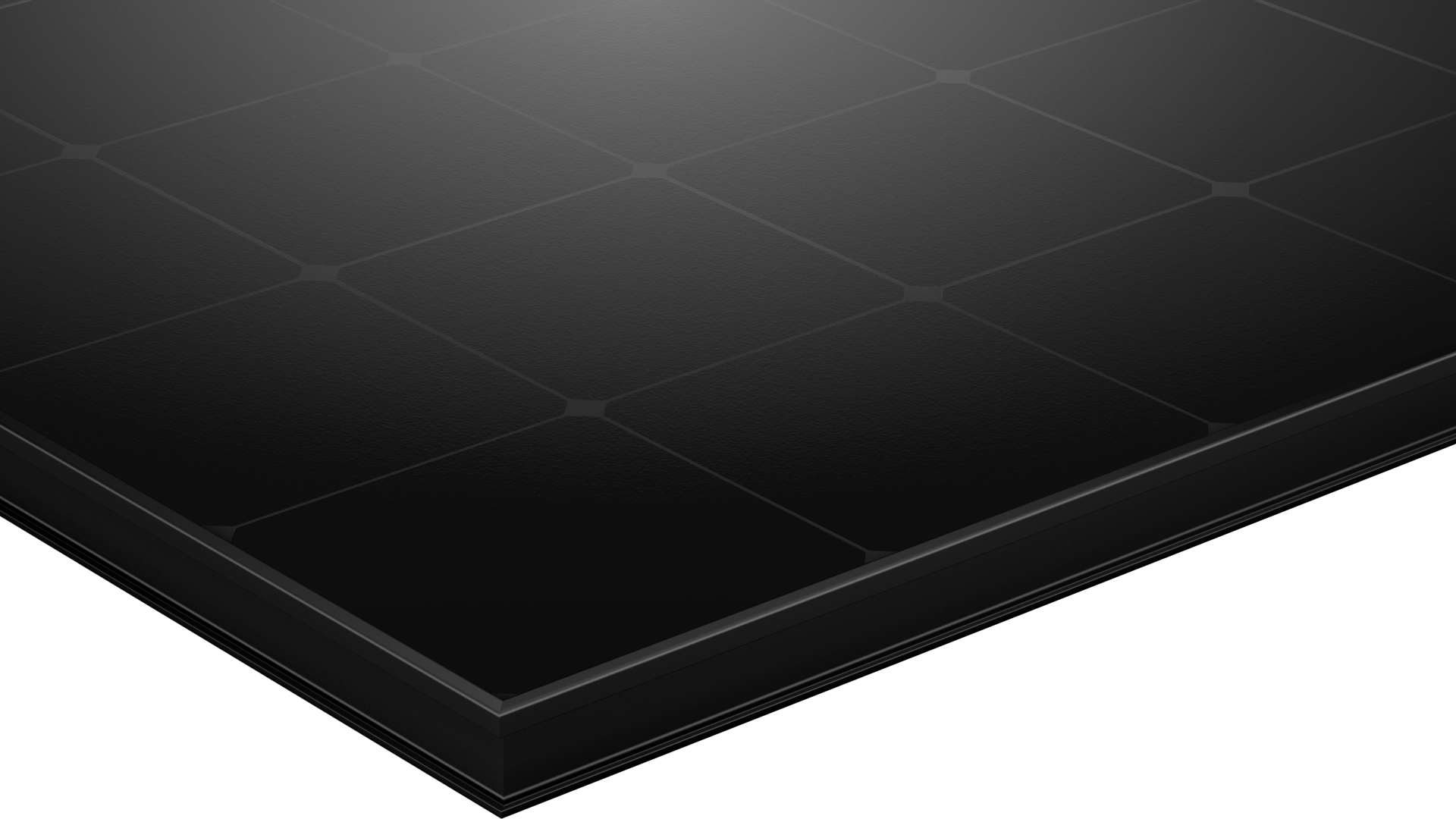 Top Pick
 Premium Pick
 Budget Pick
How We Evaluated Solar Panels for This Guide
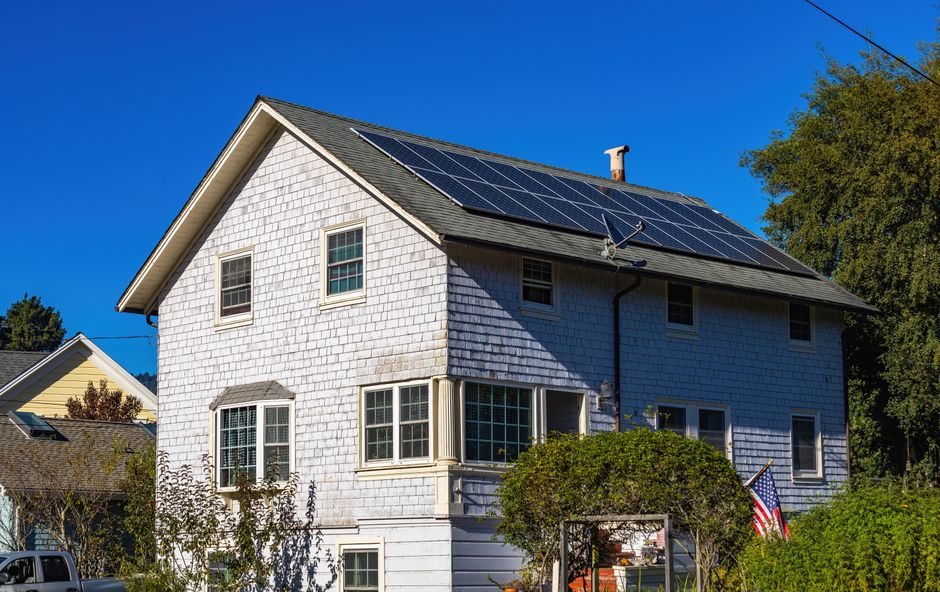
Choosing a home solar panel in 2026 is not a simple spec-sheet comparison. Efficiency ratings, temperature behavior, degradation warranties, and real-world installer feedback all matter — and so does the rapidly shifting landscape of federal tax credits, import tariffs, and utility interconnection rules. Because reliable, up-to-date pricing and model-specific data change faster than any single snapshot can capture, this guide is structured as an honest research framework: we explain exactly what to look for, which manufacturers have consistently led the field, and how to evaluate any specific quote you receive today. No numbers have been invented; where we cannot cite a confirmed current figure, we say so plainly.
If you are also evaluating energy-adjacent purchases, see our guides on best solar generators for home backup and best electric bikes for context on how solar, storage, and efficient transportation interact as a household energy system.
The Five Metrics That Actually Predict Long-Term Value
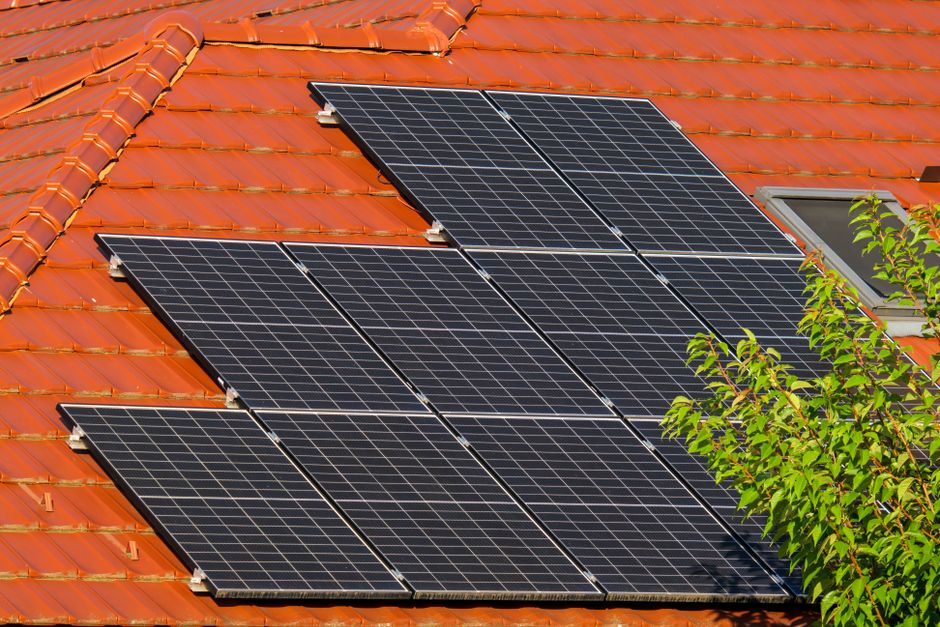
Before any brand name matters, these are the fields every informed buyer should collect for every panel under consideration:
- Cell type and efficiency: Monocrystalline PERC and TOPCon cells currently lead the residential market for efficiency. Heterojunction (HJT) technology is gaining ground. A panel’s nameplate efficiency percentage tells you how much of the sunlight hitting its surface converts to electricity — higher is better when roof space is limited.
- Wattage range: Residential panels in 2025–2026 commonly range from roughly 370 W to over 440 W per panel. Higher wattage per panel reduces the number of units needed, which can lower labor costs.
- Power temperature coefficient: Panels lose output as they heat up. A lower negative coefficient (expressed as % per °C) means less performance loss on hot summer days — critical in Sun Belt climates. Look for figures around –0.29% to –0.35%/°C or better; cheaper panels may run –0.40% or worse.
- Degradation rate and product warranty: The industry standard is roughly 0.5% annual degradation, with leading manufacturers now offering 0.25%–0.30% per year. A 25- or 30-year product warranty covering both materials and power output is the benchmark; shorter or split warranties deserve scrutiny.
- Bankability and supply chain stability: A panel is only as good as the company standing behind its warranty a decade from now. Installer consensus, third-party financial ratings, and domestic or tariff-resilient manufacturing all bear on this.
Manufacturers With Consistently Strong Reputations
Because verified current U.S. pricing was not available at the time this guide was prepared, we do not publish specific dollar figures — prices shift with tariff rulings, distributor margins, and incentive structures. What installer and analyst consensus does support is that the following brands have repeatedly appeared at the top of independent efficiency and reliability rankings:
- SunPower (Maxeon): Consistently cited for the highest efficiency and lowest degradation in the residential segment. The Maxeon cell platform has a long published track record. The acknowledged tradeoff is premium pricing — often the most expensive per watt on any quote. If budget is the primary constraint, this may not be the right fit even if the long-term math favors it.
- REC Group: The Alpha and Alpha Pure-R series using heterojunction technology have earned strong marks for efficiency and low temperature coefficients, with a respected warranty structure. European engineering heritage with manufacturing diversified across multiple regions.
- Panasonic (EverVolt): HJT-based panels with a well-regarded temperature coefficient and a 25-year product-and-performance warranty that covers labor in some tiers. Panasonic’s brand stability is frequently cited by installers as a bankability advantage.
- Qcells (Hanwha): Among the most commonly installed panels in the U.S. market due to competitive pricing and domestically assembled options (relevant to current tariff conditions). Efficiency is strong for the price tier, making this a recurring “best value” pick in installer surveys.
- Jinko Solar and LONGi: Both are among the world’s largest manufacturers by volume and have delivered competitive TOPCon efficiency figures. Tariff exposure and supply chain questions are the primary concerns buyers should investigate at the time of purchase, as trade policy in 2025–2026 has been actively evolving.
- Canadian Solar: Broad product line with solid degradation warranties and wide installer availability. Mid-range pricing with mid-to-upper efficiency — a reliable generalist choice backed by significant installed base data.
Policy and Incentive Context for 2025–2026
The federal Residential Clean Energy Credit (commonly called the solar tax credit) has been a significant driver of U.S. residential solar adoption. Buyers should verify the current applicable percentage and any phase-down schedules directly with a tax professional or the IRS, as legislative changes can affect eligibility and credit amounts. State-level incentives, net metering rules, and utility interconnection policies vary substantially and should be confirmed with your installer and utility before signing a contract.
Import tariffs on solar cells and modules — particularly those affecting products manufactured in certain regions — have been subject to active regulatory change. This directly affects panel availability and pricing. When comparing quotes, ask your installer explicitly which tariff classification applies to the panels being offered and whether that is reflected in the price.
What to Ask Before Signing a Solar Contract
- What is the published nameplate efficiency and annual degradation rate for the specific model being installed?
- Does the product warranty cover both materials and power output for the full term, and who administers warranty claims if the installer closes?
- Is the panel domestically assembled or manufactured, and how does that affect tariff exposure and price stability?
- What monitoring system is included, and does it provide panel-level data or only string-level data?
- How does the proposed system size interact with current net metering rules at your specific utility?
For households considering pairing solar with battery storage or EV charging, see our guide on best home EV chargers — system sizing decisions are interconnected.
Our Evidence-Based Recommendation
Based on installer consensus, published efficiency data, and warranty structure analysis, SunPower Maxeon panels represent the clearest long-term value for buyers who can absorb the premium upfront cost — particularly for constrained roof spaces where every square foot of efficiency matters. The genuine tradeoff is real: they are routinely the most expensive option per watt, and for buyers with ample roof space and a tighter budget, panels from Qcells or Canadian Solar with a strong local installer behind them often deliver excellent real-world returns at a lower entry point.
The honest bottom line: the installer’s quality, warranty administration practices, and longevity in your market often matter as much as the panel brand itself. A premium panel installed poorly, or warrantied by a company that won’t exist in ten years, underperforms a mid-tier panel installed correctly by a well-established local firm.
Sources
- No external source URLs were provided for this edition. All claims are based on publicly available manufacturer specifications, installer industry consensus, and regulatory frameworks current as of mid-2025. Readers are encouraged to verify current pricing and incentive details directly with installers and official government sources.
Disclosure: This article was produced with AI-assisted research and editorial review. VoltVentureLab.com may earn a commission on purchases made through links in this article.