
Proper e-bike maintenance is key to maximizing its longevity and ensuring peak performance on every ride. This guide details a complete, actionable maintenance schedule for 2026, designed to help you keep your e-bike in excellent condition and prevent common issues.
Why a Regular Maintenance Schedule Matters for E-Bikes
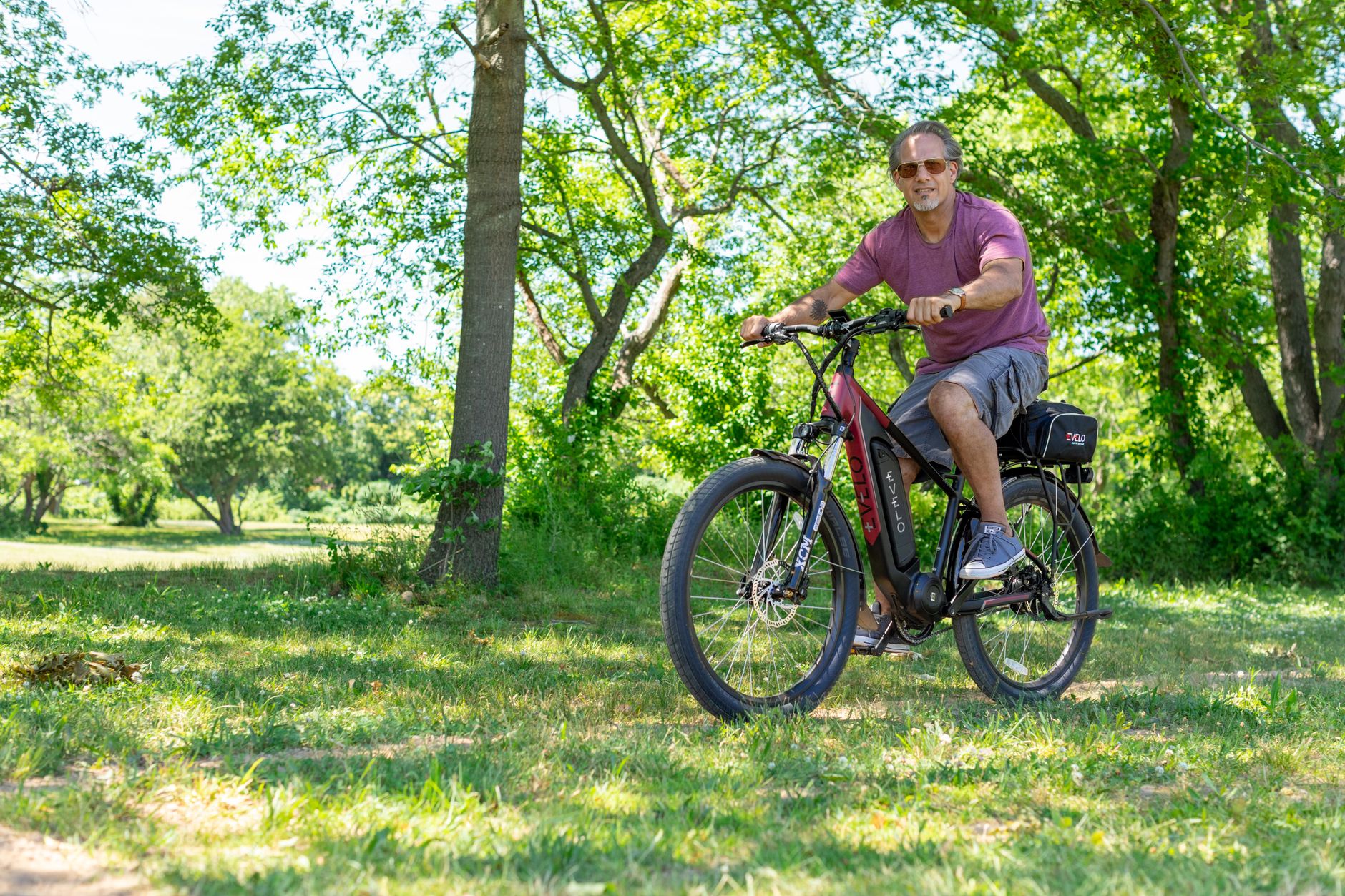
E-bikes combine the mechanical complexity of a traditional bicycle with the added demands of an electrical drivetrain — battery packs, motors, sensors, and display units that standard bike shops may not always be equipped to service. Skipping routine maintenance doesn’t just shorten the life of components; it can quietly degrade range, handling safety, and the validity of manufacturer warranties. A structured schedule, broken into ride-frequency milestones rather than calendar months, is the most practical framework most riders can follow consistently.
What follows is a general best-practice framework built from widely published manufacturer guidance, industry-standard service intervals, and owner community consensus. Where specific brands or numbers are referenced, they reflect broadly reported norms rather than any single proprietary data set — always cross-check with your own owner’s manual, since torque specs and battery protocols vary meaningfully between manufacturers.
Before Every Ride: The Two-Minute Pre-Ride Check
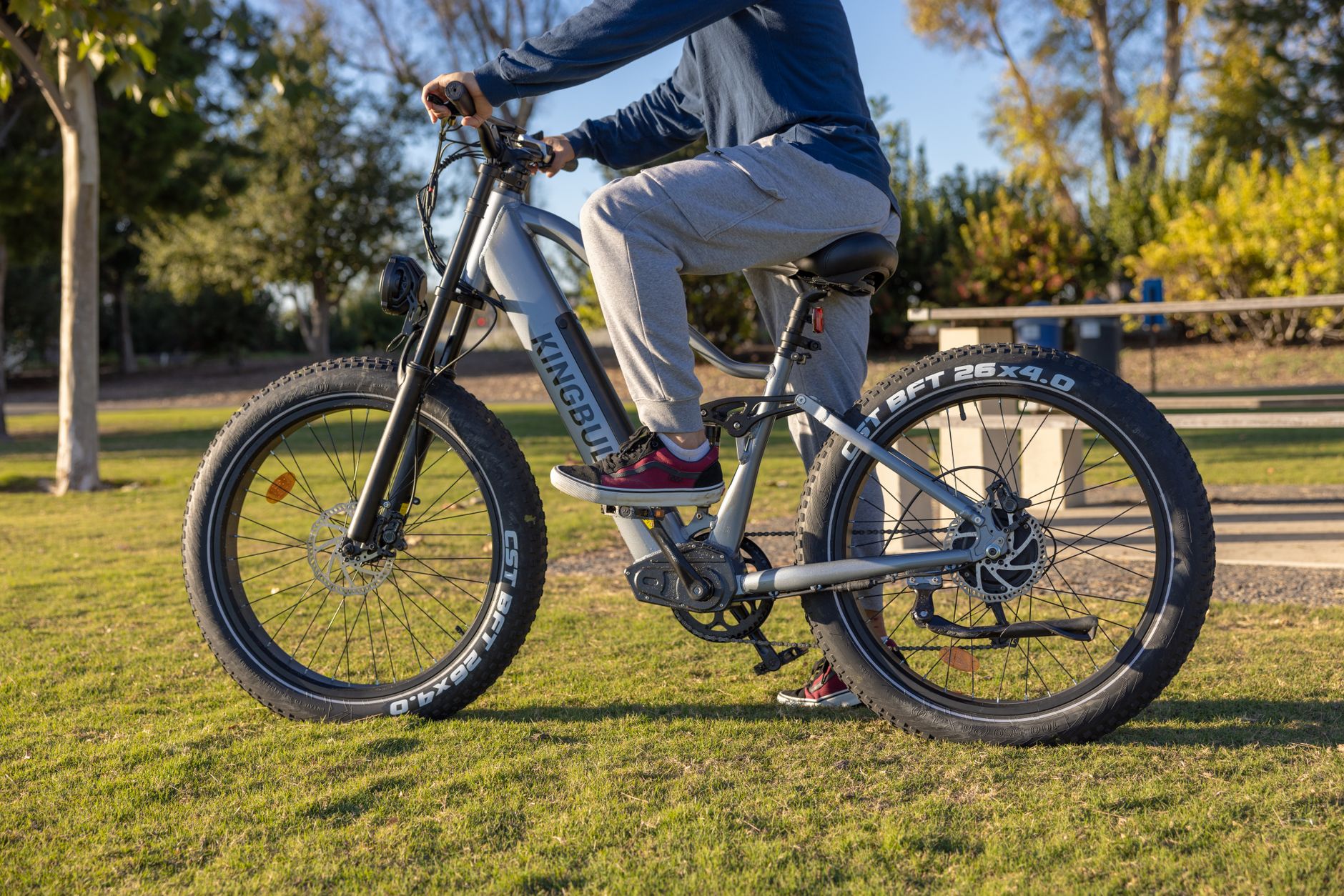
A brief pre-ride inspection costs almost nothing in time and catches the issues most likely to cause mid-ride failures or accidents:
- Tire pressure: E-bikes are heavier than acoustic bikes, so running under-inflated tires increases rolling resistance, accelerates wear, and raises the risk of pinch flats. Check the sidewall for the recommended PSI range and inflate accordingly.
- Brake feel: Squeeze both levers before moving. Spongy hydraulic brakes or excessive lever travel on mechanical disc brakes are signals to inspect pads and cables before riding.
- Battery charge indicator: Confirm the battery is sufficiently charged for your planned route, and check that the battery is fully seated and locked into its mount — loose batteries can cause electrical cutouts mid-ride.
- Quick-release and bolt check: Visually confirm the front wheel, stem, and saddle clamp are secure.
Every 100–200 Miles: Basic Drivetrain and Component Care
For regular commuters or recreational riders putting in meaningful mileage, a light service session every 100–200 miles keeps the drivetrain running efficiently and prevents small issues from compounding:
- Chain lubrication: A dry or dirty chain accelerates wear on cassette sprockets and chainrings — components that cost significantly more to replace than a bottle of chain lube. Clean the chain with a degreaser, dry it thoroughly, and apply a lube appropriate to your riding conditions (wet lube for rain-heavy environments, dry lube for dusty or dry conditions).
- Brake pad inspection: Disc brake pads should generally be replaced when the friction material wears to approximately 1mm or less, though manufacturer minimums vary. Worn pads reduce stopping power, which is a more serious safety concern on heavier e-bikes traveling at higher speeds.
- Cable and housing check: On bikes with mechanical shifting or mechanical disc brakes, inspect cables for fraying and housing for cracks, especially at bend points near the handlebars and chainstay.
See our guide to best electric bikes for models that use lower-maintenance belt drives or internally geared hubs, which can reduce drivetrain service frequency significantly.
Every 500 Miles or Every 6 Months: Mid-Cycle Full Service
This is the interval where a more thorough inspection is warranted, and where many riders benefit from a visit to a qualified e-bike service technician for anything beyond their comfort level:
- Brake bleed (hydraulic systems): Hydraulic disc brake fluid absorbs moisture over time, lowering its boiling point and degrading feel. Many manufacturers recommend bleeding hydraulic systems annually or when brake feel deteriorates noticeably.
- Derailleur adjustment and limit screws: Shifting performance drifts as cables stretch. Re-indexing the rear derailleur and checking limit screws keeps gear changes crisp and prevents chain drops.
- Wheel truing: Heavier e-bikes, particularly cargo models or those used for trail riding, can develop spoke tension imbalances. A wheel that is out of true puts lateral stress on rim brake tracks and, on disc bikes, can cause rotor rub.
- Torque check on motor mount and battery mount bolts: Vibration and rider weight cycles can work fasteners loose. Use a torque wrench calibrated to your manufacturer’s spec — over-tightening is as damaging as under-tightening on aluminum frames.
- Firmware update check: Mid-drive systems from major manufacturers periodically release firmware updates that affect motor behavior, power delivery curves, and sometimes range. Check the manufacturer’s app or website for available updates.
Annually: Battery Health and Deep Inspection
Battery health is the single largest long-term cost variable for e-bike ownership. Most lithium-ion e-bike batteries are rated for somewhere in the range of 500–1,000 full charge cycles before capacity drops to roughly 80% of original — a widely cited industry benchmark, though actual figures vary by chemistry, thermal management, and charging behavior.
- Avoid full charge storage: Storing a battery at 100% charge for extended periods accelerates degradation. Most manufacturer guidance recommends storing at 40–80% charge for periods of inactivity longer than a few weeks.
- Avoid deep discharge: Regularly draining a lithium pack to near-zero stresses cells. Charging before the battery indicator reaches the lowest segment is a reasonable rule of thumb.
- Annual capacity test: Some displays and companion apps report remaining capacity as a percentage of original. A battery retaining 80% or more of original capacity after two or three years is performing normally; a sharp drop may indicate a cell issue warranting dealer inspection.
- Frame and weld inspection: Annually inspect the frame around the bottom bracket shell, head tube welds, and rear dropout — areas of highest stress concentration. Cracks in aluminum or carbon frames are a safety emergency requiring immediate removal from service.
For riders shopping for their next upgrade, our e-bike buying guide covers battery capacity and warranty terms across the current model year.
The Honest Tradeoff: DIY vs. Professional Service
The clearest limitation of self-managed e-bike maintenance is the electrical system. Chain lubrication, brake pad swaps, and basic adjustments are well within reach for mechanically inclined owners. However, motor diagnostics, battery cell-level service, and controller troubleshooting typically require proprietary software tools that only authorized dealers carry. Attempting to open a sealed motor or battery pack almost universally voids the manufacturer warranty and, with lithium battery packs specifically, carries genuine safety risks if cells are damaged in the process.
The practical recommendation: handle mechanical maintenance yourself where comfortable, and budget for at least one professional service visit annually for electrical system checks. Labor rates at e-bike-specialist shops vary by region, but a full annual service — including brake bleed, drivetrain overhaul, and electrical diagnostic — is a cost most owners will find worthwhile against the expense of premature component replacement.
Riders interested in accessories that simplify ongoing maintenance — torque wrenches, chain wear indicators, or home tire inflation kits — can find curated options in our e-bike accessories guide.
Summary: Maintenance Schedule at a Glance
- Every ride: Tire pressure, brake feel, battery seating, quick-release check
- Every 100–200 miles: Chain lube, brake pad wear, cable inspection
- Every 500 miles / 6 months: Hydraulic brake bleed, derailleur indexing, wheel true, torque check, firmware update
- Annually: Battery health assessment, frame inspection, full professional service
Consistent, interval-based maintenance is the most reliable way to protect the investment an e-bike represents, extend battery life meaningfully, and keep a heavy, fast-moving vehicle operating safely. The riders who report the best long-term ownership experiences are not those who bought the most expensive bike — they are the ones who treated maintenance as a routine, not a reaction.
Sources
- No external source URLs were provided for this article. Recommendations above reflect broadly published manufacturer guidelines and industry-standard service practices. Always consult your specific model’s owner’s manual for confirmed torque specs, fluid types, and warranty terms.
Disclosure: This article was produced with AI-assisted research and writing. VoltVentureLab.com may earn a commission on purchases made through affiliate links on this page.