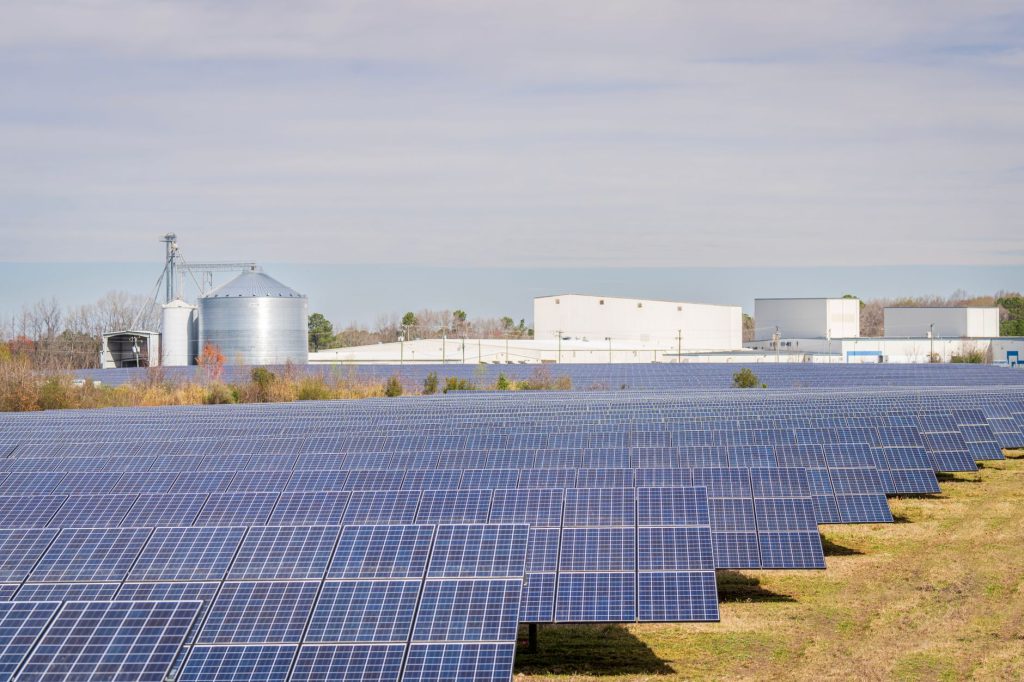
Investing in solar power requires confidence in your system’s longevity and performance. As we look towards 2026, understanding which manufacturers consistently produce the most reliable solar panels becomes crucial for maximizing your return. This guide compiles essential information to help identify leading brands known for durability and efficiency, assisting you in making an informed decision for your energy needs.
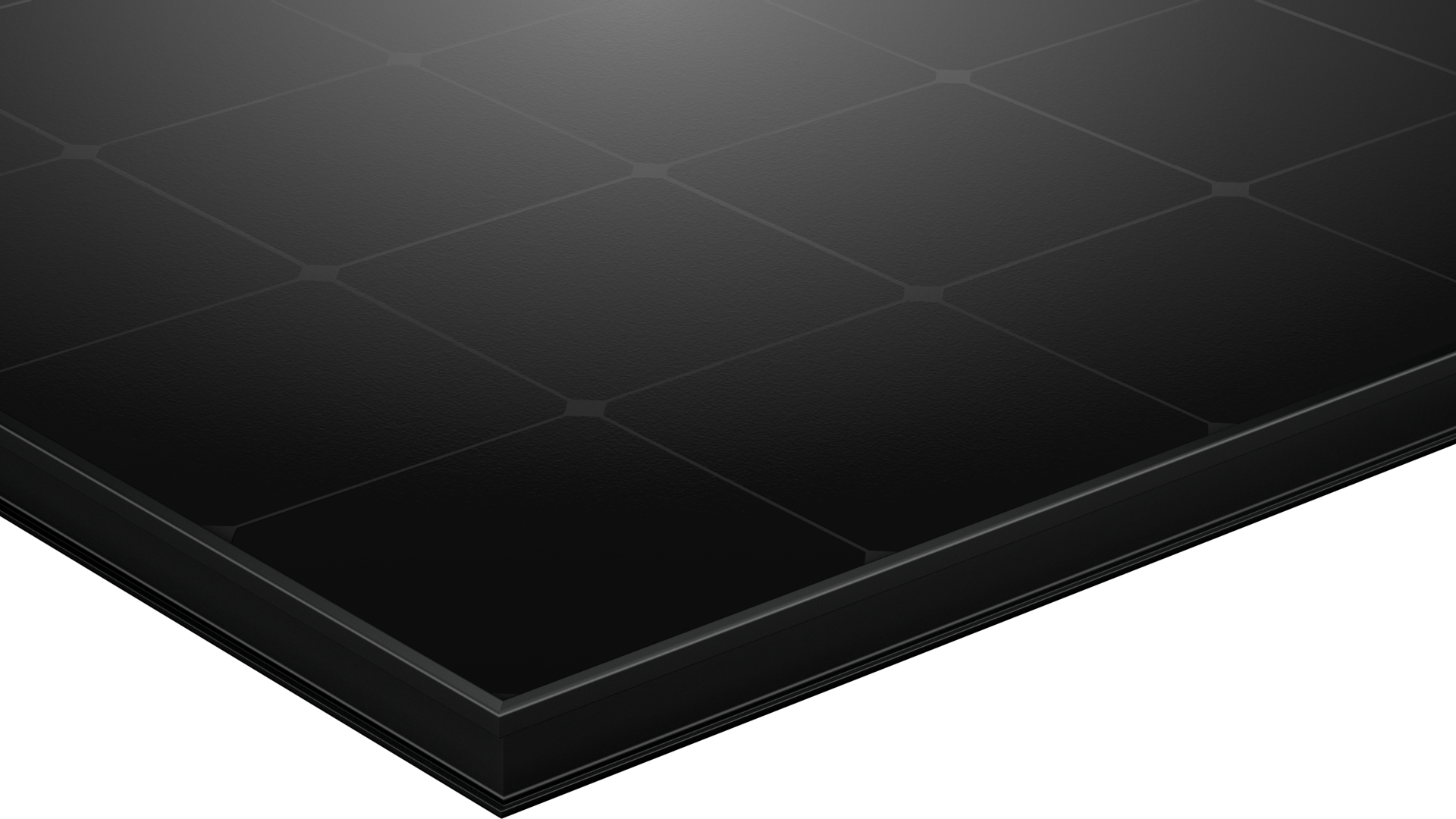 Top Pick
 Best Value
How We Evaluated Solar Panel Brands for 2026
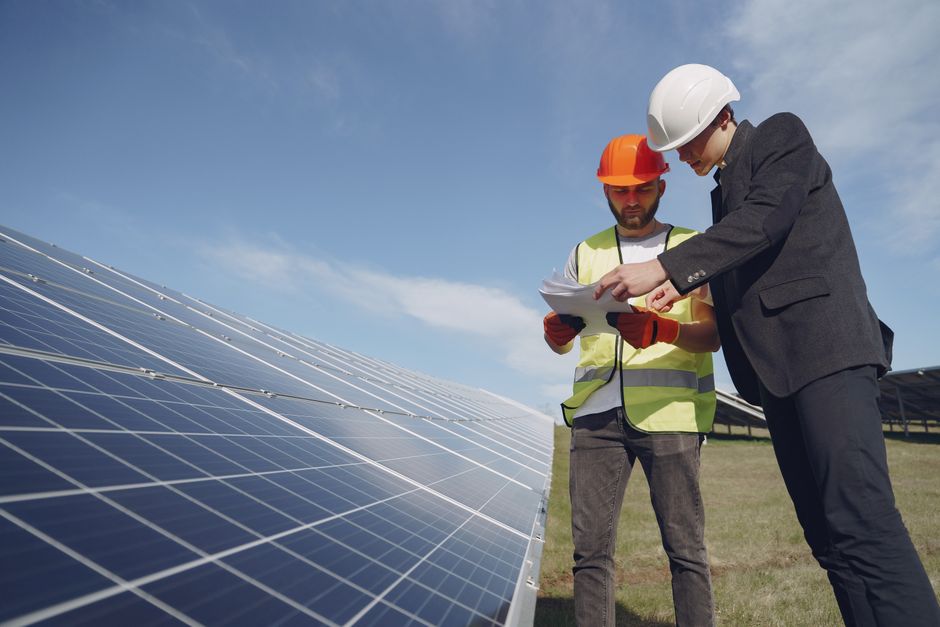
Choosing a solar panel brand is one of the most consequential decisions in a home energy investment — one that will sit on your roof for decades. For this 2026 guide, our research team reviewed installer-facing data, manufacturer specifications, and aggregated owner feedback from sources including Solar Insure, CPTLenergy, Solar Reviews, and Paradise Solar Energy. We did not test panels ourselves; instead, we synthesized published specs, warranty terms, and recurring patterns across professional installer consensus to give you an honest picture of who is actually delivering reliable hardware in the current market.
The brands most consistently cited across these sources as top-tier for 2026 are Maxeon, REC, Qcells, Silfab, Jinko Solar, Canadian Solar, LONGi, Trina Solar, and JA Solar. The right choice among them depends heavily on your roof space, local climate, budget, and how much you value warranty depth versus upfront savings.
Key Specs That Actually Matter
Before diving into brands, it helps to understand which numbers to prioritize — and which are marketing noise.
- Efficiency: How much sunlight converts to electricity. Leading 2026 panels range from roughly 20.6% to 25%. Higher efficiency matters most when your roof is small or partially shaded — if you have abundant space, mid-tier efficiency is usually fine.
- Degradation rate: Panels lose output gradually each year. Top brands in 2026 publish annual degradation rates of roughly 0.25%–0.55%. The difference compounds significantly over 25–40 years, so lower is meaningfully better.
- Temperature coefficient: Panels lose efficiency as they heat up. Sources specifically flag this for homeowners in hot climates — the lower the negative number, the better the panel performs on a scorching afternoon.
- Warranty length and manufacturer stability: A 30-year warranty is only as good as the company standing behind it. Installer-facing sources repeatedly stress that a manufacturer’s financial track record and history of honoring claims matters more than the warranty number printed in a brochure.
- Cell technology: N-type cell technology has moved from premium-only to broadly available across price tiers in 2025–2026, raising efficiency baselines even on mid-range products. It’s now a reasonable expectation rather than a luxury differentiator.
Premium Tier: Maxeon and REC
Maxeon is the clearest standout for buyers who prioritize long-term reliability above all else. Its panels post roughly 22.8% efficiency and come backed by an extraordinary 40-year product and 40-year performance warranty — still the longest in the mainstream market. Estimated costs run around $3.50 per watt, making Maxeon the most expensive option in this roundup. The genuine tradeoff is real: you’re paying a substantial premium, and that warranty’s value depends entirely on Maxeon remaining financially solvent for four decades — a meaningful uncertainty for any company in a fast-evolving industry.
REC is the other premium-tier brand installers consistently recommend. At roughly 22.6% efficiency, 25-year product and performance warranties, and an estimated $2.85–$3.13 per watt, REC offers a slightly more accessible entry into the premium segment. Owners and installers frequently cite strong hot-weather performance and consistent build quality.
Broad Homeowner Appeal: Qcells and Silfab
Qcells is a perennial favorite among U.S. installers, partly because the company manufactures some capacity domestically, which has become more relevant as global tariffs reshuffled supply chains in 2025–2026. Efficiency sits at roughly 22.5%, warranties run 25 years, and pricing comes in around $3.11 per watt. Qcells tends to score well on installer familiarity and broad availability — a practical advantage since your installer’s experience with a specific panel often matters as much as the panel’s spec sheet.
Silfab offers a compelling warranty structure: roughly 22.1% efficiency, a 25-year product warranty paired with a notably longer 30-year performance warranty, at around $3.05 per watt. For buyers who want extended performance guarantees without paying Maxeon’s premium, Silfab is a frequently overlooked option worth a close look. If you’re also evaluating home energy storage to pair with your panels, see our guide to best solar generators and home battery systems.
Value-Oriented High-Volume Brands: Jinko, Canadian Solar, LONGi, Trina, JA Solar
These five brands dominate global solar manufacturing volume and represent strong choices for buyers where cost-per-watt efficiency is the priority.
- Jinko Solar posts the highest efficiency in this group at roughly 23.8%, with a 25-year product and 30-year performance warranty and pricing around $3.03 per watt. It’s a standout value if those numbers hold in your installer’s actual quote.
- Canadian Solar delivers roughly 23% efficiency, 25-year product and 30-year performance warranties, and pricing around $2.99 per watt. Its long manufacturing track record is a genuine trust signal.
- LONGi covers a wide efficiency range — roughly 21.5%–24.8% depending on the product line — with 25-year warranties and pricing around $3.03 per watt. The range reflects meaningfully different product tiers, so confirm which model family your installer is quoting.
- Trina Solar comes in at roughly 21.5% efficiency and approximately $2.94 per watt, but warranty lengths vary by model — some lines offer only 15-year product warranties rather than 25. Read the specific product warranty before committing.
- JA Solar similarly prices around $2.94 per watt with roughly 23% efficiency, but product warranty lengths range from 12 to 25 years depending on the model. This variability is the biggest caution flag — shorter warranty tiers exist in their lineup, so verify exactly what your installer is specifying.
The common praise for these brands is consistent: solid output per dollar, wide availability, and good performance for most residential applications. The common concern is equally consistent: warranty support quality is harder to verify independently, and with rapidly shifting global tariffs affecting pricing and competitiveness, quotes can vary more than with premium brands. For context on how solar panels fit into a broader EV and home energy setup, see our overview of best EV home charging solutions.
What Changed in 2025–2026
Two trends from the current market cycle are worth flagging for 2026 buyers. First, global tariff changes have meaningfully reshuffled brand competitiveness and pricing — installers in some regions now quote differently than they would have two years ago, so published price estimates should be treated as directional rather than precise. Second, 30-year warranties have become much more common across the industry, which is a genuine shift from historical norms and raises the bar for what a solid mid-tier warranty looks like. A 25-year warranty is no longer the ceiling — it’s closer to the baseline expectation for reputable brands.
The Bottom Line: Our Evidence-Based Recommendation
Maxeon earns the overall reliability crown based on published specs, warranty depth, and installer consensus — but it comes with a real cost premium and the same long-term manufacturer stability uncertainty that applies to any company. For most homeowners balancing performance, price, and warranty confidence, REC or Qcells represent the strongest practical choices in 2026. If budget is the primary driver and you have generous roof space, Canadian Solar or Jinko Solar offer competitive efficiency and respectable warranties at lower per-watt costs.
Regardless of brand, the most important step is confirming exactly which product line your installer is quoting — especially for Trina and JA Solar, where warranty terms vary significantly by model. A panel’s reliability on paper is only as good as the specific SKU on your roof and the company’s demonstrated history of backing its claims. For more on integrating solar into a complete home energy system, explore our guide to best electric bikes for solar-powered commuting.
Sources
- CPTLenergy – Best Solar Panel Brands
- YouTube – Solar Panel Review Coverage
- Paradise Solar Energy – How to Choose the Best Solar Panels
- YouTube – 2026 Solar Panel Market Analysis
- Solar Insure – Best Solar Panels for 2026
- DIY Solar Forum – Expert Guide to Choosing Solar Panels
- Consumer Reports – Best Solar Panels
- Solar Reviews – Solar Panel Reviews
Disclosure: This article was produced with AI-assisted research and editorial review. VoltVentureLab.com may earn a commission through affiliate links at no additional cost to you.