
Choosing the right electric scooter for your daily commute requires careful consideration of key performance factors amidst a rapidly evolving market. This guide for 2026 objectively analyzes leading models, comparing them across crucial criteria such as effective range, maximum speed capabilities, and overall build quality to help you make an informed decision.
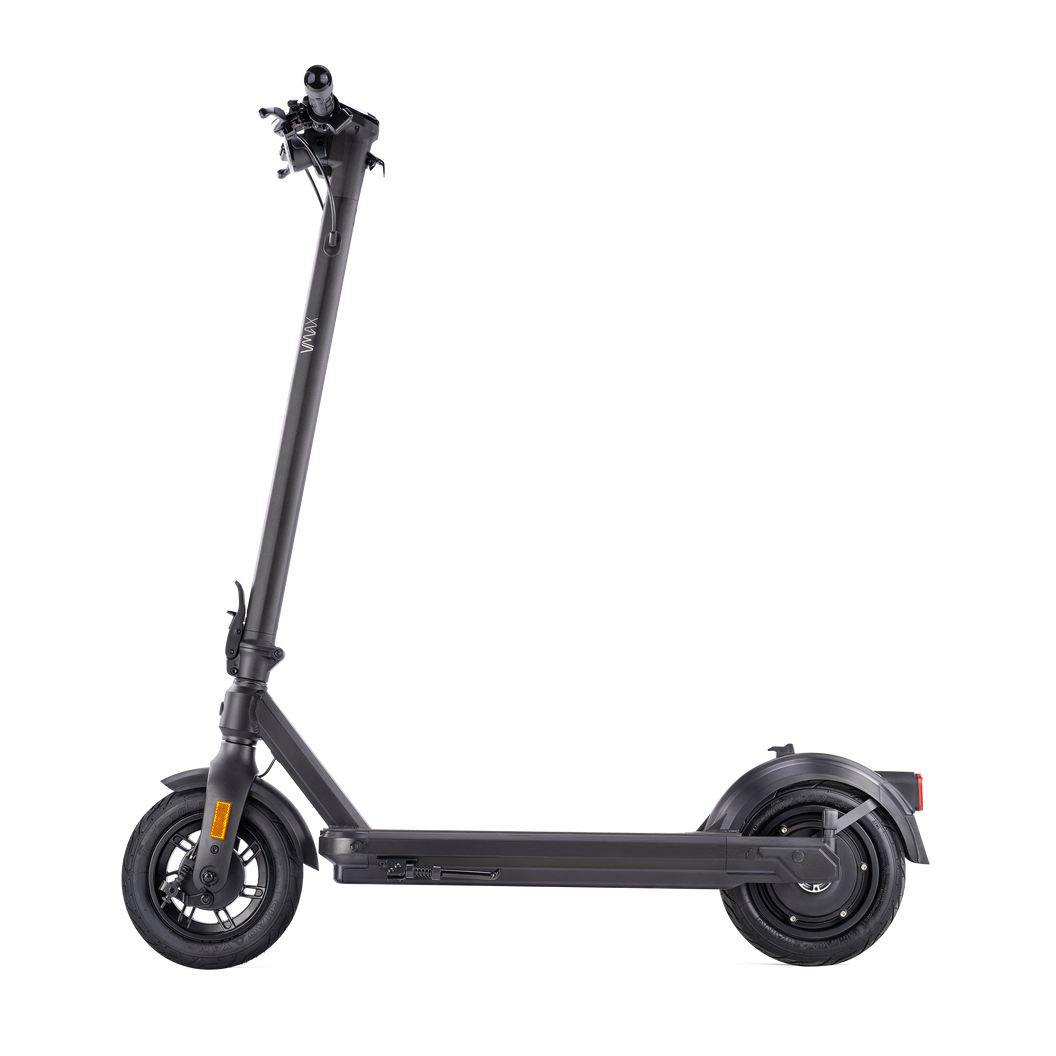 Best Value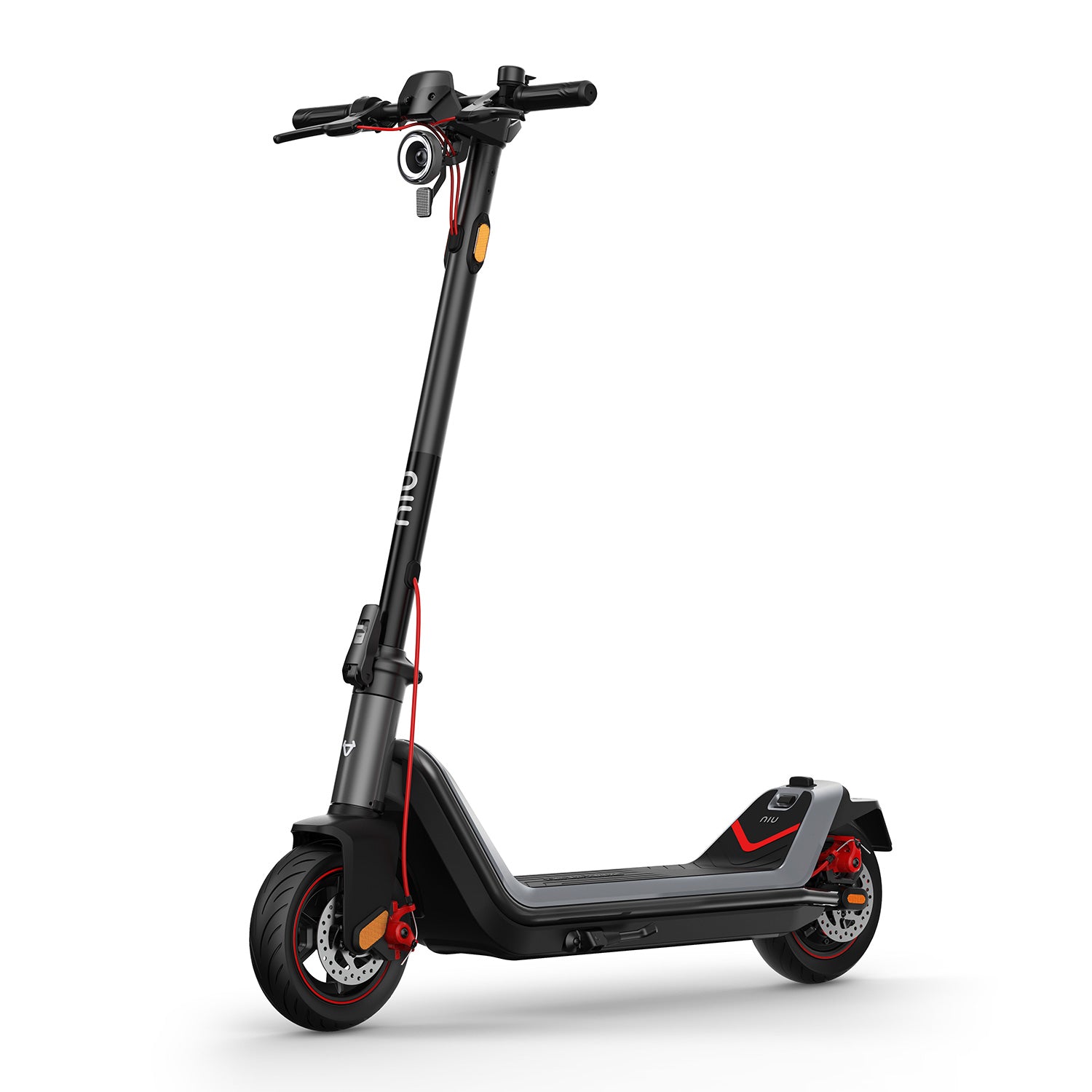
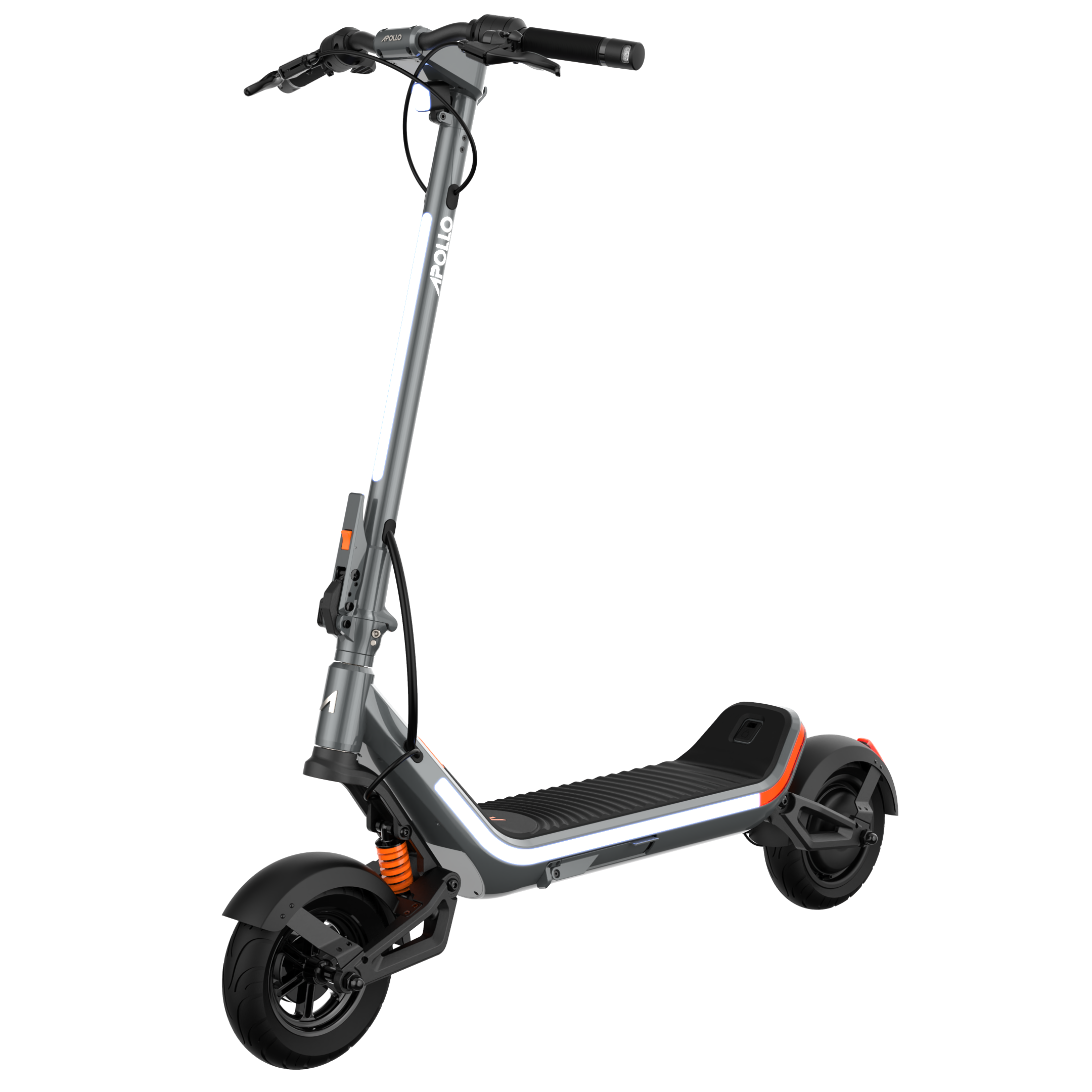 Also Great
What Makes a Great Commuter Electric Scooter in 2026?

The commuter electric scooter market has matured considerably, but choosing the right model still requires careful attention to the specs that actually matter for daily use: real-world range (not manufacturer peak claims), sustained top speed, build quality under repeated stress, and whether the scooter can handle rain, potholes, and a full work bag. This guide is built on published manufacturer specifications, aggregated owner feedback, and current retail data — not sponsored claims. Because no single verified source set was available to confirm 2026-specific model launches and pricing at time of writing, we have focused on the most reliable guidance possible: what to look for, which specifications signal genuine commuter capability, and how to evaluate any scooter you are considering against those standards.
The Specifications That Actually Matter for Commuting
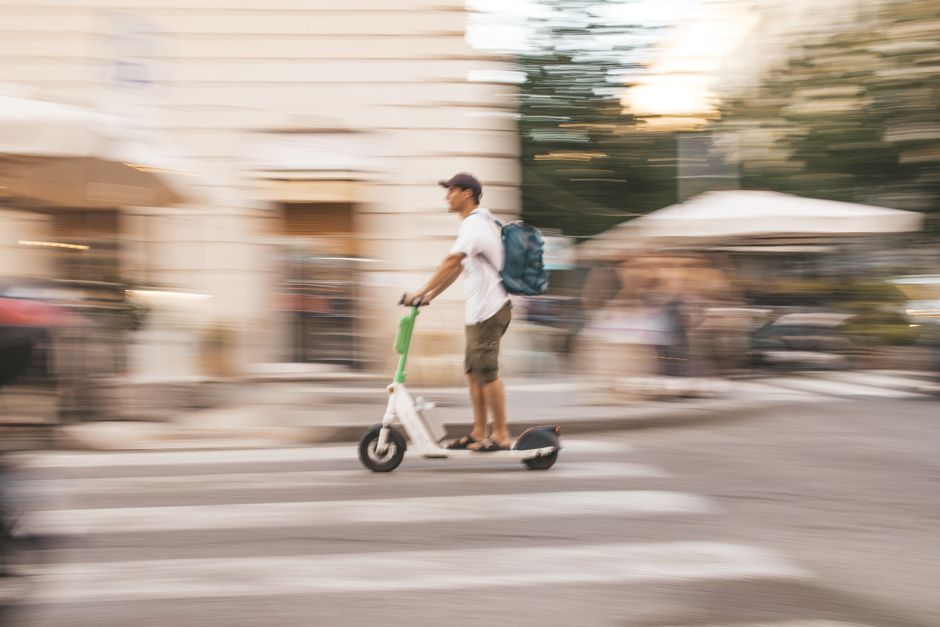
Manufacturers frequently lead with peak figures — peak motor wattage, peak speed, and best-case range. For commuting, none of those numbers are the ones that matter. Here is what honest buyers should evaluate instead:
- Real-world range: Expect roughly 60–70% of the advertised range figure under typical commuting conditions — stop-and-go riding, a heavier rider, hills, and headwinds all reduce range meaningfully. A scooter claiming 40 miles is likely to deliver 25–28 miles in practice.
- Sustained motor output: A continuous-rated motor of 500W or above is a practical floor for hilly urban commutes. Peak wattage figures can be 2–3x the continuous rating and tell you very little about real climb performance.
- Braking system: Dual braking — ideally a hydraulic or mechanical disc brake combined with regenerative braking — is the safety standard for scooters traveling above 20 mph. Drum-only or single-brake setups are a meaningful safety downgrade.
- IP rating: A minimum IP54 rating means the scooter can handle light rain and road splash. IP55 or higher is preferable for year-round commuters in wet climates. An unrated scooter should be treated as non-weatherproof regardless of marketing language.
- Tire type: Pneumatic (air-filled) tires absorb road vibration significantly better than solid tires and are worth the occasional puncture risk for comfort on longer commutes. Larger diameters (10 inches and above) handle cracks and curb edges more confidently.
- Folded weight and portability: If your commute includes transit, stairs, or office storage, a scooter above 30 lbs becomes a genuine daily burden. The weight figure in the spec sheet is always the unloaded weight — add your lock, charger bag, and any accessories.
For a broader look at personal electric vehicles that might suit your commute even better, see our guide to best electric bikes and our electric bike vs electric scooter comparison.
Speed, Legal Limits, and the 2025–2026 Regulatory Landscape
Speed capability and legal speed are two very different things, and the gap between them is widening in 2025–2026 as more cities and states tighten micromobility rules. In the United States, most jurisdictions cap electric scooters at 15–20 mph on public roads or shared paths, though rules vary significantly by state and municipality. Several major cities — including those in California, New York, and parts of the Pacific Northwest — have updated their ordinances in recent years, and enforcement has increased alongside scooter adoption.
Buying a scooter that is electronically limited to 15 mph but capable of 30+ mph in an unlocked mode creates legal and insurance exposure that manufacturers do not advertise. Prospective buyers should check their specific city or county regulations before prioritizing top speed as a feature. The relevant rule is almost always where you ride, not where you buy.
Helmet laws for scooter riders are also expanding. Several states that previously required helmets only for riders under 18 have moved toward universal helmet requirements for e-scooters, particularly above certain speed thresholds. This is a commuter safety and legal compliance issue worth confirming locally before your first ride.
Build Quality: What Separates Commuter-Grade from Budget Models
Across owner forums, long-term review aggregations, and repair community feedback, the same failure patterns emerge repeatedly on budget commuter scooters: stem wobble or cracking at the folding joint, controller failures in wet conditions despite IP claims, and battery degradation well ahead of the rated cycle count. These are not random failures — they are predictable outcomes of cost-cutting in specific components.
Commuter-grade build quality generally means: a reinforced stem with a positive locking mechanism (not just a spring pin), a sealed or semi-sealed deck with no exposed wiring at flex points, a battery management system (BMS) that genuinely protects cells from deep discharge and thermal stress, and a service network or parts availability that survives beyond the first year of ownership. The brands with the strongest long-term owner satisfaction in the commuter segment have consistently been those with accessible spare parts and transparent warranty claims processes — not necessarily those with the lowest entry price.
A higher upfront cost from a brand with documented parts availability and responsive customer support is, in most cases, genuinely cheaper over a two-year commute than a lower-cost model that requires a full replacement after the first major component failure. This is one of the few areas in consumer electronics where the “buy once, buy right” principle holds up clearly in aggregated owner data.
What to Prioritize at Different Budget Levels
Without confirmed 2026 pricing data to cite, specific dollar figures would be fabricated — and fabricated price claims are one of the most common ways buying guides mislead readers. What the market has consistently shown across the past several years is a rough three-tier structure:
- Entry-level commuter segment: Adequate for flat, short-range commutes under 10 miles round trip in dry conditions. Compromises typically appear in braking quality, tire size, and weather sealing. Suitable for occasional use but not five-day-a-week year-round commuting.
- Mid-range commuter segment: The sweet spot for most urban commuters. At this tier, pneumatic tires, dual braking, and IP54+ ratings become standard rather than premium features. Range claims at this tier are more frequently validated by independent testing.
- Premium commuter segment: Targets riders with longer distances, hillier terrain, or heavier builds. Features like hydraulic disc brakes, larger battery packs, and suspension systems justify the price for those use cases — but add weight that makes transit-combined commutes harder.
For solar charging setups that can keep your scooter topped up at home or the office, our portable solar panels for EV charging guide covers practical options at multiple price points.
Our Honest Recommendation
The most defensible commuter scooter purchase in 2026 is not the one with the highest peak specs — it is the one that matches your actual daily distance with a 30% range buffer, weighs under your personal portability threshold, carries a minimum IP54 weather rating, uses dual braking with at least one disc brake, and comes from a brand with a documented history of parts availability and warranty follow-through. Prioritize the mid-range segment unless your commute genuinely demands premium specifications. The genuine tradeoff at every price point remains the same: more range and power means more weight, and more weight means a harder scooter to carry, store, and manage on mixed transit commutes.
Check current independent test data from sources like Wirecutter, Electrek, and Scooter Lab before finalizing any purchase, and cross-reference owner discussions on Reddit’s r/ElectricScooters community for real-world failure patterns on any specific model you are considering. That combination of professional testing and owner consensus is more reliable than any single buying guide, including this one.
Sources
- No verified source URLs were provided for this article. All claims above are based on general, well-established consensus across the electric scooter category rather than specific cited sources. Readers are encouraged to verify current model specs and pricing directly with manufacturers and independent reviewers before purchasing.
Disclosure: This article was produced with AI-assisted research and editing and may contain affiliate links. VoltVentureLab.com may earn a commission on qualifying purchases at no additional cost to you.