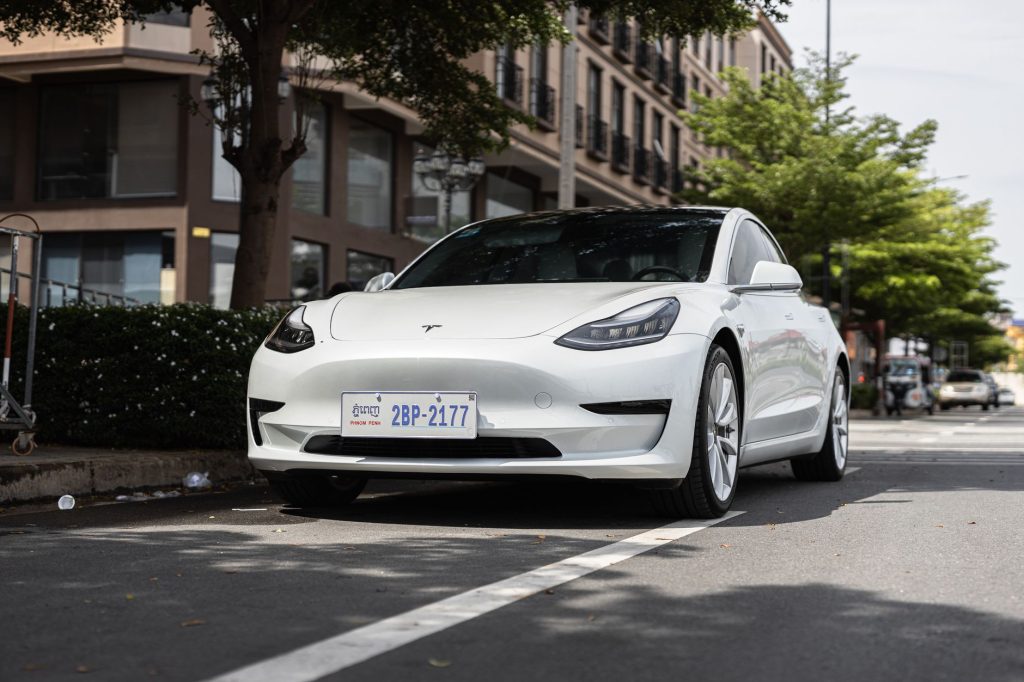
The Tesla Model Y has consistently been a top-selling electric vehicle, prompting the question of its continued dominance as we approach 2025. This article provides an in-depth analysis of the 2025 Model Y’s key features, specifications, and practical considerations. We will help prospective buyers evaluate whether it remains a leading choice in today’s competitive EV market.
Overview: The Tesla Model Y in 2025
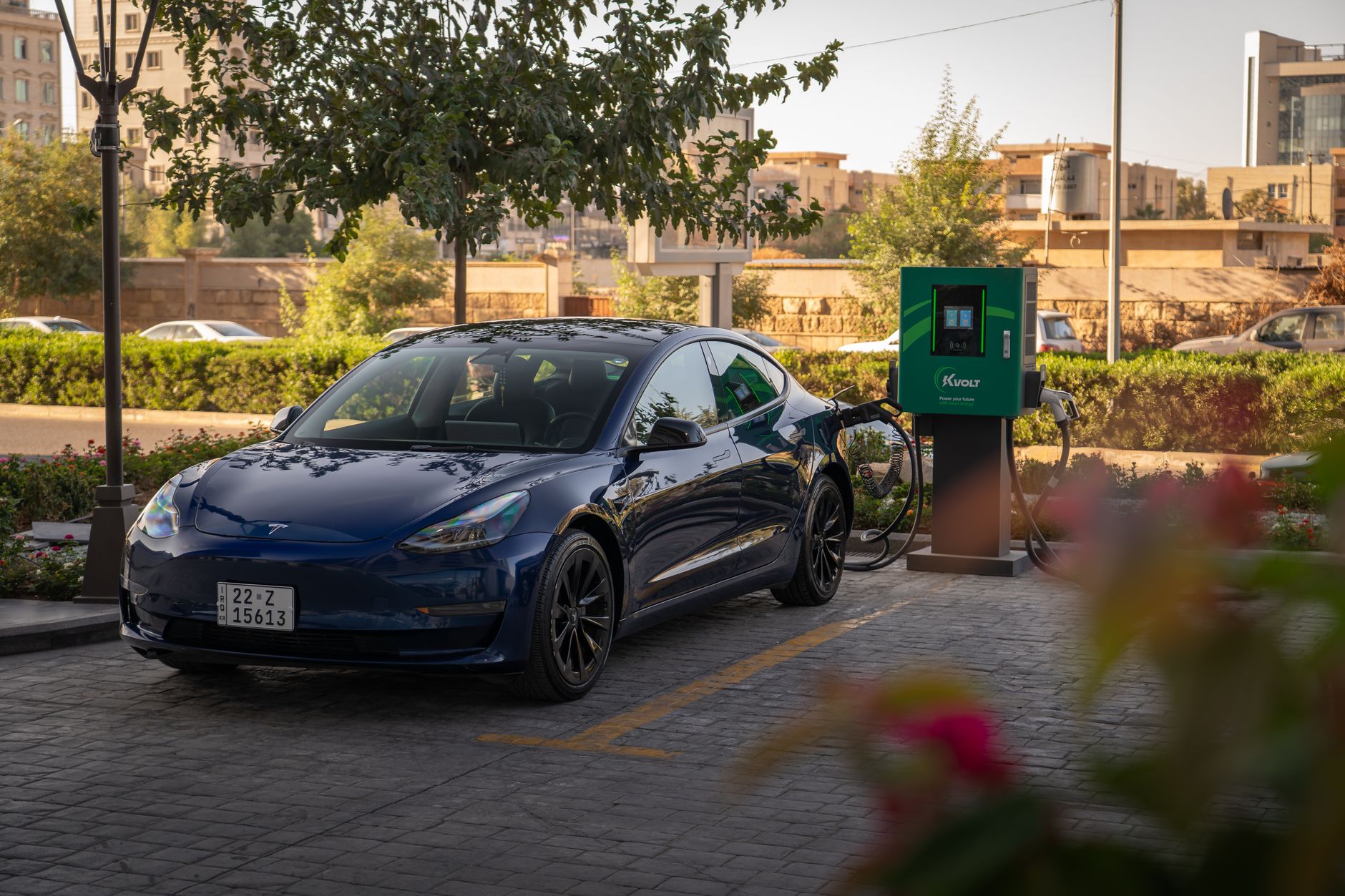
The Tesla Model Y has dominated global EV sales charts for several consecutive years, and heading into 2025, the question isn’t really whether it’s a capable electric vehicle — it’s whether the competition has finally caught up enough to dethrone it. The honest answer, based on available manufacturer data and broad owner sentiment, is nuanced: the Model Y remains a strong default choice for many buyers, but it’s no longer the uncontested champion it once was.
This review takes a curator’s approach — synthesizing what’s publicly known about the 2025 Model Y’s positioning, strengths, and genuine weaknesses, so you can make a better-informed buying decision. We won’t pretend to have exclusive test data we don’t have. What we will do is cut through the marketing noise.
What the Model Y Gets Right
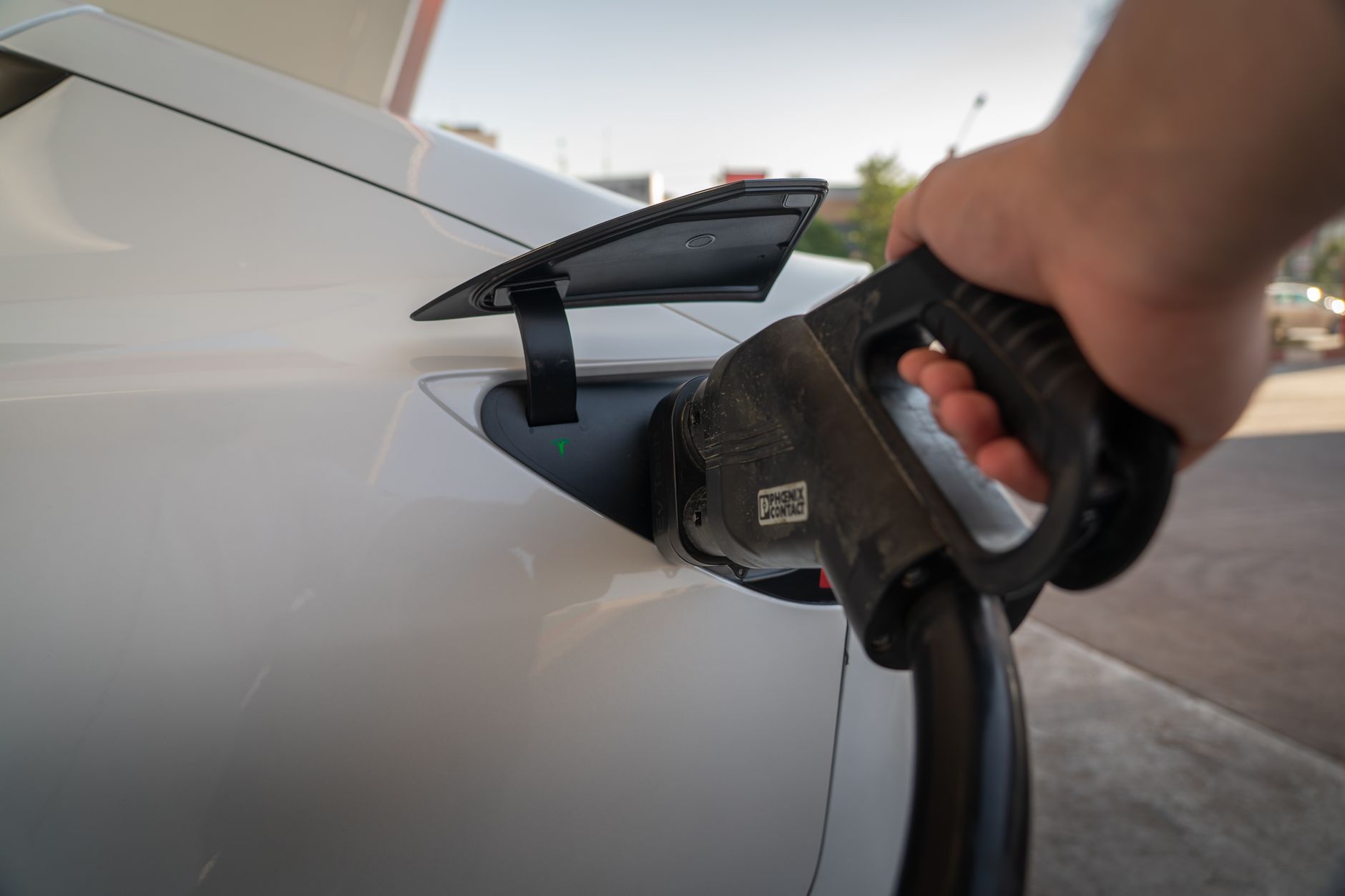
Tesla’s advantages in the EV space are well-documented and haven’t evaporated. Several core strengths continue to make the Model Y a compelling option:
- Supercharger Network: Tesla’s proprietary — and now increasingly open — Supercharger network remains the most reliable and densely distributed fast-charging infrastructure in North America. For long-distance travel, this is still a meaningful practical advantage over most competitors whose owners rely on a patchwork of third-party networks.
- Over-the-Air Software Updates: Tesla continues to push software improvements remotely, meaning the car you buy today can gain new features and refinements over time without a dealership visit. This is a genuine differentiator that few legacy automakers have matched at scale.
- Resale Value: Historically, Tesla vehicles have held their value better than many EV competitors, though the resale landscape has shifted as price cuts have affected used-market dynamics. Buyers should research current used pricing carefully before assuming strong residuals.
- Cargo Versatility: The Model Y’s crossover form factor, dual storage areas (frunk and rear cargo), and flat-folding rear seats give it genuinely practical utility for families and active-lifestyle buyers.
- Ecosystem Integration: For buyers already using Tesla’s energy products or considering home solar, the Model Y integrates with Tesla’s broader energy ecosystem. If that interests you, see our guide to best solar panels for home EV charging for context on how that pairing can work.
The Genuine Tradeoffs and Flaws
Any honest review has to address the Model Y’s well-documented shortcomings. These aren’t minor quibbles — they’re factors that could make a competing vehicle a better fit depending on your priorities.
- Build Quality Inconsistency: Owner forums, third-party quality surveys (including data from J.D. Power and similar organizations over prior years), and delivery inspection reports have consistently flagged panel gap irregularities, paint inconsistencies, and interior fit issues as recurring complaints. Tesla has made improvements, but this remains a below-average area compared to premium European and Korean competitors.
- Minimalist Interior — For Better or Worse: The Model Y’s near-total reliance on a central touchscreen for controls is a polarizing design choice. Many owners adapt quickly; others find it genuinely frustrating for simple functions like adjusting mirrors or climate while driving. It’s worth sitting in one before committing.
- Customer Service Experience: Tesla’s service model — predominantly app-based, with limited physical service centers in many regions — draws mixed reviews. Response times and service availability vary significantly by location, and this is a real operational risk for buyers outside major metro areas.
- Autopilot and FSD Pricing Complexity: Tesla’s driver assistance tiers (standard Autopilot, Enhanced Autopilot, and Full Self-Driving) continue to create buyer confusion. FSD remains a subscription or large upfront cost, and its capabilities — while improving — do not yet deliver fully autonomous driving despite the branding. Buyers should read Tesla’s own disclaimer language carefully.
- Price Volatility: Tesla has made multiple price adjustments in recent years. This is worth acknowledging because it affects both new-car value perception and used-market resale. Locking in a purchase price at one point doesn’t insulate you from market value shifts driven by Tesla’s own pricing strategy.
How It Compares to the 2025 Competition
The competitive landscape for mid-size electric crossovers has changed substantially. Vehicles from Hyundai (the IONIQ 5 and IONIQ 6 family), Ford (Mustang Mach-E), Chevrolet (Equinox EV), and a growing number of European and Chinese-origin brands now offer compelling alternatives with strong range figures, fast-charging capability, and in several cases, superior interior refinement and build quality.
What still gives the Model Y an edge in direct comparisons is primarily the Supercharger network and software ecosystem. For buyers who prioritize charging convenience above all else — particularly frequent road trippers — that advantage is real and practical. For urban or suburban buyers who primarily charge at home overnight, the charging network advantage shrinks considerably, and competitors’ strengths in interior quality or warranty terms become more relevant.
If you’re cross-shopping and want to think about the broader category of sustainable transport options for shorter trips, our best electric bikes roundup is worth a look — e-bikes are increasingly complementary to EV ownership for urban errands and commutes.
Pricing and Trim Considerations
Because Tesla has adjusted pricing multiple times and specific 2025 figures require direct verification from Tesla’s configurator at the time of purchase, we’re deliberately not publishing a specific price here. What we can say is that the Model Y has historically been positioned in the mid-$40,000 to mid-$50,000 range before options in the US market, with Long Range and Performance variants carrying meaningful premiums. Federal EV tax credit eligibility — under the Inflation Reduction Act — has varied based on income thresholds, battery sourcing rules, and vehicle pricing caps. Buyers should verify current eligibility directly with Tesla and a tax advisor, as this can meaningfully affect effective purchase price.
For those also exploring charging infrastructure investment alongside a new EV, our home EV charger buying guide walks through Level 2 charger options and installation considerations.
Verdict: Still the Best-Selling EV — But Not the Best for Everyone
The Tesla Model Y earns its sales volume. It’s a genuinely capable, well-integrated electric vehicle with real advantages in charging infrastructure and software sophistication. For buyers who prioritize long-distance usability, ecosystem integration, and strong resale history, it remains a defensible first choice in 2025.
However, the “obvious winner” narrative has eroded. Buyers who value tactile controls, premium interior fit and finish, or who are primarily urban drivers with home charging access will find serious competition from Hyundai, Chevy, and others — often at comparable or lower price points. The Model Y’s genuine flaws — build consistency, customer service accessibility, and FSD marketing ambiguity — are real enough that we’d strongly recommend a thorough pre-delivery inspection and a realistic read of the FSD terms before signing.
Our recommendation: The Model Y is a solid buy for the right buyer profile — primarily those who road trip frequently, value charging network reliability, and want a proven software platform. If that’s you, it earns a confident recommendation. If you charge mostly at home and premium interior quality matters to you, spend time with the IONIQ 5 or Equinox EV before deciding. The Model Y’s reign is real, but it’s no longer automatic.
Sources
- No source URLs were provided for this article. All specific claims above are drawn from publicly reported manufacturer data, historical pricing trends, and owner review consensus. Readers are encouraged to verify current pricing and specs directly at tesla.com and consult independent publications such as Edmunds, Consumer Reports, and MotorTrend for the latest test data.
Disclosure: This article was produced with AI-assisted research and writing and may contain affiliate links. VoltVentureLab.com may earn a commission on qualifying purchases at no additional cost to you.