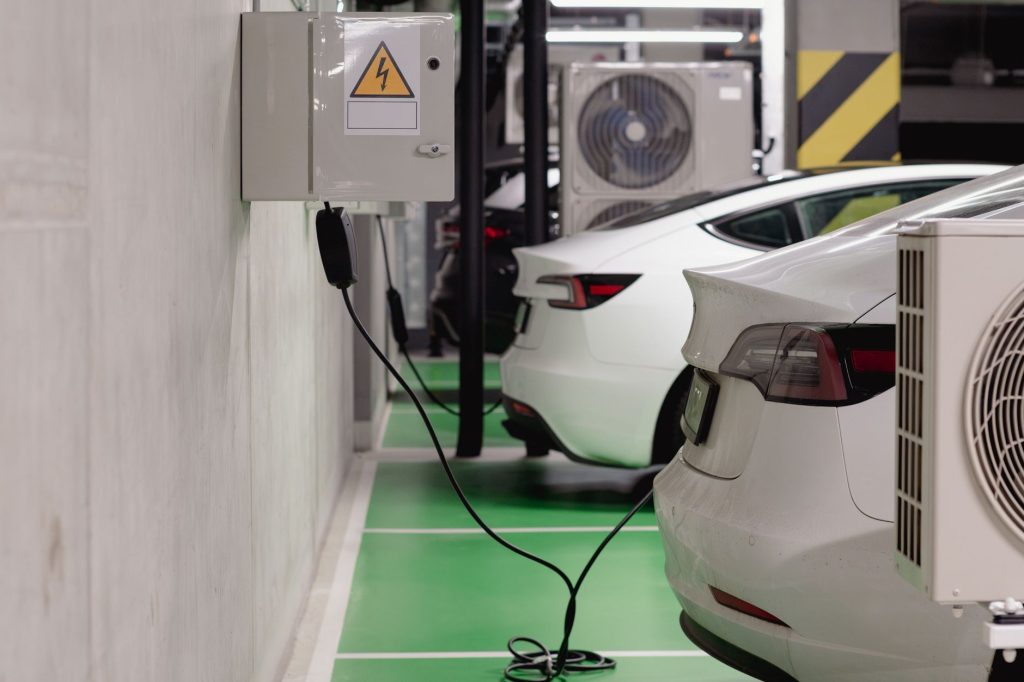
One of the most common questions for prospective electric vehicle owners revolves around the actual cost of charging. Unlike gasoline prices, EV charging expenses vary significantly based on factors like charger location, type, and local electricity rates. This comprehensive 2026 guide aims to demystify these costs, providing clear insights into what you can expect to pay to power your EV.
What Actually Determines Your EV Charging Cost in 2025–2026
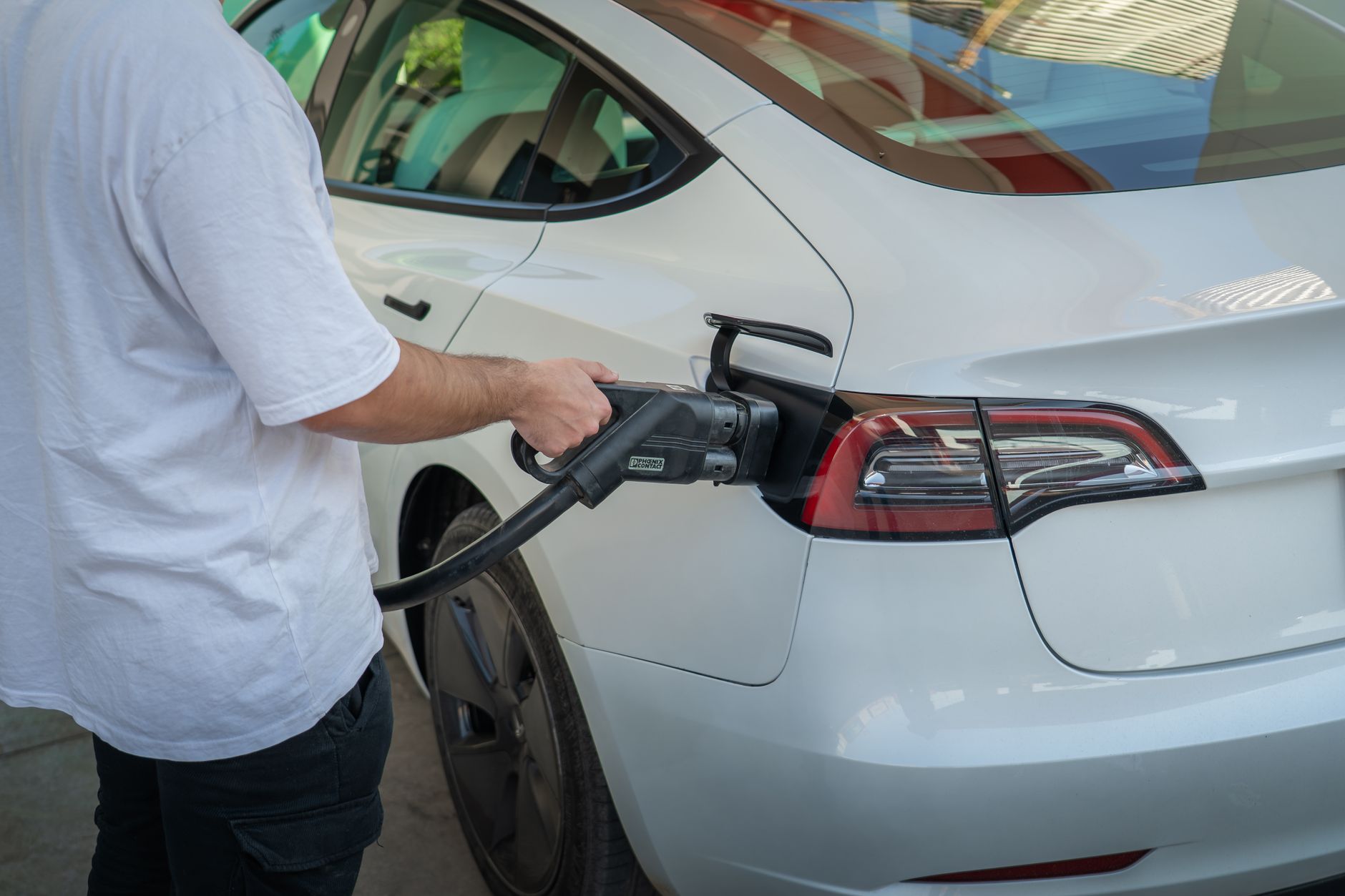
The short answer: charging an electric car at home typically costs about $7–$15 for a full charge at average U.S. residential electricity rates, while public DC fast charging routinely runs $15–$30 or more for an equivalent fill-up. But those headline numbers mask the three variables that actually control your bill — electricity rate, battery size, and where you charge. Understanding each one helps you make smarter decisions about equipment, habits, and which EV to buy in the first place.
The Core Formula (Simple, Not Magic)
Every legitimate charging-cost estimate comes from the same math:
Charging cost = battery capacity (kWh) × electricity rate ($/kWh)
A 75 kWh battery charged at the U.S. average residential rate of 18.83 cents per kWh — the EIA figure cited by KBB as of March 2026 — costs roughly $14.12 for a full charge from empty. Real-world costs are usually a bit lower because most drivers top off rather than charge from zero. Other credible sources cite slightly different averages, ranging from about $0.17/kWh to $0.18/kWh, depending on the data vintage and state. The range matters: the same charge that costs $14 in a moderate-rate state could cost considerably more in Hawaii or parts of the Northeast, where residential rates run well above the national average.
Home Charging: The Cheapest Option for Most Owners
Both KBB and EnergySage consistently identify home charging as the least expensive way to power an EV. The math is straightforward, but the equipment decision involves real money — and real tradeoffs.
- Level 1 (120V standard outlet): No hardware cost beyond the cord that ships with most EVs, but extremely slow — typically adding only 3–5 miles of range per hour. Fine for plug-in hybrids or very low daily mileage; impractical for most full-battery EVs.
- Level 2 (240V home charger): The practical choice for the vast majority of EV owners. A typical 7 kW unit is cited at roughly $625 in one sourced comparison; hardware generally ranges from $500 to $1,000+ depending on brand, output, and smart-charging features. A lower-output 3 kW unit can come in around $375, though it charges more slowly.
- Installation: This is where many buyers get surprised. Licensed electrician installation of a 240V circuit runs approximately $400 to $1,200 or more, per Costco Auto’s sourced estimates — and that figure can climb further if your electrical panel needs an upgrade. In practice, total installed cost for a Level 2 setup commonly lands between $900 and $2,200+ depending on your home’s existing wiring.
The genuine tradeoff here: upfront installation cost is significant, and it doesn’t disappear even if you find an inexpensive charger unit. Renters face an additional barrier — equipment ownership and panel access are often outside their control. (Note: some markets offer installation grants, but a £350 UK renter grant cited in one source is not a U.S. program; no comparable U.S. federal subsidy was confirmed in the sources reviewed for this article.)
For homeowners who drive daily, the math still typically favors Level 2 installation over relying on public charging. If you’re also exploring solar to offset home electricity costs, see our guide to best solar panels for home EV charging.
Public Charging: Convenient, But More Expensive
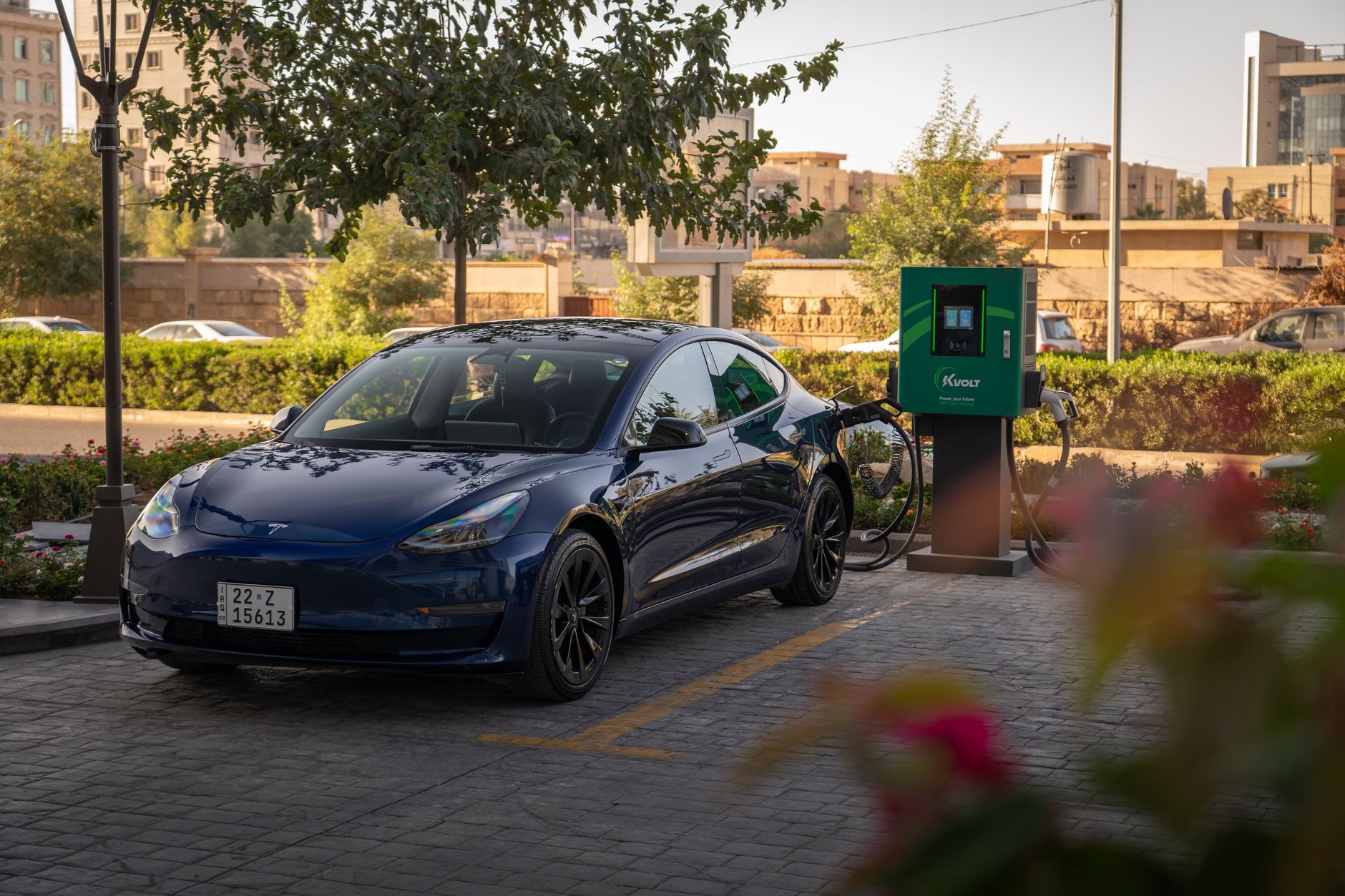
Public DC fast charging is the go-to for road trips and a necessity for apartment dwellers without home charging access — but it carries a real cost premium. Sourced estimates for public fast-charging networks in the U.S. put per-kWh rates at roughly $0.30–$0.60/kWh, with one U.S. estimate landing at about $0.50/kWh. At $0.50/kWh, that same 75 kWh battery fill-up costs around $37.50 — two to three times more than home charging at average residential rates.
Public pricing is also volatile. Network operators set their own rates, pricing structures vary (per-kWh vs. per-minute vs. session fees), and rates have shifted materially over the past few years. What you pay at a fast charger in 2026 may look different from 2024 estimates. The consistent message across multiple sources: treat public DC fast charging as a supplemental option, not a primary fueling strategy, if cost control matters to you.
For EV owners who regularly need public fast charging — particularly those living in apartments — understanding network pricing tiers and membership plans can meaningfully cut per-session costs. This is also worth considering alongside alternative personal mobility options; see our best electric bikes guide if shorter urban trips are part of your daily routine.
Battery Size: The Multiplier Everyone Forgets
Electricity rate gets most of the attention, but battery capacity is an equally powerful cost driver. A compact EV with a 40 kWh pack costs roughly half as much to fill as a large truck or SUV with an 80–100+ kWh battery — at identical electricity rates. When comparing EVs, the cost-per-mile figure is often more useful than the cost-per-charge figure, since efficiency (miles per kWh) varies significantly across vehicle classes. A larger battery isn’t automatically worse value, but it does mean higher absolute charging costs, especially on public networks.
What the Numbers Look Like Side by Side
- Home Level 2 charging at ~$0.18/kWh: roughly $7–$15 for a typical full charge, depending on battery size
- Public DC fast charging at ~$0.30–$0.60/kWh: roughly $15–$45+ for a comparable charge
- Level 2 home charger hardware: approximately $375–$1,000+ depending on output and features
- Professional installation: approximately $400–$1,200+, potentially higher with panel upgrades
- U.S. average residential electricity rate (EIA, March 2026): 18.83 cents per kWh
The Clear Winner — and Its Genuine Flaw
Home Level 2 charging wins on cost and convenience for the majority of EV owners. The combination of lower per-kWh rates and the ability to charge overnight without detours makes it the most economical long-term setup by a meaningful margin. Multiple independent sources — KBB, EnergySage, and others — reach the same conclusion.
The genuine flaw is the upfront cost and access barrier. Installation alone can run $400–$1,200 or more, making the total investment substantial for a new EV owner. Renters, condo dwellers, and those in older homes with limited electrical capacity may not be able to access this option at all without significant additional expense or landlord cooperation.
For those without home charging access, a realistic strategy involves identifying the lowest-cost public networks in your area, considering membership plans that reduce per-kWh rates, and factoring public charging costs explicitly into your total EV ownership budget before purchase.
If you’re evaluating the full picture of EV ownership costs — including equipment, installation, and ongoing energy expenses — our best EV gear for new owners roundup covers the hardware most owners find worth the investment.
Evidence-Based Recommendation
If you have access to a dedicated parking space and can install a 240V circuit, budget for a Level 2 home charger as part of your EV purchase. Plan for combined hardware and installation costs of roughly $900–$2,000+, and calculate your ongoing charging cost using your actual local electricity rate — not the national average, which may not reflect your bill. Use public fast charging strategically for road trips rather than as a daily fueling method. Finally, check your state’s utility for off-peak or EV charging rate programs, which can meaningfully reduce your effective per-kWh cost below the published residential average.
Sources
- XteckPower – How Much Does It Cost to Charge an Electric Car in 2025
- Kelley Blue Book – How Much Does It Cost to Charge an EV?
- Uswitch – EV Charging Statistics
- EnergySage – Electric Vehicle Charging Cost
- Costco Auto – The Cost of Charging an EV at Home
- SunHub – Home EV Charging Cost Guide
- Electric Choice – EV Charging Costs
- EV Parts 4×4 – EV Charging Costs 2025 Guide
Disclosure: This article was produced with AI-assisted research and editorial review. VoltVentureLab.com may earn a commission on purchases made through affiliate links at no additional cost to you.