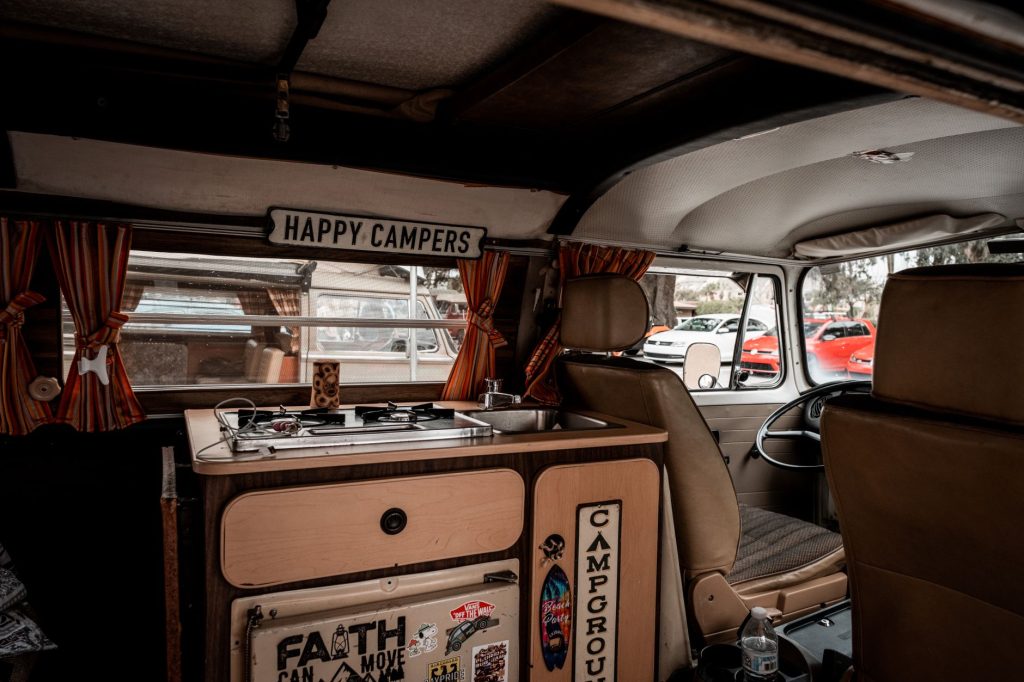
Achieving a functional van life setup doesn’t always demand a significant upfront investment. This guide thoroughly examines the components of establishing a mobile living space for under $10,000, tailored for the economic landscape of 2026. It compiles researched information on affordable vehicle acquisition, essential budget conversions, and ongoing cost management to navigate this accessible lifestyle.
The Honest Truth About Van Life Under $10,000 in 2025

Van life on a strict $10,000 total budget is genuinely possible — but only if you go in with clear eyes. Published 2025–2026 guides consistently show that starting van life typically costs $25,000–$100,000+, and even simple DIY builds frequently exceed the $10k mark once you add insulation, power, and water. That does not mean $10,000 is impossible. It means the gap between a social-media van build and a realistic budget build is enormous, and the only way to close it is to make disciplined tradeoffs at every step. This guide is built around verified current pricing — not aspirational math.
Step One: Understand Where the Money Actually Goes
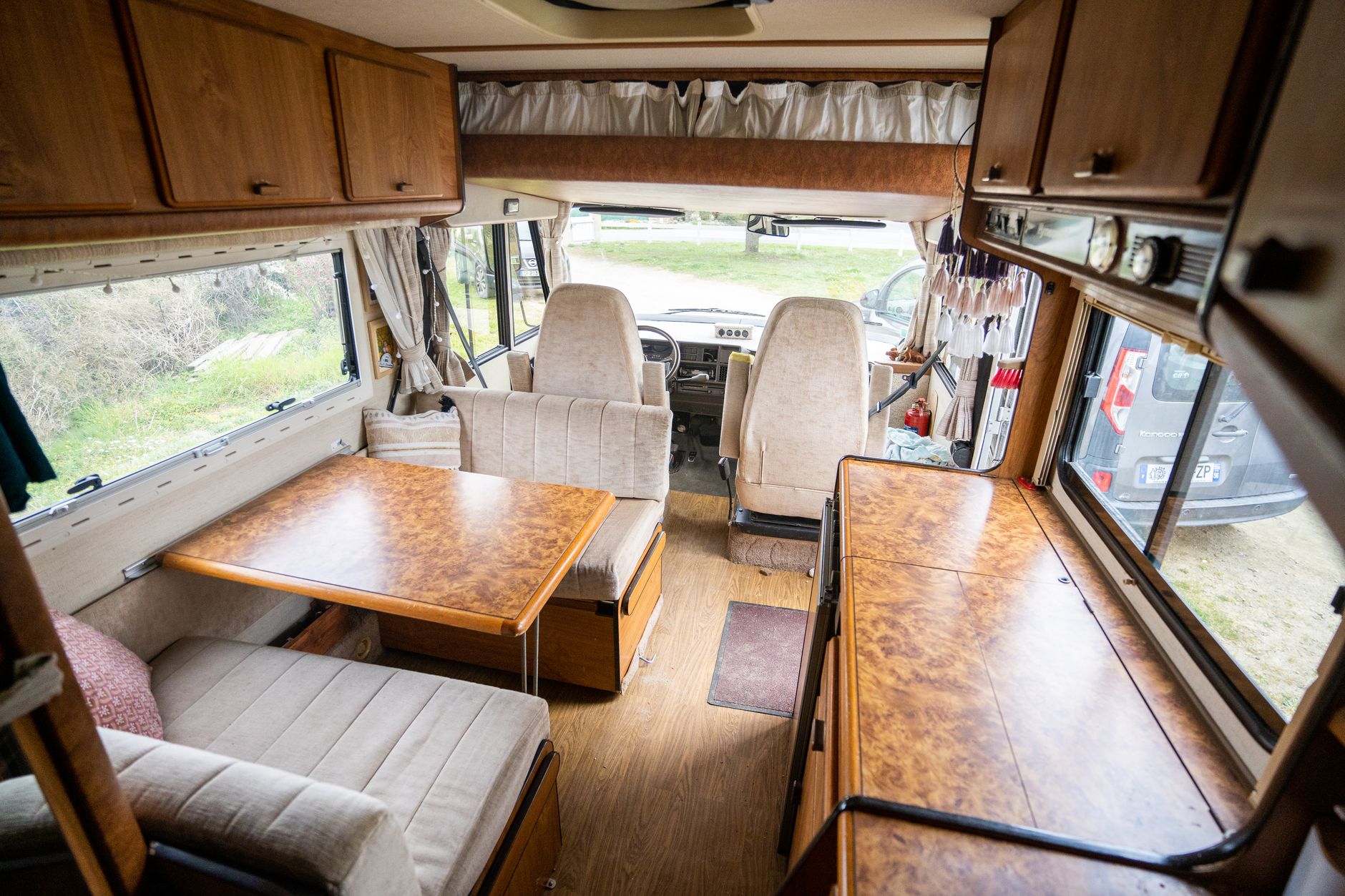
Before shopping a single vehicle, internalize this reality: the vehicle will consume most or all of your $10,000 budget. Whatever is left — potentially nothing, potentially a few thousand dollars — funds the entire living setup. A 2025 build-cost breakdown puts electrical systems alone at $3,000–$20,000, insulation at $1,000–$5,000, heating and ventilation at $1,000–$6,000, and plumbing and water at $500–$4,000. Add those up and a modest but complete conversion easily hits $6,000–$10,000 on its own, before you buy the van shell. The sub-$10k path survives only by ruthlessly minimizing every one of those line items.
Which Vehicle Actually Fits a $10,000 Total Budget?
Here is the honest market picture for 2025–2026, drawn directly from published buyer guides:
- Full-size cargo vans (Ram ProMaster, Ford Transit, Mercedes Sprinter): These are the gold standard for DIY van builds because they offer the most usable interior height and floor space. The problem is price. Used examples currently list around $25,000–$60,000, which blows a $10,000 total budget entirely. Unless you find an unusually worn, high-mileage, or mechanically compromised example in a private sale, a full-size cargo van is not a realistic sub-$10k starting point.
- Compact cargo vans (Ford Transit Connect, Nissan NV200): More attainable, but still challenging. 2026 guides place used compact cargo vans around $14,000–$38,000. Sub-$10,000 examples exist but typically mean older model years, high mileage, or both. The tradeoff is a tighter interior — standing room is limited or absent, which significantly affects livability for full-time use.
- Used minivans (Honda Odyssey, Toyota Sienna, Chrysler Pacifica): The most realistic entry point for a strict $10,000 total budget. Used examples span roughly $12,000–$38,000 across 2018–2024 model years, but older and higher-mileage examples can land well under $10,000. Minivans sacrifice standing room but deliver proven reliability — Toyota and Honda platforms in particular are widely praised in owner communities for lower long-term repair costs. A minivan build is a legitimate minimalist option for solo travelers or couples who prioritize budget over comfort.
The clear winner for a sub-$10,000 total budget is a used minivan, specifically an older Honda Odyssey or Toyota Sienna. They offer the best combination of attainable purchase price, long-term mechanical reliability, and reasonable cargo capacity for a sleep-and-storage build. The genuine tradeoff is that you will not be standing up inside your home, and you will feel every mile of the smaller footprint during extended full-time living.
A Realistic Sample Budget Breakdown
Based on verified 2025–2026 pricing, here is how a disciplined $10,000 plan might be structured:
- Vehicle (older used minivan or compact van, private sale): $5,000–$7,000
- Repair fund (strongly recommended): ~$1,500–$3,000 — one practical guide specifically calls out a $3,000 repair reserve as essential for high-mileage rigs, where breakdowns are expected, not surprising
- Insulation (DIY, minimal): $300–$600 using budget materials
- Electrical (minimalist 12V system, no solar or small starter panel): $500–$1,500
- Sleeping platform and storage (DIY wood build): $200–$500
- Ventilation (a quality roof fan is non-negotiable for safety and comfort): $150–$300
- Water (portable jugs, no plumbing): $50–$150
Note that this budget does not include a fixed kitchen, a dedicated heating system, or a solar array. Those are real comforts, but adding them while staying under $10,000 total is extremely difficult given current part costs. A camp stove, sleeping bag rated for your climate, and a portable power station are the pragmatic alternatives for year-one builds.
What the Experts and Owners Actually Say
Across multiple 2025 builder guides and owner communities, several themes repeat consistently. DIY flexibility is the biggest financial lever — professional conversions currently run $40,000–$100,000+, and turnkey builds push $80,000–$160,000, so doing the work yourself is not optional at this budget, it is the entire strategy. The Ford Transit earns consistent praise as the most DIY-friendly and lower-maintenance full-size platform, while the Ram ProMaster is recognized as having the widest, most livable interior among full-size options. But again, both sit well above $10,000 in current used-market pricing.
The most repeated warning from experienced van lifers is that a cheap van becomes an expensive van fast. Unexpected repairs, suspension work on high-mileage vehicles, and the cumulative cost of adding even basic livability systems routinely push budgets beyond initial estimates. This is not a reason to abandon the plan — it is a reason to hold back at least $1,500–$3,000 as a dedicated repair fund rather than spending every dollar on the build.
For those interested in reducing fuel costs or exploring supplemental electric mobility alongside their van build, pairing a van life setup with an e-bike for urban errands can significantly cut day-to-day expenses. See our guide to best electric bikes under $1,500 for options that fit a budget-conscious lifestyle. If you are also evaluating solar for your electrical system, our portable solar panels for van life roundup covers verified current pricing on starter kits.
Legal Considerations: What We Can and Cannot Tell You
Published 2025–2026 sources reviewed for this guide do not document specific new federal or state van-life regulations. Rules around overnight parking, vehicle habitation, and mobile domicile registration vary significantly by state, county, and municipality. Before committing to full-time van life in any region, verify local ordinances directly — what is permitted in one city may result in a citation or tow in the next. This is an area where relying on general internet advice carries real risk.
The Bottom Line
Van life under $10,000 in 2025 is achievable, but it is a used minivan plus a minimalist DIY build, not a converted cargo van with solar, a kitchen, and a roof fan. The vehicle purchase and a mandatory repair reserve will consume the majority of your budget. What remains funds the basics: insulation, a sleeping platform, minimal 12V power, ventilation, and portable water. Anyone expecting a turnkey lifestyle for $10,000 will be disappointed by current market realities. Anyone willing to build gradually, buy mechanically sound older stock, and keep a repair cushion intact has a legitimate path forward. Start simple, drive it for a season, and reinvest from savings — that is the evidence-based approach every credible guide points toward. van life gear essentials checklist
Sources
- Van Life Escape: Van Life Start-Up Cost Breakdown
- VanLife.us: How Much Does It Cost to Live the Van Life
- Infinity Vans: Building a Camper Van
- The Van Smith: Is Van Life Worth It — Practical Guide
- 2 Pines: Van Conversion Cost — Complete Guide to Pricing and Budgeting in 2025
- Shalee Wanders: How to Live Full-Time Van Life
- UDPWR: Is Van Life Worth It
Disclosure: This article was produced with AI-assisted research and editorial review. VoltVentureLab.com may earn a commission from qualifying purchases made through affiliate links in this content.