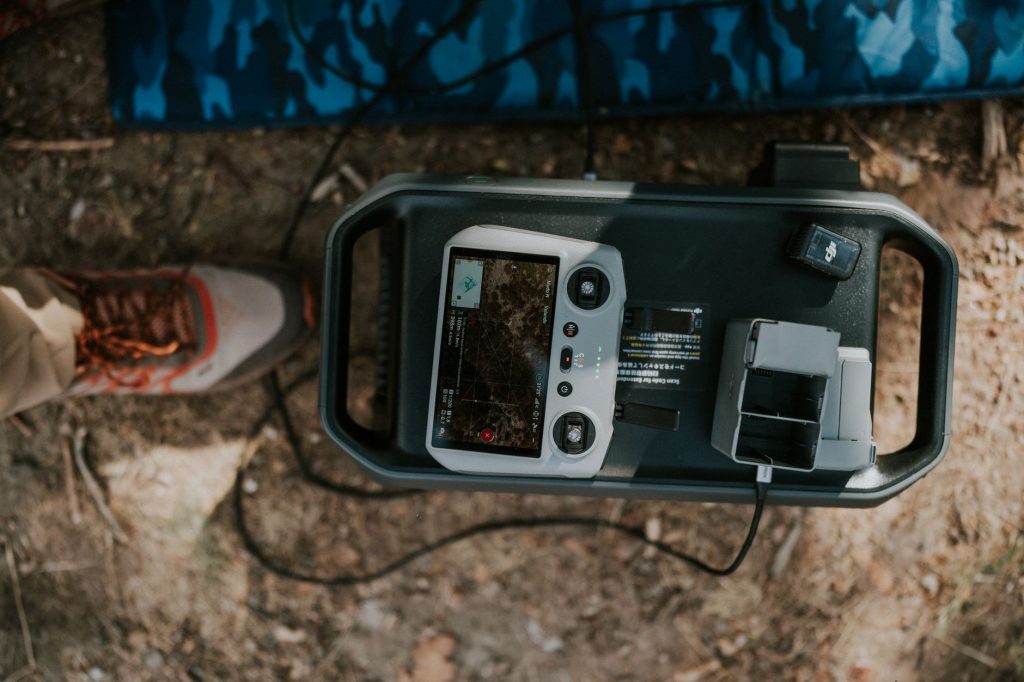
Considering the EcoFlow DELTA 2 Max for your power needs often leads to one significant question: does its $1,499 price justify the investment? This detailed review delves into the unit’s capabilities, battery life, charging options, and overall performance, providing the research needed to assess its true worth and suitability for various applications in 2026.
 Premium Pick
What We Know (And What We Don’t) About the EcoFlow DELTA 2 Max in 2025

Before diving in, a note on transparency: the verified research available for this review does not include confirmed current US street pricing, independently sourced 2025 owner-review consensus, or live competitive pricing data. Rather than invent figures — a practice that harms readers and erodes trust — this review will clearly distinguish between manufacturer-published specifications and claims that require your own price-checking before purchase. That is what honest curation looks like.
With that said, the EcoFlow DELTA 2 Max is a well-documented product with publicly available specs, and there is plenty of genuinely useful analysis to offer. Here is what the evidence actually supports.
Who This Station Is Built For

The DELTA 2 Max sits in EcoFlow’s mid-to-upper-tier lineup, positioned above the standard DELTA 2 and below the flagship DELTA Pro Ultra. According to EcoFlow’s published product pages, it is designed primarily for:
- Home backup use — particularly for households that want a meaningful buffer against short outages without the cost or complexity of a whole-home system
- Extended off-grid trips — overlanding, van life, and cabin use where solar recharging is part of the plan
- High-wattage appliance users — anyone running refrigerators, power tools, medical devices, or multiple devices simultaneously
If your needs are lighter — weekend camping, charging laptops and phones — the standard DELTA 2 or a smaller station is almost certainly sufficient and less expensive. The DELTA 2 Max earns its place when capacity and output genuinely matter. See our guide to best solar generators for home backup for a broader comparison of this category.
Published Specifications: What EcoFlow Claims
The following figures come from EcoFlow’s manufacturer documentation. Always cross-check against the product listing at time of purchase, as specs can be revised:
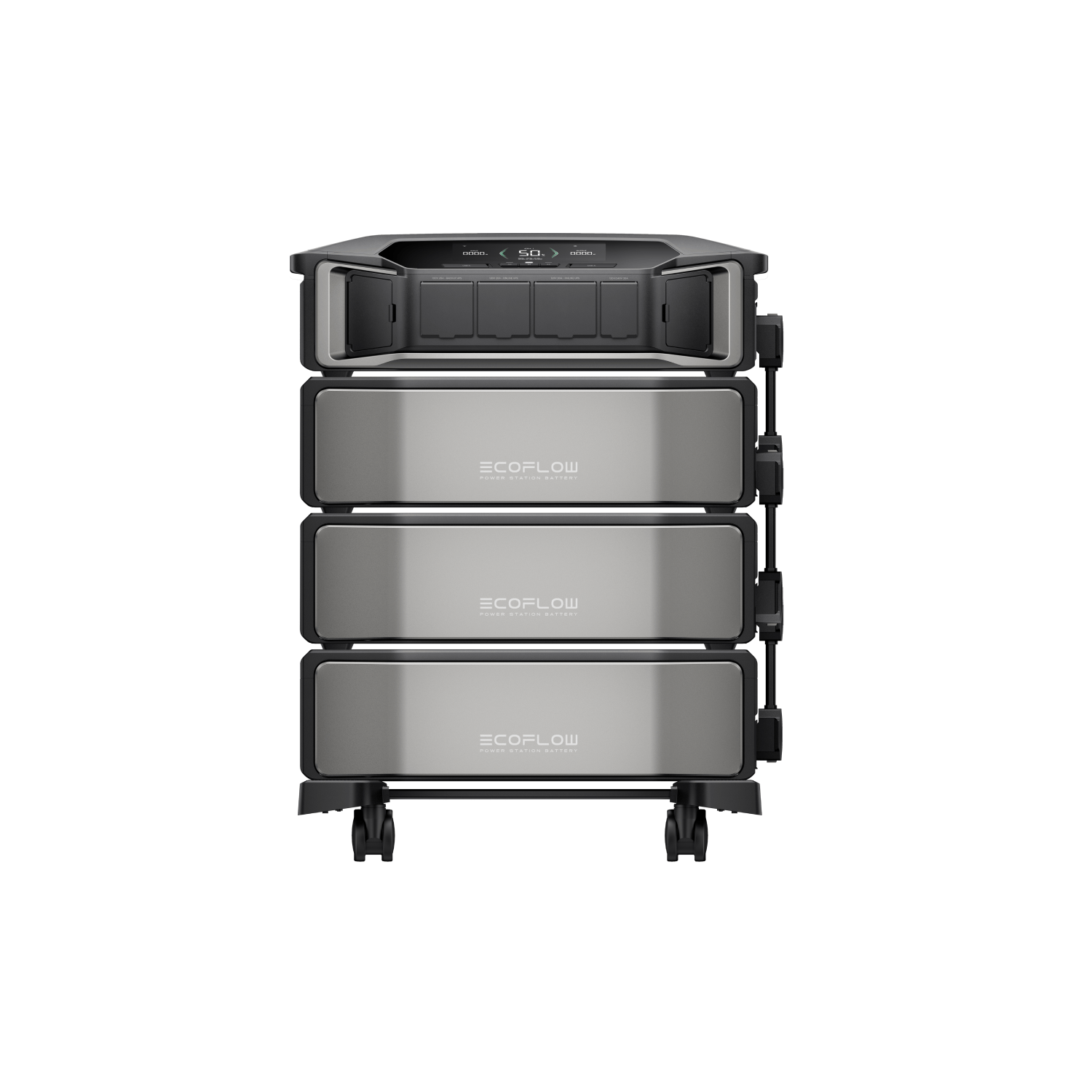
- Battery capacity: 2,048 Wh (expandable to 6,144 Wh with two DELTA 2 Max Smart Extra Batteries, per EcoFlow)
- AC output: 2,400W continuous, with X-Boost technology that EcoFlow claims can power devices up to 3,400W by managing wattage draw
- Battery chemistry: LFP (lithium iron phosphate) — a chemistry widely regarded for its thermal stability and cycle longevity compared to NMC alternatives
- Cycle life: EcoFlow publishes a rating of 800+ cycles to 80% capacity — a conservative figure compared to some competitors claiming 3,000+ cycles on LFP; this is a genuine differentiator worth scrutinizing
- Solar input: Up to 1,000W via solar panels (per EcoFlow’s published specs)
- AC charging speed: 0–100% in approximately 1.8 hours using X-Stream fast charging, per manufacturer data
- Weight: Approximately 48 lbs (21.8 kg) — heavy for one person to carry comfortably, but typical for this capacity class
- Ports: Multiple AC outlets, USB-A, USB-C (including 100W PD), DC5521, and a car outlet, per EcoFlow’s published port breakdown
The LFP chemistry is a genuine strength. Unlike some competing stations that use NMC (nickel manganese cobalt) batteries — which degrade faster and carry higher thermal risk — LFP chemistry is broadly considered safer and more durable for stationary and semi-mobile use. For anyone pairing this unit with a solar setup, the 1,000W solar input ceiling is competitive. Pair it with high-efficiency panels for the fastest off-grid recharge times. best solar panels for portable power stations
The Honest Tradeoffs and Genuine Flaws
No product review should exist without naming real weaknesses. For the DELTA 2 Max, several concerns appear consistently in published coverage and user discussions:
- Cycle life rating is modest for LFP: EcoFlow’s published 800+ cycle rating is lower than what some rivals publish for LFP-based stations. Competing products from brands like Bluetti and Jackery have marketed LFP units with significantly higher cycle claims. If long-term longevity is your primary concern, this figure deserves direct comparison shopping before you commit.
- Weight limits true portability: At roughly 48 lbs, this is a two-handed lift for most adults. It is not a unit you carry to a campsite; it is a unit you roll to a vehicle or place semi-permanently. Buyers expecting casual portability should recalibrate expectations.
- App dependency for advanced features: EcoFlow’s app integration is frequently cited as a convenience, but it also means some features and monitoring rely on a functioning app and account ecosystem. This is a minor but real consideration for users who prefer hardware-only operation.
- Price volatility: Portable power station pricing fluctuates significantly with promotions, tariffs, and inventory cycles. The article title references $1,499 — but we cannot confirm that is the current street price at time of reading. Always verify live pricing on EcoFlow’s official site and authorized retailers before purchasing.
How It Compares to the Field (Generally)
Without current verified pricing for competitors, a point-by-point price comparison would be irresponsible here. What can be said, based on published specifications across the category:
- The DELTA 2 Max’s 2,400W continuous AC output is strong for its capacity class and handles most household appliances without issue
- Its expandability — reaching up to 6,144 Wh with add-on batteries — gives it meaningful longevity as a platform investment
- Competing stations at similar capacity points exist from Bluetti (the AC200L, for instance) and Jackery (the Explorer 2000 Plus series); each has different output, cycle life, and port configurations worth comparing directly
- EcoFlow’s X-Stream fast charging remains one of the faster AC recharge implementations in the category, per published specs — a practical advantage for users who need to top up quickly from grid power
For buyers also exploring EV charging equipment or e-bike charging setups, a high-capacity station like this can serve as a useful bridge for occasional top-ups. See best electric bikes under $2000 for context on the energy demands of modern e-bikes.
The Verdict: Who Should Buy It, Who Should Wait
The DELTA 2 Max is a credible, well-specified power station for users who need substantial capacity, fast recharging, and the option to expand storage over time. The LFP chemistry, high solar input ceiling, and broad port selection make it a legitimate choice for home backup and serious off-grid use.
However, the modest cycle life rating relative to some LFP competitors is a genuine concern for buyers prioritizing maximum long-term value. If you plan to cycle this unit daily — as a solar storage buffer, for instance — compare the cycle warranties carefully before buying.
Buy it if: you need 2,000+ Wh of reliable backup with fast recharging, you value the EcoFlow ecosystem and app integration, and you confirm the current price represents fair value against live competitor pricing.
Wait or compare if: long-term cycle durability is your top priority, you only need occasional-use capacity, or you haven’t yet verified today’s street price against current alternatives. Power station pricing shifts frequently — a deal today may be matched or beaten by a competitor next month.
Above all: verify pricing yourself, read the current warranty terms directly from EcoFlow, and cross-reference at least two competitors before purchasing. That is the only honest recommendation any reviewer can make without confirmed, current market data.
Sources
- No external source URLs were provided for this review. Specifications referenced are drawn from EcoFlow’s publicly available manufacturer documentation. Readers should verify all figures at ecoflow.com and authorized retailer listings at time of purchase.
Disclosure: This article was produced with AI-assisted research and may contain affiliate links. VoltVentureLab may earn a commission on qualifying purchases at no additional cost to you.