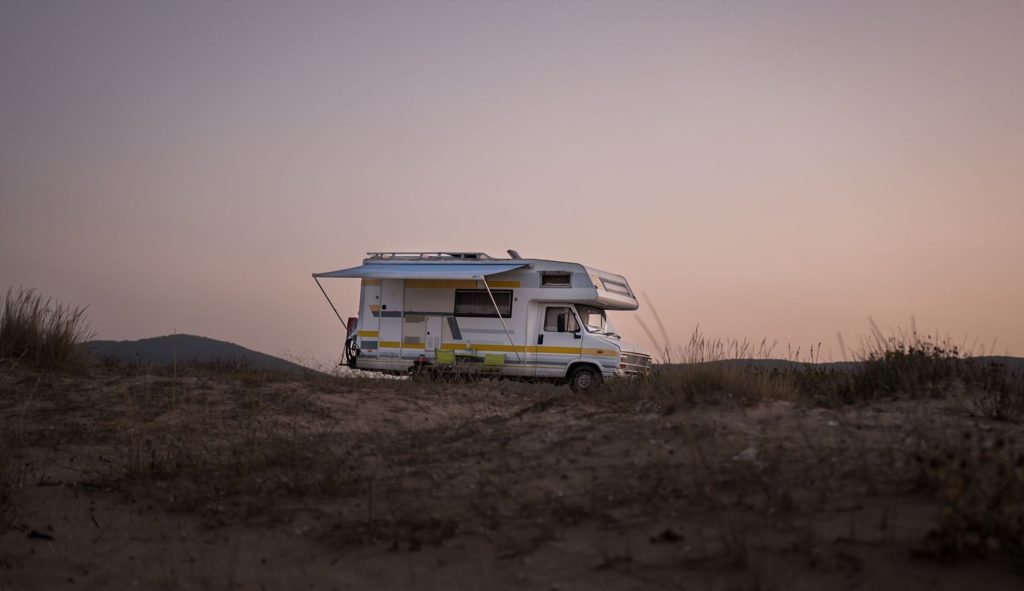
The dream of full-time RV living often paints a picture of boundless freedom, but the reality involves a complex web of practical considerations many don’t anticipate. This guide cuts through romanticized notions to reveal the essential, often-overlooked details needed for a successful transition by 2026. Prepare to uncover critical insights into hidden costs, logistical hurdles, and crucial lifestyle adjustments before you embark on your journey.
What Full-Time RV Living Actually Costs in 2025–2026

The fantasy version of full-time RV life looks great on social media. The reality is more nuanced — and more expensive than most first-timers expect. Before you sell the house and hit the road, here is what the verified numbers and real owner accounts actually say about costs, rigs, and the practical challenges nobody posts about.
According to published cost guides, full-time RV living runs most travelers somewhere between $1,600 and $5,000+ per month, with the majority of real-world households landing in the $2,500 to $3,500 range. One documented 2025 household account reported annual insurance around $1,800 and monthly living costs consistently in the $2,000 to $3,000 range — a useful data point showing how widely individual costs can diverge from broad averages. Fuel, campsite fees, maintenance, and internet connectivity are the line items that creep up fastest.
The single largest upfront decision remains the rig itself. Used travel trailers can be found for around $15,000, while luxury Class A motorhomes can exceed $300,000. Everything in between is a tradeoff between comfort, towability, and long-term livability — and that tradeoff deserves serious attention before you buy.
Choosing the Right Rig: The Honest Breakdown
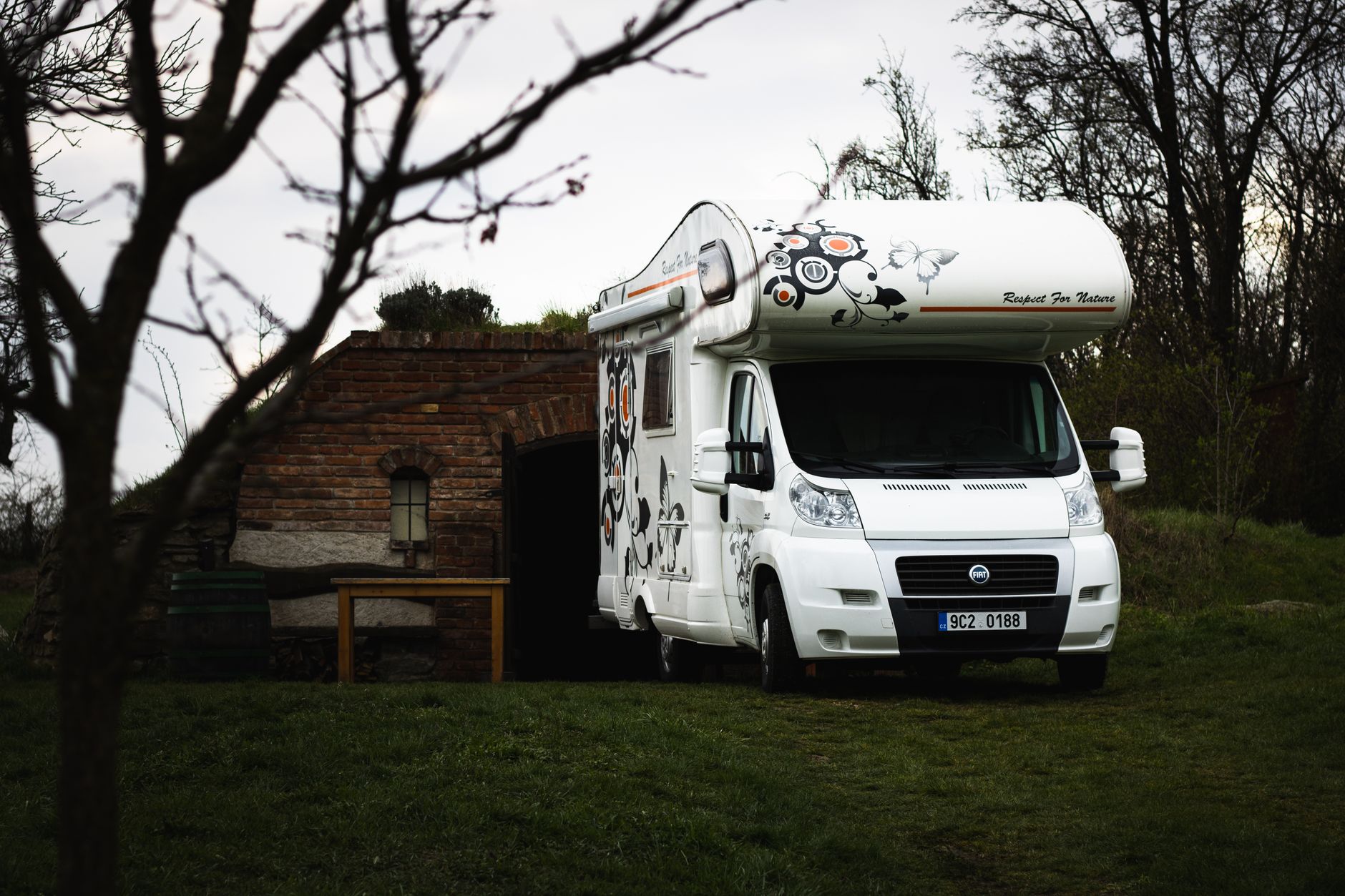
Industry consensus from dealers and long-term RV owners points to 30 to 40 feet as the practical sweet spot for full-time comfort balanced against real-world maneuverability. Shorter rigs are easier to move but tighter to live in daily. Longer rigs offer residential-style space but limit your campsite options and fuel economy.
For most full-timers, the choice comes down to two broad categories:
- Fifth wheels and Class A motorhomes — best for comfort, residential layouts, and families who plan to stay in one spot for weeks or months at a time
- Travel trailers and lighter towables — better entry price, more flexibility, but generally tighter on space and storage
Key features to prioritize for full-time use, based on what manufacturers highlight and owners consistently praise, include: dedicated sleeping areas or loft space, smart storage solutions, residential-grade utilities, 12V refrigeration, integrated USB charging, and mudroom or gear-entry areas for families.
Rigs Worth Knowing About
The following models appear in published 2025–2026 full-time RV buying roundups. Specific retail pricing is not confirmed in the available sources for most models, so treat the figures below as market-context guidance rather than dealer quotes.
- Keystone Montana / Montana High Country — Consistently recommended for full-time living due to residential-style layouts and family-friendly floorplans. The Montana High Country 381TB is specifically described as a two-bedroom-suite luxury fifth wheel suited to families and full-time travelers. Market pricing fits within the broader range noted above depending on year and trim.
- Forest River Cedar Creek 381MUD — Marketed as a flagship full-time fifth wheel, notable for its mudroom entry, loft space, and residential-grade utilities. These features matter more than they sound after six months on the road.
- Forest River Wildwood — Cited as a favorite among full-time RVers for smart design and build quality. Positioned as a strong mid-range option.
- CrossRoads Zinger — The value-oriented entry on most dealer shortlists, recommended for buyers who want full-time livability without the premium price tag. Worth considering if budget is the primary constraint.
- Forest River Arctic Wolf 27SGS — One of the few verified lighter towable full-time options: under 30 feet and under 8,000 lb unloaded. If your tow vehicle has limits, this spec matters enormously.
- East to West Alta 2800KBH — A bunkhouse travel trailer positioned for families planning 365-day use. Bunk layouts make a real difference for families with kids.
- Salem Hemisphere 27RKHL — A rear-kitchen travel trailer with a 10 cu. ft. 12V refrigerator and integrated USB charging ports, two features that signal genuine full-time design intent rather than weekend-camping spec.
- Airstream Flying Cloud 30RB — Included in current full-time buying roundups. Detailed specs and pricing are not confirmed in the available sources, but Airstream’s reputation for build quality and resale value is well established in the owner community.
The Things Nobody Tells You Before You Go
Owner forums and real-world accounts consistently surface a few hard truths that don’t make it into manufacturer brochures:
- Downsizing is genuinely difficult. Living in 300 square feet sounds romantic until you’re working from home, homeschooling kids, or weathering a rainy week. Storage discipline is a daily practice, not a one-time purge.
- Off-grid living has real equipment costs. Boondocking and cold-weather travel require generators, battery banks, water storage planning, supplemental heaters, and antifreeze winterization. None of that is included in the sticker price. If solar power interests you for extended off-grid stays, see our best solar panels for RVs guide for verified options.
- Connectivity costs add up fast. Remote work and streaming require reliable internet, which means cellular boosters, hotspot data plans, or campsite Wi-Fi fees — often a meaningful monthly line item that generic budget guides undercount.
- Campsite fees vary wildly. Free boondocking on Bureau of Land Management land exists, but popular destinations and full-hookup sites at established campgrounds can run $40 to $80+ per night. Your monthly campsite budget depends heavily on your travel style.
- Maintenance is unavoidable and unpredictable. RVs are houses that drive down the highway. Seals fail, appliances break, and tires wear faster than expected. Building a maintenance reserve into your monthly budget is not optional — it’s essential.
The Bottom Line: An Evidence-Based Recommendation
Based on published specs, dealer recommendations, and real owner cost data, the Keystone Montana / Montana High Country series earns the top position for most full-time RV households. The residential-style layouts, family-friendly floorplans, and consistent appearance across multiple independent buying roundups reflect genuine owner satisfaction, not just marketing. It is the closest thing to a consensus pick the current evidence supports.
The genuine tradeoff: Montana fifth wheels require a capable (and expensive) tow vehicle. If you don’t already own a heavy-duty truck, factor that cost into your total budget calculation — it can easily add $40,000 to $80,000 to your real entry cost.
For buyers on a tighter budget, the CrossRoads Zinger and Forest River Arctic Wolf 27SGS are the most credible value-oriented alternatives backed by the available sources. The Arctic Wolf’s verified sub-8,000 lb unloaded weight is a practical advantage for buyers with mid-range tow vehicles.
Whatever rig you choose, plan your monthly budget around the $2,500 to $3,500 real-world range, not the low end of published estimates. Factor in campsite fees, fuel, maintenance reserves, insurance, and connectivity before you commit. The lifestyle is genuinely achievable — but the people who thrive long-term are the ones who went in with accurate numbers. For pairing solar and battery gear with your rig, check our best portable power stations and best electric bikes guides for verified options that travel well.
Sources
- The Van Smith — How Much Does It Cost to Live in an RV
- Blue Compass RV — Full-Time RV Living Guide: What It Really Costs in 2026
- YouTube — Real-World RV Living Cost Account (2025)
- Bent’s RV — Top 5 RV Models for Full-Time Living
- iRV2 Forums — Average Costs to Full-Time
- YouTube — Full-Time RV Buying Guide 2026
- KOA — Live in an RV Full Time
Disclosure: This article was produced with AI-assisted research and editorial review. VoltVentureLab.com may earn a commission from affiliate links at no additional cost to you.