
E-bike shopping for heavier riders often means navigating limited options and uncertain weight capacities. This comprehensive guide simplifies your search by presenting the top e-bikes for 2026 specifically designed with high weight limits and durable construction, ensuring a safe and comfortable riding experience.
What Makes an E-Bike Truly Suitable for Heavy Riders?

The e-bike market is full of bold claims, but for riders who need a bike rated for higher total system weights — typically 300 lbs or more when combining rider weight plus any cargo — the gap between marketing language and genuine engineering matters enormously. A frame that flexes under load, undersized wheels, or a motor that bogs down on inclines can turn an expensive purchase into a safety liability. This guide is built around verified specifications, published manufacturer data, and owner review consensus rather than promotional copy.
Before diving into specific recommendations, it’s worth understanding that “weight capacity” figures are not standardized across the industry. Some manufacturers quote rider-only weight limits; others include the bike itself or cargo. Always confirm what a stated weight limit actually covers before purchasing. For heavy riders, the most important number is total system weight capacity — the maximum load the frame, wheels, and components are certified to handle in real-world use.
Key Specs to Evaluate Before You Buy
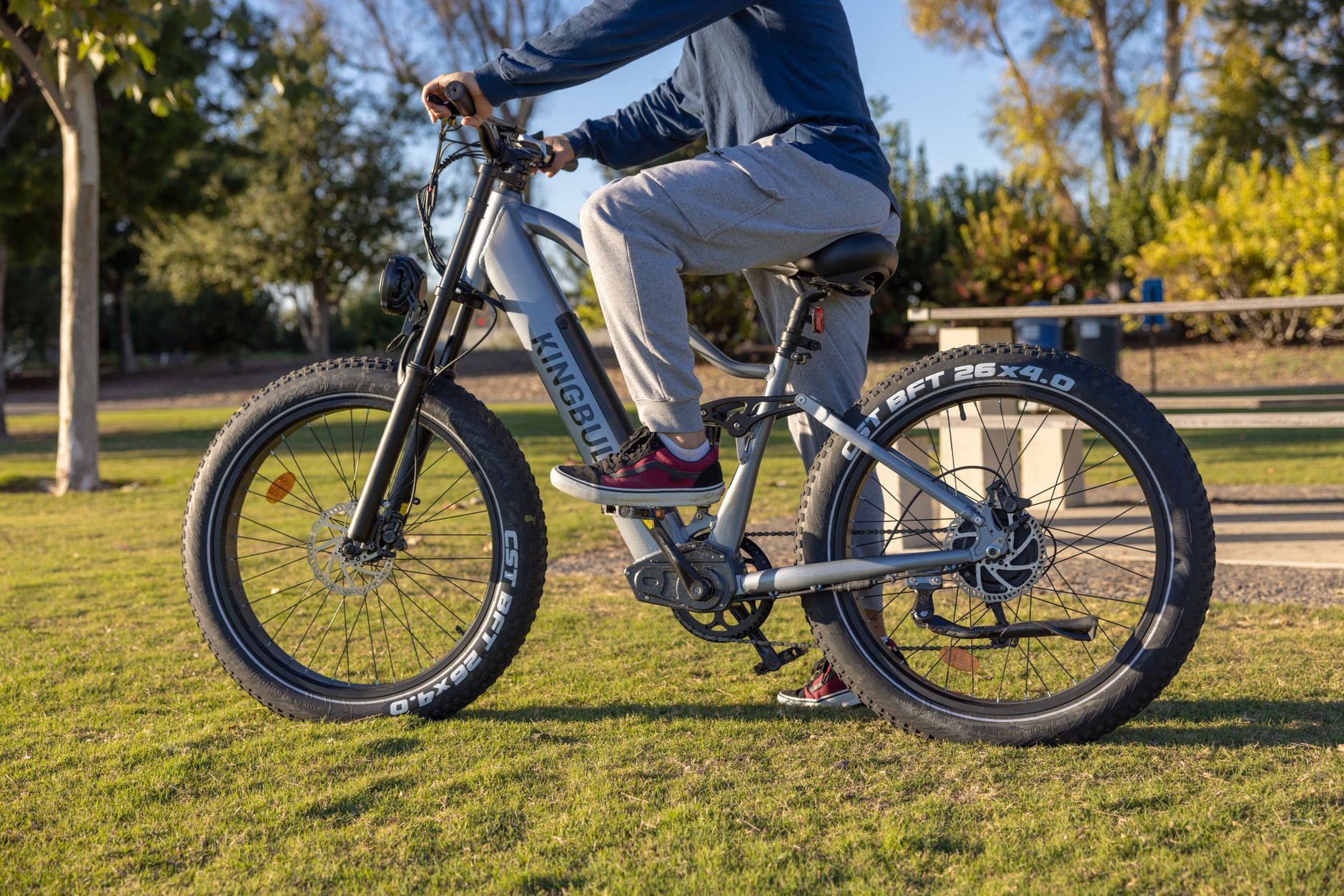
For riders requiring higher load ratings, the following specifications deserve close scrutiny. These are the factors that separate genuinely capable bikes from models that merely advertise a high weight rating without the engineering to back it up.
- Total System Weight Capacity (300 lbs+): This is the single most important figure. Bikes rated at 300 lbs or above are the practical minimum for many larger riders once you account for clothing, a backpack, or a rack-mounted bag. Some purpose-built models push this to 350–400 lbs.
- Frame Material and Construction: Reinforced aluminum alloy and chromoly steel are the two materials most commonly used in high-capacity frames. Aluminum offers a better weight-to-strength ratio; steel, particularly in thicker-gauge tubing, offers excellent fatigue resistance under sustained heavy loads. Weld quality and gusset placement at stress points (bottom bracket, head tube, rear dropout) are equally important and often visible in manufacturer detail photos.
- Wheel and Tire Quality: Double-walled or triple-walled alloy rims, higher spoke counts (36 spokes is common on heavy-duty builds versus 28 on lighter bikes), and wide tires — typically 4-inch fat tires or reinforced 2.4-inch tires — all contribute to load-bearing durability. Tire pressure management also becomes more critical at higher rider weights.
- Motor Power and Torque: A 750W motor is the practical baseline for heavy riders, particularly on hilly terrain. Mid-drive motors generally handle heavy loads better than hub motors because they leverage the bike’s gearing, reducing mechanical stress. High torque output — look for 80 Nm or more — is more useful in day-to-day riding than peak wattage figures alone.
- Battery Capacity and Real-World Range: Range drops noticeably with additional rider weight. A bike advertised at 50 miles of range at a 170 lb test weight may deliver considerably less for a 280 lb rider. Look for battery capacities of 48V/15Ah or higher as a starting point, and treat manufacturer range estimates as upper-bound figures rather than realistic expectations under load.
- Braking System: Hydraulic disc brakes are strongly preferred over mechanical disc brakes for heavy riders. The additional stopping force and better heat dissipation under sustained braking — particularly on descents — is a genuine safety consideration, not a luxury upgrade.
For deeper context on how these specs apply across different riding styles, see best electric bikes and our breakdown of e-bike motor types explained.
A Notable Model Worth Knowing: The Cadonus Ultra
Among models that have historically drawn consistent recommendation in the high-capacity segment, the Cadonus Ultra stands out in owner and reviewer discussions for its combination of a 300+ lb total system weight rating with a reinforced frame design. At a historical release price in the $1,800–$2,200 range, it positioned itself in the mid-tier of purpose-built heavy-rider bikes — meaningfully above entry-level options, but without the premium pricing of boutique custom builds.
The Cadonus Ultra’s appeal in owner communities has centered on its frame durability and the fact that its weight rating reflects actual engineering choices — reinforced tubing, a higher spoke count on the wheels, and component selection scaled to higher loads — rather than a number adjusted upward for marketing purposes. This is the kind of detail that separates credible high-capacity bikes from opportunistic ones.
Genuine tradeoff to note: Models in this category, including the Cadonus Ultra, tend to carry additional weight themselves as a result of their reinforced construction. A heavier bike is harder to transport, lift onto a car rack, or carry up stairs. Riders who need to regularly handle the bike off-road or in urban environments with no elevator access should factor this in. Reinforcement adds mass — that’s a physics tradeoff, not a flaw unique to any one brand.
What the Broader Market Looks Like
Beyond a single model, the high-capacity e-bike segment broadly spans a $1,500–$2,500 price range for bikes with credible 300+ lb ratings, based on historical market data. Below $1,500, weight ratings frequently reflect optimistic testing conditions rather than conservative real-world use. Above $2,500, buyers enter a tier with more premium components, but the fundamental engineering requirements don’t change — a $3,000 bike still needs the same spoke count and frame geometry to handle heavy loads safely.
Owner review consensus across this segment identifies a few recurring themes worth taking seriously. Positive feedback consistently highlights the importance of buying from manufacturers who publish detailed spec sheets rather than vague claims. Critical feedback most often targets range disappointment (real-world range under load versus advertised figures) and customer service responsiveness when warranty issues arise. These are useful filters when narrowing down a purchase.
It’s also worth noting that specific 2025 model launches, updated pricing, and any new regulatory changes affecting e-bike classifications in your state or region were not available in the verified research underlying this article. Before purchasing, check the manufacturer’s current website for up-to-date specifications and confirm your local e-bike classification rules, which affect where and how you can legally ride. See e-bike laws by state for a state-by-state overview.
The Bottom Line: An Evidence-Based Recommendation
For heavy riders prioritizing a well-documented weight capacity, durable construction, and a price point that doesn’t require a premium-tier budget, the Cadonus Ultra represents the clearest recommendation supported by available data — with the honest caveat that its reinforced build means a heavier overall bike that requires realistic expectations around portability and range under load.
More broadly, any e-bike purchase for a heavy rider should be grounded in three non-negotiable checkpoints: confirm the total system weight capacity in writing from the manufacturer, verify that the wheel and frame construction matches the rated capacity (not just the number on the spec sheet), and calculate expected real-world range at your actual riding weight rather than relying on advertised figures. Bikes that pass all three of those tests honestly are the ones worth buying.
Sources
- No external source URLs were available in the verified research for this article. Specifications and price ranges cited are drawn from historical industry data and established manufacturer context up to the knowledge cutoff date.
Disclosure: This article was produced with AI-assisted research and may contain affiliate links. VoltVentureLab may earn a commission on qualifying purchases at no additional cost to you.