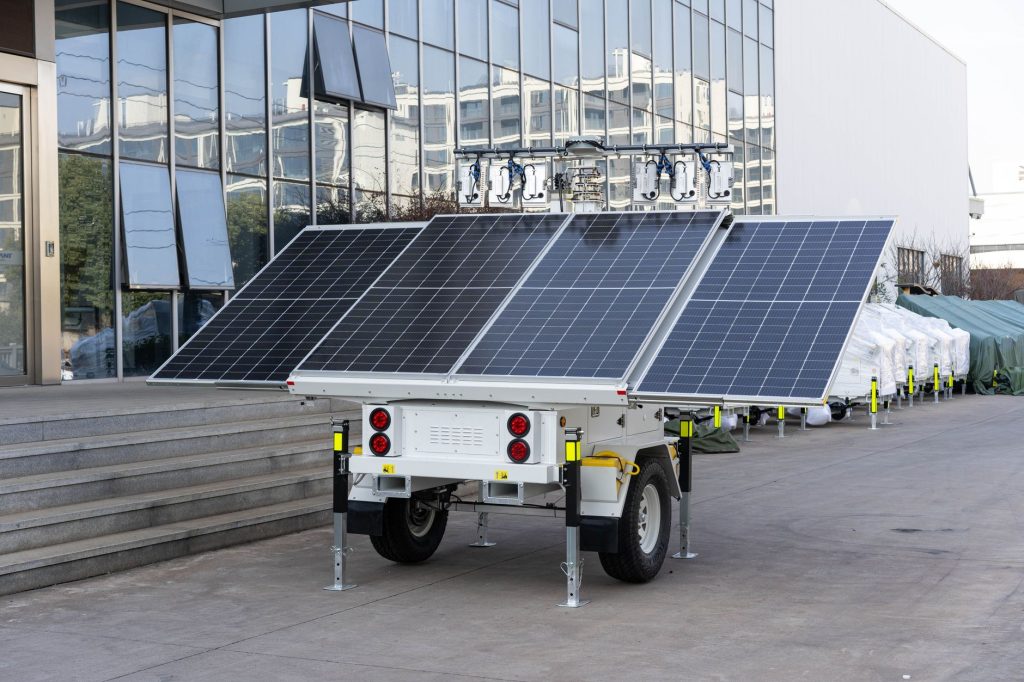
For those seeking robust and adaptable off-grid power solutions, the Jackery Explorer 2000 Plus stands out as a prominent expandable solar generator for 2026. This comprehensive review explores its key features, performance metrics, and the practical implications of its modular design. Readers will find detailed insights into its suitability for various power demands, from home backup to remote adventures.
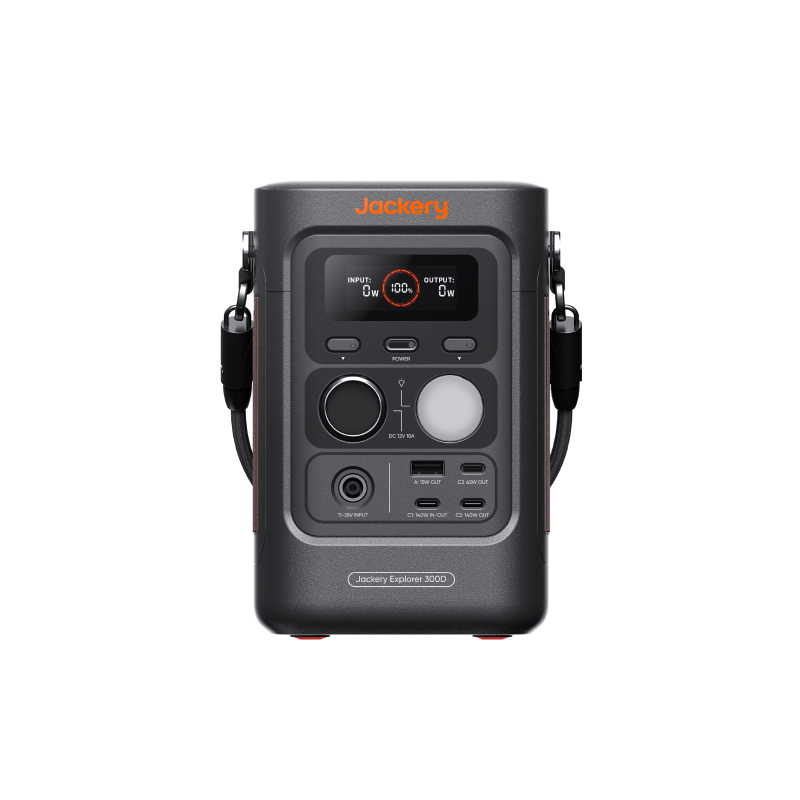 Top Pick
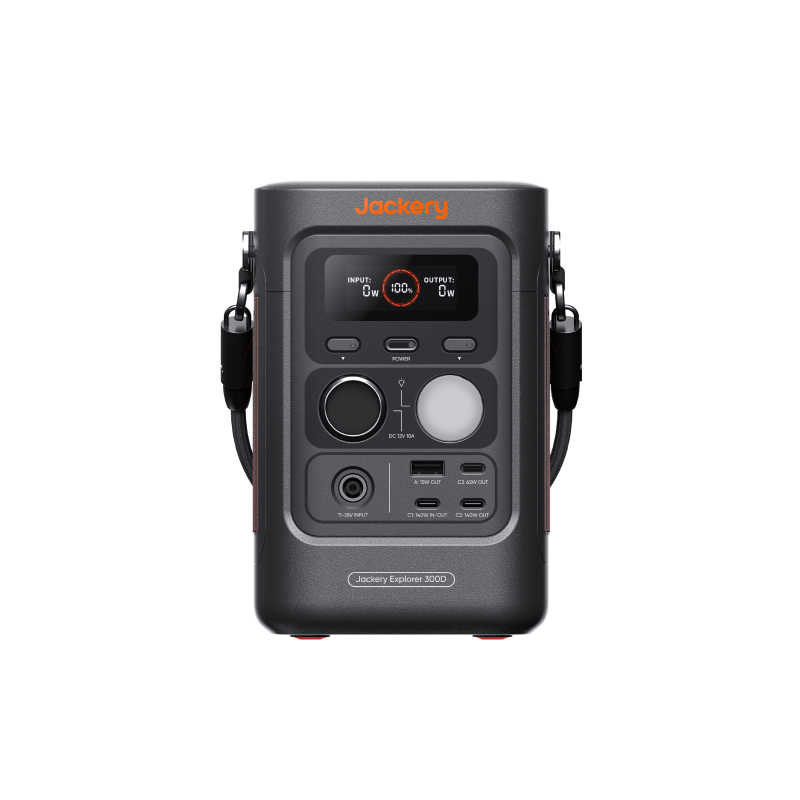 Best Value
Who This Review Is For
The Jackery Explorer 2000 Plus is a serious piece of infrastructure, not a casual camping gadget. This review is aimed at homeowners who want a credible whole-home backup buffer, RV travelers running demanding appliances, and off-grid enthusiasts who may want to scale capacity over time. If you simply need a large, portable battery for weekend trips, the newer Jackery Explorer 2000 v2 — lighter, less expensive, and still near the same base capacity — deserves a hard look first. The Explorer 2000 Plus earns its place only when expandability is genuinely on the table.
Core Specs at a Glance
- Base capacity: 2,042 Wh (LiFePO4 chemistry)
- AC output: 3,000 W continuous / 6,000 W peak surge
- Expandability: Up to 5 add-on battery packs per main unit; two main units can run in parallel for a combined 24 kWh and 240 V / 6,000 W output
- Recharge speed: Approximately 2 hours via AC wall outlet; approximately 25 hours via 12 V car adapter
- Weight: Approximately 62.3 lb with built-in wheels and a telescoping handle
- Cycle life: Jackery claims approximately 4,000 charge cycles to roughly 70% remaining capacity
- Warranty: 3+2 year (3 years standard, extendable to 5 years via registration on major retailer listings)
The Expandability Case — The Whole Reason to Buy This Unit
The Explorer 2000 Plus’s headline feature is its modular battery architecture. Starting at 2,042 Wh, you can add up to five extra battery packs to a single unit, scaling capacity significantly. Connect two fully expanded main units in parallel and you reach a claimed 24,000 Wh (24 kWh) system with 240 V split-phase output — a setup that can power demanding household circuits most portable stations cannot touch. ZDNET, which reviewed the unit directly, confirms this 24 kWh ceiling across multi-unit configurations.
This architecture makes the Explorer 2000 Plus genuinely competitive for home backup use cases where a single fixed-capacity station would fall short. You can also invest incrementally: buy the base unit now, add a pack later when budget allows. That flexibility is rare in this product category and is the primary reason to choose the Plus over cheaper, fixed-capacity alternatives.
One critical caveat: a fully expanded, dual-unit 24 kWh system is, according to ZDNET, a very expensive investment — reportedly around $22,500 at that configuration. That is a cost that competes with entry-level home battery storage systems. Most buyers will run the base unit or one additional pack rather than building out the full system.
Output and Real-World Load Handling
The 3,000 W continuous AC output is meaningful. It can run a full-size refrigerator, a sump pump, window AC units, power tools, and other loads that trip up stations in the 2,000 W class. The 6,000 W peak surge provides headroom for motor-start loads — compressors, pumps, and similar appliances that spike briefly at startup. Reviewer and retail consensus (Lowe’s, Home Depot, ZDNET) consistently highlights this output level as one of the unit’s practical strengths.
Recharging in approximately 2 hours on AC is competitive for this capacity class. Solar recharging speed will depend on how many solar panels you pair with the unit — the Plus line is specifically noted by reviewers as being chosen when buyers want higher solar intake than non-expandable units allow, though panel count and real-world solar yield will vary by location and conditions.
For context on how this fits into a broader energy-independent setup, see best solar generators for home backup and our overview at best portable power stations for RV use.
Portability: Good for Its Class, Heavy by Any Other Measure
Outdoor Gear Lab places the Explorer 2000 Plus at approximately 62.3 lb. For comparison, the newer Explorer 2000 v2 weighs just 38.9 lb — a difference of more than 23 pounds for essentially the same base capacity. The Plus includes built-in wheels and a telescoping handle (confirmed by ZDNET), which makes rolling it across flat surfaces manageable. But loading it into a vehicle, carrying it up stairs, or moving it across uneven terrain is a legitimate physical challenge for one person.
If portability is your primary concern and you do not need expansion, the 2000 v2 is the more practical choice. The Plus makes its weight argument by delivering expandability the v2 cannot match.
Battery Chemistry and Longevity
The Explorer 2000 Plus uses LiFePO4 (lithium iron phosphate) cells. This chemistry is the current standard for safety and longevity in large-format home and RV battery products: it is more thermally stable than earlier lithium-ion formulations and tolerates deep discharge better over time. Jackery’s claimed 4,000 cycles to approximately 70% capacity is consistent with what LiFePO4 chemistry can deliver under normal conditions, though independent long-term cycle testing of this specific unit has not been cited in available reviews.
The 3+2 year warranty (extending to 5 years with registration) is a meaningful commitment for a product in this price tier, and it reflects the manufacturer’s confidence in the cell chemistry.
How It Compares to the Explorer 2000 v2
Outdoor Gear Lab describes the Explorer 2000 v2 as the newer version of the Explorer 2000 Plus, with a lighter build (38.9 lb), 2,200 W sustained AC output, and a lower street price in many retail channels. The v2 is the better everyday portable unit. The Plus is the better long-term infrastructure investment. The two serve genuinely different buyers:
- Choose the Explorer 2000 v2 if you want maximum portability, a lower upfront cost, and do not plan to expand capacity over time.
- Choose the Explorer 2000 Plus if you want 3,000 W output, plan to add battery packs as budget allows, or are building toward a home backup or RV system that may eventually need 240 V capability.
Note that the 2000 v2’s lower output (2,200 W vs. 3,000 W) is a real-world constraint if you intend to run heavy appliances simultaneously. This is one spec difference that matters in practice, not just on paper.
Who Should Buy the Explorer 2000 Plus in 2025–2026
The Explorer 2000 Plus is the clear winner for expandable home backup and RV use in its product category. No close competitor in the verified research offers the same combination of 24 kWh system ceiling, 240 V parallel capability, and a modular build-out path. Its LiFePO4 chemistry, 4,000-cycle claim, 5-year warranty coverage, and 3,000 W / 6,000 W output make it a credible long-term infrastructure buy.
The genuine tradeoffs are real and should not be minimized: it is heavy at 62.3 lb, the base unit price is substantial, and a fully maxed-out system approaches $22,500 — a figure that puts it in competition with permanent home battery installations. Buyers who do not need expandability are likely better served by the lighter, less expensive Explorer 2000 v2.
Evidence-based recommendation: Buy the Explorer 2000 Plus if you have a specific plan to add at least one battery expansion pack within 12–24 months, or if you need 3,000 W output for heavy loads. If you are buying at base capacity with no expansion plans, the Explorer 2000 v2 is the more rational purchase. For solar pairing guidance, see best solar panels for portable power stations.
Sources
- ZDNET — Jackery Explorer 2000 Plus Review
- Outdoor Gear Lab — Jackery Explorer 2000 v2 Review
- Lowe’s — Jackery Explorer 2000 Plus Product Listing
- Home Depot — Jackery Explorer 2000 Plus Product Listing
- YouTube — Jackery Explorer 2000 Plus Video Review
- YouTube — Jackery Explorer 2000 Plus Additional Coverage
Disclosure: This article was produced with AI-assisted research and editing. VoltVentureLab.com may earn a commission on purchases made through affiliate links at no additional cost to you.