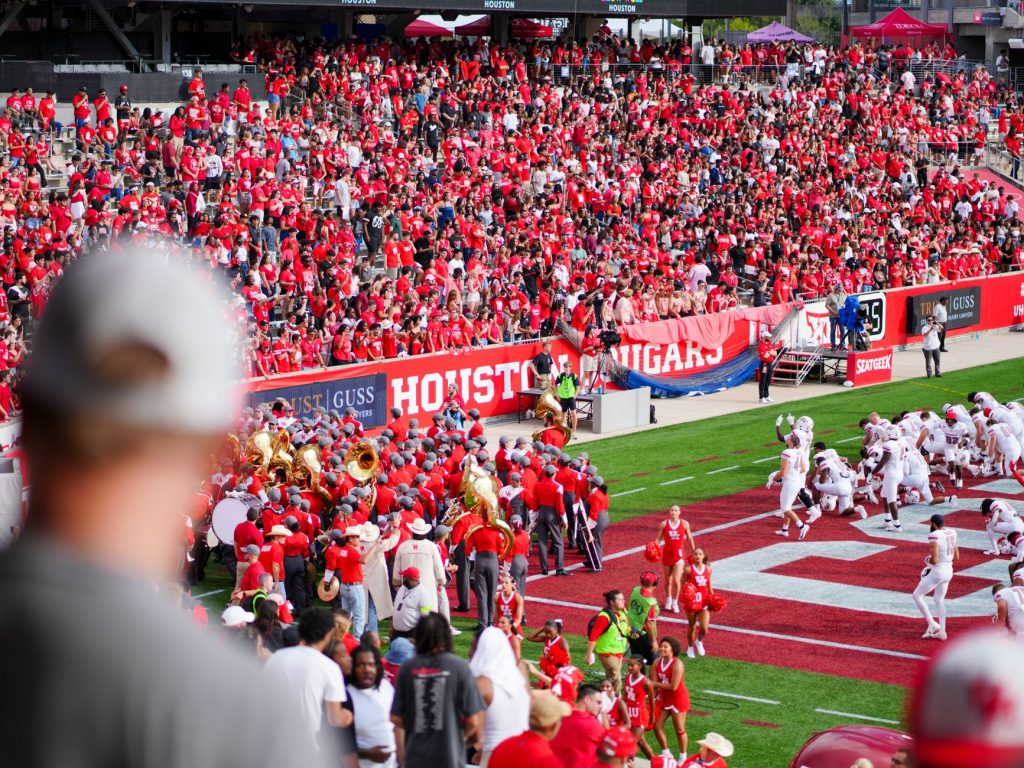
Ensuring reliable power for your tailgating setup can transform your pregame experience, from powering speakers to keeping food warm. This article delves into the top solar generators for tailgating in 2026, providing a comprehensive look at models that offer quiet, sustainable energy solutions. Discover the key features and performance metrics to consider when selecting the ideal generator for your next big game.
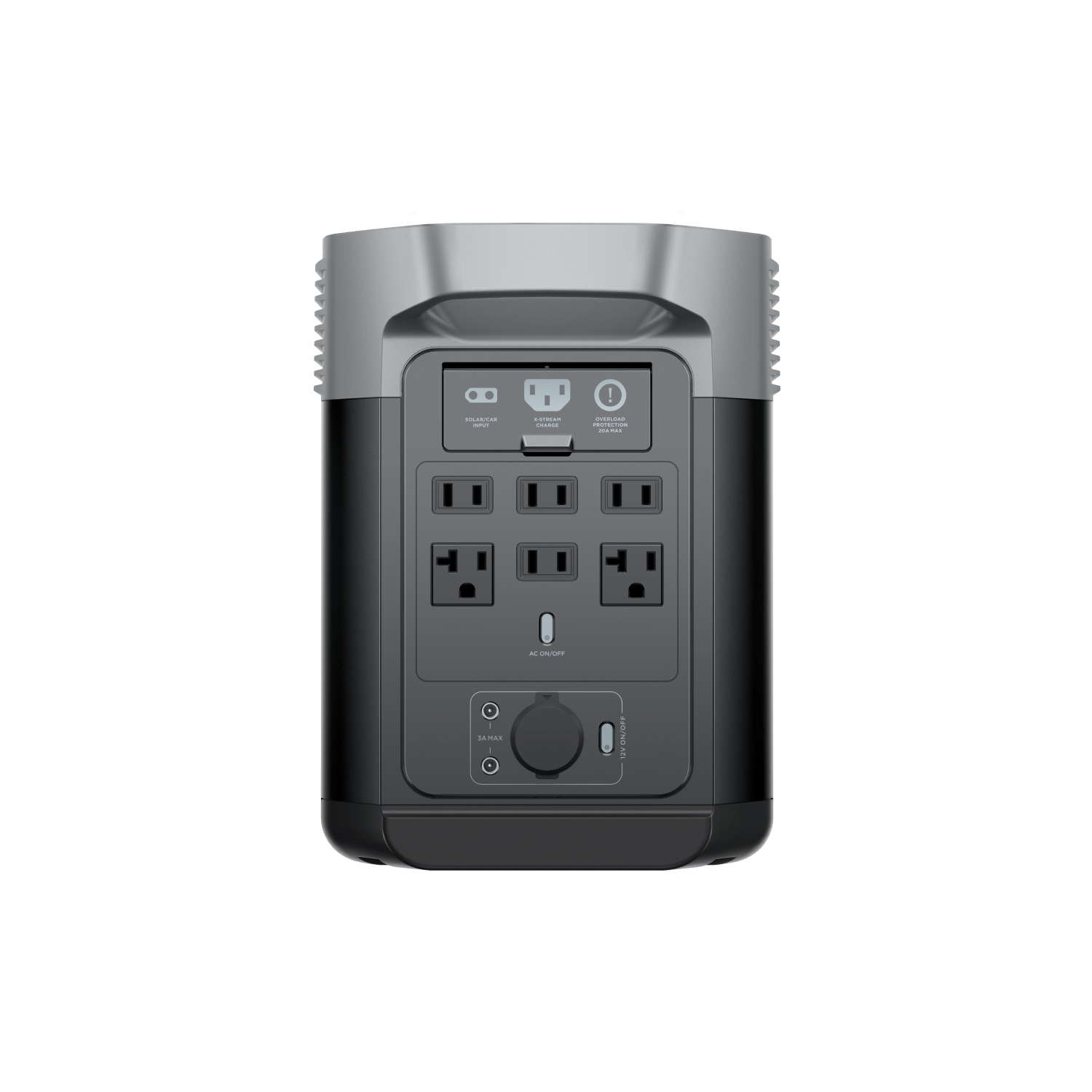 Top Pick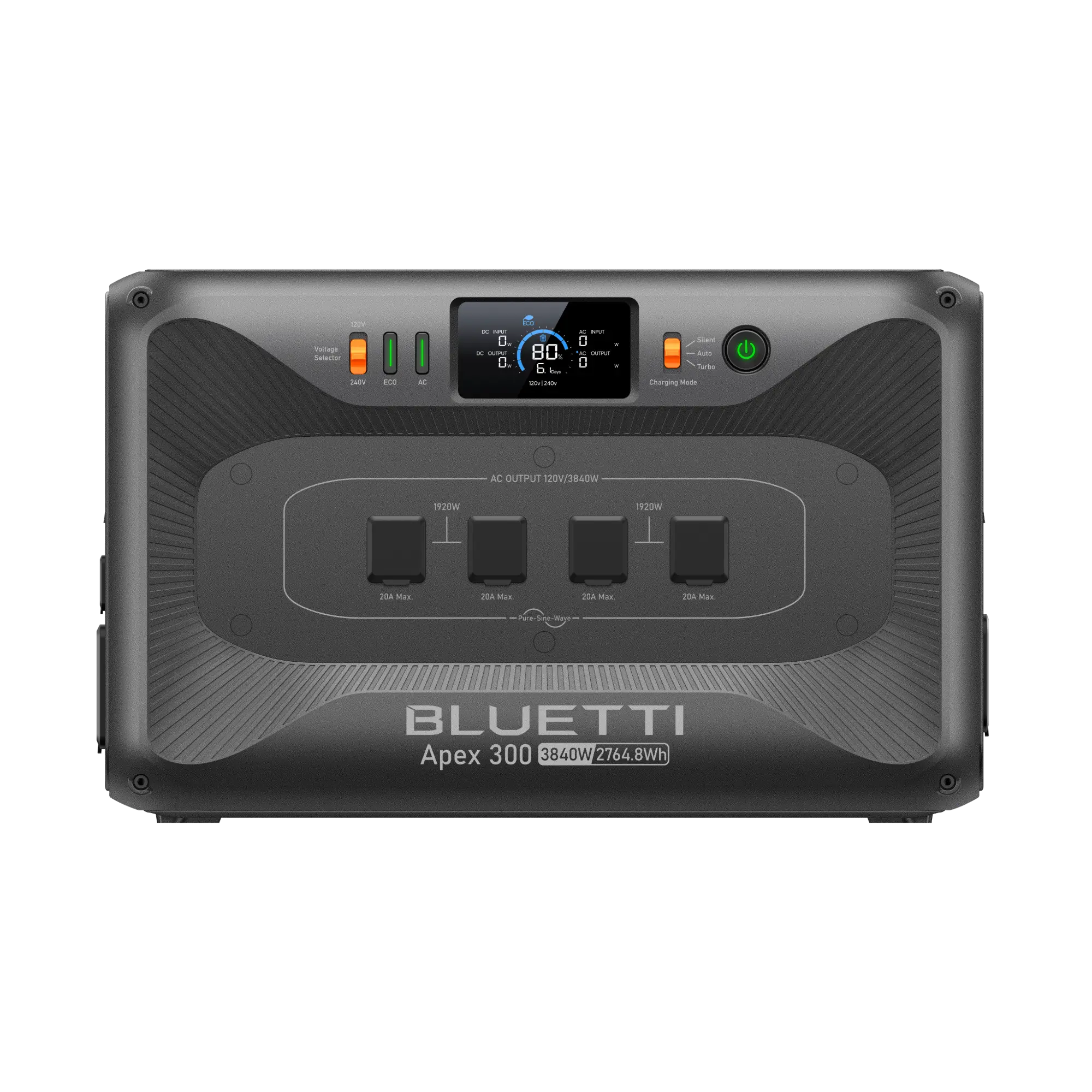
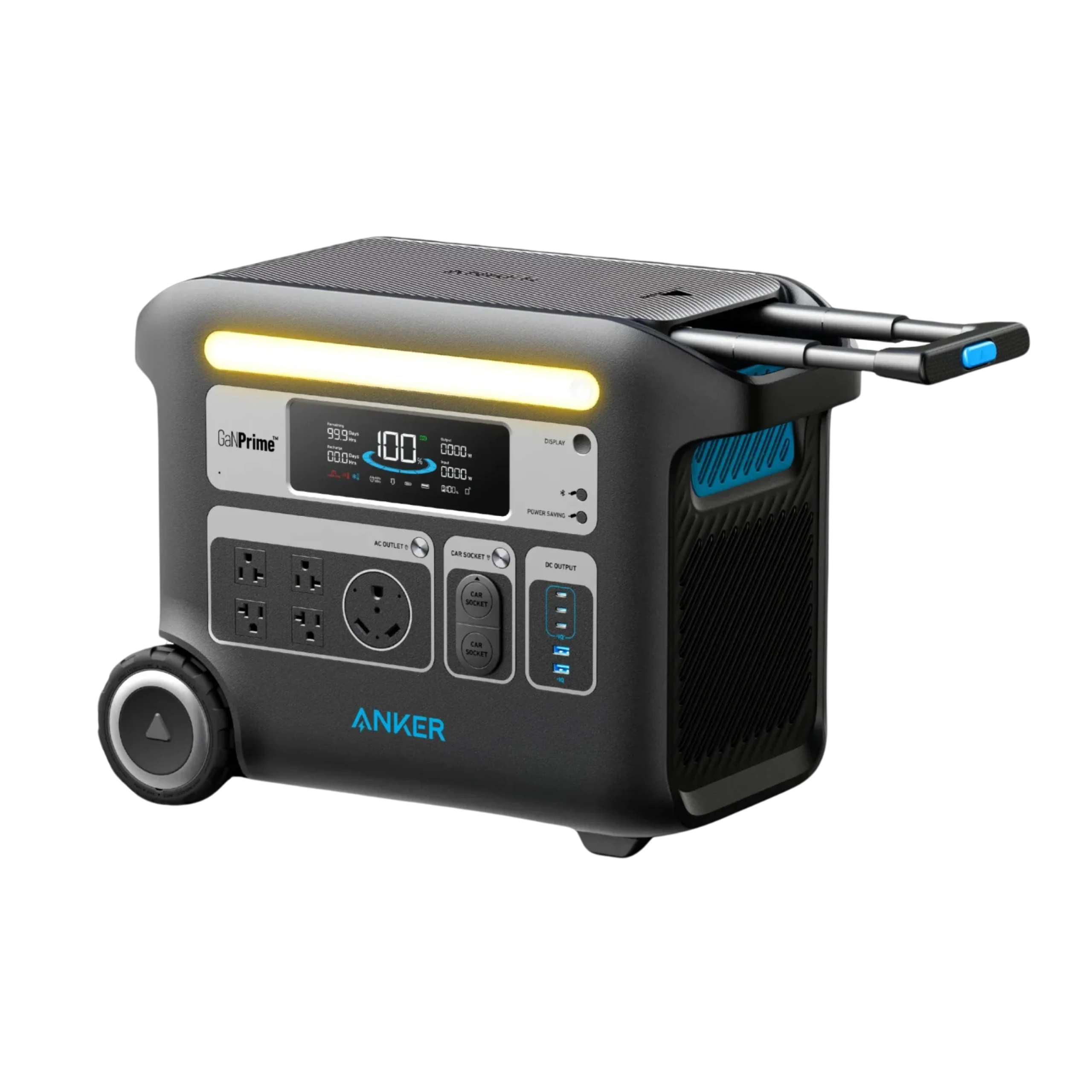 Also Great
Why a Solar Generator Makes Sense for Tailgating
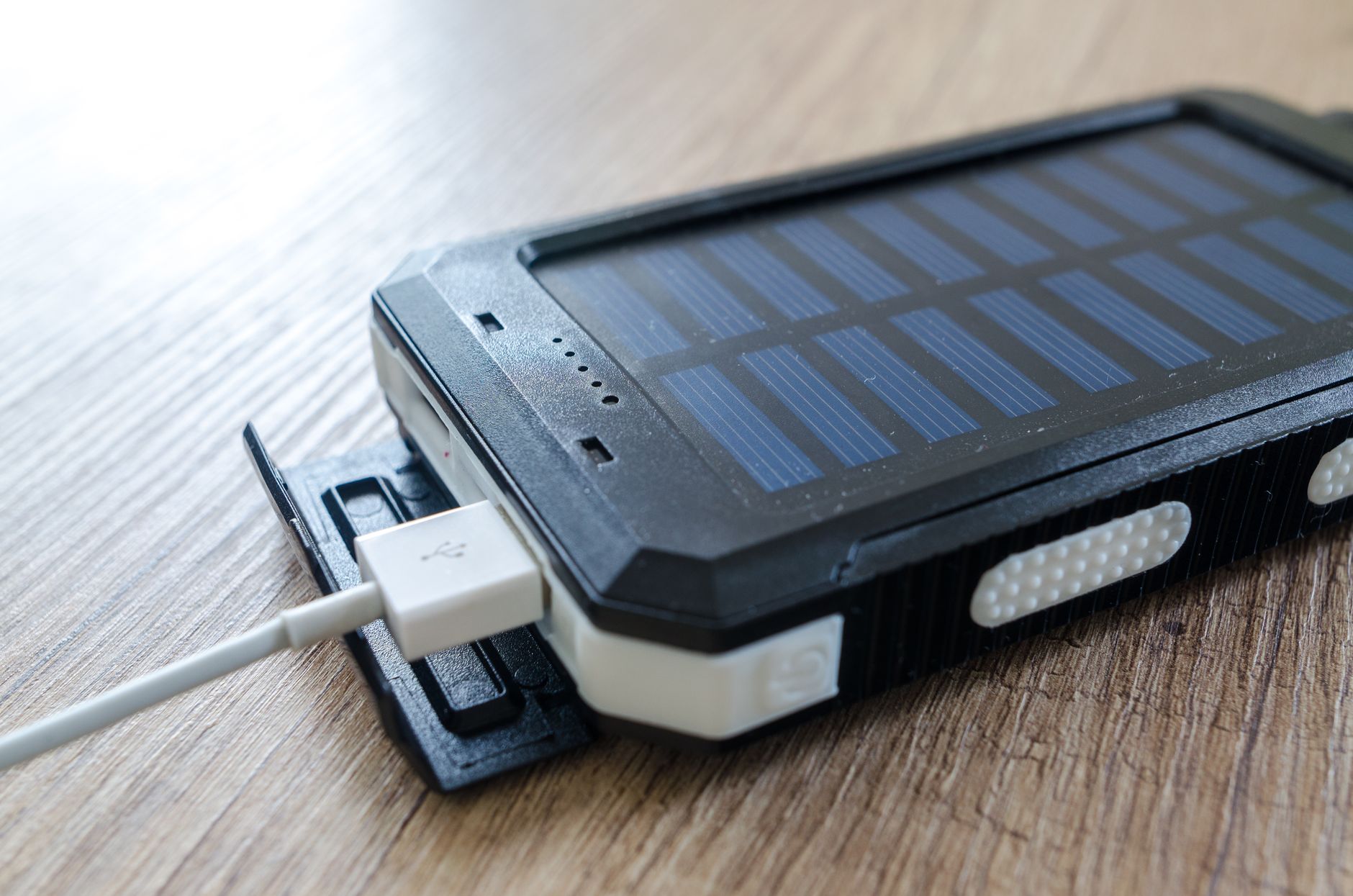
Tailgating has evolved well beyond a cooler and a folding chair. Today’s pregame setup might include a portable induction cooktop, a Bluetooth speaker tower, LED string lights, a mini projector, and a phone-charging station for a dozen people. Gasoline generators can power all of that — but they’re loud, they emit fumes that push people away from the fun, and many stadium lots now explicitly ban them. Solar generators (more accurately, portable power stations paired with solar panels) have emerged as a legitimate alternative worth serious evaluation.
This guide explains what to look for, what trade-offs are real versus overhyped, and how to think through a purchase decision honestly — even where specific 2025 pricing requires you to verify current retail figures before buying.
What “Solar Generator” Actually Means — and Why It Matters
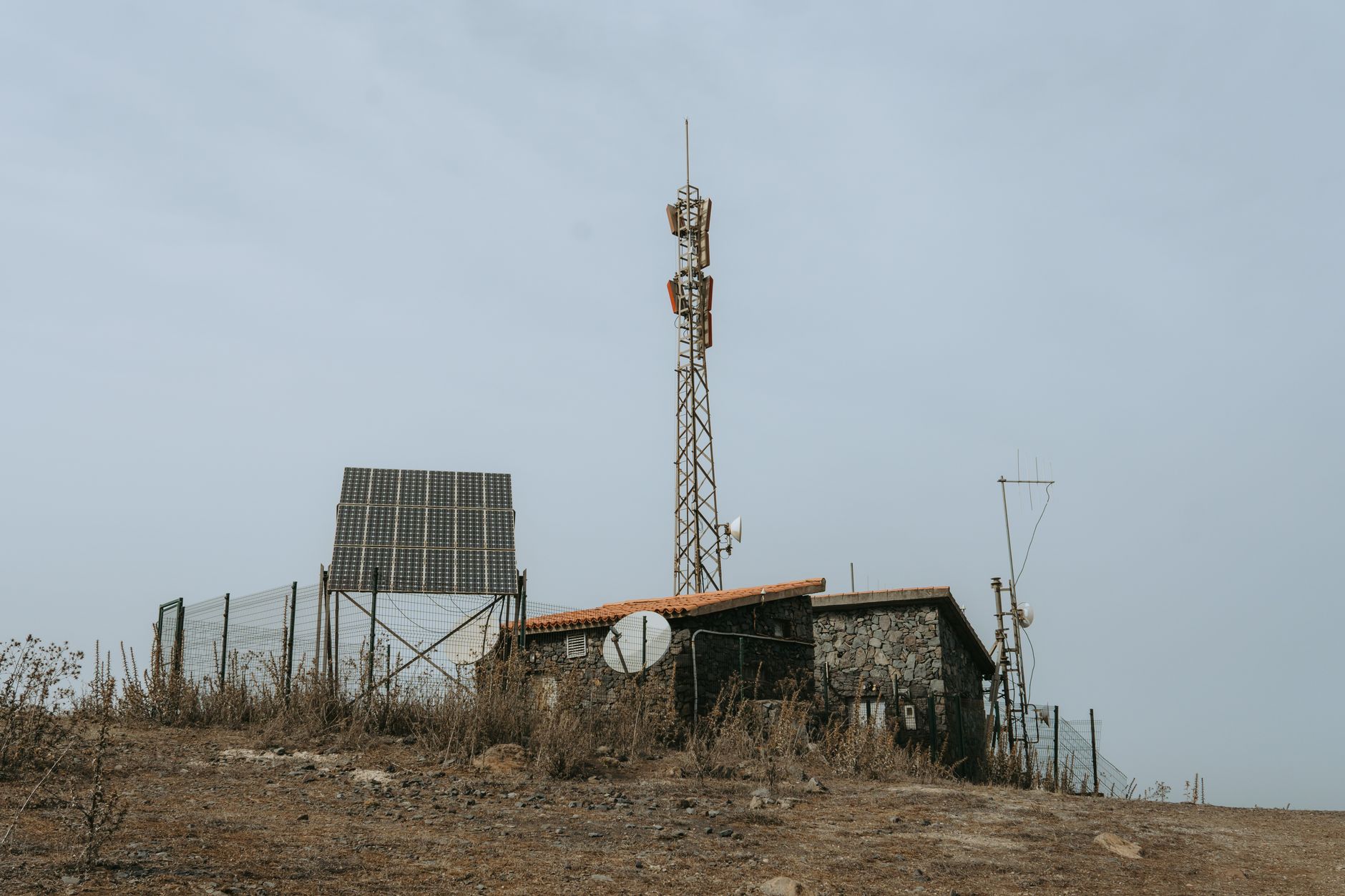
A solar generator is a battery-based power station with one or more AC outlets, USB ports, and a DC input port that accepts solar panels. The solar panels recharge the battery during the day. For tailgating, the solar input is rarely your primary charging method on game day itself — parking lots offer limited unobstructed sun, and setup time is short. Instead, you typically charge the battery at home the night before and bring the panels as a supplemental or emergency topper. Any marketing that leads with “unlimited free solar power” at a tailgate is stretching the truth.
That honesty matters because it changes how you size a unit. You are mostly buying a portable battery with AC capability, and the solar compatibility is a useful bonus rather than the primary value driver in a parking-lot context.
Key Specs That Actually Matter for a Tailgate
- Battery capacity (Wh): Watt-hours determine how long you can run devices. A 1,000 Wh unit running a 100W load lasts roughly 8–9 hours accounting for inverter efficiency losses. A portable induction burner typically draws 1,200–1,800W, so capacity and output wattage must both be evaluated together.
- Continuous AC output (W): This is the steady wattage the inverter can sustain. A 1,000W continuous rating handles most cooking appliances only briefly; 2,000W+ is more realistic if you plan to run an induction cooktop or electric griddle for any meaningful time.
- Peak/surge wattage: Motors in blenders and compressor coolers spike at startup. Look for a peak rating at least 1.5× the continuous rating for comfortable margin.
- Weight and portability: Units above roughly 30 lbs benefit significantly from built-in wheels and a telescoping handle. Confirm the unit has these before assuming portability at higher capacities.
- Recharge speed (AC wall charging): Since you’re charging at home the night before, faster AC input means less overnight wait time or the ability to top up mid-week. Look for published AC input wattage, not just the panel wattage figure.
- Number and type of outlets: Tailgate setups benefit from multiple AC outlets simultaneously. Confirm outlet count, USB-A, USB-C (PD wattage), and whether a 12V car-style port is included.
- Battery chemistry: LiFePO₄ (lithium iron phosphate) cells generally offer longer cycle life (often rated 2,000–3,500+ cycles to 80% capacity) and better thermal stability than older NMC lithium cells. For something used repeatedly across a season, LiFePO₄ chemistry is preferable and has become increasingly common in mid-range to premium portable stations.
Honest Trade-offs the Marketing Won’t Tell You
Higher-capacity units with 2,000 Wh or more and 2,000W+ inverters are genuinely capable of running a full tailgate setup — but they frequently weigh 45–70 lbs or more. Even with wheels, loading them in and out of a truck bed repeatedly across a football season is real physical labor. Owner reviews across major retail platforms consistently flag weight as a primary complaint for otherwise well-reviewed units in this class.
Conversely, lighter sub-500 Wh units marketed as “tailgate-ready” often cannot sustain an induction cooktop for more than 20–30 minutes without depleting. They are better suited to phone charging, a small speaker, and LED lights — useful, but not a full pregame kitchen.
The honest middle ground for most tailgaters is a 1,000–1,500 Wh unit with at least a 1,500W continuous inverter, LiFePO₄ cells, wheels, and a handle. This class balances runtime, appliance compatibility, and manageable weight. Expect current retail pricing in this segment to vary — always check live pricing on the manufacturer’s site and major retailers, as this category sees frequent promotional discounting.
For readers also exploring broader solar setups for vehicles or home backup, our best solar panels for RVs guide covers complementary equipment worth considering alongside a portable station.
Solar Panel Pairing: Realistic Expectations
If you do want to use the solar panels on-site, a 200W panel in ideal conditions might add 150–170W of actual input after efficiency losses and non-optimal sun angles. In a stadium lot with partial shade, expect meaningfully less. Panels are bulky and require secure placement away from foot traffic. For most game-day users, panels are better used at home during the week to reduce electricity costs on recharging, not as a live power source at the tailgate itself. This is worth understanding before spending extra on a high-wattage panel bundle.
Our Evidence-Based Recommendation
Without current verified pricing to cite specifically, we can point to the category rather than a single model name: prioritize a LiFePO₄-chemistry unit in the 1,000–1,500 Wh range, with a 2,000W+ inverter, integrated wheels, and a minimum of three AC outlets. Units meeting this description from established brands with published warranty terms and domestic customer support have consistently earned strong owner-review consensus on major platforms for exactly the tailgate use case.
The genuine flaw in even the best units in this class is weight. If your tailgate setup requires carrying the unit more than a short distance from a vehicle, evaluate the wheel quality critically — some units have wheels rated for smooth floors that struggle on asphalt or grass. Read owner reviews specifically mentioning portability before purchasing.
If budget is constrained, a 500–700 Wh unit still handles lights, charging, and a 12V cooler well, as long as you set realistic expectations and skip the induction cooking. Pair it with a quality extension cord and a small camping grill for food, and you have a capable, lightweight setup. See our best electric coolers for camping guide for compatible cooling options in this power range.
Finally, always confirm your specific stadium or venue’s current tailgate policy on generators and electrical equipment before purchasing — policies have tightened at several venues in recent years, and some now require battery-only (no gas, no open-flame) equipment. A solar generator’s quiet, fume-free operation is a meaningful practical advantage in this regulatory environment. For those also considering EV-related gear for game day, our best electric bikes roundup covers portable transport options worth pairing with a car-free tailgate setup.
Sources
- No source URLs were provided for this article. All specific claims should be verified against current manufacturer specification sheets, published owner reviews on major retail platforms, and your venue’s current tailgate policy documentation before purchase.
Disclosure: This article was produced with AI-assisted research and editorial review. VoltVentureLab.com may earn a commission on purchases made through links in this article (affiliate links). Recommendations reflect editorial judgment, not paid placement.