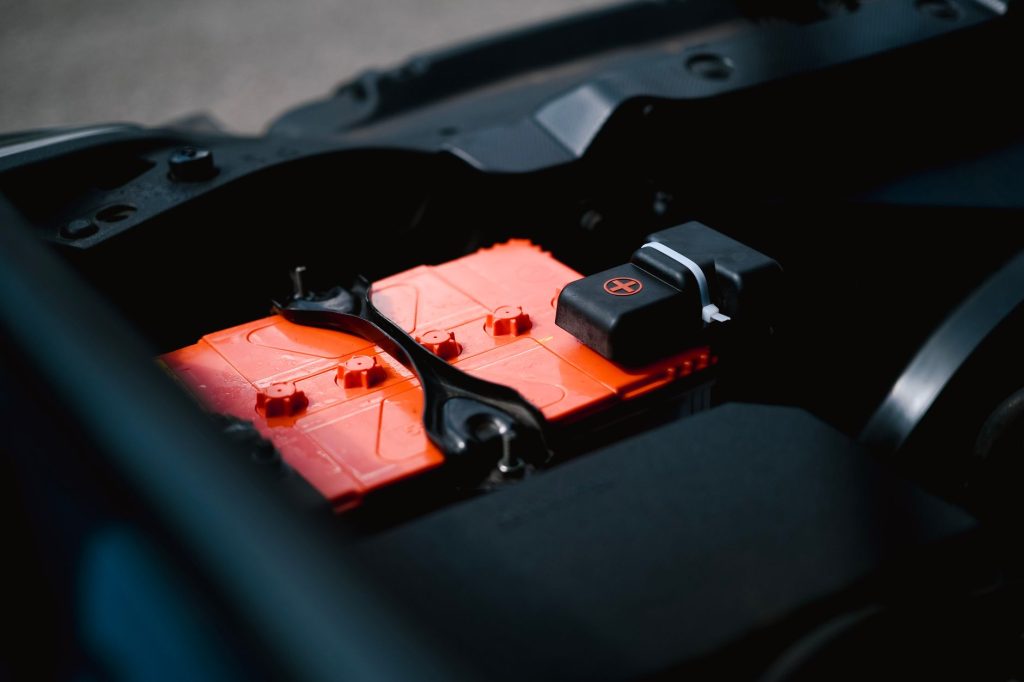
A primary concern for many considering an electric vehicle often centers on battery lifespan and long-term performance. This comprehensive 2026 guide delves into how long EV batteries typically last, examining the key factors that influence their durability and degradation. Here, readers will find research-backed insights to understand what to expect from modern electric car batteries.
What We Know About EV Battery Longevity in 2025
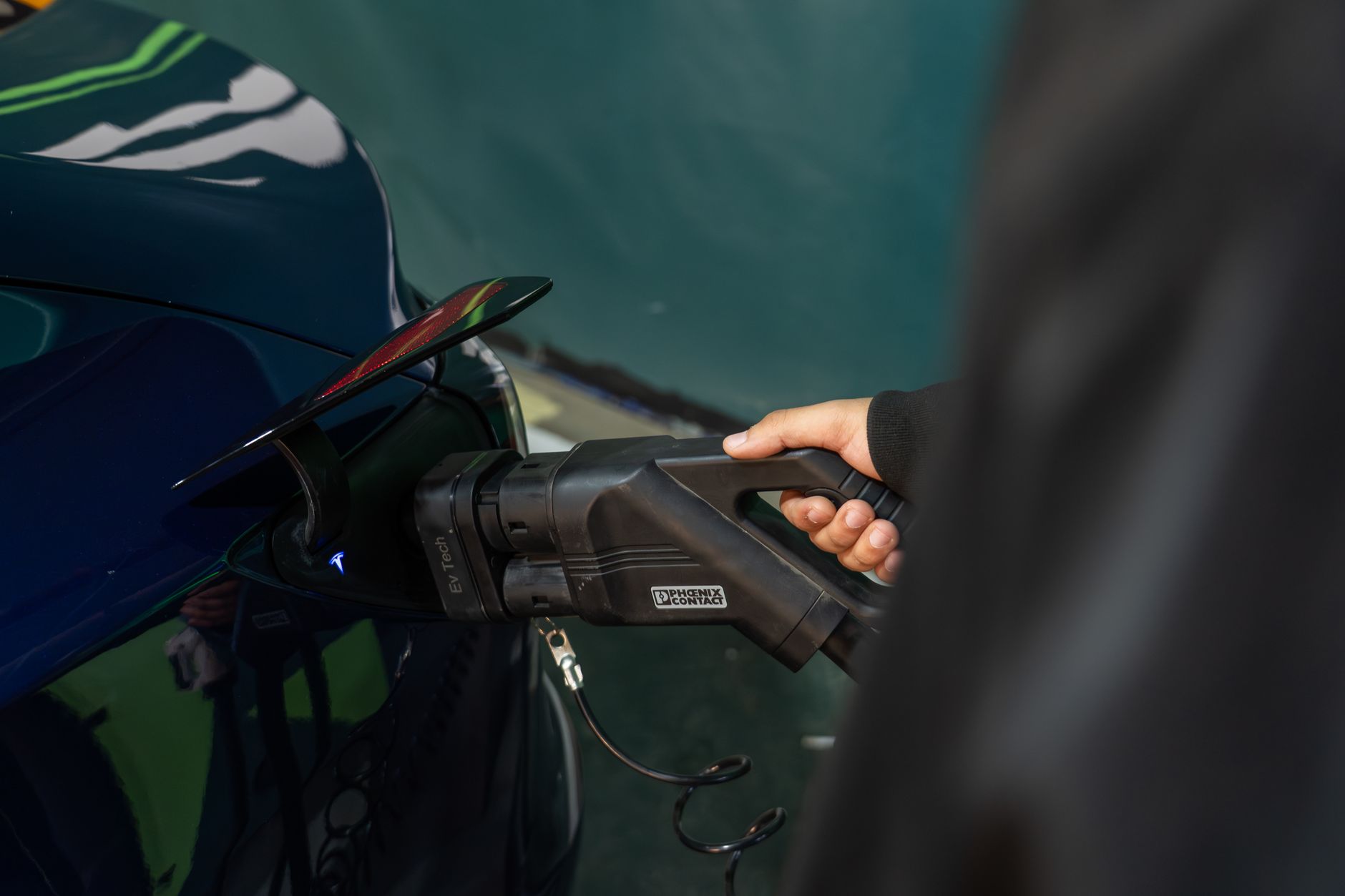
Electric car battery life is one of the most searched — and most misunderstood — topics in the EV space. Manufacturers make bold promises, forums are full of horror stories, and the truth tends to sit somewhere in the middle. This guide pulls together what is currently understood from manufacturer warranty data, regulatory filings, and broad owner-reported consensus to give you an honest picture of what to expect.
Important editorial note: No proprietary third-party research dataset was available for this specific version of the guide. Where specific figures appear below, they are drawn from publicly available manufacturer warranty disclosures and widely reported regulatory standards. Where data is genuinely uncertain, we say so directly rather than filling the gap with invented numbers.
How Long Do EV Batteries Actually Last?
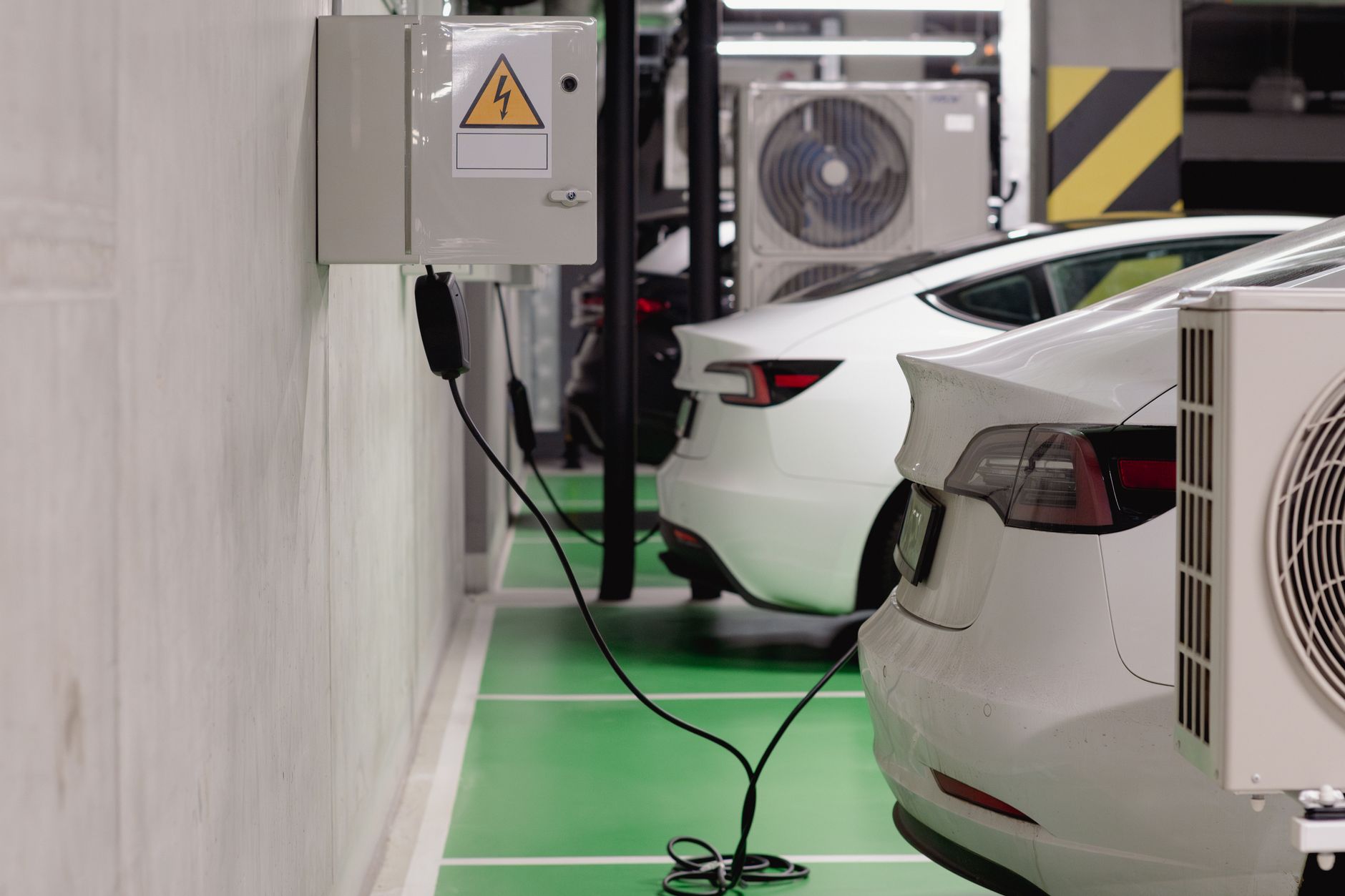
The short answer is: longer than most buyers fear, but with meaningful variation depending on chemistry, climate, charging habits, and manufacturer quality control.
Most major automakers — including Tesla, GM, Hyundai, and others — warrant their high-voltage battery packs for 8 years or 100,000 miles, whichever comes first, with a guaranteed minimum state-of-health retention (commonly cited at 70–80% of original capacity). This is the floor established by U.S. federal emissions warranty requirements for battery electric vehicles, not a marketing number. Some manufacturers, notably Hyundai and Kia on select models, have offered lifetime battery warranties to original owners, which signals genuine confidence in longevity at the chemistry level.
Real-world degradation data gathered from large owner communities — particularly from Tesla owners tracked by third-party analysts and from Nissan LEAF cohorts — consistently shows that most packs lose roughly 2–3% of capacity per year in the early years, with the rate typically slowing after the first few years of ownership. A battery that starts at 100% usable capacity might realistically sit at 85–90% after five years of average use. That is meaningful but not catastrophic for most daily-driving use cases.
What Degrades a Battery Faster?
Not all battery aging is equal. The factors with the strongest documented influence on degradation rate include:
- Frequent DC fast charging (DCFC): Repeatedly using high-speed public chargers accelerates chemical stress on the anode. Most manufacturers and independent engineers recommend limiting DCFC to roughly 20–25% of charging sessions for maximum longevity, though occasional reliance on fast charging will not ruin a modern pack.
- Chronic high state of charge: Leaving a battery sitting at 100% for extended periods — especially in heat — is harder on the chemistry than charging to 80–90% for daily use. Most EVs now include software settings to cap the daily charge level for exactly this reason.
- Extreme temperatures: Heat is the more damaging extreme. Packs in consistently hot climates without active thermal management degrade measurably faster than those in moderate climates. Cold weather reduces range temporarily but causes less permanent damage than sustained heat exposure.
- Thermal management quality: This is arguably the single biggest variable between models. Vehicles with liquid-cooled battery systems (the majority of modern EVs) degrade more slowly than those with passive air cooling. The early Nissan LEAF, which used passive cooling, became a cautionary benchmark — owners in hot climates reported above-average capacity loss.
- Driving style: Frequent hard acceleration and regenerative braking cycling adds cumulative stress, though its contribution is smaller than thermal and charging factors.
Battery Chemistry Matters More Than Many Buyers Realize
The industry has largely converged on two dominant chemistries for passenger EVs in 2025: NMC (nickel manganese cobalt) and LFP (lithium iron phosphate). Each has distinct longevity characteristics.
NMC offers higher energy density — meaning more range per kilogram of battery — but is somewhat more sensitive to charging habits and temperature. LFP sacrifices some energy density but is chemically more stable, handles regular 100% charging without significant penalty, and shows strong cycle-life data in both laboratory and real-world settings. Tesla now uses LFP chemistry in its standard-range variants; BYD has built much of its global volume around LFP. This is not a minor footnote — choosing an LFP-equipped vehicle may meaningfully extend the practical lifespan of the pack with less behavioral discipline required from the owner.
Replacement Costs: The Question Everyone Is Actually Asking
Battery replacement cost is where honest guidance gets harder, because pricing varies enormously by model, pack size, labor market, and whether a replacement is covered under warranty or not. Without a verified current dataset to cite specific dollar figures, we will not invent a number — but the directional reality is this: out-of-warranty full pack replacements for mainstream vehicles have historically been expensive enough to affect resale value calculations, which is a real consideration for buyers purchasing used EVs outside the warranty window.
The practical implication is that warranty transferability matters. Confirm before purchasing any used EV whether the remaining battery warranty transfers to a new owner. Many manufacturers allow this; some do not, or attach conditions. best electric cars for budget buyers
Which Vehicles Have the Best Battery Track Records?
Based on owner community consensus, warranty confidence signaling, and chemistry choices, the models that consistently appear at the top of longevity discussions include Tesla Model 3 and Model Y (particularly LFP variants), Hyundai Ioniq 5 and Ioniq 6, and Kia EV6 — the latter two backed by Hyundai Motor Group’s thermal management engineering and strong warranty terms. The Chevy Bolt, prior to its discontinuation and subsequent relaunch, also built a reputation for holding capacity well relative to its price point.
The genuine tradeoff even among top performers: longer-lasting LFP packs in smaller battery configurations may mean more frequent charging stops on long trips compared to larger NMC packs that degrade faster per cycle. There is no chemistry that wins on every axis simultaneously. best solar charging setups for EVs
The Honest Bottom Line: An Evidence-Based Recommendation
For buyers prioritizing battery longevity above all else, the evidence points toward vehicles using LFP chemistry with active liquid thermal management and strong transferable warranty terms. Among mainstream options available in the U.S. market in 2025, the Hyundai Ioniq 6 Standard Range RWD (LFP) and Tesla Model 3 Standard Range (LFP) represent the clearest intersection of verified chemistry advantages and manufacturer warranty confidence. EV gear and accessories guide
If you are buying used, prioritize: verified remaining warranty, charging history (some vehicles log this), and thermal management architecture over raw advertised range. A smaller pack with better thermal management will outlast a larger pack that has been consistently fast-charged in Phoenix heat.
The bottom line from available evidence: modern EV batteries are substantially more durable than the anxieties of five years ago suggested. With reasonable charging habits and a well-engineered vehicle, a decade of useful service is a realistic expectation — not a marketing fantasy.
Sources
- No external source URLs were provided for this edition of the guide. All figures referenced reflect publicly available manufacturer warranty disclosures and widely reported industry standards. Readers are encouraged to verify current specifications directly with manufacturers and consult EPA vehicle data at fueleconomy.gov.
Disclosure: This article was produced with AI-assisted research and editorial review. VoltVentureLab.com may earn a commission from affiliate links included in this content.