Best Home EV Charger 2026: Level 2 Comparison — Top Picks, Specs & What Changed
VoltVentureLab is reader-supported. When you buy through links on this page we may earn a commission. We research using published specs, manufacturer data and owner reports — how we work.
Shopping for a home EV charger in 2026 is both more straightforward and more urgent than it was a year ago. The hardware lineup has matured, NACS connectors are going mainstream, and — critically — the federal 30C charger tax credit expired on June 30, 2026, after the One Big Beautiful Bill Act moved up its sunset date. If you missed that window, you're buying at full price. The good news: a solid Level 2 home charger still costs between roughly $300 and $1,000 before installation, and the right unit will add 12 to 37 miles of range per hour of charging — a dramatic step up from a standard 120V wall outlet.
This best home EV charger 2026 Level 2 comparison synthesizes published specs, manufacturer data, and editorial consensus from multiple independent review sources. We don't fake first-person test drives; we surface what the evidence actually says — including the tradeoffs reviewers gloss over.
Level 2 Specs That Actually Matter Before You Buy
Not all Level 2 chargers are equal, and the single biggest variable is amperage. According to published charging-speed estimates, here's roughly what different amp ratings deliver:
- 16A: ~12 miles of range per hour
- 32A: ~25 miles per hour
- 40A: ~30 miles per hour
- 48A: ~36 miles per hour
- 50A: ~37 miles per hour
These figures vary by vehicle onboard charger capacity, so treat them as directional. What they confirm is that jumping from 16A to 48A nearly triples your overnight recovery speed — and that the gap between 48A and 50A is minimal. Higher amperage also requires a larger breaker and heavier wiring, which affects installation complexity and cost.
Beyond amperage, pay attention to:
- Installation type: Plug-in (NEMA 14-50) units are simpler to install and move, but typically top out at 40A. Hardwired units unlock 48–50A and are more permanent.
- Connector: J1772 is the legacy standard; NACS (Tesla's connector, now adopted more broadly) is increasingly common. Several brands now offer both options.
- Outdoor rating: Look for NEMA 3R or IP66 if the unit will be exposed to weather.
- Smart features: Scheduling, energy tracking, and voice-assistant integration (Alexa, Google Home) vary by model.
- Load management: If your electrical panel is near capacity, a charger with built-in load management can prevent tripped breakers without a costly panel upgrade.
- Certifications: Always verify UL or ETL listing; ENERGY STAR certification is a bonus.
If you're building out a broader home energy setup, see our guide to best solar generators for home backup — pairing solar storage with EV charging can meaningfully cut your energy costs.
The 2026 Level 2 Charger Lineup: What Each Option Is Best For
Here's how the most-cited models stack up based on published specs and reviewer consensus across multiple sources. Prices reflect list or approximate figures from review sites and may not match live retailer pricing — always verify before purchasing.
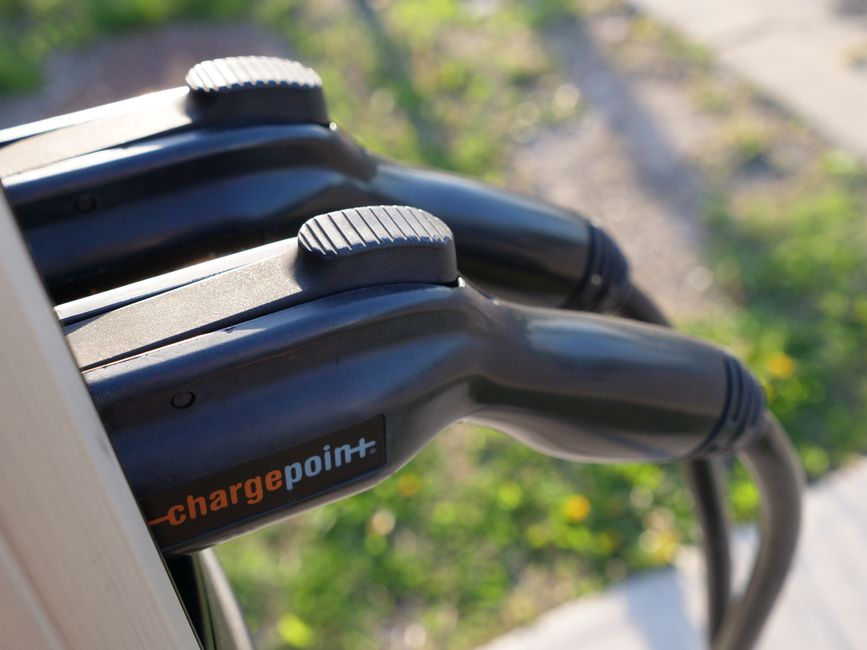
- ChargePoint Home Flex (~$549): The most frequent "best overall" pick across review sites. It offers adjustable 16–50A output, is available in both J1772 and NACS, carries a NEMA 3R outdoor rating, and is ENERGY STAR certified with a 3-year warranty. EVChargerLab calls it the best for most people. ChargeCompared notes that the premium is best justified if you want detailed cost breakdowns or need the amperage flexibility. That's a real caveat: if you just want to charge at a fixed rate and don't need the app ecosystem, cheaper options exist.
- Tesla Wall Connector (~$884): EnergySage's ChargerRater scored it 91/100 and highlighted it for best warranty. It's the natural fit for Tesla owners and now works with non-Tesla vehicles via J1772 adapter, but it sits at the higher end of the price range.
- Emporia Pro / Classic (price not confirmed): EnergySage rates the Pro 87/100 and names it best for solar integration. ChargeCompared recommends it for homes with busy panels because it bundles load management. The tradeoff: the deepest energy-monitoring insights require the separate Emporia Vue monitor, adding cost and complexity.
- Wallbox Pulsar Plus 48 (~$649): A compact hardwired 48A unit with a strong reputation for build quality. Good for garage installs where footprint matters.
- Autel MaxiCharger Home 50A (~$499–$699): Available in J1772 or NACS. The plug-in version tops out at 40A; hardwired reaches 50A. A flexible mid-range option.
- Leviton EV48W (~$800): Positioned as the smart-home pick, particularly for households already in the Leviton ecosystem.
- LENZ (~$299, 40A): The clearest budget option, available hardwired or NEMA 14-50. For price-conscious buyers who don't need advanced app features.
- FLO Home Flex (~$849–$995): NEMA 4X rated (better outdoor protection than NEMA 3R) and carries a 5-year warranty — the longest in this comparison. Worth considering for harsh climates.
- Grizzl-E Classic (price not confirmed): Consistently cited as the rugged budget pick. Reviewers praise durability over software sophistication — a good fit if reliability in cold or wet environments matters more than app polish.
One outlier worth flagging: the IYILO Level 2 received an EnergySage ChargerRater score of 103/100 — a mathematically unusual result — and IYILO is a new brand with limited track record. Treat that ranking with extra skepticism until more independent owner data exists.
Tax Credits, Rebates & the 2026 Policy Shift
The federal landscape changed significantly this year. The 30C Alternative Fuel Vehicle Refueling Property Credit — worth 30% of hardware and installation costs, up to $1,000 — expired on June 30, 2026. The One Big Beautiful Bill Act accelerated its end date from the previously scheduled December 31, 2032. Only chargers placed in service between January 1 and June 30, 2026, in an eligible census tract qualify; earlier installs are claimed on the return for the year placed in service using IRS Form 8911.
Similarly, the 30D new-EV purchase credit and 25E used-EV credit both ended September 30, 2025.
What remains: state and utility rebates. One vendor cites a range of $200–$2,500, but that figure comes from a party with a sales interest. Check directly with your utility provider and your state energy office — rebate availability and amounts vary significantly by location and change frequently.
For more on maximizing home energy savings, see our roundup of best solar panels for home 2026.
Verdict: The Best Home EV Charger for Most Buyers in 2026
Based on the weight of published evidence, the ChargePoint Home Flex is the most defensible all-around choice for the majority of home EV charging setups. Its 16–50A adjustability means it works whether you're topping off a plug-in hybrid or charging a long-range EV overnight. The ENERGY STAR certification, NEMA 3R outdoor rating, and app ecosystem (charging history, Alexa integration) are well-documented. At around $549, it lands in the mid-range of the category.
The honest tradeoff: ChargeCompared is right that the premium over budget alternatives like the LENZ is only worth it if you'll actually use the data features or need the amperage flexibility. If you have a simple setup and just want reliable Level 2 charging, a 40A unit in the $299–$399 range may serve you equally well for daily use.
For solar-heavy homes, the Emporia Pro deserves a serious look. For harsh-weather installs where longevity is the priority, the FLO Home Flex's 5-year warranty and NEMA 4X rating stand out.
Ready to charge faster? The ChargePoint Home Flex's adjustable 16–50A output, compatibility with any EV, and polished app make it the easiest recommendation for most households. See the ChargePoint Home Flex and current pricing →
For related buying guidance, see our best electric bikes under $2000 roundup if you're exploring EV options beyond four wheels.
Sources
- EnergySage — EV Charging Stations
- EVCharger Reviews — Best EV Chargers for Home Use
- EVChargerLab — Best Home EV Charger
- EatCookoo — Best Level 2 EV Charger for Home
- ChargeCompared — Best Level 2 EV Chargers
- Digital Windmill — Best EV Home Charger 2026
- MotorWatt — Best Home EV Charger in 2026
- PropelRC — Best EV Home Charging Stations
Disclosure: This article was produced with AI-assisted research and synthesis. VoltVentureLab.com earns affiliate commissions on qualifying purchases made through links in this article. Prices and product availability are subject to change; verify current details with retailers before purchasing. This content does not constitute professional electrical or tax advice.
Products mentioned
Affiliate links — we may earn a commission if you buy, at no extra cost to you. Prices change; check the current price.
Get the honest weekly roundup
One short email a week: real prices, new e-bike and backup-power deals, and what's actually worth buying. No spam.