Hardwired vs Plug-In EV Chargers: Which Is Right for Your Home in 2026?
VoltVentureLab is reader-supported. When you buy through links on this page we may earn a commission. We research using published specs, manufacturer data and owner reports — how we work.
Choosing between hardwired vs plug-in EV chargers is one of the first decisions you'll face when setting up home Level 2 charging — and it's not purely a hardware question. It touches your electrical panel, your lease or HOA, local code, and whether you plan to stay in your home long-term. This guide synthesizes current product data, installer notes, and 2025–2026 regulatory changes so you can make an informed call before you schedule an electrician.
---What Actually Separates a Hardwired Charger from a Plug-In One?
Both types deliver Level 2 AC charging through your home's 240V circuit. The difference is in how the charger connects to that circuit.
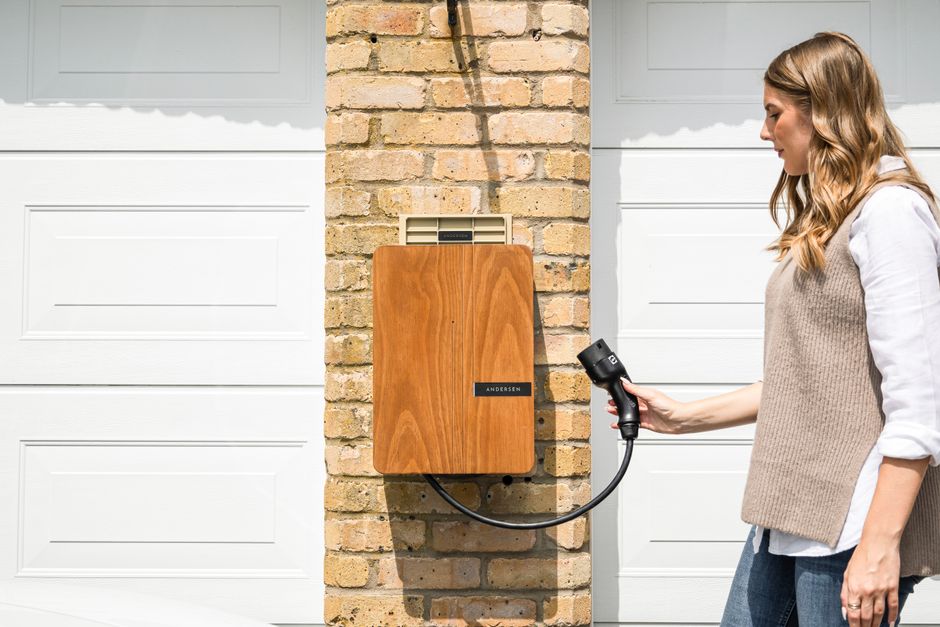
- Plug-in (NEMA 14-50 or 6-50): The EVSE terminates in a standard outlet plug. You can unplug and move it without an electrician. Installation is simpler, and the unit is renter-friendly.
- Hardwired: Wires run directly from the breaker panel into the unit. No outlet required. The connection is permanent unless an electrician disconnects it.
The practical tradeoff shows up in maximum amperage. Reviewers across multiple sources consistently note that most NEMA 14-50 plug-in installs derate to 40A, because a 40A continuous load is the safe ceiling on a 50A receptacle circuit. Hardwiring is what unlocks 48A on models that support it. For example, the ChargePoint Home Flex's 48A setting is only available when hardwired — the plug-in version tops out at 40A. The same pattern applies to the Emporia Classic, Emporia Pro, and Wallbox Pulsar Plus, all of which cap plug-in versions at 40A and reach 48A only via hardwire (per Watt-Wallet's comparative testing summary).
Is that extra 8A worth it? Only if your vehicle can accept more than 40A of onboard AC charging — many current EVs cannot — and only if your panel has the headroom. For most drivers, 40A delivers roughly 30–35 miles of range per hour of charging, which is plenty overnight. But if you drive a high-mileage day or own a vehicle with a large onboard charger, the headroom matters.
There's also a code nuance: installer sources note that GFCI nuisance tripping is a real complaint on plug-in setups, since single-phase receptacles under 150V require GFCI protection under current NEC rules. Hardwiring bypasses the GFCI receptacle requirement, reducing the chance of phantom trips interrupting an overnight charge session. Local adoption of the 2023 NEC varies by jurisdiction, so confirm with your local authority having jurisdiction (AHJ) before making assumptions.
---2026 Price Landscape: What Home Level 2 Chargers Actually Cost
Based on current retailer data aggregated by Watt-Wallet and EVChargerLab, here's where the major models land:
- Grizzl-E Classic — ~$299.99 | Plug-in or hardwired, up to 40A. No app, no frills, well-regarded for durability.
- Emporia Classic — ~$449 (J1772) / ~$479 (NACS) | 48A hardwired or 40A plug-in. Strong value pick according to EVChargerLab and MotorWatt.
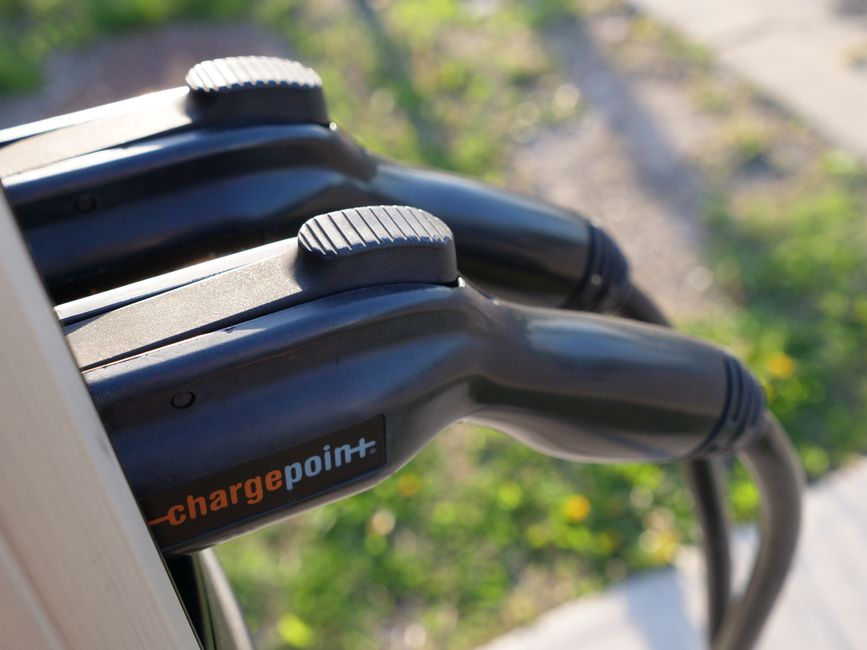
- ChargePoint Home Flex — ~$494–$549 depending on configuration and sale pricing | Hardwired to 50A or plug-in; ENERGY STAR certified; app rated most reliable in reviewer testing.
- Emporia Pro — ~$599 | Same hardwired/plug-in split as the Classic; adds load management for limited panel capacity, though it requires a separate energy monitor installed in the panel.
- Autel MaxiCharger AC Home 50A — ~$549 | Plug-in or hardwired; NEMA 4X weatherproofing, good for harsh climates.
- Wallbox Pulsar Plus — ~$649–$699 | 48A hardwired or 40A plug-in. Note: the energy meter is a paid add-on.
- FLO Home X3 — Price not confirmed at time of writing | Up to 50A hardwired or NEMA 14-50 plug-in; NEMA 4X rated.
Installation cost adds significantly to the total. One industry guide puts the full home Level 2 setup at $1,000–$3,500 all-in, with the charger itself running $400–$800 and professional electrical work ranging $400–$2,500 depending on panel distance, conduit runs, and local labor rates. Plug-in installs can sit at the lower end of that electrical range if an outlet is already in place.
On incentives: the federal 30C tax credit — which covered 30% of charger and installation costs up to $1,000 in eligible census tracts — was ended by the One Big Beautiful Bill Act, enacted July 4, 2025, for property placed in service after June 30, 2026. If you installed before that cutoff, you can still claim it on Form 8911 with your 2026 tax return. State and utility rebates vary widely; verify current offers directly with your utility before budgeting. state EV incentives guide
---Hardwired vs Plug-In: Who Should Choose What
The right answer depends on your situation more than on any single spec.
Choose plug-in if:
- You rent or plan to move within a few years — the unit comes with you.
- Your vehicle's onboard charger maxes out at 32–40A, so you won't benefit from 48A anyway.
- You want the simplest possible install and already have or can easily add a NEMA 14-50 outlet.
- You want flexibility to swap chargers without calling an electrician.
Choose hardwired if:
- You own your home and want a permanent, cleaner-looking installation.
- Your vehicle can accept 48A and you want maximum overnight charging speed.
- Your HOA or local inspector prefers or requires hardwired — this comes up in several installer accounts.
- You're dealing with GFCI nuisance tripping on a plug-in setup.
- You want to avoid the receptacle entirely for a tidier panel-to-charger run.
For renters or those in multi-unit housing, the plug-in route is almost always the practical default. For homeowners with panel capacity and a vehicle that can use 48A, hardwiring delivers a cleaner install with more headroom and fewer code friction points. best EV chargers for apartments
---Verdict: Our Evidence-Based Recommendation
Across the data reviewed, the ChargePoint Home Flex earns its place as the most broadly recommended model for homeowners navigating the hardwired vs plug-in EV charger decision — specifically because it supports both installation modes, lets you adjust amperage from 16A to 50A as your situation changes, carries ENERGY STAR certification, and the app has been rated most reliable among reviewed units. It's not the cheapest option (Emporia Classic offers strong value at a lower price point), and it lacks built-in power sharing, which is a genuine limitation for multi-EV households.
If budget is your primary driver and you don't need an app, the Grizzl-E Classic at ~$299 is a legitimate, durable choice. If your panel is constrained, the Emporia Pro's load management feature is worth the premium — just factor in the cost of the required energy monitor.
The honest bottom line: for most homeowners, a plug-in install at 40A is sufficient and simpler. Hardwire when you need 48A, want a cleaner permanent setup, or have code or HOA reasons to skip the receptacle.
Ready to move forward? The ChargePoint Home Flex (adjustable 16–50A, works with any EV, charges up to 9x faster than a standard outlet) is available through VoltVentureLab's reviewed charger lineup:
→ See the ChargePoint Home Flex and top-rated Level 2 chargers at VoltVentureLab
Prices and availability change frequently — confirm current pricing at the retailer before purchasing. how to size your home EV charging circuit
---Sources
- GDOnTech — Best EV Charging Stations for Home in 2026
- Zomg The Handyman — Best Level 2 EV Charger
- EVChargerReviews — Best EV Chargers for Home Use
- EVChargerLab — Best Home EV Charger
- Watt-Wallet — Best Home EV Charger Guide
- Clean Energy Business Council — Best EV Charging Stations for Home
- MotorWatt — Best Home EV Charger in 2026
- PropelRC — Best EV Home Charging Stations
Disclosure: This article was produced with AI-assisted research and contains affiliate links. VoltVentureLab may earn a small commission on purchases made through links at no additional cost to you. Prices and product details were sourced from third-party review sites and may not reflect current manufacturer pricing — verify before purchasing.
Products mentioned
Affiliate links — we may earn a commission if you buy, at no extra cost to you. Prices change; check the current price.
Get the honest weekly roundup
One short email a week: real prices, new e-bike and backup-power deals, and what's actually worth buying. No spam.