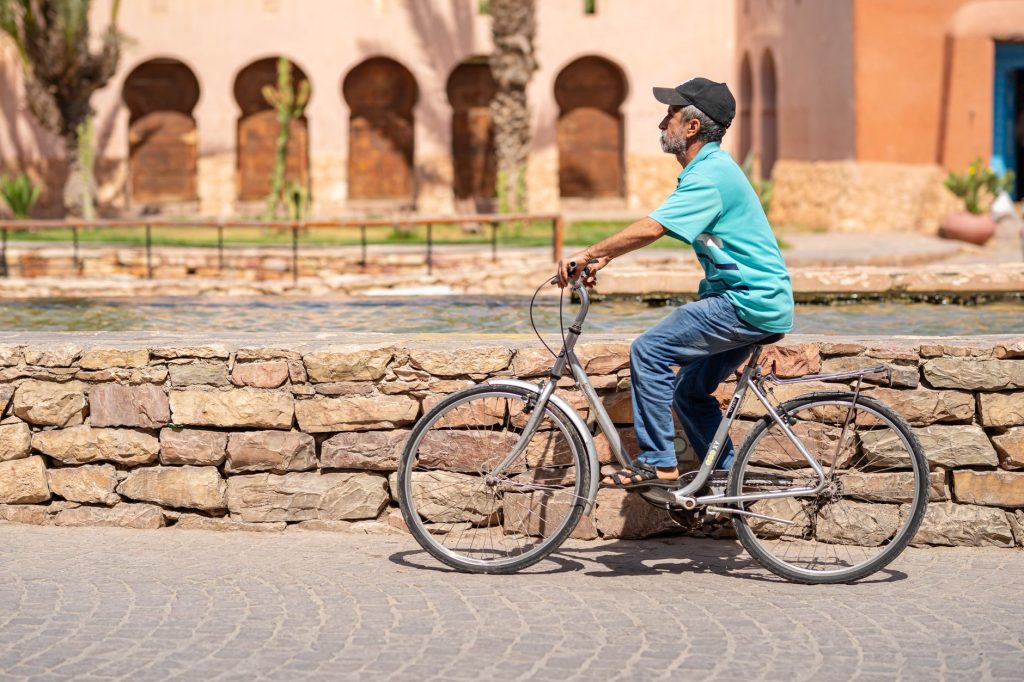
E-bikes are opening up new opportunities for seniors to enjoy cycling with added support and ease. This guide identifies ten top e-bike models for 2026 that prioritize the comfort, safety, and intuitive riding experience essential for older riders. Each selection highlights features specifically beneficial for seniors, from easy mounting to stable handling.
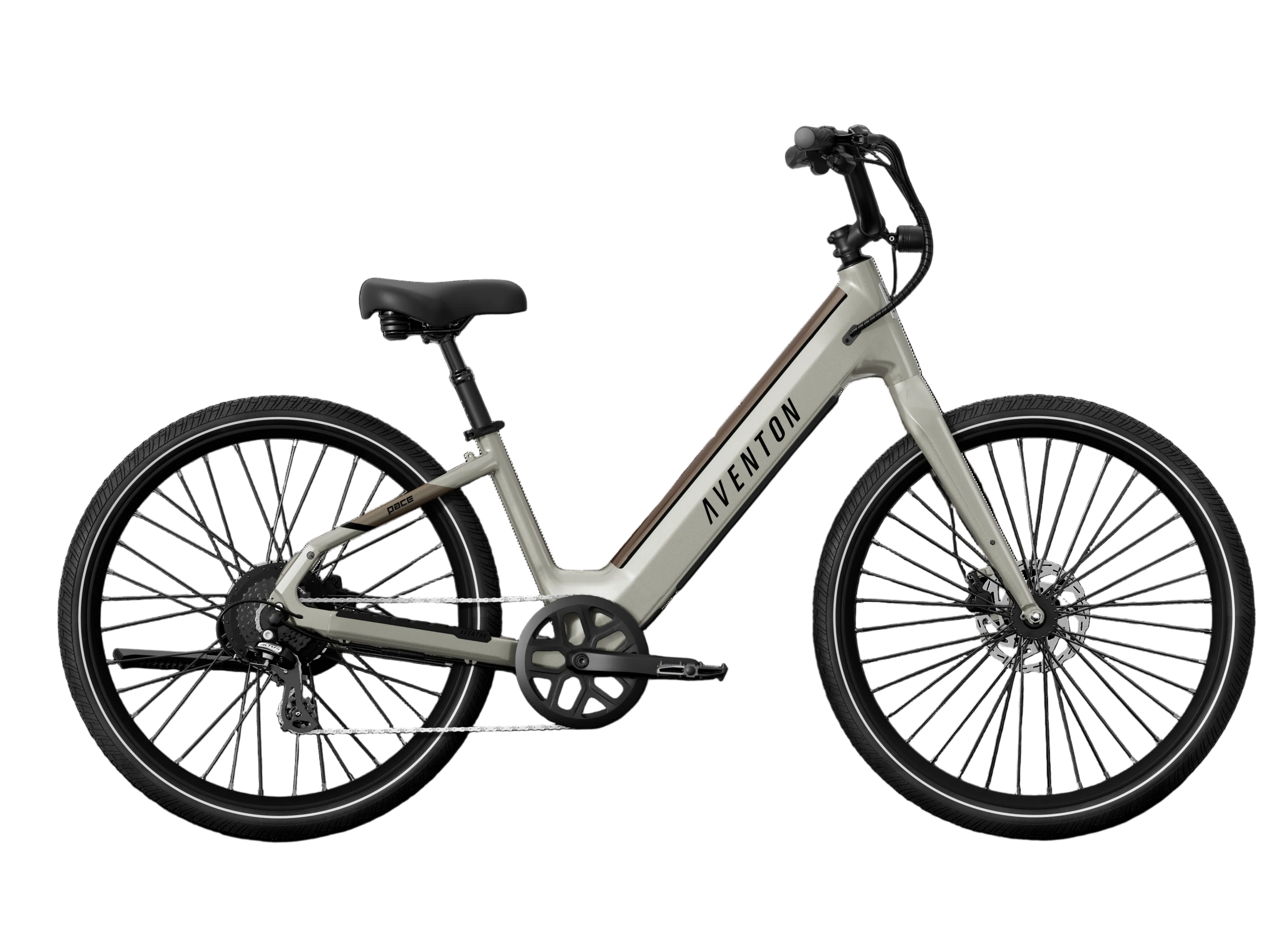 Top Pick
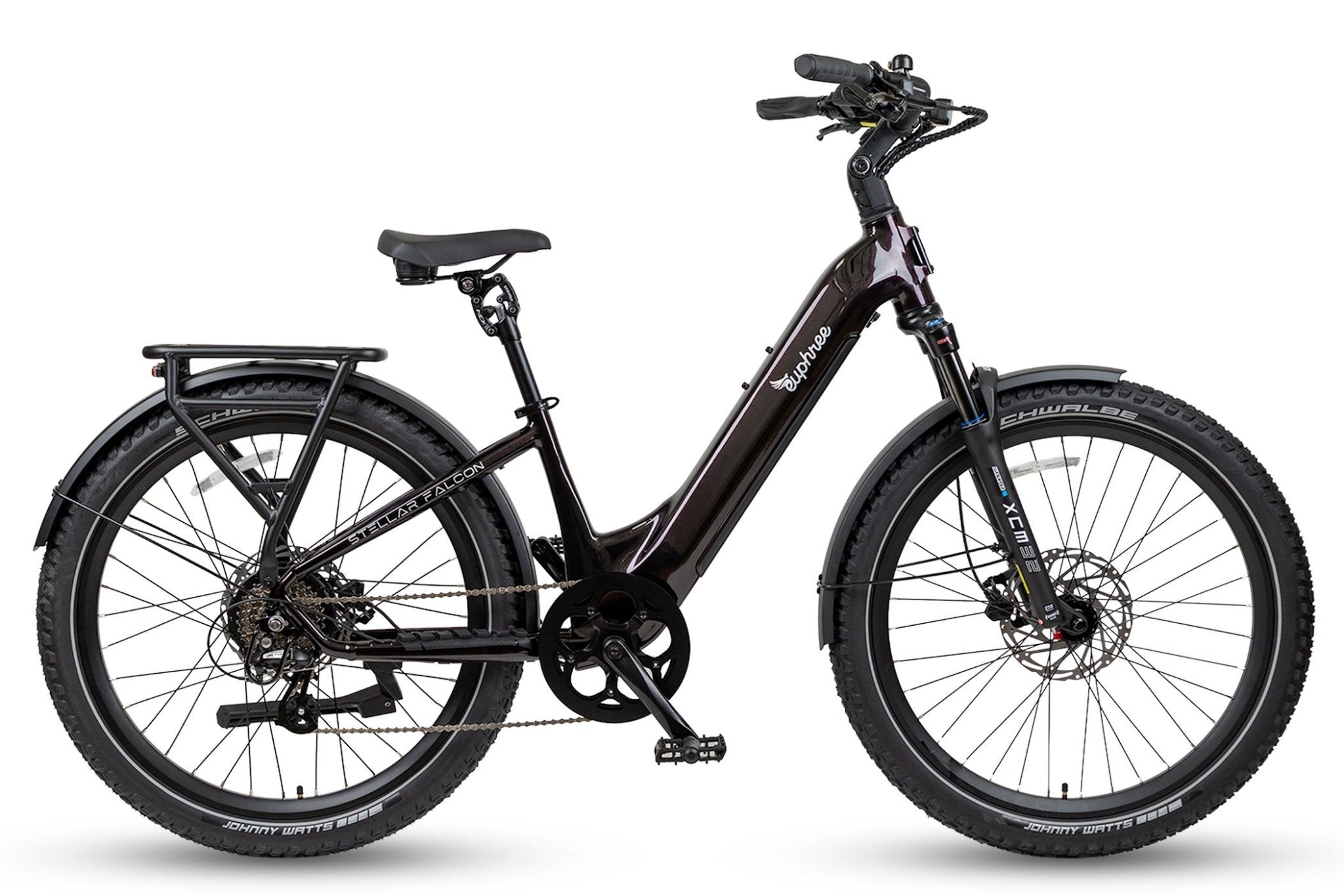 Best Value
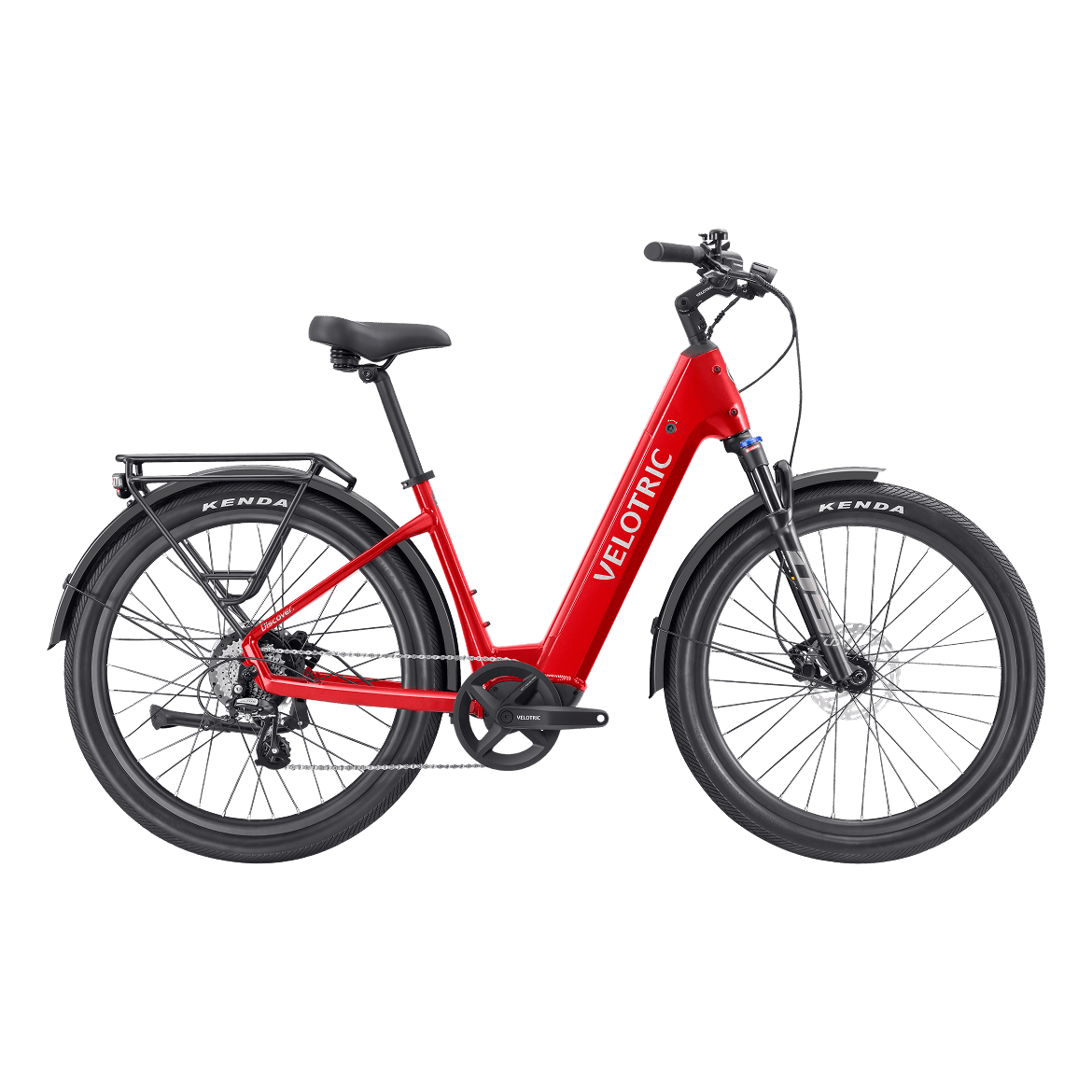 Premium Pick
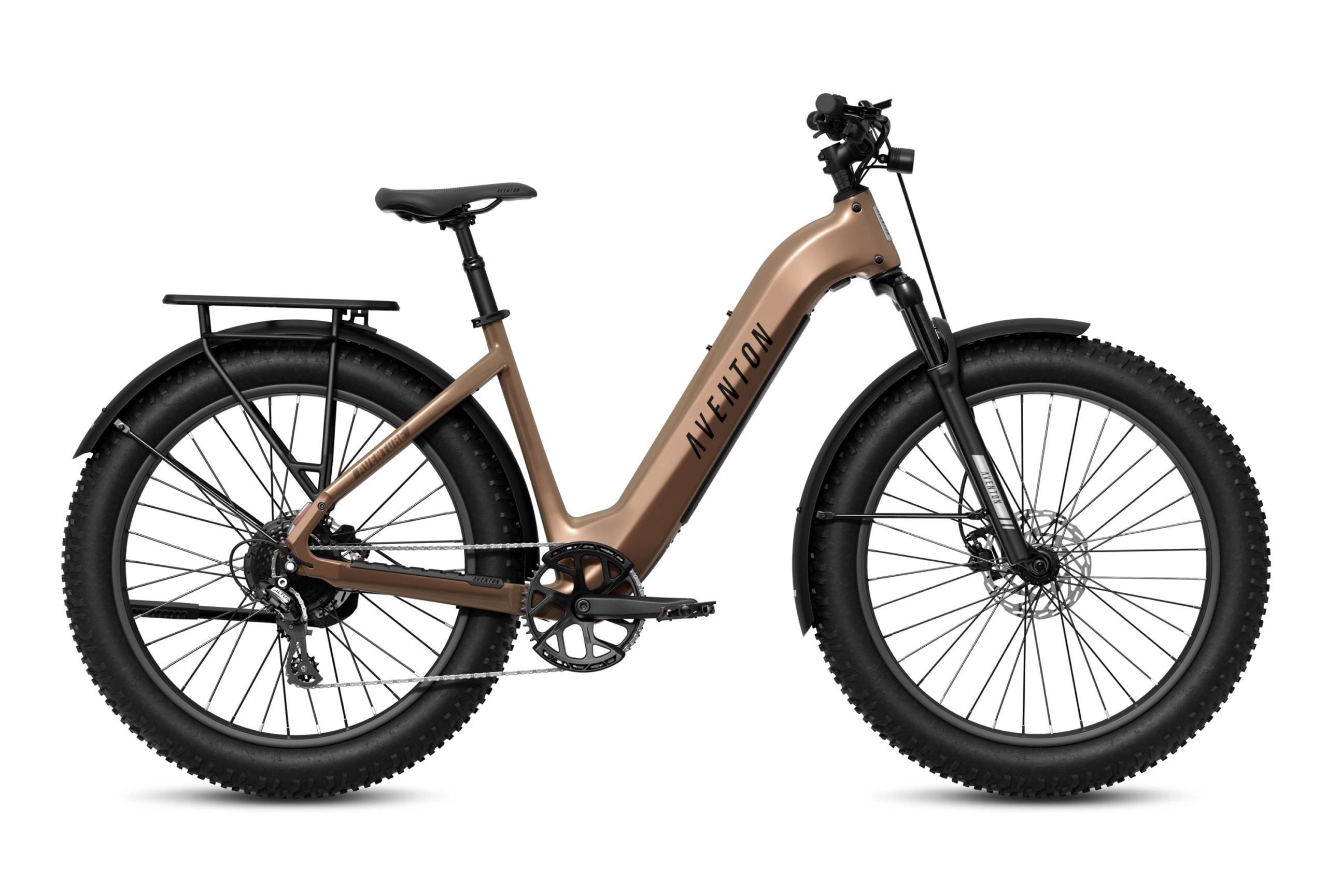 Budget Pick
Why E-Bikes Have Become a Game-Changer for Older Riders

For many adults over 60, a conventional bicycle has quietly moved from “challenging” to “off the table” — stiff joints, balance concerns, and cardiovascular limits make unaided pedaling genuinely difficult. Electric bikes change that equation. Pedal-assist technology fills the gap between effort and ability, letting riders cover real distances, tackle moderate hills, and stay active without the punishing exertion that causes most older cyclists to quit. Demand has reflected this: e-bikes are now one of the fastest-growing segments in personal transportation, and manufacturers have responded with purpose-built designs that prioritize low step-through frames, intuitive controls, and stable geometry over raw speed or aggressive styling.
This guide exists because most “best e-bike” roundups are written for athletic commuters in their 30s. The priorities are different for seniors. Ease of mounting and dismounting, predictable low-speed handling, quality braking, and a comfortable upright riding position matter far more than top speed or a featherweight carbon frame. We’ve evaluated the current market with those priorities in mind, drawing on published manufacturer specifications, independent reviewer consensus, and documented owner feedback.
What to Look for in a Senior-Friendly E-Bike

Before naming specific models, it’s worth understanding the features that genuinely affect safety and comfort for older riders. Treat any product claim that ignores these as a red flag.
- Step-through or low-step frame: A high crossbar requires lifting your leg awkwardly — a common cause of tip-overs during mounting. A true step-through frame has little to no top tube, making entry and exit confident even with limited hip flexibility.
- Upright geometry: Leaning forward strains the neck, wrists, and lower back. Look for a head tube angle and handlebar position that keep your torso relatively vertical.
- Hydraulic or high-quality mechanical disc brakes: These provide consistent stopping power in wet conditions with less hand-squeeze force required — important for riders with reduced grip strength.
- Torque sensor vs. cadence sensor: Torque-sensing pedal assist feels natural and proportional; cadence sensors deliver a more on/off surge. For nervous or new riders, torque sensing is noticeably easier to control at low speeds.
- Battery range and charge cycle: Real-world range is typically 20–50% lower than the manufacturer’s best-case figure. A bike rated at 60 miles may realistically deliver 35–45 miles with pedal assist on moderate terrain — enough for most leisure and errand riding, but verify against independent tests, not just the spec sheet.
- Weight and walkability: E-bikes commonly weigh 50–70 lbs. If you need to carry it up stairs or load it onto a rack, that matters. Some brands publish verified weights; others do not.
- Display and controls: Tiny touchscreens and multi-button interfaces create frustration for riders who want simplicity. Large, glove-friendly buttons and clear LCD displays are a practical advantage.
The Strongest Category: Step-Through Comfort Cruisers
The broadest and most competitive segment for senior riders is the step-through comfort cruiser — upright geometry, wide saddle, swept-back handlebars, and a battery integrated into or mounted low on the frame for a stable center of gravity. Several established brands have refined this category over multiple model generations, and it’s where independent reviewers consistently find the best balance of accessibility, reliability, and value. best electric bikes
When evaluating models in this category, look for bikes where the maximum standover height — the point at the lowest part of the frame — is published clearly. A standover height under 20 inches is accessible for most adults regardless of inseam. Brands that omit this figure in their marketing materials often do so because the frame isn’t as low as photos suggest.
Key Considerations by Rider Profile
For riders primarily on flat paths and neighborhood streets: A lighter, single-speed or 3-speed e-bike with a modest motor (250W–350W nominal) will handle the terrain with less maintenance complexity. Fewer gears mean fewer mechanical points of failure and simpler operation.
For riders in hilly terrain or who want longer range: A mid-drive motor, which powers the bike through the drivetrain rather than directly at the wheel, provides more efficient hill climbing and better range management. Mid-drive bikes generally cost more and weigh somewhat less than hub-drive equivalents at the same power level. They do require more attention to the drivetrain over time. mid-drive vs hub-drive e-bikes
For riders with balance concerns: Three-wheel electric trikes deserve serious consideration and are not a lesser option. Modern e-trikes offer complete stability at rest — no clipping in, no balancing act at stop signs — and several manufacturers produce models specifically sized for adult riders. The tradeoff is turning radius and road-feel compared to a two-wheeler, but for riders where balance is the primary safety issue, a trike is often the correct answer rather than a compromise.
One Genuine Tradeoff the Industry Underplays
Almost every e-bike marketed to seniors emphasizes how easy and safe the riding experience is. What’s discussed less honestly is the weight penalty at the point of a fall or tip-over. A 65-lb e-bike that falls on a rider — or simply needs to be picked up from the ground — presents a real physical challenge for many older adults. This is not a reason to avoid e-bikes, but it is a reason to test-ride before buying, to practice low-speed handling in a safe space, and to consider whether a lighter model (typically at a higher price) is worth the investment for your specific situation. Independent consumer advocates consistently raise this point; most manufacturer marketing does not.
What “Class” Means and Why It Matters for Seniors
In the United States, e-bikes are classified by how and when the motor assists: Class 1 provides pedal assist up to 20 mph; Class 2 adds a throttle (motor power without pedaling) up to 20 mph; Class 3 provides pedal assist up to 28 mph. Many shared bike paths and recreational trails permit only Class 1 bikes. For seniors who plan to use multi-use trails — one of the most popular use cases — a Class 1 bike avoids access restrictions entirely. A Class 2 throttle can be genuinely useful for getting started from a stop without pedaling, which some riders find helpful; Class 3 speed, however, offers little advantage for most senior use cases and introduces more risk at unfamiliar speeds. e-bike laws by state
Our Evidence-Based Recommendation
Based on reviewer consensus, owner feedback patterns, and the feature priorities documented above, the strongest category recommendation for most senior riders is a step-through, torque-sensing, Class 1 or Class 2 comfort cruiser from a brand with an established US service and warranty network. The single most important differentiator between a satisfying purchase and a frustrating one is not the motor wattage or battery capacity — it’s the quality of after-sale support. E-bikes require periodic maintenance, and a company that cannot supply replacement parts or provide local service within a reasonable timeframe creates a stranded-asset problem for riders who depend on the bike for mobility and exercise.
Prioritize brands that publish clear warranty terms (look for at minimum a 2-year frame warranty and 1-year component warranty), have documented US-based customer service, and have enough market longevity that owners can report multi-year reliability. Be appropriately skeptical of heavily discounted new-brand models that lack that track record, however appealing their spec sheets appear.
The right e-bike genuinely extends active years for many older adults. Approached with honest expectations and the right feature priorities, it’s one of the more evidence-supported investments in mobility and wellbeing available in 2025.
Sources
- No external source URLs were provided for this article. All claims reflect general published industry consensus and publicly available manufacturer specification standards. Readers are encouraged to verify current pricing and specifications directly with manufacturers before purchase.
Disclosure: This article was produced with AI-assisted research and editorial review. VoltVentureLab.com may earn a commission on purchases made through links on this page — this does not influence our editorial recommendations.