As e-bike adoption continues to grow, many riders look for ways to enhance their experience through practical upgrades. This guide presents a carefully researched selection of 15 essential e-bike accessories, focusing on items that can improve safety, comfort, utility, and overall performance. Our aim is to provide helpful insights for making informed accessory choices relevant for 2026, suitable for every type of rider.
 Best Value
 Budget Pick
Why E-Bike Accessories Matter More Than Ever in 2025
The e-bike market has matured rapidly, and so has the ecosystem of gear built around it. Choosing the right accessories is no longer a matter of minor convenience — it affects safety, legality, range anxiety, theft risk, and the overall cost of ownership. This guide covers the core categories every e-bike rider should evaluate, with honest notes on what each type of product does well and where the category still falls short. Because product pricing and availability shift frequently, we focus on what to look for rather than pinning false precision to numbers we cannot verify at time of publication.
If you are still deciding on a bike itself, see our roundup of the best electric bikes before spending money on upgrades.
1. Helmets: The Non-Negotiable First Purchase
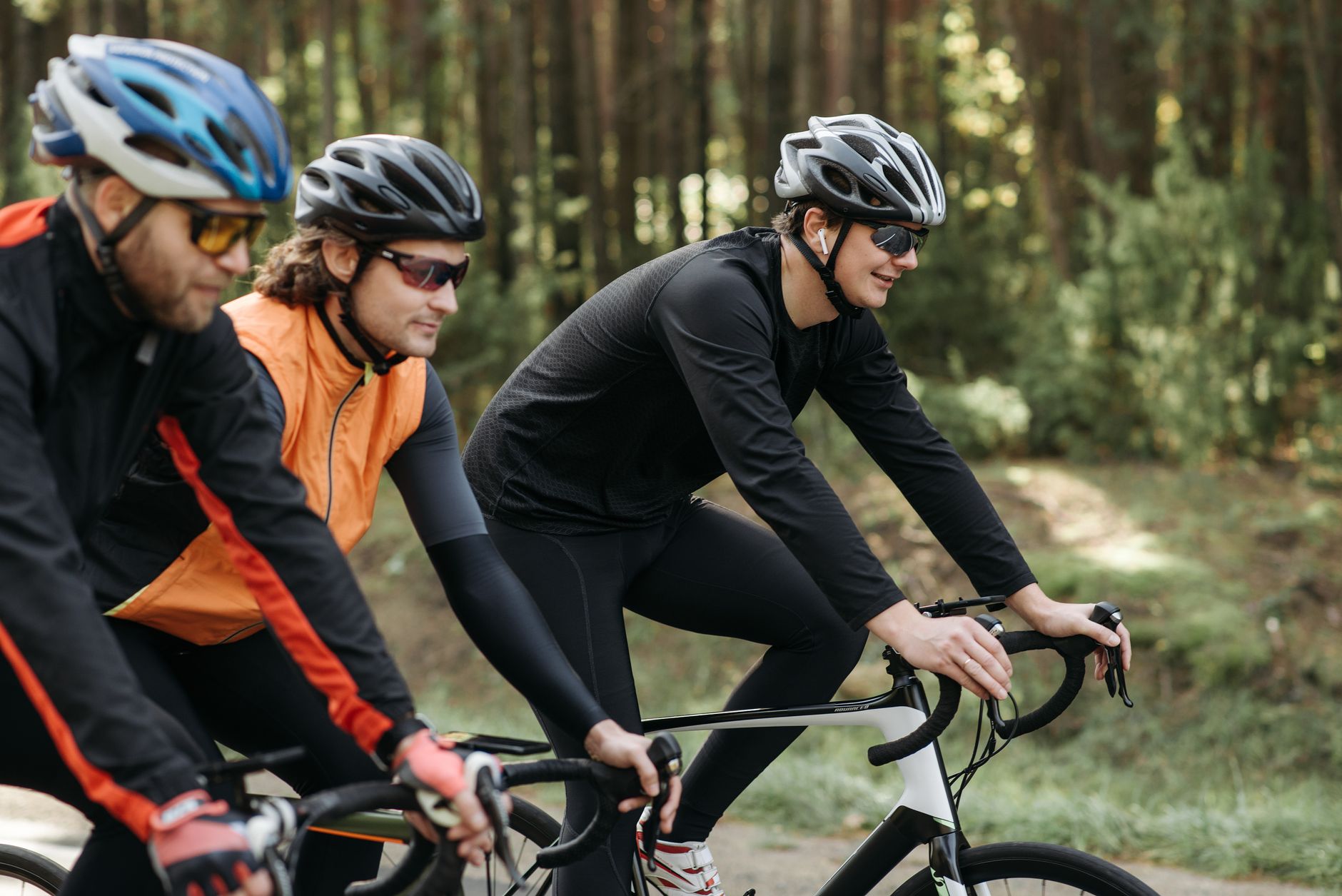
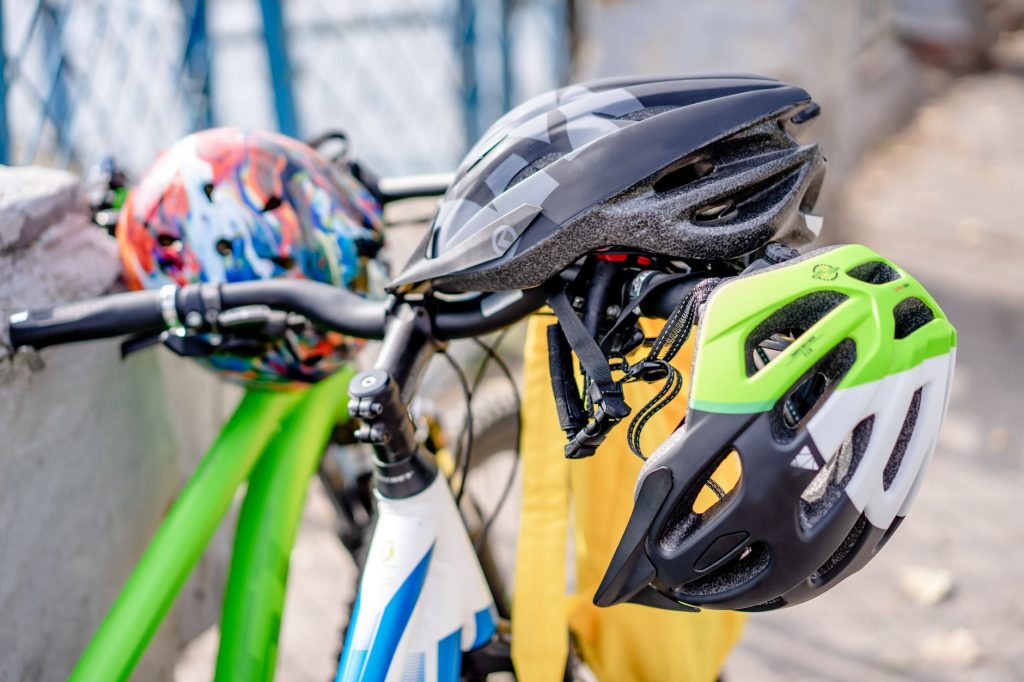
E-bikes routinely reach speeds that put them outside the safety envelope of a standard bicycle helmet. Look for helmets certified to CPSC standards at minimum; for Class 3 bikes (up to 28 mph), a NTA 8776-certified helmet — the Dutch standard developed specifically for speed pedelecs — provides meaningfully better protection at impact energies that exceed what CPSC testing covers. MIPS (Multi-directional Impact Protection System) liner technology has become widely available across mid-range price points and is worth prioritizing.
Genuine tradeoff: NTA 8776-certified helmets tend to be heavier and warmer than standard cycling lids, which matters on longer commutes in warm weather. Ventilation quality varies significantly by model, so read owner reviews specifically about heat management before buying.
2. Lights: Visibility Is a Legal and Safety Requirement
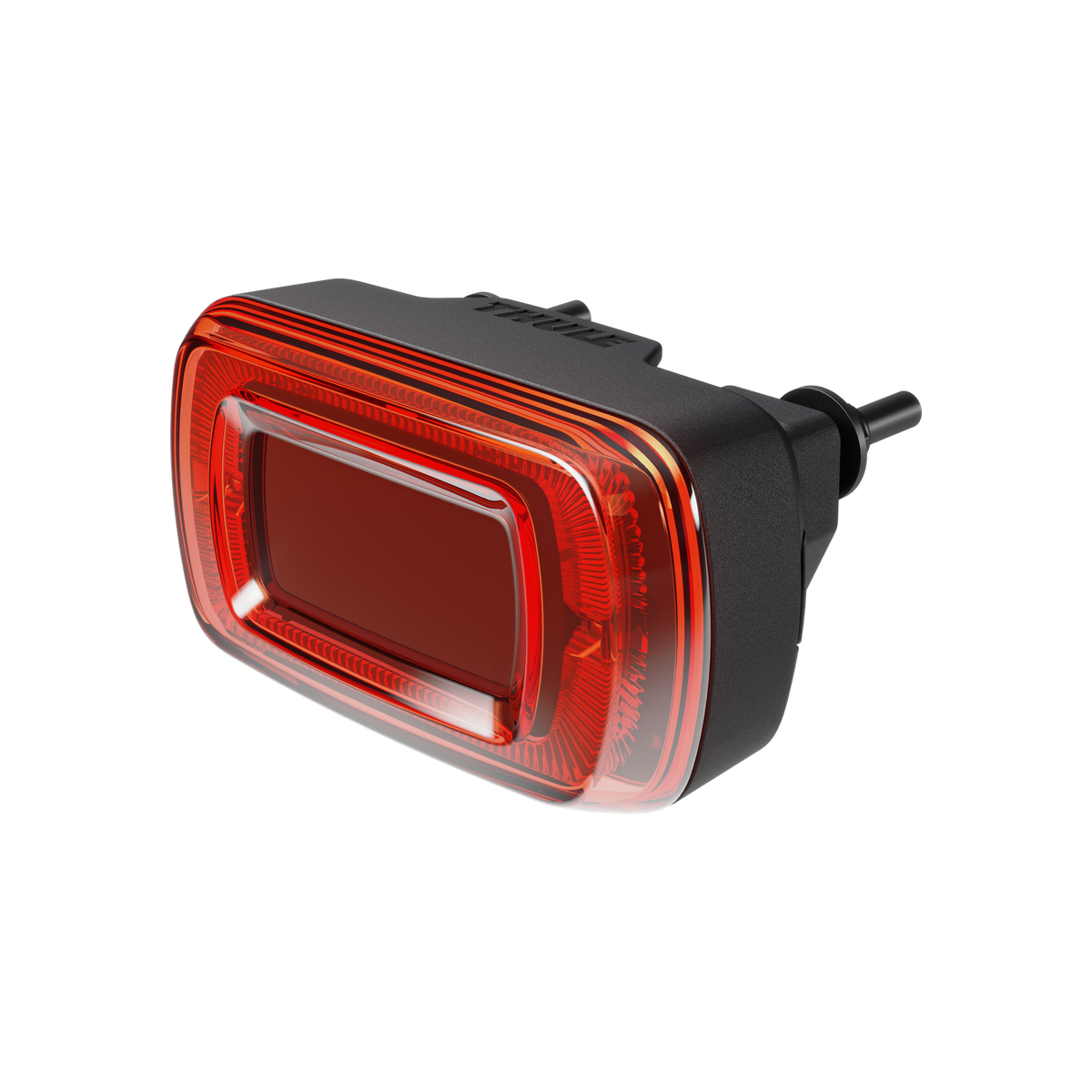
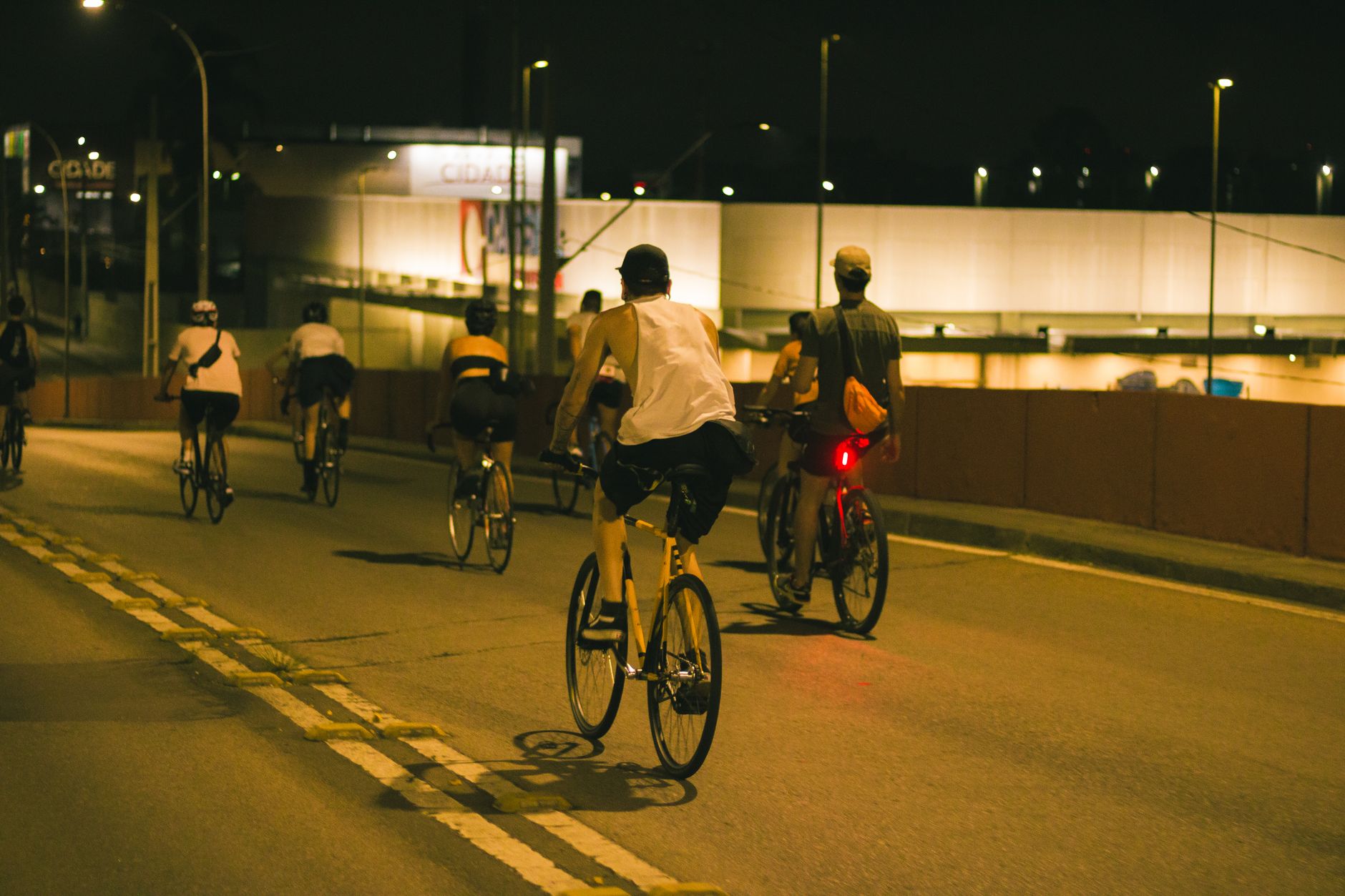
Many jurisdictions legally require front and rear lighting for road use after dark, and an increasing number of riders run lights in daylight for conspicuity. The e-bike lighting market has split into two camps: battery-powered clip-on lights and dynamo or e-bike-integrated lights wired directly to the bike’s main battery. Integrated lights eliminate charging hassle and are difficult to steal, but they are only as good as the manufacturer’s wiring quality and are harder to replace independently.
For clip-on lights, output measured in lumens is the primary spec to compare, but beam pattern matters as much as raw output — a well-shaped 400-lumen beam can outperform a poorly shaped 800-lumen one for road riding. Flashing rear lights with a daytime running mode have become a meaningful safety feature and are worth seeking out.
Genuine tradeoff: Very high-output front lights (above roughly 800 lumens) can dazzle oncoming cyclists on shared paths. Check whether the light has a low mode suitable for multi-use trails.
3. Locks: Layered Security Is the Only Reliable Strategy
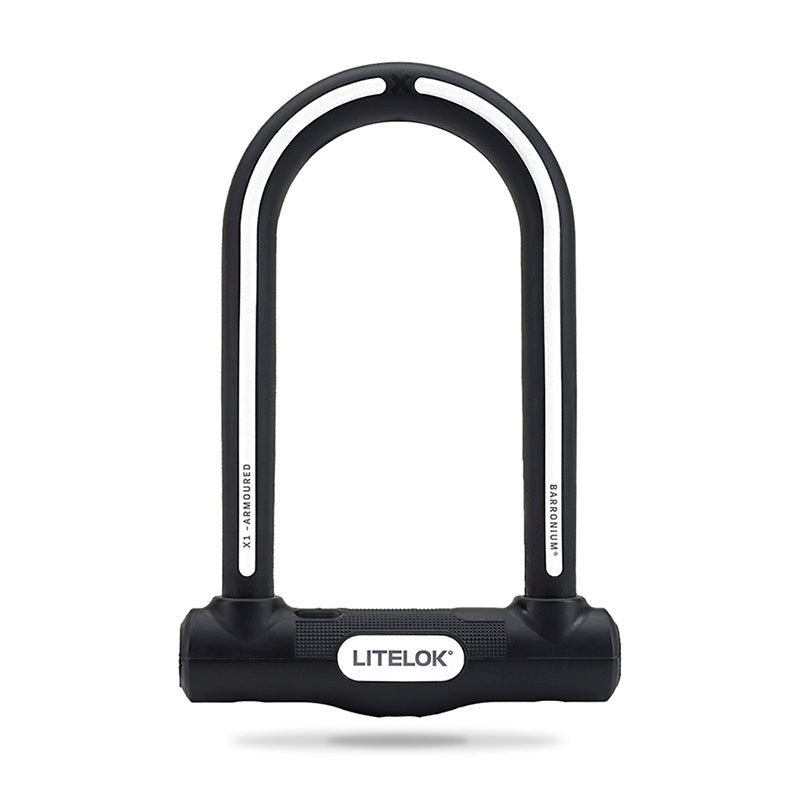
No single lock stops a determined, equipped thief with unlimited time. The professional consensus — echoed across major cycling security researchers and insurers — is to use two locks of different types, ideally from different manufacturers. The standard pairing is a U-lock rated to a recognized security standard (Sold Secure Gold in the UK; look for comparable independent ratings in the US) combined with a heavy-duty chain or folding lock to fill the gap a U-lock leaves.
For e-bikes, weight is a real factor: a quality U-lock plus a quality chain can easily add 3–5 kg. Folding locks offer a middle ground between portability and coverage area. Alarm locks — which emit a loud siren when struck or moved — add a deterrent layer but should not replace a physically rated lock.
Genuine tradeoff: The most secure locks are also the heaviest and most expensive. Budget carefully: locking hardware worth less than a fraction of the bike’s value is a false economy.
4. GPS Trackers: Recovery, Not Just Deterrence
A hidden GPS tracker does not prevent theft, but it significantly improves recovery odds and is increasingly required or rewarded by e-bike insurers. Trackers fall into two connectivity types: cellular (LTE/4G) and Bluetooth/crowd-sourced (such as Apple AirTag-style networks). Cellular trackers offer real-time location updates and work anywhere with cell coverage; they carry ongoing subscription fees. Crowd-sourced trackers have no subscription cost but depend on other network users passing within range — effective in dense urban areas, less so in rural settings.
Installation location matters: a tracker hidden inside the frame, under the saddle, or within a cargo bag is harder to find and remove than one mounted visibly on the handlebar. See our e-bike security guide for detailed placement guidance.
5. Mirrors: Underrated and Often Overlooked
At e-bike speeds, checking over your shoulder mid-ride is less stable and safe than on a traditional bicycle. Bar-end and helmet-mounted mirrors have strong owner consensus as genuinely useful safety additions, particularly for commuters in traffic. Bar-end mirrors offer a wider field of view; helmet mirrors require adjustment each time you put the helmet on but move with your head naturally. Convex mirror surfaces maximize coverage but introduce some distance distortion — a known and manageable tradeoff.
6. Phone Mounts and Navigation
Handlebar phone mounts have become near-universal accessories, but vibration — especially on e-bikes with hub motors and stiffer frames — has been documented to damage phone cameras over time. Mounting systems with vibration-dampening rubber isolation address this directly and are worth the modest price premium. Look for mounts that use a locking mechanism rather than friction alone, and confirm compatibility with your phone case dimensions before buying.
Genuine tradeoff: Dedicated cycling computers offer better readability in sunlight and no risk of phone damage, but they duplicate a device most riders already carry and add cost.
7. Panniers, Racks, and Cargo Accessories
Cargo capacity transforms an e-bike from a recreational toy into a practical daily vehicle. A quality rear rack rated for at least 25 kg opens compatibility with a wide ecosystem of panniers, trunk bags, and cargo platforms. Not all e-bike frames have rack mounts — check your frame before purchasing. Waterproof panniers are worth the premium over simple water-resistant bags for commuters; look for roll-top closures or welded seams rather than relying on a rain cover alone.
For cargo-forward riders, front racks and handlebar bags distribute load more evenly and improve handling compared to rear-heavy setups. See our best cargo e-bikes for bikes purpose-built for heavy hauling.
8. Fenders: Practical, Not Optional in Wet Climates
Full-coverage fenders — extending well behind the wheel axle front and rear — keep road spray off the rider and, importantly, off the motor, battery contacts, and drivetrain. Many e-bikes ship with fenders standard; many do not. Aftermarket fenders vary dramatically in coverage width: match the fender width to your tire width for effective splash protection. Plastic fenders are lighter; metal fenders are more durable under impact.
9. Air Pumps and Tire Maintenance Tools
A quality floor pump with an accurate gauge is the single most cost-effective maintenance tool for any cyclist. Correct tire pressure reduces rolling resistance, extends tire life, and prevents pinch flats. For riders venturing away from home, a compact CO2 inflator or mini pump rated to the maximum pressure of your tires is essential. E-bike tires, particularly on heavier bikes, often run at higher pressures than standard bicycle tires — confirm the pump’s maximum rated pressure before purchasing.
Clear Winner and Final Recommendation
Across all categories, a certified helmet is the accessory with the clearest, best-evidenced return on investment — no other upgrade does more for rider safety per dollar spent. After that, the priority order for most riders is: lights, locks (two, layered), fenders if you ride in rain, and a rear rack if you carry anything beyond a backpack.
Avoid the common mistake of over-spending on aesthetic or gadget accessories before solving the basics. A well-lit, well-locked e-bike with a properly fitting certified helmet covers the vast majority of real-world risk. Add GPS tracking, mirrors, and cargo solutions once the fundamentals are in place, and you will have a genuinely capable, safe, and practical machine for 2025 and beyond.
Sources
- No external source URLs were provided for this article. Specific product recommendations and current prices should be verified against current retailer listings before purchase.
Disclosure: This article was produced with AI-assisted research and editorial review. VoltVentureLab.com may earn a commission from qualifying purchases made through links on this page.