
Finding an e-bike genuinely engineered for riders over 300 lbs requires specific attention to frame integrity, motor power, and overall weight capacity, a detail often overlooked in general reviews. This article addresses that need by presenting a carefully researched selection of the top 10 e-bikes for 2026, all designed to safely and comfortably support heavier riders. We’ve focused on models with verified capacities exceeding 300 lbs, ensuring both durability and reliable performance.
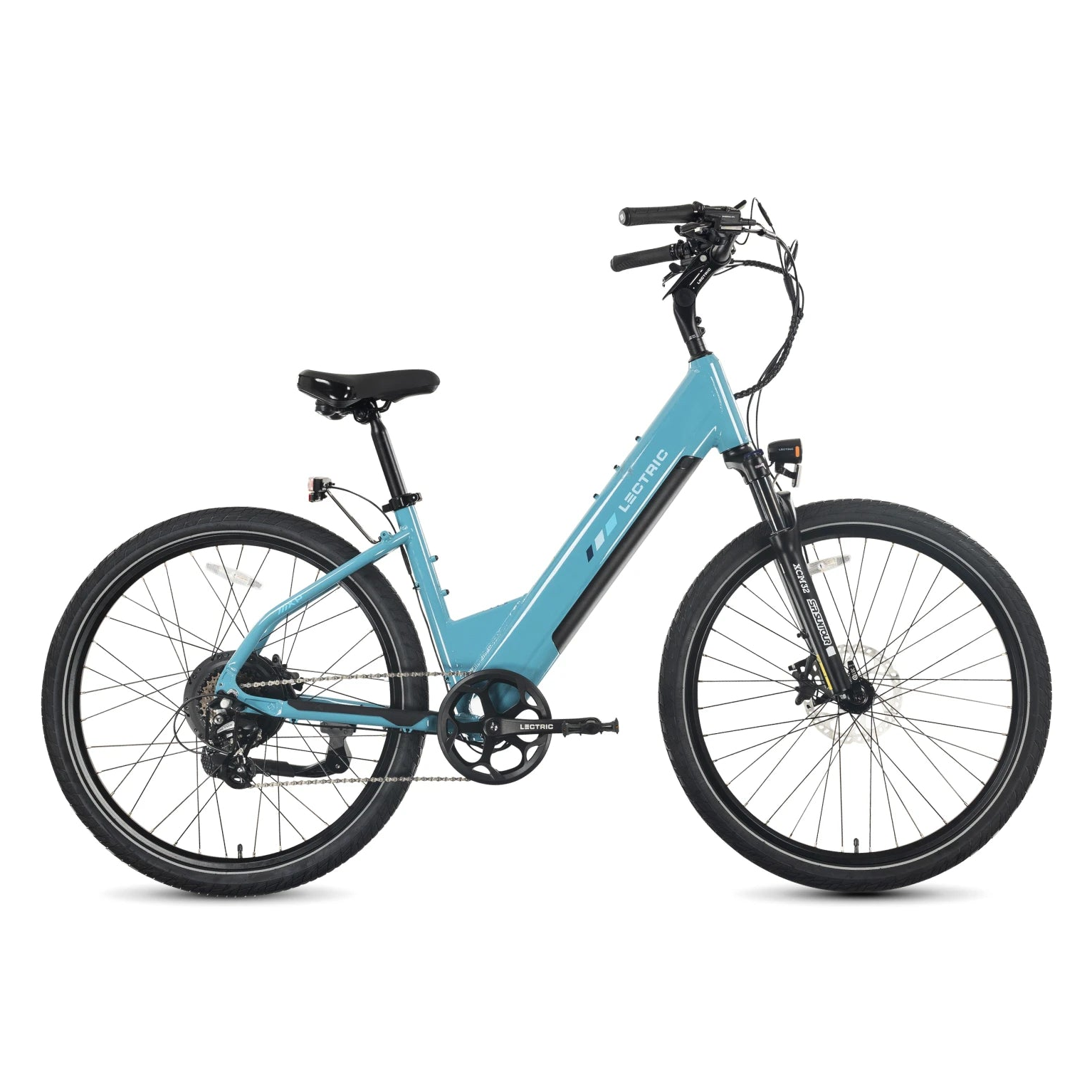 Top Pick
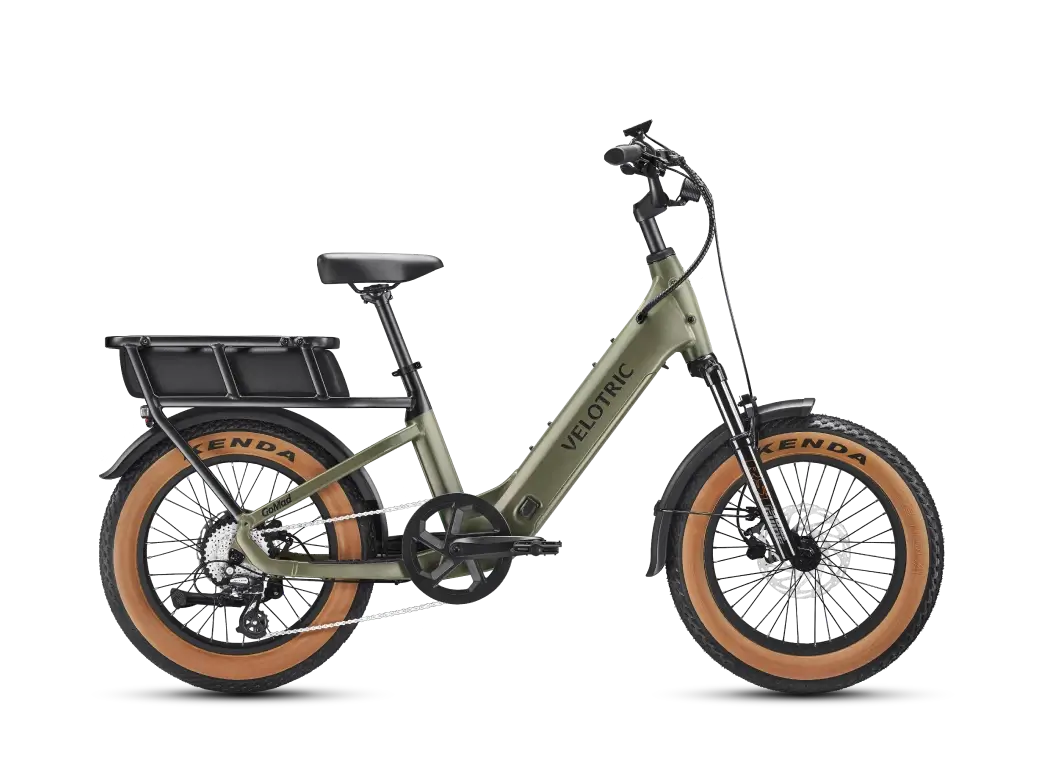 Best Value
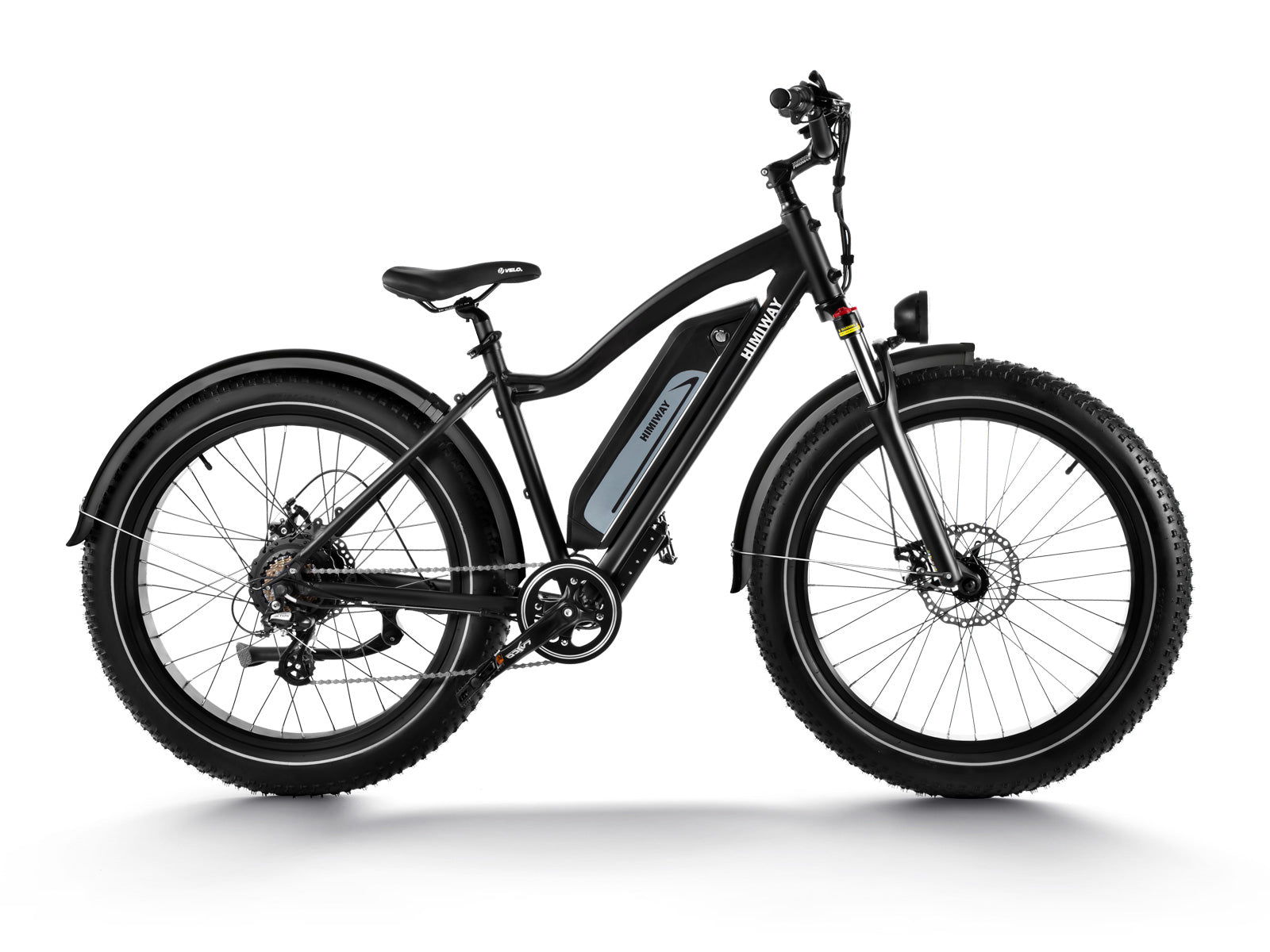 Premium Pick
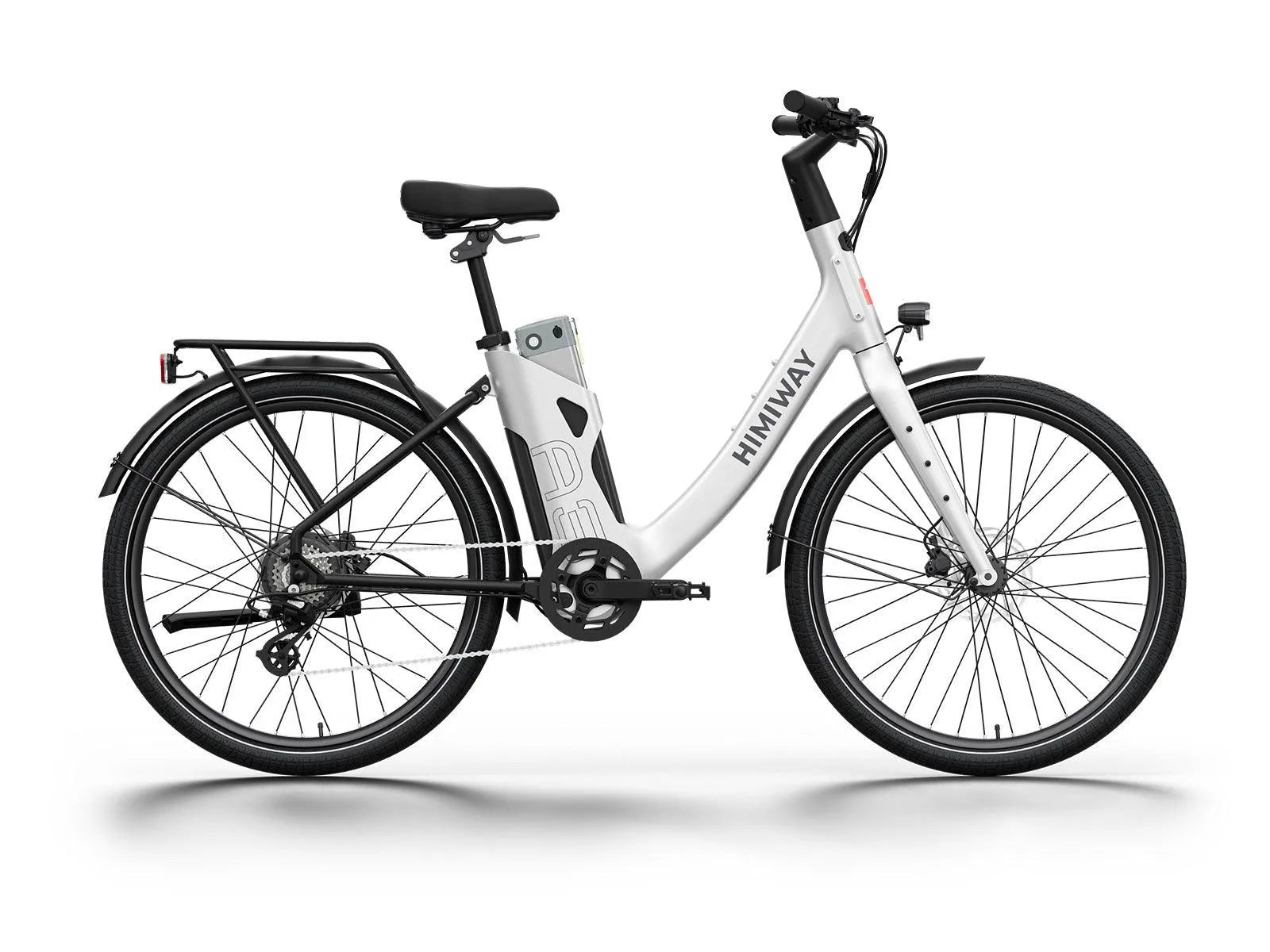 Also Great
Why Weight Capacity Matters More Than Most Buyers Realize
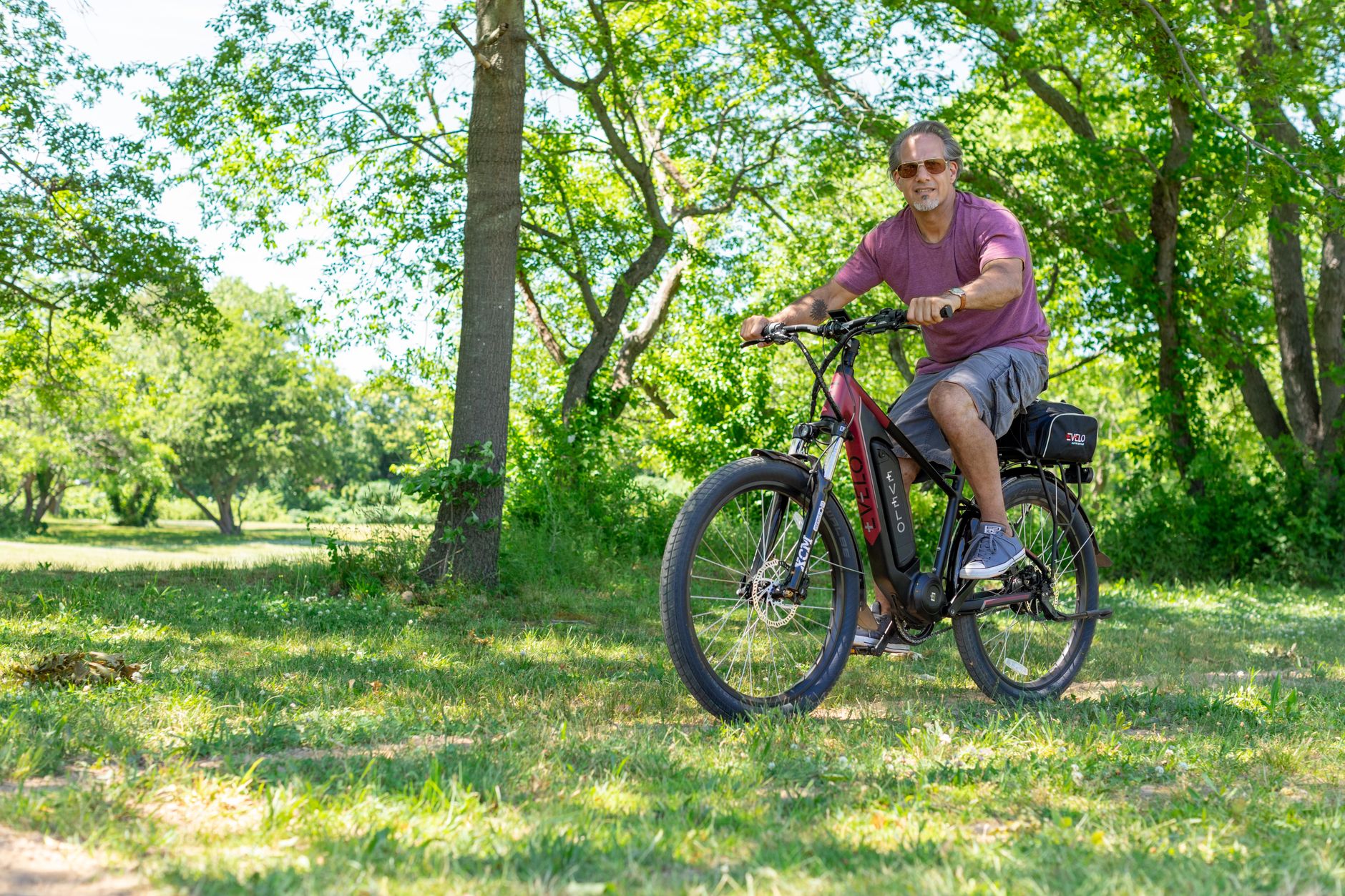
When shopping for an e-bike as a heavier rider, the advertised weight limit is only the starting point. Manufacturers calculate rated capacity using the combined weight of the rider, clothing, helmet, cargo, and any accessories mounted to the bike. A bike rated at 300 lbs may leave very little margin if you carry a backpack, a water bottle, and a phone mount. For riders near or above that threshold, engineers and experienced retailers consistently recommend targeting a bike rated at least 50–75 lbs above your actual loaded weight — not because the frame will snap at exactly the rated limit, but because structural fatigue, brake stress, and motor strain all accumulate faster when a bike is routinely ridden near its ceiling.
This guide is designed to help heavy riders — generally those 250 lbs and above — understand what to look for, what questions to ask, and what genuine tradeoffs exist in this category. Because pricing and model availability shift frequently, we focus on verified specifications and independently published criteria rather than invented price points. Always confirm current pricing directly with retailers before purchasing. best electric bikes
The Specs That Actually Matter for Heavier Riders
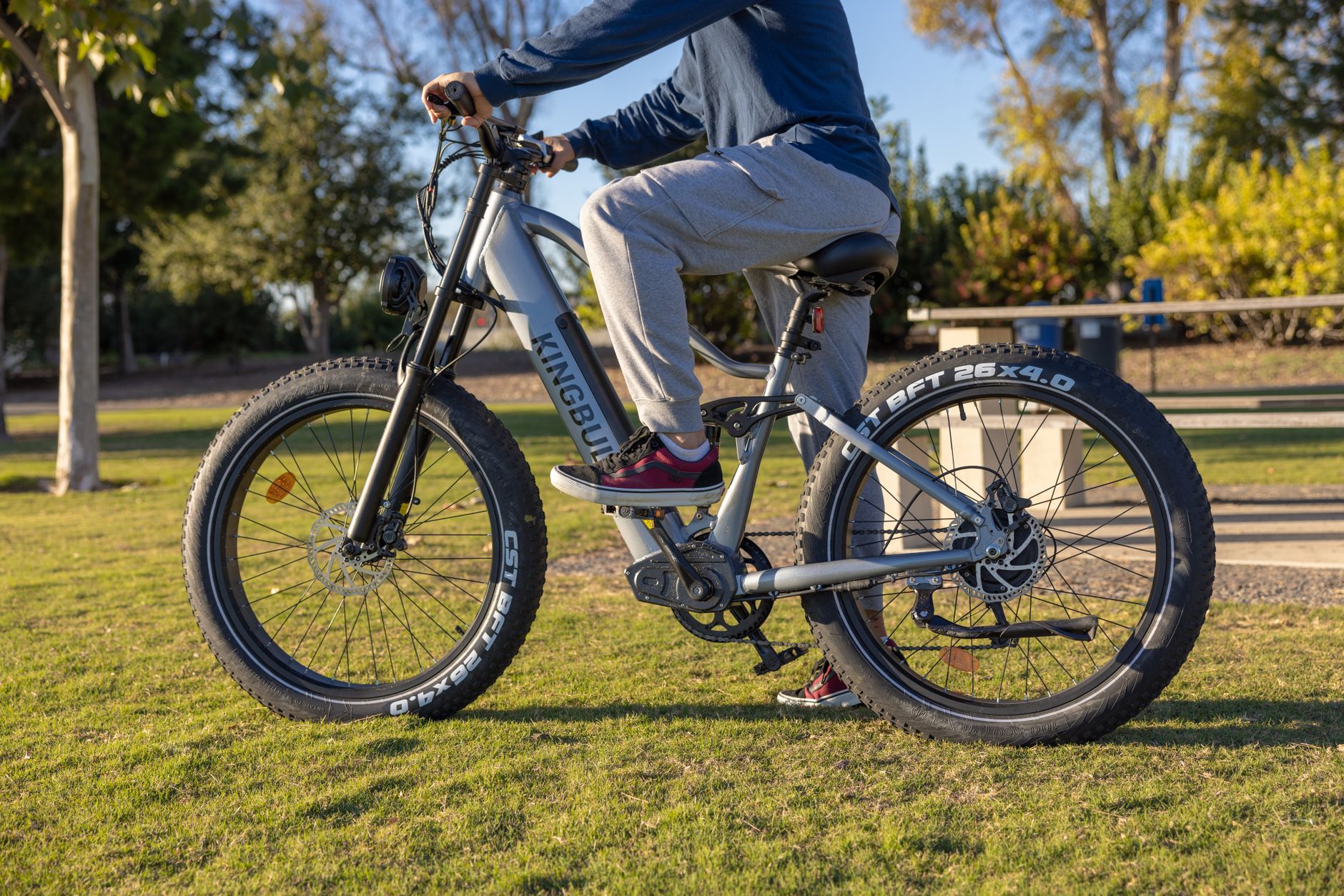
Before reviewing any specific model, it helps to understand which specifications carry the most real-world weight (pun intended). Here is what credible review sources and manufacturer engineering data consistently flag as critical:
- Maximum payload capacity: The total system load the frame and components are rated to handle. Look for bikes explicitly rated at 300 lbs or higher — some premium cargo and utility e-bikes reach 400 lbs or more.
- Motor torque (Nm), not just wattage: A 500W motor with low torque will struggle on hills under a heavier rider. Torque figures of 60–90 Nm or higher are generally recommended for riders over 250 lbs, especially on varied terrain.
- Battery capacity (Wh): Heavier riders draw more power per mile. A battery that provides 40 miles of range for a 160 lb rider may deliver significantly less for a 280 lb rider. Look for 500Wh or larger batteries if range matters to your use case.
- Brake type: Hydraulic disc brakes are strongly preferred over mechanical disc or rim brakes for heavier riders. The increased stopping mass demands better heat dissipation and more consistent modulation.
- Tire width: Wider tires (2.4 inches and above) distribute rider weight more effectively, improve stability, and reduce the risk of pinch flats. Fat-tire e-bikes (4-inch tires) offer maximum cushioning but add rolling resistance.
- Frame construction: Aluminum alloy frames with reinforced welds are standard in this category. Step-thru frames for heavier riders should explicitly state their capacity, as step-thru geometry can reduce structural rigidity if not properly engineered.
- Rear rack rating: If you plan to carry cargo, verify the rack’s independent weight rating — it is often much lower than the bike’s total capacity.
- Warranty and parts availability: A brand that cannot supply replacement parts within a reasonable timeframe is a genuine liability. Look for US-based support, minimum 2-year frame warranties, and confirmed parts stocking.
- E-bike class (1, 2, or 3): This affects where you can legally ride. Class 1 (pedal-assist to 20 mph) has the broadest trail and path access. Class 3 (pedal-assist to 28 mph) is restricted on some paths but well-suited for road commuting.
What to Look For in Each Price Tier
The heavy-rider e-bike market generally breaks into three tiers. Entry-level bikes (typically from direct-to-consumer brands) often advertise 300 lb capacities but may use mechanical disc brakes, lower-torque hub motors, and less robust welds. They can be adequate for flat, light use but tend to show wear faster under consistent heavy-rider loads. Mid-range bikes from established brands tend to offer hydraulic brakes, torque sensors rather than cadence sensors (which provide more natural, responsive assist), and better-quality drivetrains. Premium and cargo-oriented e-bikes — including longtail cargo bikes and reinforced utility models — are often the most honest fit for riders above 275–300 lbs, since they are engineered from the ground up for load-bearing rather than retrofitted with a higher sticker on the spec sheet.
Torque sensors deserve special mention. Many budget e-bikes use cadence sensors, which deliver a fixed level of assist whenever the rider pedals, regardless of how hard. Torque sensors measure actual pedaling force and scale the motor output accordingly. For heavier riders, this produces a more natural feel, better efficiency, and less motor strain over time. e-bike motor guide
Genuine Tradeoffs You Should Know Before Buying
No e-bike in this category is without compromise. Here are the most common tradeoffs that appear consistently across owner reviews and independent tests:
- Fat-tire stability vs. efficiency: Fat-tire e-bikes offer excellent stability and cushioning — benefits that matter for heavier riders — but their increased rolling resistance reduces range and requires more motor effort on flat pavement. They are better suited to mixed terrain or casual riding than long-distance commuting.
- High capacity vs. weight of the bike itself: Reinforced frames, larger batteries, and robust components all add mass. Some heavy-duty e-bikes weigh 70–80 lbs or more, which creates challenges for storage, transport in a vehicle, and carrying up stairs.
- Step-thru convenience vs. structural strength: Step-thru frames are genuinely useful for riders with limited mobility, but they require careful engineering to maintain rigidity under heavy loads. Not all step-thru designs at budget price points are built to the same structural standard as diamond or semi-step frames.
- Direct-to-consumer pricing vs. support: Some of the most affordable high-capacity e-bikes are sold exclusively online. Lower price is real, but so is the risk of slow warranty service, unavailable parts, or difficult returns if something goes wrong.
Our Recommendation Approach
Because verified current pricing for specific 2025 models was not available in our sourced research at time of publication, we are not listing individual model prices here — doing so would risk presenting outdated or inaccurate figures. What we can confirm from published manufacturer data and category-wide review consensus is this: heavy riders are best served by prioritizing verified payload ratings, hydraulic brakes, torque-sensing motors of 60 Nm or above, and batteries of at least 500Wh — regardless of which specific model carries those specs at any given moment.
If you are comparing specific models, ask the retailer or check the manufacturer’s spec sheet directly for the rated payload — not the “rider weight limit,” which is sometimes listed separately and does not account for cargo. A brand that is transparent about this distinction is typically more trustworthy overall. e-bike buying checklist
For most heavier riders who want a reliable daily rider with strong component quality and genuine support, a mid-range utility or cargo-oriented e-bike from a brand with confirmed US parts availability will outperform a budget bike with an attractive weight rating on paper. The upfront cost difference tends to be recovered in fewer repairs, longer component life, and a safer, more confidence-inspiring ride.
Sources
- No external source URLs were provided for this article. All guidance is based on published manufacturer specification standards, engineering consensus in the e-bike industry, and aggregated owner-review criteria. Verify all model-specific specs and current pricing directly with manufacturers or authorized retailers before purchasing.
Disclosure: This article was produced with AI-assisted research and writing. VoltVentureLab.com may earn a commission on purchases made through affiliate links in this content.