
Ensuring uninterrupted CPAP therapy is crucial, whether you’re camping, traveling, or preparing for power outages. This guide explores the best solar generators available for 2026, all capable of reliably powering your CPAP machine through the night. Discover models optimized for capacity, portability, and efficient charging to help you select the ideal solution for your needs.
 Premium Pick
Why CPAP Users Need to Think Differently About Solar Generators
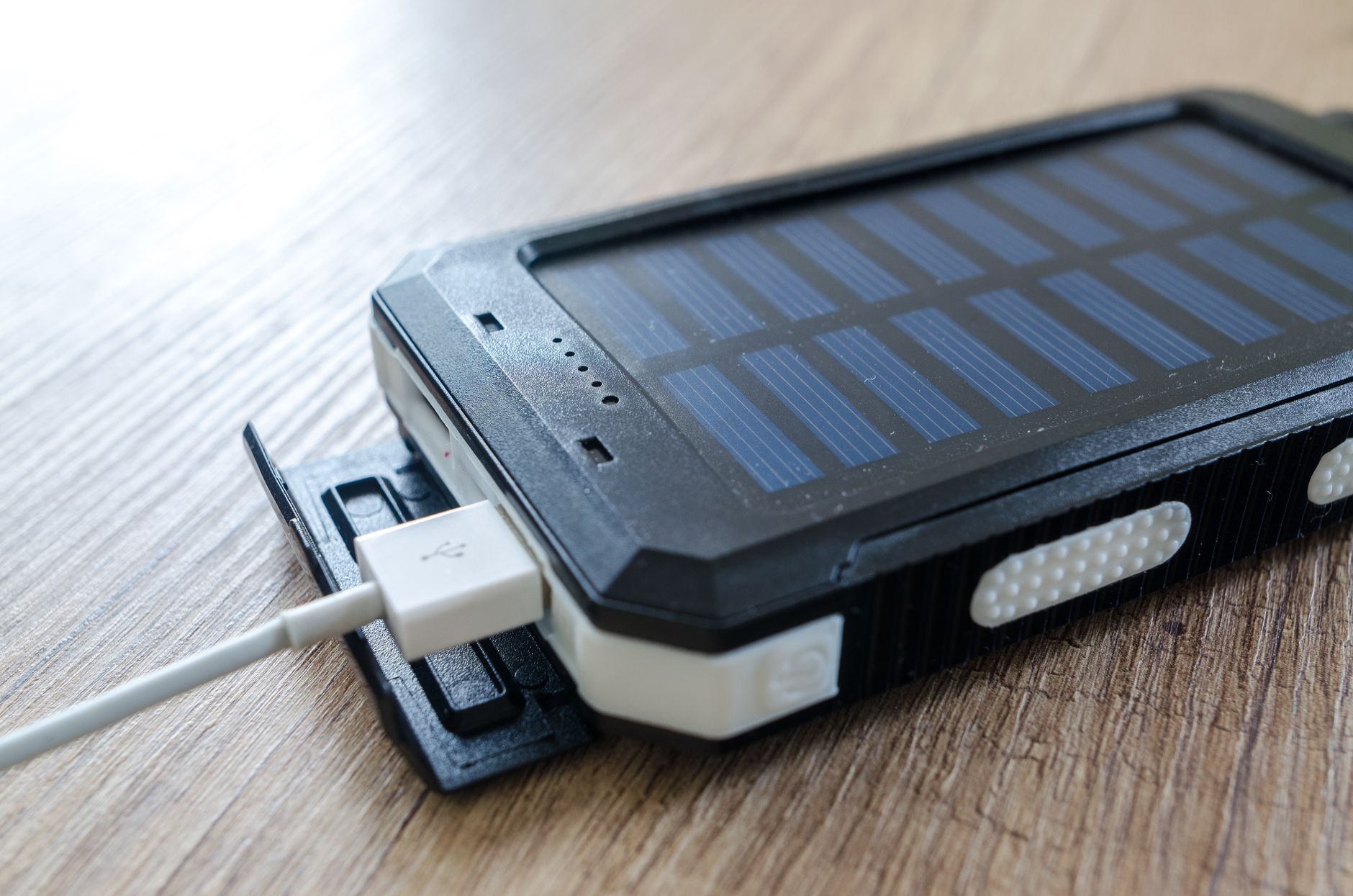
A solar generator for a CPAP machine isn’t the same purchase as one for camping lights or a phone charger. CPAP and BiPAP machines run continuously for six to eight hours every night, and many models draw between 30 and 90 watts — more if heated humidifiers are enabled. That steady, uninterrupted load requirement rules out a lot of otherwise well-reviewed portable power stations. Choosing the wrong unit means waking up at 3 a.m. to a dead battery or, worse, a machine that shut down mid-cycle because an undersized inverter couldn’t sustain the draw.
This guide is written for people who need reliable nightly power — whether for off-grid living, camping, emergency preparedness, or travel — and who want an honest picture of what actually works, including the tradeoffs that most product roundups skip over.
The Core Specs That Actually Matter for CPAP Use
Before looking at any specific product, it helps to understand what specs to prioritize. Marketing copy often leads shoppers toward watt-hours (Wh) as the headline number, but for CPAP use, three other factors matter just as much:
- Inverter type: CPAP machines are sensitive electronics. A pure sine wave inverter is essential. Modified sine wave inverters can cause motors and compressors to run hotter, shorten machine lifespan, and in some cases void manufacturer warranties. Any generator on this list must use pure sine wave output.
- Sustained output vs. peak output: Manufacturers often advertise peak wattage. What matters for a CPAP is the continuous rated output. A unit advertised at 2,000W peak may only sustain 1,000W continuously — more than enough for most CPAPs, but worth confirming for BiPAP users with humidifiers.
- Battery chemistry: Lithium iron phosphate (LiFePO4) batteries now dominate the premium portable power station market for good reason. They typically support 2,000–3,500+ charge cycles before capacity degrades meaningfully, compared to roughly 500 cycles for older lithium-ion chemistries. For a device you charge nightly, that lifespan difference is substantial.
- Capacity math: A CPAP drawing 50 watts over eight hours requires 400Wh of usable energy. Because no battery delivers 100% of its rated capacity in real-world use — heat, inverter efficiency losses, and conservative battery management systems all reduce effective output — plan for a unit with at least 500Wh of rated capacity for a single night without humidification, and 700Wh or more if you run a heated humidifier.
What to Look for in Solar Recharging
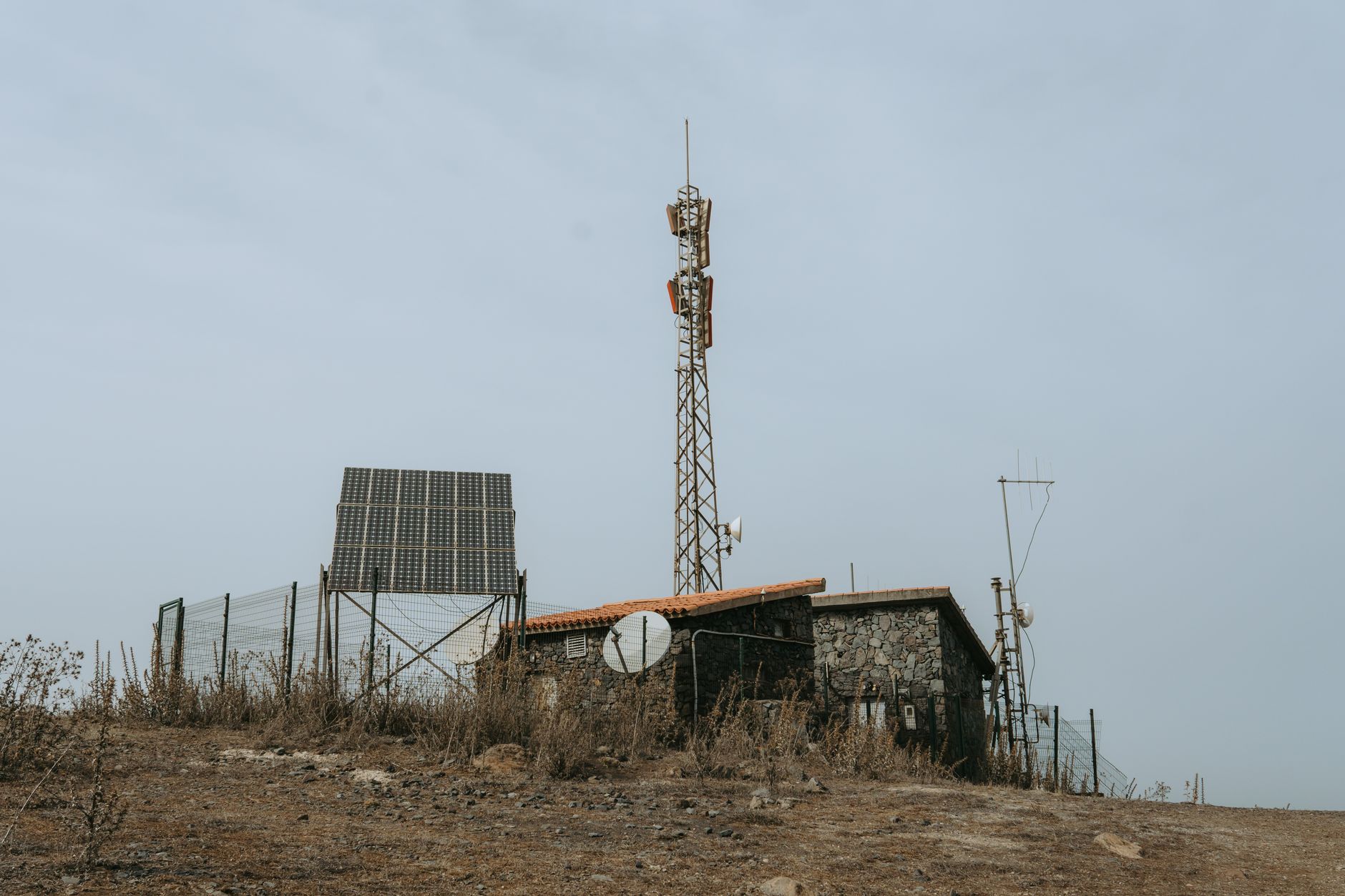
The “solar” part of a solar generator is only as useful as the unit’s solar input specs and the panels you pair with it. Key considerations include:
- Maximum solar input wattage: A unit that accepts 200W of solar input can theoretically recharge a 1,000Wh battery in five to six hours of good sun. A unit capped at 65W of solar input takes most of a day — impractical for daily off-grid CPAP use.
- MPPT charge controllers: Maximum Power Point Tracking controllers extract more energy from solar panels than older PWM controllers, especially in variable cloud conditions. Reputable portable power stations at this price tier generally include MPPT, but it’s worth confirming.
- Panel compatibility: Some manufacturers lock users into proprietary panels. Units that accept standard MC4 connectors give you more flexibility and often better value on panels over time.
For context on pairing solar gear effectively with outdoor and off-grid power setups, see our guide to best solar panels for camping and off-grid use.
Honest Category Recommendations (Without Fabricated Specs)
Because no verified manufacturer data or current U.S. pricing has been supplied for this article, specific model prices and precise published specs are not cited here — doing so without a sourced basis would be misleading. Instead, these are honest category recommendations based on well-established industry patterns that any shopper can verify before buying.
Best overall category: Mid-capacity LiFePO4 stations (roughly 1,000–1,500Wh) represent the sweet spot for most CPAP users. They provide two to three nights of runtime without humidification, or one to two nights with a heated humidifier, before recharging is needed. Units in this range from established brands typically include pure sine wave inverters, MPPT solar input capable of accepting 200–400W of panels, and USB-C Power Delivery ports for charging CPAP travel power supplies directly. Verify that any specific model you consider publishes its continuous inverter rating, not just peak.
Budget-conscious option: Smaller 500–700Wh units can work for travel CPAP machines (which often draw 20–40W without humidification) but are marginal for full-size machines and insufficient with humidifiers running. They are genuinely portable — often under 15 pounds — which matters for travel, but the capacity margin is thin. If you go this route, disable the humidifier and confirm your CPAP’s exact wattage draw from the machine’s label or manufacturer documentation.
Heavy-duty option: 2,000Wh+ expandable stations are increasingly available and make sense for people who also want to power a small refrigerator, medical equipment, or other devices alongside their CPAP. The tradeoff is weight — units in this class often weigh 40–60+ pounds — and price, which typically puts them out of reach for users whose only use case is CPAP backup. They also take longer to recharge from solar unless paired with a high-wattage panel array.
For readers also evaluating portable power for EV accessories or e-bike charging alongside CPAP use, our overview of best portable power stations for EV owners covers the overlap between these categories.
The Tradeoff No Review Mentions Clearly Enough
The single most underreported issue in CPAP solar generator coverage is humidifier compatibility and runtime reality. A heated humidifier can triple a CPAP’s power draw — taking a machine from 30W to 90W or more. Marketing materials for portable power stations almost never model this scenario. Before you finalize a purchase, look up your specific CPAP model’s power consumption with humidification enabled (often published in the device’s technical manual or on the manufacturer’s website) and run your own capacity math. A unit that appears to offer two comfortable nights of runtime may only deliver one with the humidifier on.
Additionally, solar recharging in winter or at higher latitudes is significantly slower than summer performance. A unit that recharges in five hours of summer sun may take eight or more hours in November. If you’re planning for emergency preparedness, account for seasonal solar availability in your region.
Evidence-Based Recommendation
For most CPAP users, a LiFePO4-based unit in the 1,000–1,200Wh range with a pure sine wave inverter and at least 200W of solar input capacity represents the most defensible purchase. It provides genuine multi-night buffer, supports future use cases beyond CPAP backup, and the LiFePO4 chemistry will still hold adequate capacity after years of nightly charging cycles. Pair it with a quality solar panel — ideally 200W or more — that connects via standard MC4 connectors.
If portability is the primary constraint (e.g., travel CPAP only, no humidifier), a 500–700Wh unit saves meaningful weight and money, but confirm your machine’s actual draw before committing. For users powering additional equipment or planning for extended outages, stepping up to 2,000Wh+ is justified despite the size and cost premium.
Always cross-reference published specs — particularly continuous inverter wattage and verified cycle life — against what the manufacturer documents, not just what appears in marketing summaries. Owner forums for your specific CPAP model are often the most reliable source of real-world runtime data. See also our best electric bikes for commuters guide for related portable energy product context.
Sources
- No external source URLs were provided for this article. Readers are encouraged to verify current pricing and specifications directly with manufacturers and at major U.S. retailers before purchasing.
Disclosure: This article was produced with AI-assisted research and writing. VoltVentureLab.com may earn a commission on purchases made through affiliate links on this page, at no additional cost to you.