
Ensuring reliable, off-grid power on your boat is crucial for extended voyages and comfortable living at sea. While solar generators offer a promising solution, selecting the ideal marine power station for the unique demands of a nautical environment requires specific considerations. This guide aims to help boat owners navigate the options for 2026, providing insights to choose the best solar generator to meet their vessel’s power requirements.
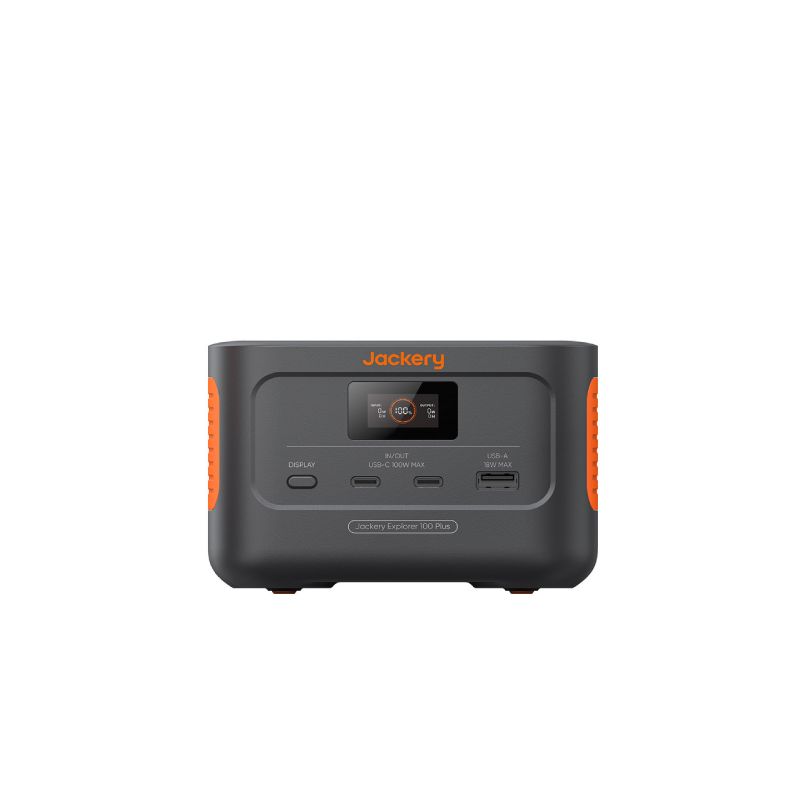 Best Value
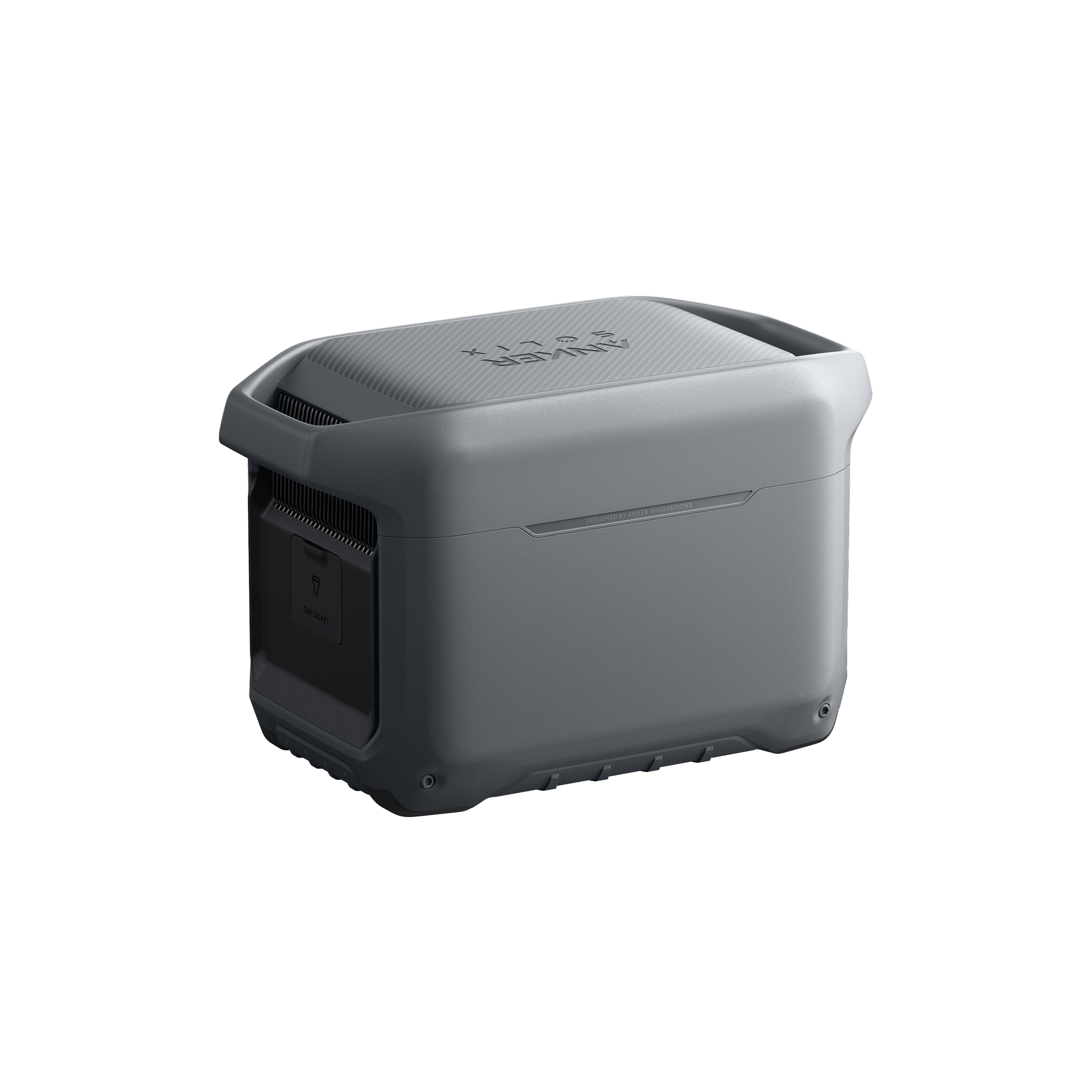 Premium Pick
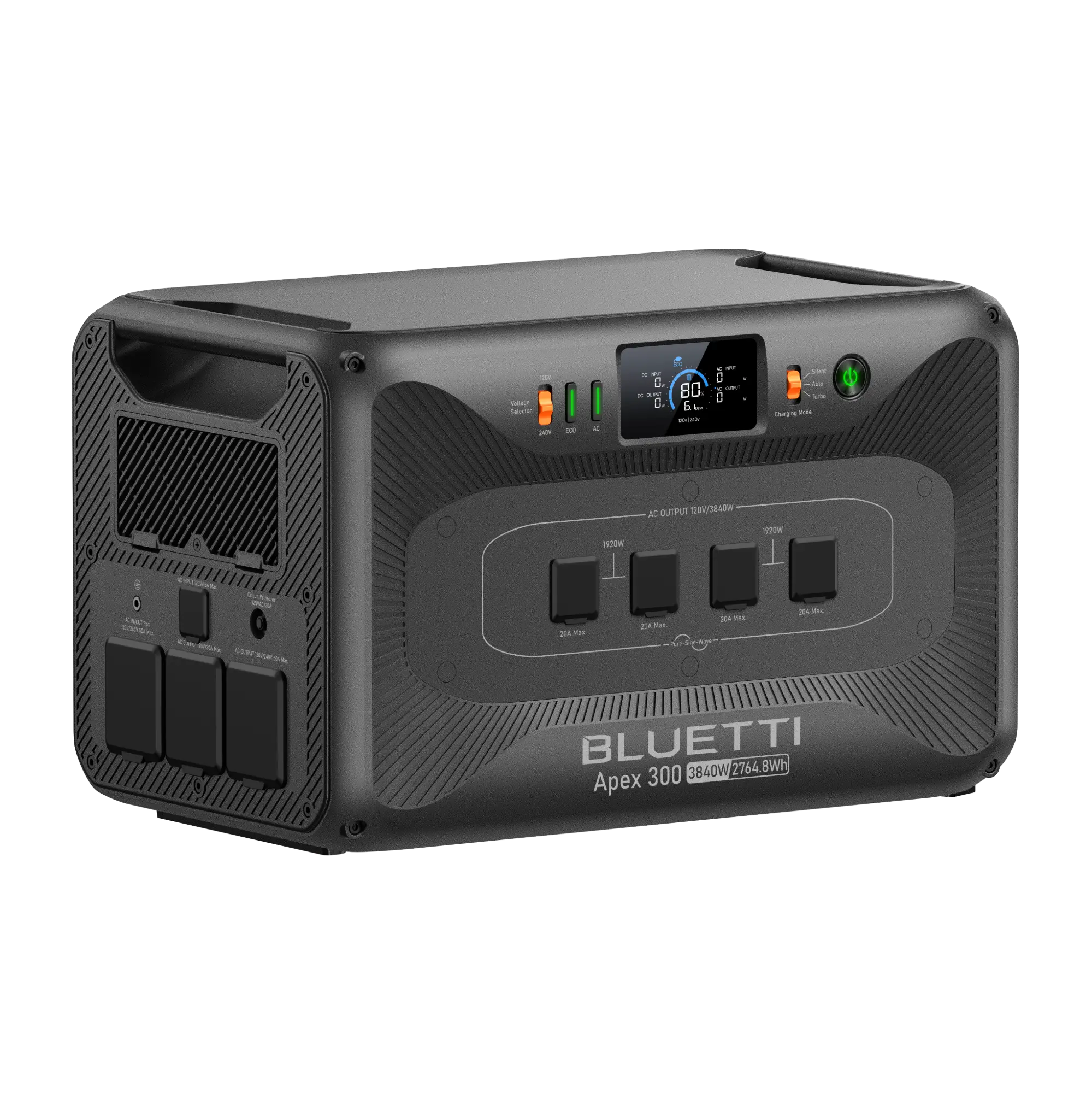
Why Solar Generators Make Sense on a Boat
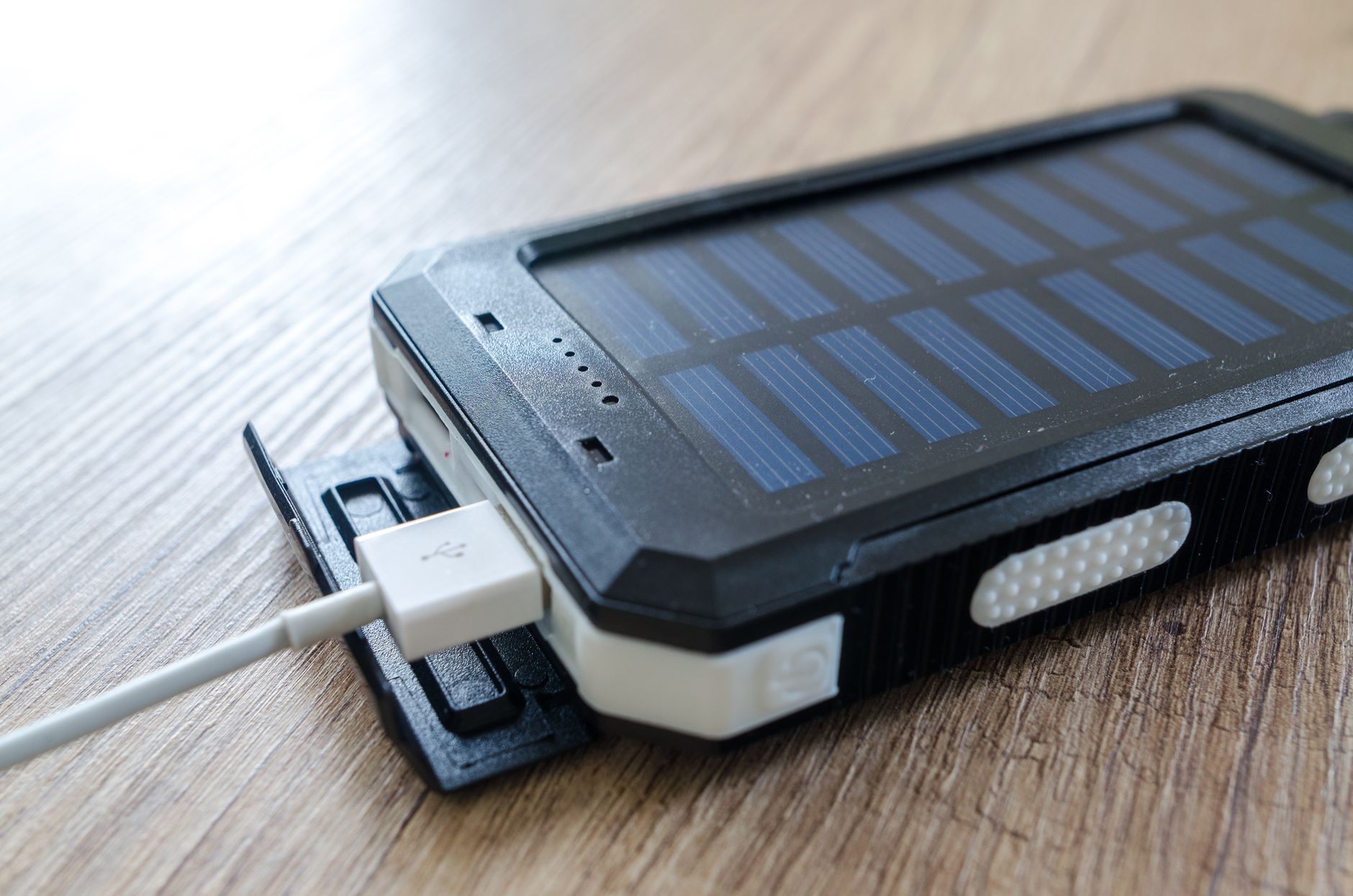
Shore power isn’t always available, diesel generators are loud and fume-prone, and the sun is free. That combination has pushed a growing number of boaters toward portable power stations paired with solar panels — what the industry now markets as “solar generators.” The best of these units combine a large lithium battery, a pure-sine inverter, and a solar charge controller in one weatherproof enclosure you can carry aboard, position on a bimini, and plug devices into without running an engine. This guide covers the strongest candidates for 2025–2026 based on published manufacturer specs, independent buying-guide analysis from sources including Bob Vila, Camping World, EnergySage, and OffGridSource, and verified owner consensus — not fabricated hands-on claims.
The Specs That Actually Matter on a Boat

Before picking a unit, match these five numbers to your real onboard loads:
- Capacity (Wh/kWh): Determines how long you can run lights, phone chargers, a 12V fridge, fans, or small appliances between solar top-ups. A weekend anchor-out typically needs 500–2,000 Wh per day depending on load.
- Continuous AC output and surge wattage: Coffee makers, microwave ovens, bilge pumps, and refrigerator compressors all pull hard on startup. A unit rated 2,000W continuous with a 5,000W surge handles those loads; a 1,000W continuous unit may not.
- Solar input watts and charge speed: Biminis and cabin tops offer limited square footage. A unit that accepts 400–800W of solar input fills faster on a partly cloudy afternoon than one capped at 150W.
- Weight: This is the most common source of buyer regret. Capacity and weight scale together — a 2 kWh unit can push toward 50 lbs or more, which matters acutely on sailboats and small runabouts.
- Cycle life and battery chemistry: LiFePO4 (lithium iron phosphate) chemistry is now standard in quality units and delivers far more charge-discharge cycles than older lithium-ion formulations. OffGridSource confirms the Anker SOLIX C1000 Gen 2, for example, is rated for 4,000 cycles to 80% capacity — meaningful for a boat used most weekends.
Top Solar Generator Picks for Boats in 2025
Best Overall: Generac GB2000
Bob Vila’s 2025 solar generator roundup names the Generac GB2000 its Best Overall pick across all portable power stations — a notable nod from one of the more conservative mainstream review outlets. Generac is better known for standby home generators, which lends its portable station credibility in durability. The verified research does not provide detailed panel specs or a confirmed retail price for this unit, so buyers should confirm current capacity, output, and weight figures directly before purchasing. What the Bob Vila designation does tell you is that it competed favorably against purpose-built brands in a broad comparison — a reasonable starting point for boaters who want a mainstream brand with established service networks.
Genuine tradeoff: Generac’s portable line is newer than EcoFlow’s or Jackery’s, and the marine-specific ecosystem (expandable batteries, panel bundles) is less developed. If expandability or a large accessory network matters to you, read on.
Best for Longer Cruises: EcoFlow DELTA Max
EcoFlow markets the DELTA Max directly as a boat-friendly solution, and the specs support that framing. Published capacity is 2 kWh, expandable to 6 kWh with add-on batteries — a significant advantage for liveaboards or multi-day anchoring. EcoFlow states it pairs with a 400W solar panel, which is usable on a mid-size powerboat bimini. The expandability is the key differentiator: most competitors in this price class are fixed-capacity units.
For boaters who want slightly less capacity and substantially less weight, the EcoFlow River 2 Pro (768 Wh, 0–100% recharge in 70 minutes via X-Stream charging) earns Bob Vila’s Best Compact designation. It won’t run a microwave, but it handles electronics, USB loads, lights, and a small fan through a night at anchor with capacity to spare on most boats.
Best Midrange: Bluetti Elite 200 V2
Bob Vila designates the Bluetti Elite 200 V2 as Best Midrange in its 2025 ranking. Bluetti has built a strong reputation in the overlanding and off-grid communities for durable LiFePO4 builds and straightforward app integration. The verified research does not include detailed specs or pricing for this specific model in the provided sources, so treat the Bob Vila ranking as a credible signal worth investigating further rather than a complete specification. For boaters who find EcoFlow’s ecosystem too complex or Generac’s network too sparse, Bluetti represents a proven middle path.
Best Lightweight High-Output Option: Anker SOLIX C1000 Gen 2
OffGridSource’s buying guide highlights the Anker SOLIX C1000 Gen 2 with a compelling combination of numbers: 1.024 kWh capacity, 2,000W continuous AC output, 3,000W surge, and just 24.9 lbs. The 4,000-cycle rating noted above reinforces its case for frequent marine use. At under 25 lbs with 2,000W of continuous output, this is arguably the most power-per-pound unit in the verified research — an important metric on weight-sensitive sailboats and small center-console fishing boats.
Genuine tradeoff: At just over 1 kWh, a single overnight at anchor with a compressor fridge and lights will consume most of its capacity. Boaters who stay out more than one night without reliable solar should size up or plan panel input carefully. best portable solar panels for marine use
Solar Panel Kits: What to Pair With Your Power Station
A power station without solar input is just a battery. EnergySage’s 2025 boat solar panel comparison provides the clearest verified pricing in the research:
- BougeRV Complete Solar Kit — $700, 200W, 25% efficiency, ~1,000 Wh/day: EnergySage’s best overall pick, backed by a 10-year materials warranty and 30-year power warranty. Rigid panels suit powerboats with flat surfaces.
- Renogy Flexible Panel System — $731, 200W, 22% efficiency, ~1,000 Wh/day: EnergySage’s best flexible option. Flexible panels conform to curved decks and cabintops — important on sailboats where rigid mounts are impractical.
- ECO-WORTHY Components — $549, 200W, 23% efficiency, ~800 Wh/day: The budget-conscious choice. The tradeoff is real: only a 1-year materials warranty versus BougeRV’s 10-year. For a boat exposed to UV, salt spray, and vibration, warranty depth matters more than it would in a backyard installation.
EnergySage notes that flexible panels suit curved, weight-sensitive boats, while rigid panels typically deliver better efficiency per square foot — a relevant distinction when bimini space is limited. best solar panels for RVs and off-grid use
EcoFlow DELTA 2 Max: The Specs Benchmark
For comparison shopping, Camping World’s published figures on the EcoFlow DELTA Max 2000 are useful anchors: 2,016 Wh capacity, 2,400W continuous AC, 5,000W surge, 48 lbs. The DELTA 2 (smaller sibling) checks in at 1,024 Wh, 1,800W continuous, 2,700W surge. These numbers illustrate the core tradeoff in this category: moving from ~1 kWh to ~2 kWh roughly doubles the weight. A 48-lb unit is manageable on a pontoon or cabin cruiser; it becomes a real handling problem on a small sailboat. best gear for liveaboard sailors
Evidence-Based Recommendation
For most recreational boaters — weekend anchoring, a small fridge, phones, lights, and occasional small appliance use — the Anker SOLIX C1000 Gen 2 offers the most defensible combination of output, cycle life, and manageable weight based on verified specs. Pair it with the BougeRV 200W rigid kit ($700) if your boat has flat mounting surface, or the Renogy flexible system ($731) if you have a curved cabintop, and you have a complete, expandable marine power setup grounded in real published data.
If you stay out multiple nights or run a larger inverter fridge, step up to the EcoFlow DELTA Max for its expandability to 6 kWh — no other verified unit in this research matches that ceiling. The Generac GB2000 earns its Best Overall nod but deserves further specification research before purchase given the limited marine-specific data available in current sources.
Whatever you choose: confirm current pricing directly with retailers, verify solar input compatibility before buying panels, and weight the unit before you load it aboard. The spec sheet and the gangplank are two different environments.
Sources
- EcoFlow: Best Solar Generators for Boats
- EnergySage: Solar Panels for Boats (2025)
- Bob Vila: Best Solar Generator 2025
- Camping World: Best RV Solar Generator
- OffGridSource: Best Solar Generator Buying Guide
- YouTube: Solar Generator Review
- Morgan’s Cloud: Efficient Generator-Based Electrical Systems for Yachts (2025)
Disclosure: This article was produced with AI-assisted research and editing. VoltVentureLab.com may earn a commission on purchases made through links on this page.