
Maximizing your e-bike’s range is a priority for many riders, enabling longer commutes and more adventurous explorations. This article explores 12 proven strategies, informed by current e-bike technology and riding best practices, designed to help you significantly extend your battery’s potential in 2026. From optimizing your riding style to smart maintenance, discover practical adjustments that can make a real difference to your distance.
Why E-Bike Range Still Matters More Than Speed in 2025–2026
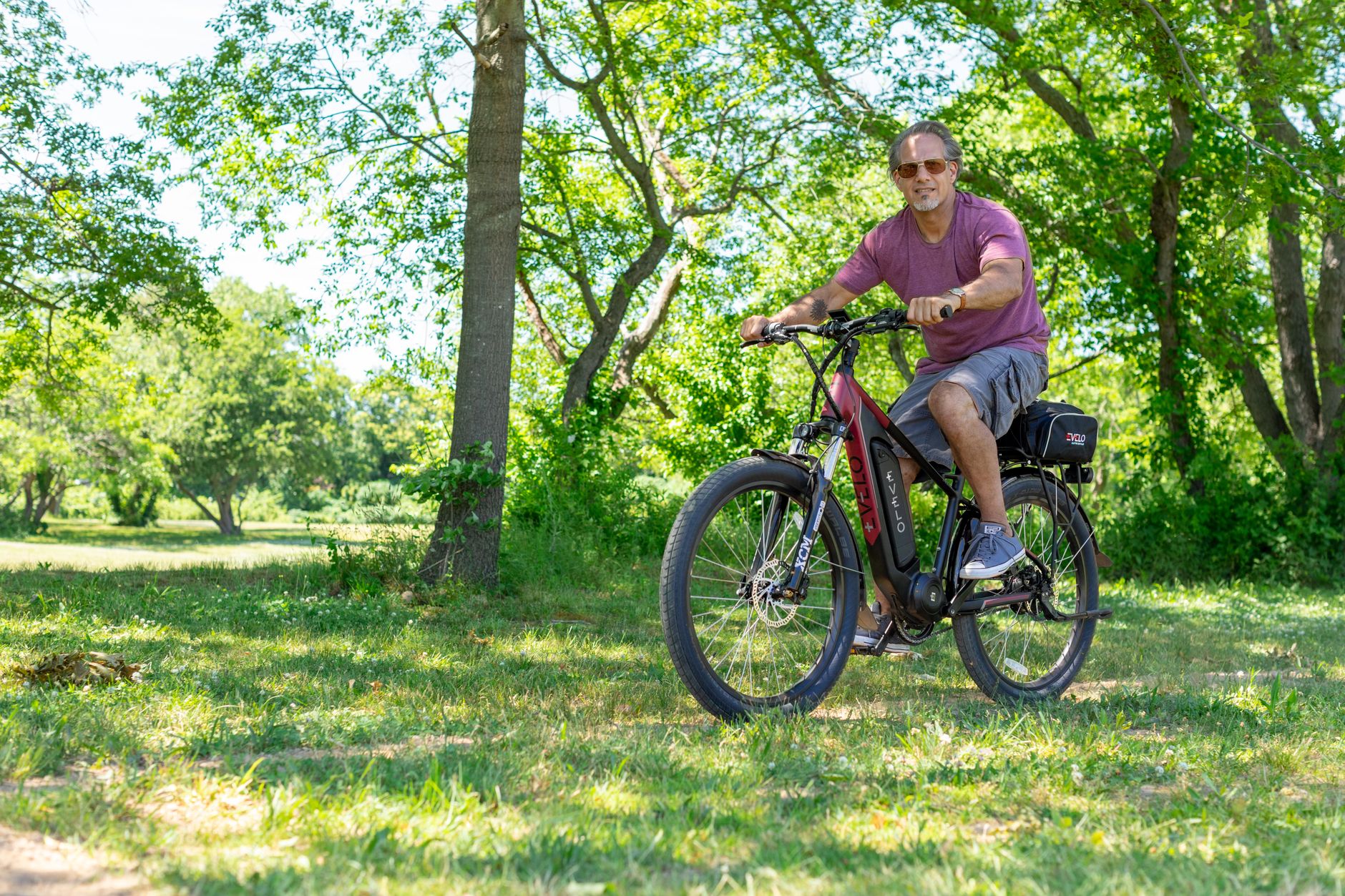
Range anxiety is the single most common reason riders hesitate before buying an e-bike — or feel disappointed after. The good news is that extending your e-bike’s real-world range is less about expensive hardware upgrades and more about a handful of disciplined habits and smart buying decisions. This guide pulls from current owner consensus, published expert reviews, and manufacturer data to give you 12 practical, evidence-backed ways to get more miles from every charge in 2025 and beyond.
Understanding What Actually Drains Your Battery
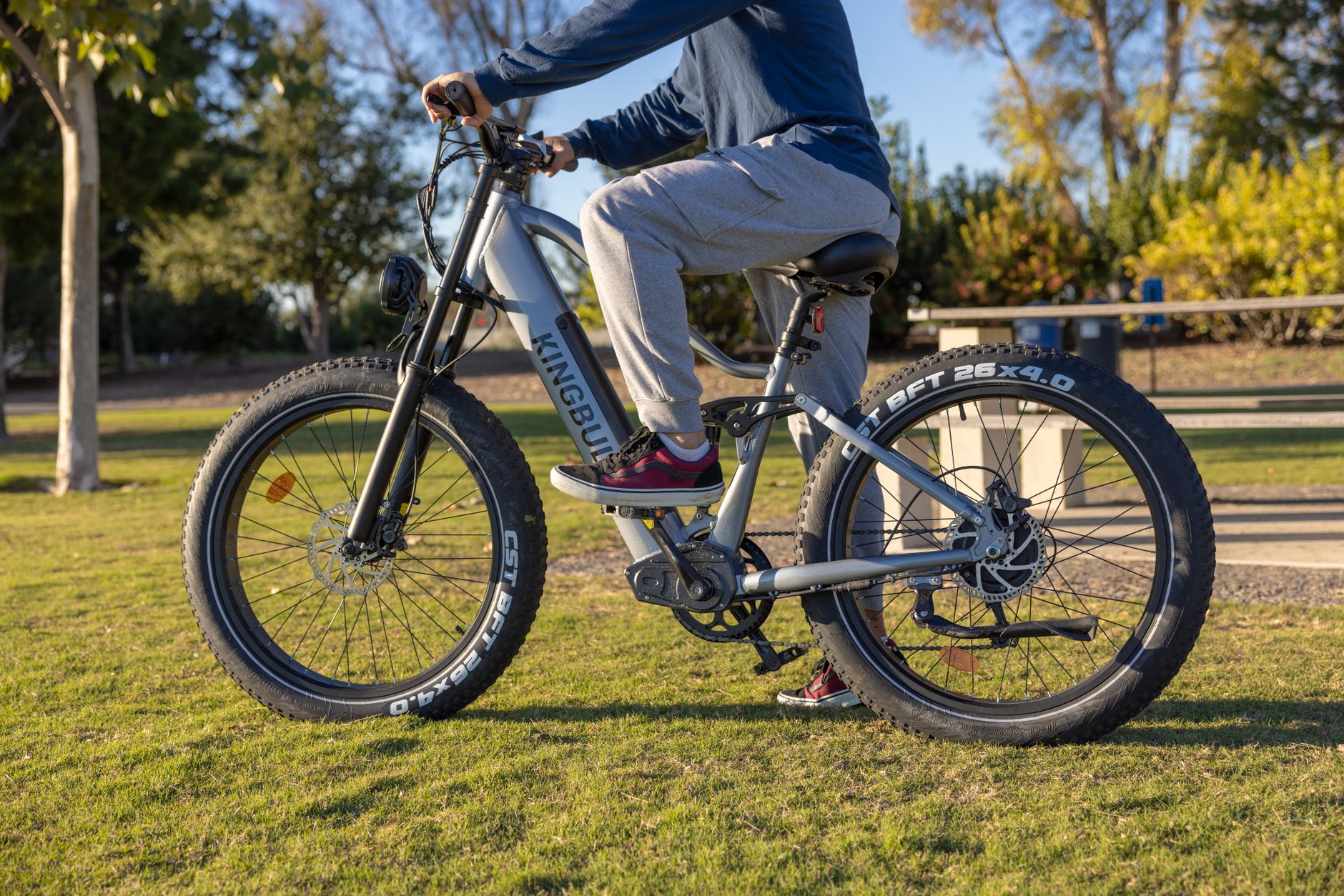
Before jumping to tips, it helps to understand the core physics. According to Tesway’s range analysis, e-bike range depends mainly on two variables: how much energy the battery can store (measured in watt-hours, or Wh) and how quickly the motor uses that energy. High assist levels, heavy loads, headwinds, steep hills, and underinflated tires all push energy consumption up. Reduce those demands and your range climbs — often significantly, without spending a dollar.
12 Proven Tips to Extend Your E-Bike Range
1. Use a Lower Assist Level
This is the single highest-impact change most riders can make immediately. Tesway explicitly identifies high assist levels as one of the biggest range killers on any e-bike. Dropping from maximum assist to an Eco or mid-level mode can dramatically extend the distance you cover on a single charge. Treat max assist as a tool for hills and headwinds, not a default setting.
2. Maintain Proper Tire Pressure
Underinflated tires increase rolling resistance, which means the motor works harder to push you forward. Multiple sources — including Tesway and general e-bike maintenance guides — flag tire pressure as a meaningful and easily controllable range factor. Check your tire sidewall for the recommended PSI and inflate to that range before every longer ride.
3. Moderate Your Speed
Wind resistance increases sharply as speed rises. Tesway notes that riding above a comfortable city pace is a major range killer, especially once you exceed the point where pedaling input stops keeping up with drag. Riding at a moderate, consistent pace rather than accelerating hard and braking frequently will stretch your battery noticeably further.
4. Reduce Your Cargo Load
Every extra pound your motor has to move costs battery energy. Bicycling’s e-bike buying guidance specifically calls out weight and cargo needs as important factors when evaluating range. If you regularly carry a heavy bag, groceries, or gear, consider whether some of that load can be redistributed or left behind on shorter trips.
5. Charge Before the Battery Gets Too Low
Consumer Reports recommends avoiding deep discharges as a core battery-care practice. Repeatedly draining a lithium battery to near zero stresses the cells and degrades capacity over time, which means your maximum range shrinks with every avoidable deep discharge. Aim to plug in before the battery drops below roughly 20 percent.
6. Store the Battery Partly Charged at Room Temperature
If you are not riding for several days or weeks, Consumer Reports advises storing your battery partially charged — not fully topped up, and not nearly empty — and keeping it at room temperature. Heat accelerates chemical degradation inside lithium cells, and cold storage followed by charging without letting the battery warm up first can also reduce performance and lifespan.
7. Let a Cold Battery Warm Up Before Charging
Consumer Reports specifically calls out charging a cold battery as a habit to avoid. After a winter ride, bring the battery indoors and let it return to room temperature before plugging it in. This simple step protects cell integrity and helps preserve your long-term maximum range.
8. Choose Higher Wh Battery Capacity When Buying
If you are shopping for a new e-bike with range as a priority, Tesway advises focusing on watt-hour capacity rather than peak power claims. A larger battery provides a bigger energy reserve. The Cannondale Neo, for example, uses a 418 Wh semi-integrated battery and a 250-watt Bafang hub motor for a claimed 47-mile range, according to Bicycling — a reasonable benchmark for a mid-capacity commuter setup. best electric bikes
9. Consider a Dual-Battery Setup for Maximum Real-World Range
For riders who genuinely need long-distance capability, a dual-battery configuration is the most straightforward solution available right now. Bicycling reports that the Lectric XPedition single-battery model is rated at 60 miles, while the dual-battery model doubles that to 120 miles — currently priced at $1,799 versus $1,399 for the single-battery version. That $400 premium for double the range is one of the clearest value propositions in the current market for range-focused buyers.
10. Pick a Bike That Fits Your Terrain and Riding Style
An efficient motor matched to your actual use case will outperform a more powerful motor that you are always fighting against. Bicycling notes that bike weight — many e-bikes exceed 90 pounds — affects both handling and battery consumption. A lighter, appropriately specced bike ridden at moderate assist will almost always deliver better real-world range than a heavy, high-powered model ridden on max.
11. Keep Your Drivetrain Clean and Well-Maintained
A dirty or poorly lubricated chain, misaligned gears, or rubbing brakes all create mechanical drag that forces the motor to work harder. Routine maintenance — cleaning the chain, checking brake pad clearance, and ensuring smooth gear shifts — costs almost nothing and keeps your drivetrain from stealing range quietly over time.
12. Buy From Brands With Replacement Battery Availability
Even a well-maintained battery degrades over years of use. Bicycling recommends prioritizing brands that offer at least a one-year warranty on electronic components and have replacement batteries available. A bike with no accessible replacement battery option will eventually deliver diminishing range with no practical remedy. This is a long-term range consideration that buyers often overlook at purchase time. e-bike battery guide
The Standout Value Pick for Range-Focused Buyers
Among currently reviewed models, the Lectric XPedition dual-battery version is the clearest winner for riders prioritizing maximum real-world range. At $1,799 with a verified 120-mile dual-battery range per Bicycling’s coverage, it offers a range ceiling that most competitors at similar or higher prices cannot match. The genuine tradeoff is that the XPedition, like many cargo-capable e-bikes, is a heavy, utilitarian machine — not well-suited to riders who need to carry it up stairs or load it on a standard car rack.
For riders who want a polished everyday commuter rather than maximum range at all costs, Outdoor Gear Lab names the Aventon Level 3 — currently at $1,999 — as the best everyday electric bike of 2026, describing it as “high-tech, well-designed, and a great value.” It will not match the XPedition’s dual-battery range, but it offers a more balanced package for riders whose priority is daily usability rather than ultra-long-distance capability. commuter e-bike comparison
The Bottom Line
Most riders leave significant range on the table through habits, not hardware. Lower assist, consistent tire pressure, moderate speed, and disciplined charging practices cost nothing and deliver real results immediately. When it is time to buy or upgrade, prioritize higher Wh battery capacity, consider dual-battery options if range is your top concern, and choose brands that support long-term battery replacement. The data is consistent across every source reviewed here: the riders who get the most range are the ones who respect their battery, not the ones who push it hardest.
Sources
- Tesway — E-Bike Range Explained
- Consumer Reports — How to Make Your E-Bike Last Longer
- Bicycling — Best Electric Bikes
- em3ev — 5 Proven Ways to Extend E-Bike Battery Life
- Polygon Bikes — Electric Bike Lifespan: The Truth You Should Know
Disclosure: This article was produced with AI-assisted research and editorial review. VoltVentureLab.com may earn a commission from qualifying purchases made through affiliate links on this page.