
Finding a truly lightweight e-bike that still delivers impressive power and range can be a challenge, especially with new models emerging for 2026. This guide explores the top options under 40 lbs, focusing on those that manage to offer a premium riding experience without the bulk. Discover carefully researched insights to help you choose an e-bike that provides both effortless portability and uncompromised performance.
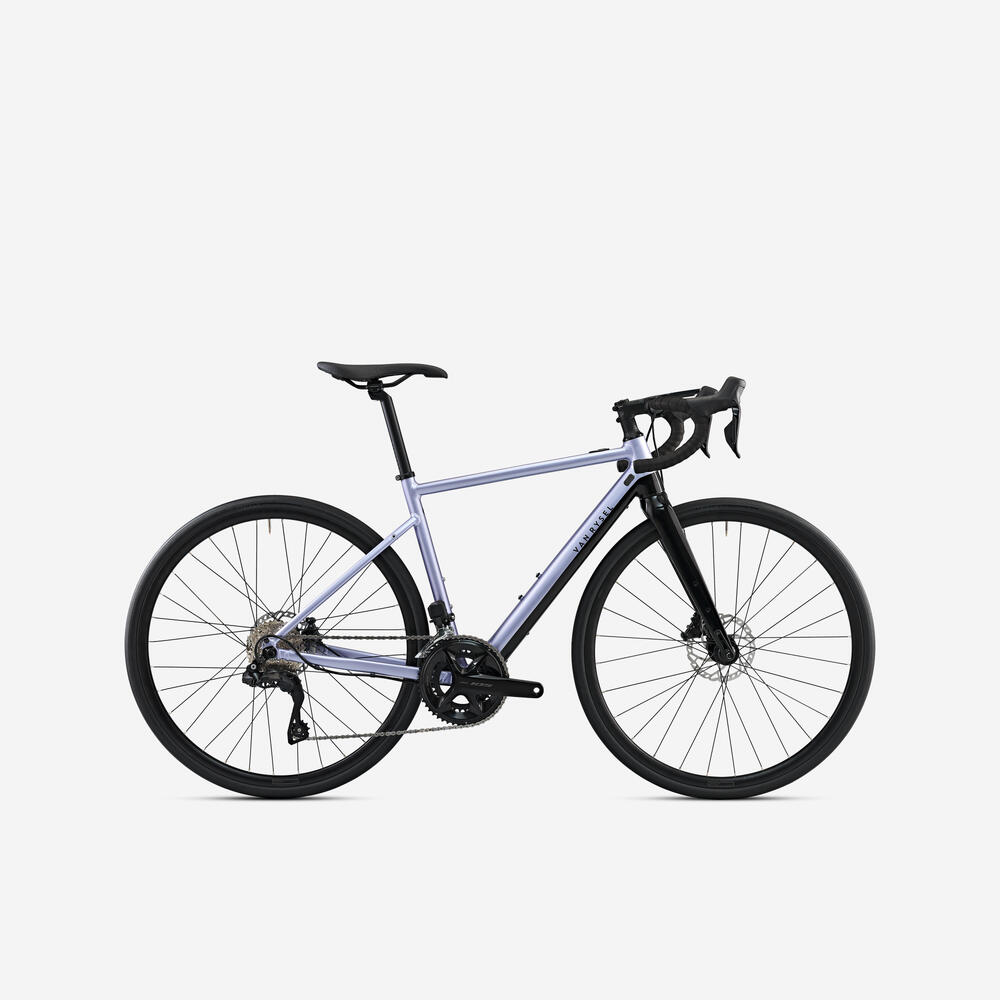 Premium Pick
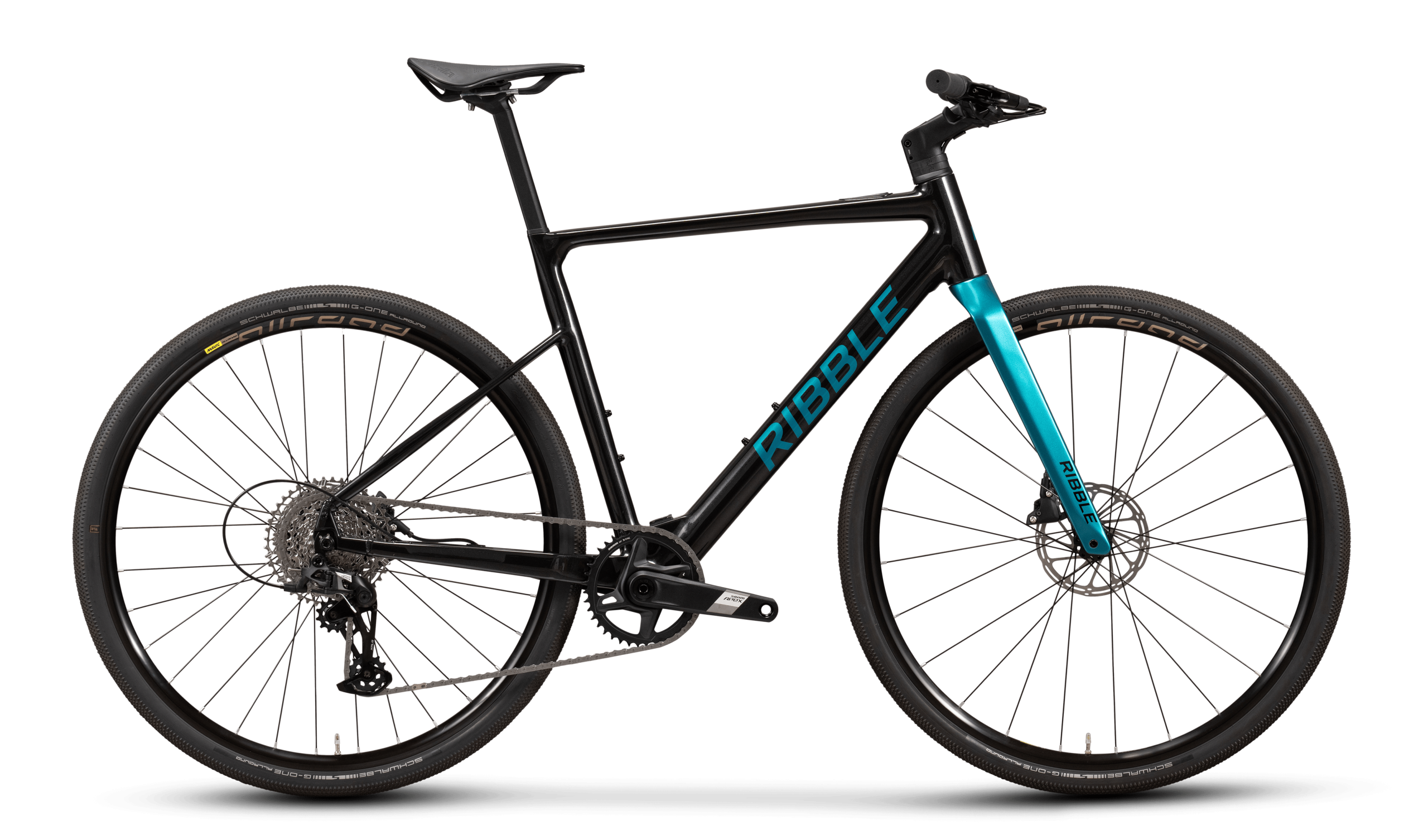 Budget Pick
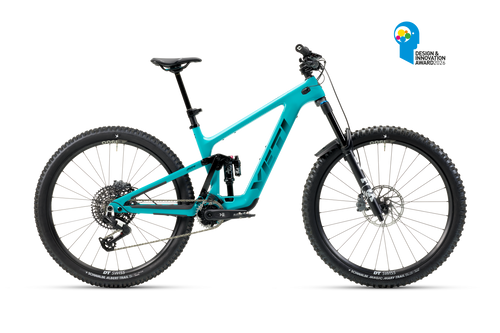 Also Great
Why Under-40-lb E-Bikes Matter in 2025–2026
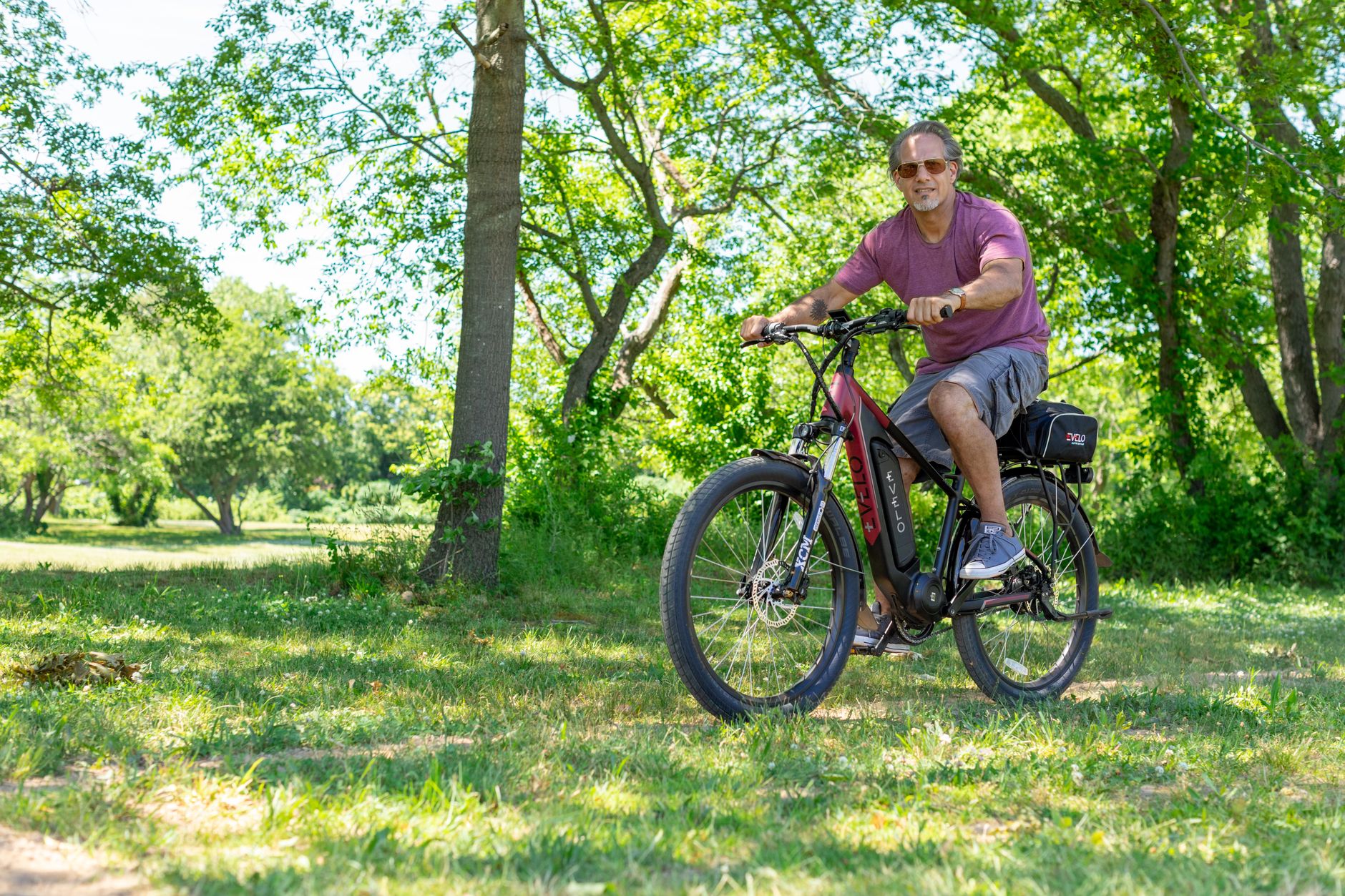
The promise of a lightweight e-bike is simple: all the assistance of an electric motor without the penalty of lugging around a 60-lb machine up stairs, onto a rack, or through a crowded commute. But “lightweight” is a heavily marketed term, and the line between a genuinely light e-bike and a standard one with a clever spec sheet is easy to blur. This guide cuts through that noise, grounding every claim in published reviews, independent scale weights, and verified pricing — so you can make a confident decision. best electric bikes
The honest starting point: in 2025–2026, the most credible lightweight e-bikes under 40 lb are predominantly road and commuter-style models, not full-power trail e-MTBs. If you want trail performance, the bikes with the best motors are generally above 40 lb once a real battery is installed. That tradeoff is central to every buying decision in this category.
The Most Important Spec You’re Probably Ignoring: Weight With Battery
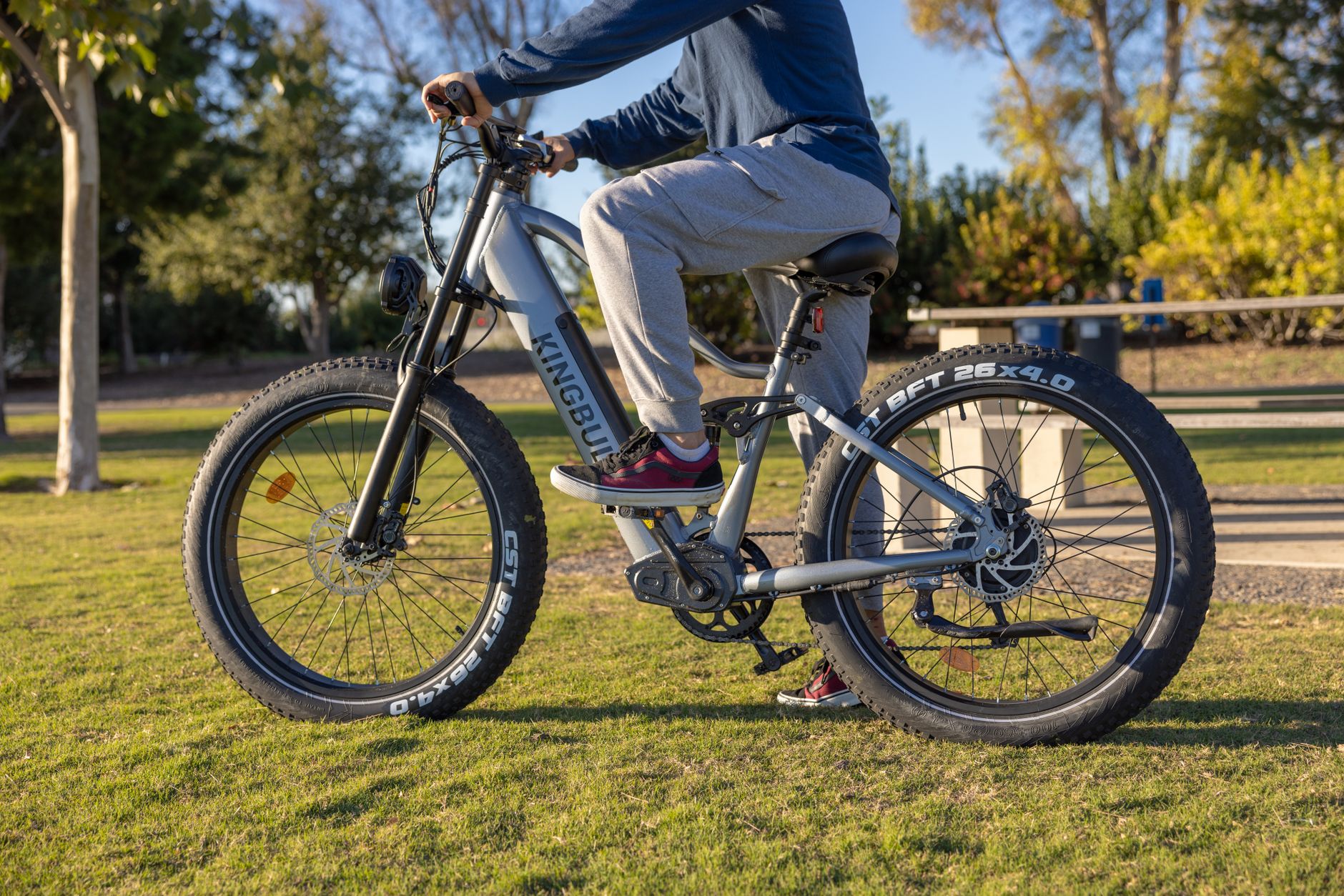
Manufacturers frequently advertise frame or bike weight without the battery installed. Independent video reviews have caught this repeatedly — one highly reviewed commuter model came in at approximately 39 lb on the scale without its battery, but climbed to roughly 50 lb once the battery was seated. That is a meaningful difference for anyone lifting a bike into an apartment or onto a car rack.
Always ask: what does this bike weigh with the battery installed? That is the real carry weight and the only number worth comparing. Throughout this guide, where battery-installed weights differ from claimed weights, we call that out explicitly.
Top Picks: Lightweight E-Bikes Under (or Near) 40 lb
Best Overall Lightweight Commuter: Ride1Up Roadster V3
The Ride1Up Roadster V3 is the most straightforward recommendation in this category. An independent video review confirmed it came off the scales at approximately 39 lb — a genuinely impressive number for a fully equipped urban e-bike. Ride1Up has built a strong reputation for delivering honest value in the commuter e-bike space, and the Roadster V3 represents the cleaner end of the lightweight-commuter spectrum: a bike that prioritizes handling and portability without loading on unnecessary hardware.
A confirmed US retail price was not available in our sourced data at time of publication; check the Ride1Up website directly for current pricing. lightweight commuter e-bikes
Genuine tradeoff: Because Ride1Up keeps the Roadster V3 lean, buyers who want aggressive motor torque for hills or heavier cargo loads may find themselves wanting more power. This is a bike optimized for flat-to-moderate terrain and efficient commuting, not technical climbs.
Strong Contender: Velotric T1 ST
The Velotric T1 ST is a compelling hybrid/commuter option, but it comes with the most important asterisk in this roundup. Independent scale testing showed the T1 ST weighing in at approximately 39 lb without the battery — but that figure rose to approximately 50 lb with the battery installed. That puts it well outside the under-40-lb category in real-world use, even though its marketing leans on the 39-lb figure.
Bicycling’s roundup highlights a recently released Velotric lightweight model at $1,499 with a claimed weight of 39 lb, though the sourced data does not definitively tie that price to the T1 ST specifically. Velotric’s lineup was actively updated through 2025–2026, so verifying the current model and its battery-installed weight before purchasing is strongly advised.
Genuine tradeoff: The battery weight penalty is real and significant. If portability is your primary reason for choosing this category, confirm the with-battery weight before committing.
Best Budget Pick: Aventon Soltera 2.5
The Aventon Soltera 2.5 lands at the accessible end of the lightweight commuter market. Independent scale testing recorded it at approximately 40.8 lb without battery and approximately 45.6 lb with battery installed — heavier than the category headline, but more honest than bikes that advertise a sub-40 figure and deliver a 50-lb real-world experience.
Bicycling consistently positions Aventon as a strong value brand for commuters who want reliable, no-frills electric assist without a premium price. A confirmed US retail price for the Soltera 2.5 was not available in our sourced results; current pricing should be verified at Aventon’s website.
Genuine tradeoff: The Soltera 2.5 does not technically hit under 40 lb in either configuration. It earns its place here because its battery-added weight penalty is smaller than many competitors, and its value positioning makes it a realistic option for budget-conscious buyers. budget e-bikes under $2000
What About Lightweight Road and Performance E-Bikes?
At the premium end, road-focused lightweight e-bikes are pushing into genuinely impressive territory. Cyclingnews reviewed the Van Rysel alloy electric road bike, which carries a sub-14 kg (under approximately 31 lb) claimed weight and an estimated range of 60 to 120 km — figures that would represent a meaningful step forward for the category if they hold up under independent testing. This kind of bike is designed to ride, as Cyclingnews puts it, “not too dissimilar to a non-assisted bike” while still offering meaningful electric assistance — which is the purest expression of what this category is trying to achieve. Pricing for the Van Rysel was not confirmed in our sourced data.
The broader takeaway from Cyclingnews’s category coverage is clear: the best lightweight e-bikes in 2026 are converging on better ride quality and stronger motors rather than chasing minimum weight at all costs.
Lightweight E-MTBs: Honest Expectations
If you want trail capability, the lightweight e-MTB category is genuinely exciting — but expensive and rarely under 40 lb in real-world configuration. The Loam Wolf’s 2025 lightweight eMTB shootout identified the Bosch SX, Rocky Mountain Dyname SL, and TQ HPR 60 as the top-performing motor units in this segment. The DJI Avinox system, a notable new entrant, was tested with output figures of 105–120 Nm and an 800 Wh battery — impressive specs, but on a build that reflects the weight realities of trail-capable hardware.
Pricing for competitive lightweight e-MTBs in that shootout ranged from approximately $7,699 to $11,999. These are serious machines for serious riders, but the price and weight realities mean they belong in a different conversation than the commuter and road models above.
Key Buying Checklist
- Confirm weight with battery installed — not the frame-only or battery-out figure.
- Match motor torque to your terrain — flat commuting needs far less torque than hilly routes; Bicycling highlights 80 Nm as a strong benchmark for hill-capable hub motors.
- Understand the range-weight tradeoff — smaller batteries save weight but limit range; a 60–120 km range claim (as with the Van Rysel) is only meaningful if the battery weight is accounted for in the published weight figure.
- Budget realistically — credible lightweight commuters start around $1,499; serious lightweight e-MTBs start around $7,699.
- Check for updated model years — Velotric and Aventon both updated their lightweight lineups in 2025–2026; the specific model you find in stores may differ from what was reviewed.
The Bottom Line
The Ride1Up Roadster V3 is the clearest recommendation for buyers who want a genuinely lightweight urban e-bike with an independently verified near-40-lb scale weight. It avoids the battery-weight trap that catches several competitors and represents honest value in the commuter segment. For buyers on a tighter budget who can accept a slightly higher real-world weight, the Aventon Soltera 2.5 is the more transparent option — its battery penalty is smaller and better documented than most.
For road performance at the highest level, the Van Rysel and similar premium road e-bikes point toward where the category is heading: genuinely light, genuinely capable, and increasingly hard to distinguish from an unassisted bike until you hit a headwind. At this tier, verify current pricing and independent test weights before purchasing, as manufacturer claims and real-world results have historically diverged in this category.
Whatever you choose: always ask for the battery-installed weight. Everything else is marketing.
Sources
- The Loam Wolf — 2025 Lightweight eMTB Shootout
- The Loam Wolf — Best Lightweight eMTBs Reviewed
- OutdoorGearLab — Best Electric Bikes
- Bicycling — Best Electric Bikes
- Electric Bike Report — Best Electric Bikes
- CyclingNews — Best Lightweight Electric Bikes
- YouTube — Lightweight E-Bike Scale Weight Review
- YouTube — Additional Lightweight E-Bike Review
Disclosure: This article was produced with AI-assisted research and editorial curation. VoltVentureLab.com may earn a commission from affiliate links at no additional cost to you.