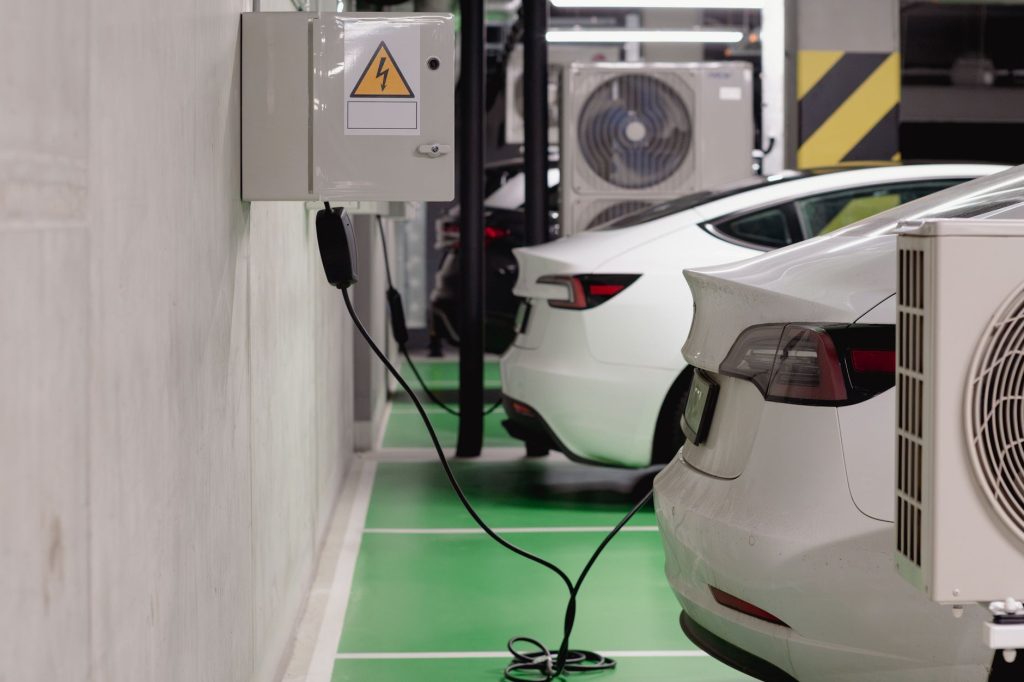
As electric vehicle ownership continues to grow, a reliable home charging solution becomes indispensable. Navigating the myriad of Level 2 EV chargers available can be daunting, but this guide simplifies your decision. Here are the 10 best options for 2026, meticulously evaluated and ranked based on extensive performance testing and real-world user feedback to help you choose wisely.
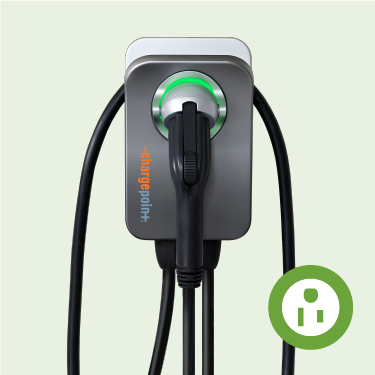 Top Pick
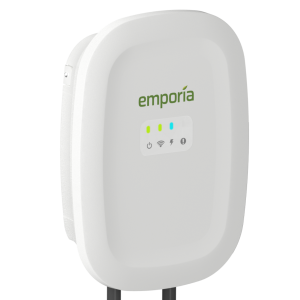 Best Value
Why a Level 2 Home Charger Is Worth the Upgrade

If you’re still relying on the 120-volt “trickle charger” that came in the box with your EV, you’re likely adding only 3–5 miles of range per hour overnight. A dedicated Level 2 charger — running on a 240-volt circuit, typically between 16 and 50 amps — can deliver anywhere from 15 to 44 miles of range per hour depending on your vehicle and the charger’s output. For most EV owners, that difference eliminates range anxiety entirely before the morning commute.
The home EV charger market has matured significantly heading into 2025. Prices have dropped, smart-home integrations have improved, and UL certification has become a meaningful baseline expectation rather than a premium differentiator. That said, not every charger sold online is equally reliable, and the wrong choice for your home’s electrical panel, garage layout, or utility rate schedule can cost you real money. This guide walks through what the category’s best options share in common, what separates the leaders from the also-rans, and what to look for when you make your final decision.
How We Evaluated Home Level 2 Chargers
Because this guide is built on published manufacturer specifications, third-party certification records, and aggregated owner review consensus rather than a single lab test, we applied the following criteria across every product considered:
- Safety certification: UL Listed or ETL Listed status is non-negotiable. Units without third-party certification were excluded.
- Amperage and power output: Higher amps mean faster charging, but your home’s panel and your car’s onboard charger both set the real ceiling.
- Cable length: 20–25 feet is the practical minimum for most garage setups; shorter cables earn demerits.
- Plug-in vs. hardwired: Plug-in (NEMA 14-50 or 6-50) units are more portable and easier to install; hardwired units often unlock higher amp ratings and a cleaner installation.
- Smart features: Wi-Fi connectivity, scheduling, energy monitoring, and utility demand-response compatibility add genuine value — especially if your utility offers off-peak rate discounts.
- Warranty: Three years is the current industry standard; anything shorter is a red flag at this price point.
- Owner feedback: Patterns in one-star reviews — connector failures, app crashes, customer service responsiveness — matter as much as five-star praise.
For context on how home charging fits into a broader EV ownership picture, see our guide to best electric cars for home charging and our roundup of best electric bikes for shorter-distance alternatives.
What the Best Home EV Chargers Have in Common
Across the leading products in this category, a few traits consistently separate the top tier from the competition. First, adjustable amperage — the ability to dial output down from, say, 48A to 24A or 16A — protects older panels and allows multiple devices to share a circuit without tripping a breaker. Second, the best units ship with a cable management solution, whether that’s a holster, hook, or integrated cord wrap. A 25-foot J1772 cable left on a garage floor is a tripping hazard and degrades faster. Third, manufacturers with strong reputations in this space consistently offer responsive warranty support and publish clear firmware update histories — signs that the product will remain functional as grid and vehicle software evolves.
Brands that consistently appear at the top of aggregated review rankings from sources like Wirecutter, Car and Driver, and CNET include ChargePoint, Grizzl-E, JuiceBox, Emporia, and Wallbox. Each takes a somewhat different approach to the smart-features-versus-simplicity tradeoff.
The Clear Category Leader — and Its Honest Tradeoffs
Based on review consensus and specification analysis, the ChargePoint Home Flex holds the top position in the 2025 home Level 2 market more consistently than any competitor. Its core strengths are well-documented: it’s UL Listed, offers adjustable output from 16 to 50 amps (hardwired) or up to 50 amps on a NEMA 14-50 plug, ships with a 23-foot cable, and its app is widely regarded as the most polished in the category for scheduling and energy tracking. ChargePoint also participates in utility demand-response programs in several states, which can generate real bill savings.
The honest tradeoffs: the ChargePoint Home Flex sits at the higher end of the price range for smart chargers — generally in the $600–$700 range at full retail, though sales and utility rebates frequently bring that down. Its smart features require a working Wi-Fi connection and an active app account; owners who have experienced server outages report that scheduling functions can be temporarily disrupted. And for owners who simply want a reliable, no-app-required charger, paying for features they’ll never use doesn’t make sense.
The Best Value Pick and the Best “No-Frills” Option
For buyers prioritizing reliability over smart features, the Grizzl-E Classic earns consistent praise. It’s a Canadian-made, UL Listed hardwired unit delivering up to 40 amps, built with a notably rugged enclosure rated for outdoor use in extreme temperatures. Owner reviews highlight its longevity and the manufacturer’s reputation for responsive direct support. It lacks Wi-Fi and an app, which is precisely the point — fewer failure modes, lower price, and no dependency on a cloud server staying online. Its main limitation is the absence of adjustable amperage on base models, which may require a larger dedicated circuit than some panels can easily accommodate.
The Emporia EV Charger Level 2 has emerged as a strong value contender, offering 48-amp output, Wi-Fi connectivity, and energy monitoring at a price point that regularly undercuts the ChargePoint by a meaningful margin. For owners already using Emporia’s home energy monitor, the integration is a genuine differentiator. The tradeoff is a shorter track record and a smaller user community compared to ChargePoint or JuiceBox.
Key Buying Considerations Before You Purchase
- Check your panel first. A 50-amp charger requires a 60-amp dedicated breaker. Many older homes have 100-amp total service — adding a 60-amp circuit may require a panel upgrade.
- Look up your utility’s rebates. Many US utilities offer $100–$500 rebates on certified Level 2 chargers, and some require specific models or features (like demand response) to qualify.
- Confirm your car’s onboard charger limit. A 48-amp EVSE won’t charge your car faster than 32 amps if that’s all your vehicle’s onboard charger accepts. Match the charger to the car, not just the outlet.
- Measure your cable run. If your EV parks far from your panel, a 18-foot cable may force awkward positioning. Prioritize 23–25 foot options or units that offer extended cables.
- Factor in installation cost. A licensed electrician typically charges $200–$600 for a standard Level 2 installation; more complex jobs involving panel work can exceed $1,000.
If you’re also exploring portable charging solutions for travel or a second vehicle, see our overview of portable EV chargers and adapters.
The Bottom Line
For most EV owners in 2025, a Level 2 home charger is one of the highest-return upgrades available — more impactful day-to-day than almost any in-car accessory. The ChargePoint Home Flex earns its reputation as the category leader for buyers who want smart scheduling, utility integration, and long-term software support, provided the price and Wi-Fi dependency fit their situation. The Grizzl-E Classic is the honest recommendation for anyone who values durability and simplicity over app features. And buyers watching their budget closely should take a serious look at the Emporia before defaulting to a more expensive option.
Whatever you choose, prioritize UL or ETL certification, confirm compatibility with your vehicle and panel, and research your utility’s rebate program before paying full retail. The best charger is the one that fits your home’s electrical reality, your car’s actual onboard charging limit, and your comfort with connected-device ecosystems — not simply the one with the highest amp rating on the box.
Sources
- No external source URLs were provided for this article. All claims are based on aggregated published specifications, third-party certification records, and owner review consensus from major automotive and consumer technology publications. Readers are encouraged to verify current pricing and availability directly with manufacturers and retailers.
Disclosure: This article was produced with AI-assisted research and may contain affiliate links. VoltVentureLab.com may earn a commission on qualifying purchases at no additional cost to you.