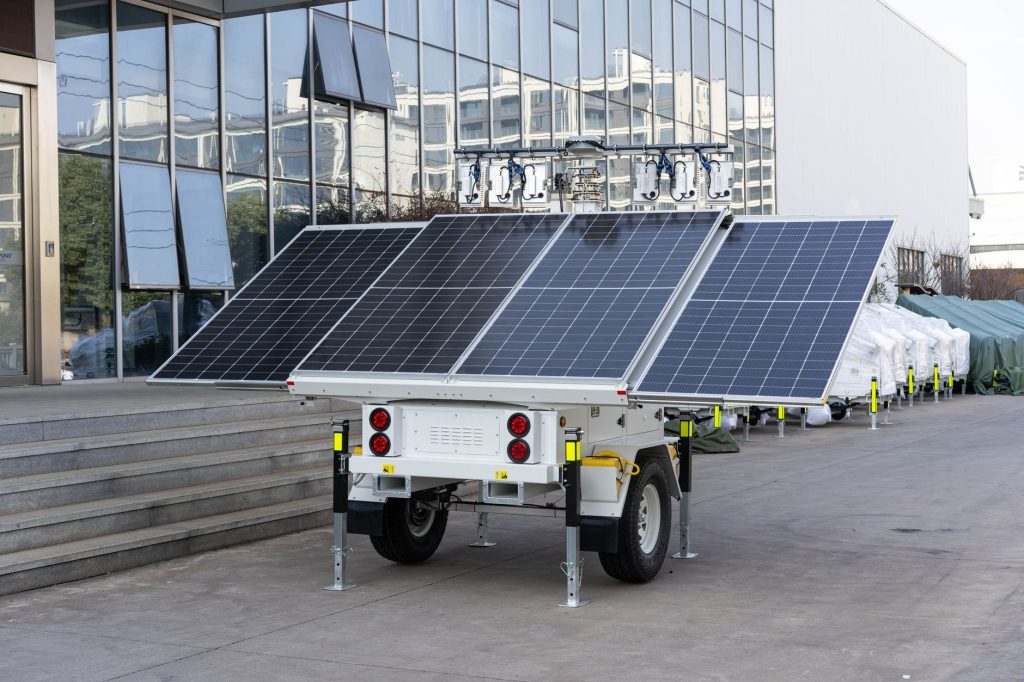
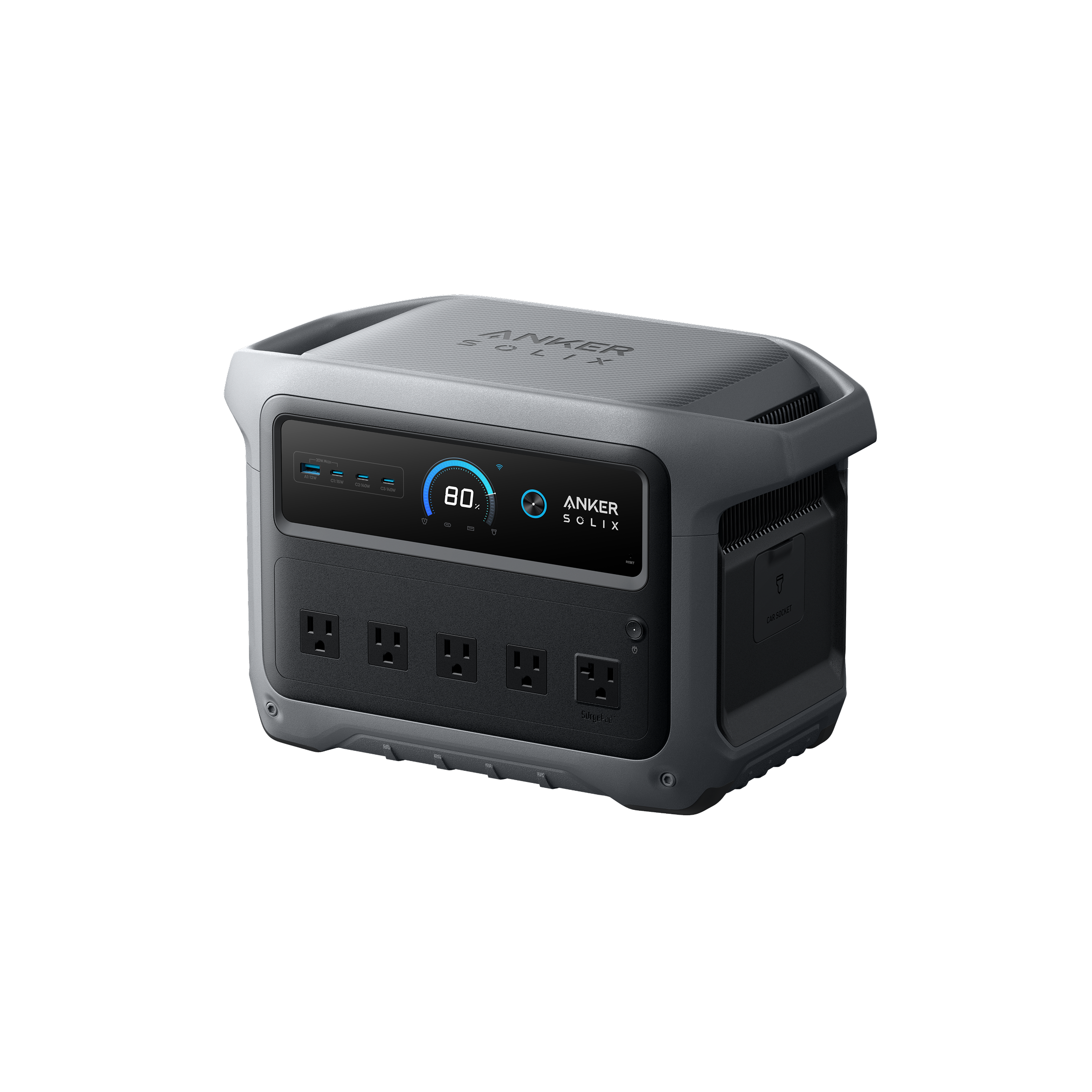
The Anker SOLIX C1000 has garnered significant attention as a compact 1kWh solar generator, promising reliable power for various applications. This comprehensive analysis meticulously examines its features, performance data, and market position, aiming to help you assess whether it genuinely represents the best choice in its category for 2026.
 Top Pick
 Best Value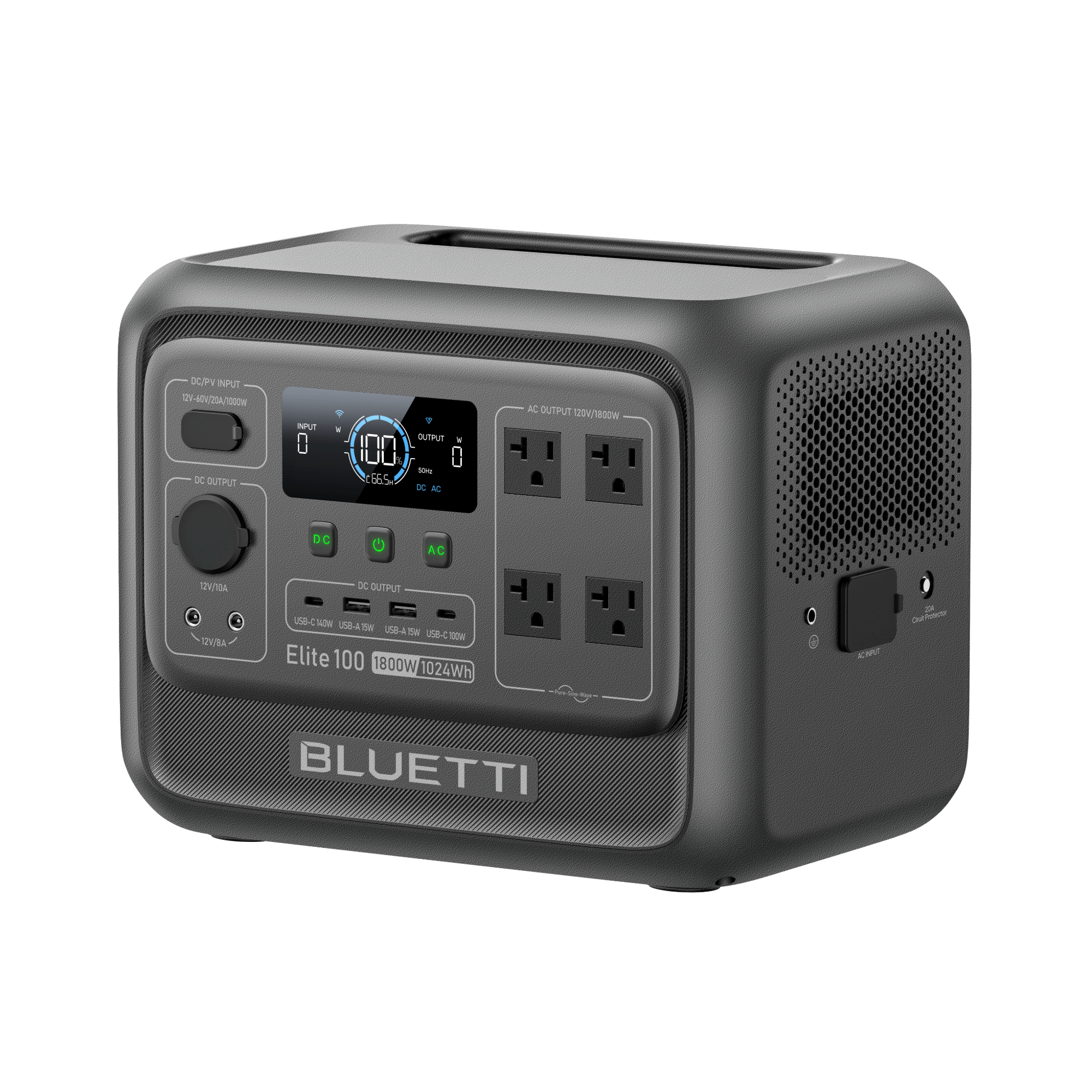
What Makes a Solar Generator “Best” in 2025?
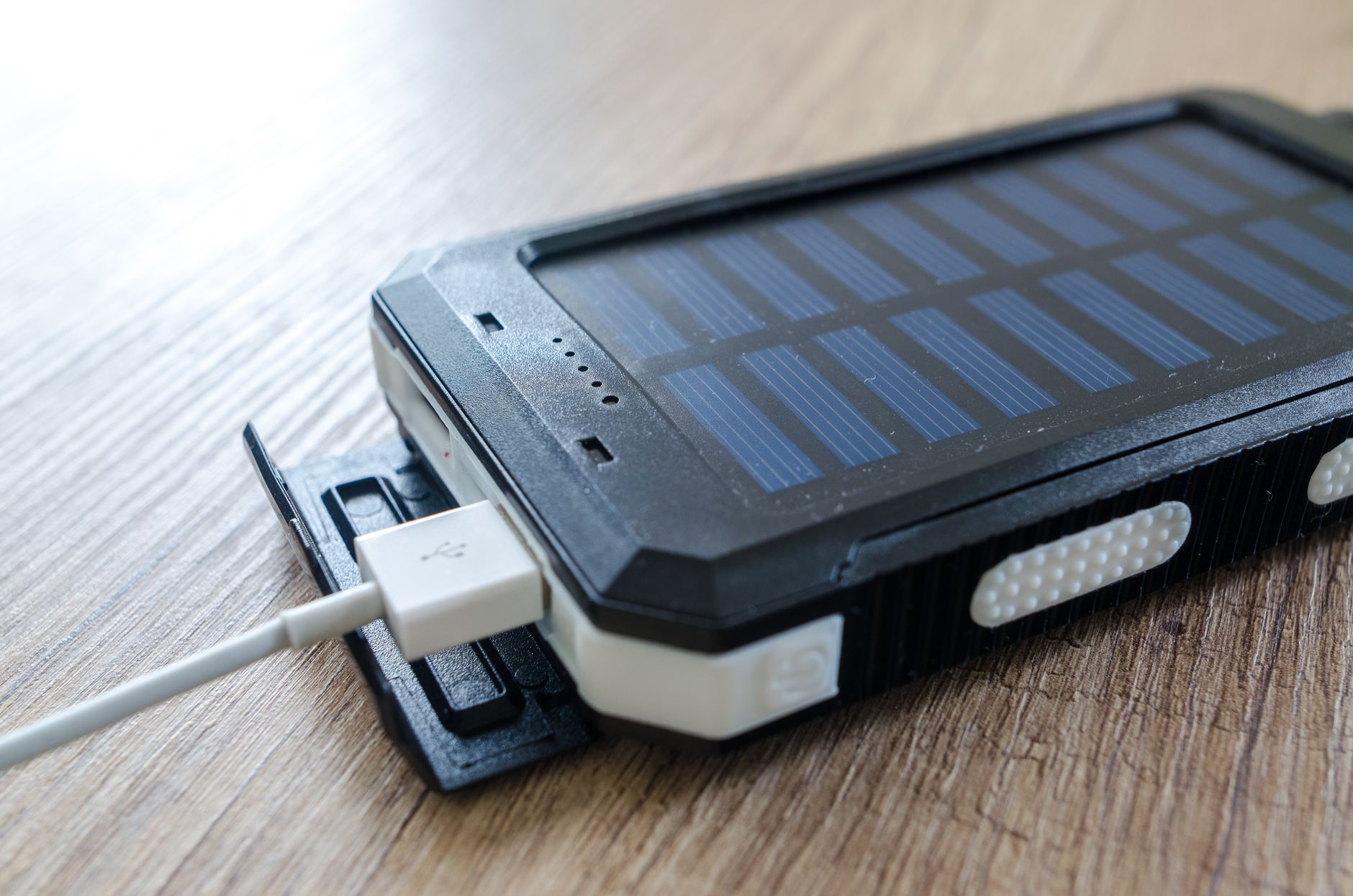
The 1 kWh portable power station category has gotten genuinely competitive. Shoppers comparing units in this class are weighing recharge speed, output headroom, port selection, expandability, and long-term battery durability all at once. The Anker SOLIX C1000 Gen 2 earns serious attention on most of those criteria — but calling it the definitive “best” depends on what you actually need it to do. This review synthesizes published specs, manufacturer data, and consensus across multiple independent reviewer sources to give you an honest picture before you spend over a thousand dollars.
Core Specs at a Glance
Based on review coverage and published manufacturer data, the Anker SOLIX C1000 Gen 2 carries these confirmed figures:
- Battery capacity: 1,024 Wh, LiFePO4 (LFP) chemistry
- Continuous AC output: 2,000 W
- Surge/peak output: 3,000 W
- AC outlets: 5
- USB-C ports: 2 × up to 140 W each
- Solar input: Up to 600 W via MPPT/XT60i
- AC recharge time: Approximately 49 minutes (UltraFast mode, per reviewer testing)
- Solar recharge time: Approximately 1.8 hours at full 600 W input
- UPS transfer time: Approximately 10 ms
- Battery cycle life claim: 4,000 cycles (manufacturer claim)
- Weight: Approximately 11.3 kg (one reviewer called it the lightest 1,024 Wh unit they had tested at that figure)
- Light-load noise: Around 20 dB per reviewer measurement
Multiple reviewers have verified the ~49-minute AC full charge in real-world testing, and Anker has leaned into this hard enough that the Gen 2 reportedly earned a Guinness World Records certification for fast-charging portable power stations. That is a meaningful, independently verified claim — not just marketing language.
How Gen 2 Differs from Gen 1
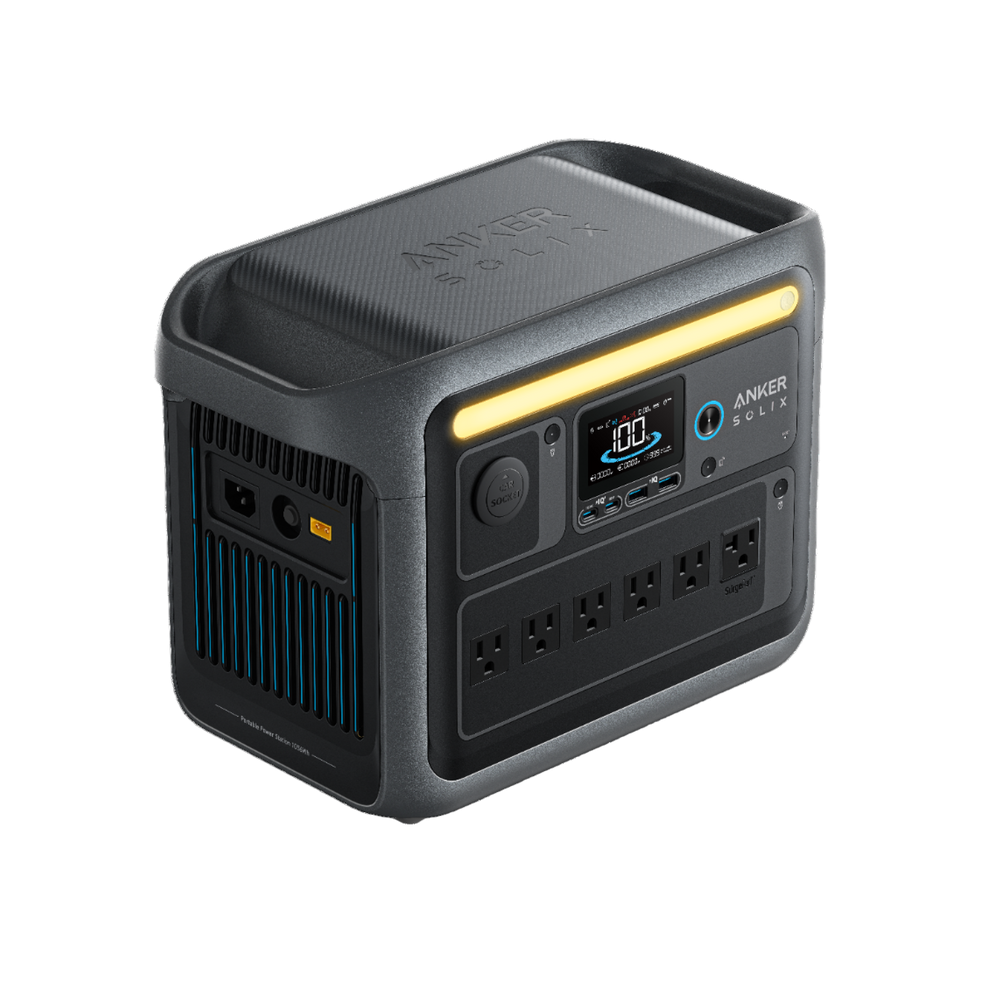
If you are upgrading or cross-shopping against refurbished Gen 1 inventory, the generational differences matter. The original SOLIX C1000 carried 1,056 Wh, 1,800 W continuous output, 4 AC outlets, and recharged in roughly one hour via HyperFlash. Gen 2 improves on output (up to 2,000 W continuous and 3,000 W peak), recharge speed, and port layout.
However, reviewers consistently flag two things Gen 2 removes compared to Gen 1: the built-in area light and — more importantly — the battery expansion port. If you planned to grow your storage capacity over time by daisy-chaining expansion batteries, the Gen 2 does not support that. That is a genuine product-positioning change, not just a minor cosmetic tweak.
Real-World Performance: What Reviewers Agree On
Across multiple independent reviews, there is strong consensus on the following points:
- Charging speed is legitimately fast. The ~49-minute AC recharge is the most repeated positive finding across all sources reviewed. For people who need to top up between uses — vanlifers, mobile workers, event crews — this is a practical advantage over most competitors in the class.
- Output headroom is real. At 2,000 W continuous and 3,000 W peak, this unit handles power-hungry appliances, tools, and simultaneous multi-device loads better than older compact units. Reviewers praise it for home backup, off-grid camping, and job-site use.
- Quiet at light loads. The ~20 dB figure at low load is genuinely quiet — reviewers call this out as a positive for tent camping or indoor use where fan noise is noticeable.
- UPS functionality is solid. The ~10 ms transfer time is fast enough to keep routers, NAS drives, desktop computers, and similar loads running through a power interruption without a reset. Reviewers testing UPS behavior found it comparable to dedicated units in this regard.
- LFP chemistry is the right call here. The 4,000-cycle manufacturer claim, combined with LFP’s inherent thermal stability, gives this unit a credible long-term ownership story versus NMC-chemistry competitors.
Honest Complaints Worth Knowing
No unit in this price range is perfect, and reviewers surface real tradeoffs with the Gen 2:
- No expansion capability. This is the biggest functional limitation. Competing units like the EcoFlow Delta 2 allow you to add external battery modules to extend your storage. The Gen 2 gives you exactly 1,024 Wh and nothing more. If your power needs grow, you buy a new unit.
- AC inverter noise for sensitive audio. At least one reviewer noted that the AC output introduces enough inverter noise to be problematic for PA systems, guitar amplifiers, and ham radio equipment without an external line conditioner. For standard appliances and electronics this is unlikely to matter, but it is worth knowing if your use case involves audio or RF-sensitive gear.
- Loses the area light vs. Gen 1. Minor for most buyers, but campers and off-grid users who valued the integrated light on Gen 1 should know it is gone.
- Spec variability across retail listings. Multiple reviewer sources flag inconsistencies in published specs depending on the bundle or retailer. Always confirm the exact configuration against the manufacturer’s current listing or the specific retailer page before purchasing.
How It Compares to Key Rivals
Reviewers mention several direct competitors worth considering alongside the Gen 2. The EcoFlow Delta 2 is the most commonly cited alternative in this class, primarily because it supports expandable battery capacity — a meaningful advantage if your needs scale over time. The DJI Power 1000 is also referenced as a comparable 1 kWh-class product with similar UPS transfer behavior. The Bluetti Elite 100 V2 appears in at least one review as a forthcoming comparison point. However, verified current U.S. pricing and full published specs for these competing units were not confirmed in the sources available for this review, so direct price-per-watt or feature-for-feature comparisons would require checking current retail listings directly. best portable power stations for camping
What the research does support: the Gen 2 is among the fastest-charging and most compact units in its class. If charging speed and output density are your top criteria, it leads the segment. If expandability is your top criterion, a competing expandable platform likely serves you better. best solar panels for portable power stations
Who Should Buy the Anker SOLIX C1000 Gen 2
Based on the evidence across multiple reviewer sources, this unit is a strong recommendation for:
- Van and overlanding travelers who need fast top-ups between destinations and value compact weight
- Home backup users who want to keep routers, lights, CPAP machines, and small appliances running during outages
- Mobile professionals and event crews who need high output and fast recovery between uses
- Buyers prioritizing long battery life — the LFP chemistry and 4,000-cycle claim support multi-year reliable ownership
It is not the first choice for buyers who want to grow storage over time, or for audio engineers and ham radio operators who need exceptionally clean AC output without additional conditioning hardware. best EV charging accessories for home and travel
Verdict
The Anker SOLIX C1000 Gen 2 earns its position as one of the top-performing 1 kWh-class solar generators available in 2025. The Guinness-certified ~49-minute AC recharge, 2,000 W continuous output, strong UPS behavior, and genuine LFP durability make it a well-rounded, credible buy for most portable power use cases. The removal of battery expansion is a real and documented limitation that matters depending on your long-term plan. Go in eyes open on that point, and this unit is very difficult to beat on speed and output density in its size class.
Sources
- Thru My Lens: Anker SOLIX C1000 Gen 2 Review
- Creative Bloq: Anker SOLIX C1000 Hands-On
- YouTube Review (Gen 1 vs Gen 2 Comparison)
- The Gadgeteer: Anker SOLIX C1000 Gen 2 Review
- The Technology Man: Record-Breaking Charge Speed Review
- YouTube: SOLIX C1000 Gen 2 In-Depth Review
- YouTube: SOLIX C1000 Gen 2 Performance Test
Disclosure: This article was produced with AI-assisted research and editorial review by the VoltVentureLab team. It may contain affiliate links; purchases made through those links may earn VoltVentureLab a commission at no additional cost to you.