
Considering an electric vehicle that combines impressive charging speed with an accessible price point? The 2025 Hyundai Ioniq 6 is drawing attention for its potential to be the fastest-charging EV available for under $40,000. This article explores its key features, performance, range, and overall value to help prospective buyers understand if it meets their needs.
Why the Ioniq 6 Stands Out in the Under-$40k EV Market
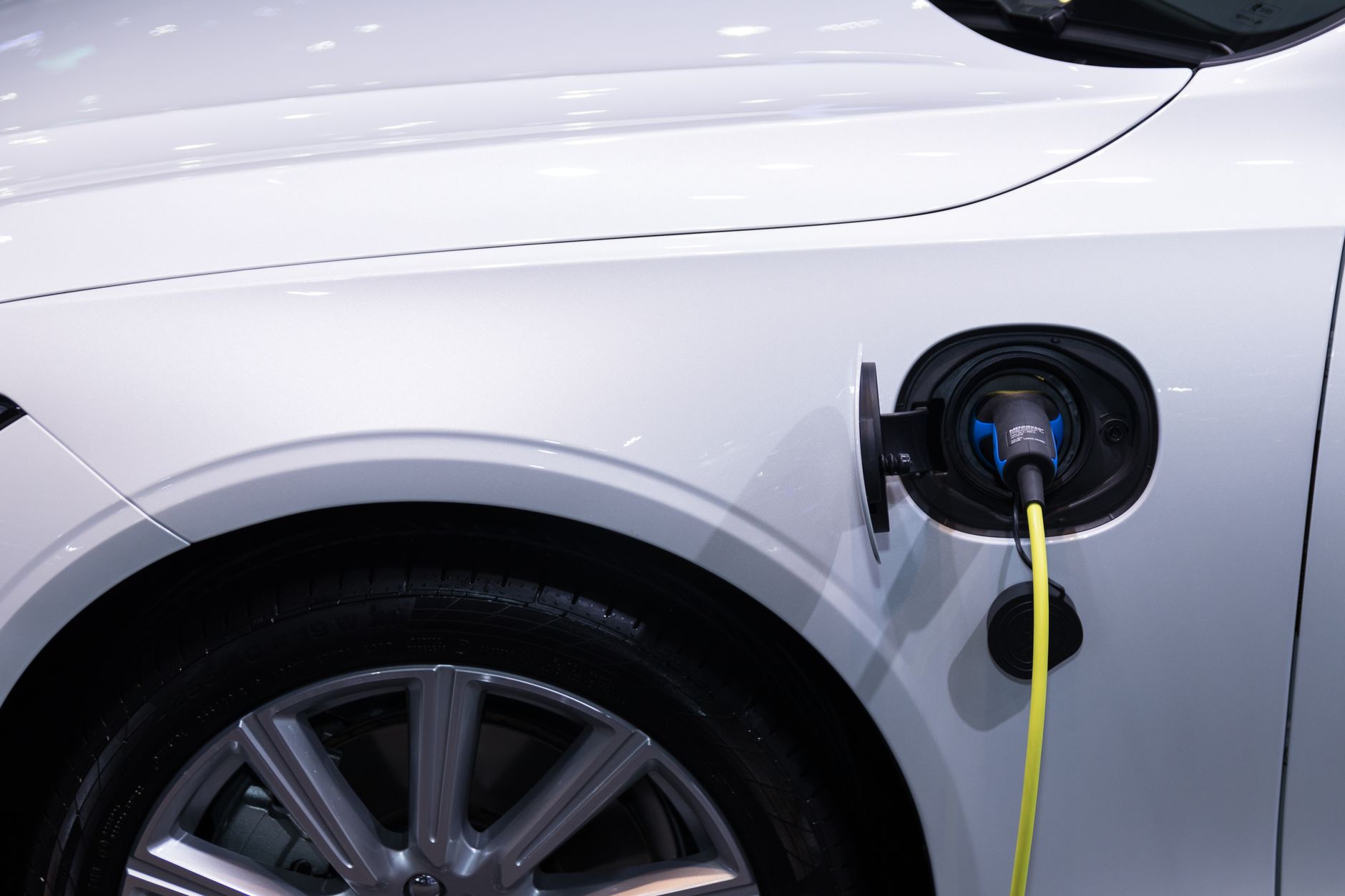
Finding a genuinely compelling electric sedan under $40,000 in 2025–2026 is harder than it sounds. Most EVs in this price band force a real compromise: either you get respectable range but sluggish charging, or you get a bargain price but limited capability. The Hyundai Ioniq 6 SE RWD is the most discussed exception to that pattern, and for buyers who prioritize charging speed and everyday efficiency, the case for it is well-supported by published data and reviewer consensus.
This review focuses on the base U.S. trim that actually fits under the $40,000 ceiling — the SE RWD, priced at $37,850 — and evaluates it honestly against its real-world competition. One important note upfront: federal EV tax credits have become less reliable in the current market environment, with some 2026 buying guides noting that broad EV rebates have been reduced or eliminated. Factor that into your budget planning, and verify current incentive eligibility directly with a dealer before purchase.
Ioniq 6 SE RWD: What the Specs Actually Tell You
The base Ioniq 6 SE RWD delivers the following EPA-rated figures:
- Price: $37,850 (MSRP)
- Horsepower: 149 hp
- Torque: 258 lb-ft
- Range: 240 miles
- Efficiency: 151 city / 120 highway / 135 combined MPGe
- Level 2 AC charging (to 80%): approximately 5 hours 20 minutes
The efficiency numbers are where the Ioniq 6 genuinely earns its reputation. A 135 MPGe combined rating is class-competitive, and the 151 MPGe city figure reflects the aerodynamic advantage of the Ioniq 6’s unusually slippery body design — a real engineering priority for Hyundai on this platform. For drivers who do most of their miles in urban and suburban conditions, that translates to lower per-mile energy costs compared with less efficient competitors.
The DC fast-charging capability is the headline feature of the entire E-GMP platform. Published reviews of Hyundai’s E-GMP vehicles consistently highlight the charging speed as a competitive differentiator. GreenCars describes the Ioniq 6 as having ultra-fast charging capability, and reviews of the related Ioniq 5 cite a 10% to 80% charge in approximately 18 minutes on a properly sized DC fast charger — illustrating what the underlying platform is capable of at public charging infrastructure. For road-trip usability, that kind of charging speed is a meaningful real-world advantage over slower-charging competitors in this price bracket. best home EV chargers
The Honest Tradeoffs at the Base Trim Level
No review of this vehicle is complete without acknowledging its real limitations at the under-$40k price point.
Power is modest. At 149 hp, the SE RWD base trim is not a performance vehicle. CarBuzz explicitly describes this output as “not much” power for the segment. For comparison, the Toyota bZ XLE AWD — which costs less at $37,070 — delivers 201 combined horsepower. If acceleration and driving dynamics are a priority, the base Ioniq 6 will feel underwhelming by direct comparison.
Range is decent but not exceptional at this trim. The 240-mile EPA range is workable for most daily use, but it is worth knowing that higher-trim Ioniq 6 configurations achieve significantly more range — CarGurus cites a 361-mile EPA range for the 2024 Ioniq 6 SE RWD, which was recognized as a range leader in its under-$40k roundup at that time. That figure applies to a specific prior model-year configuration, not the current base-price listing evaluated here. Buyers who want that longer-range version will need to budget beyond the $40,000 ceiling or explore prior-model-year inventory.
Configuration flexibility is limited. To stay under $40,000, you are essentially buying the base trim as configured. Higher-range versions of the Ioniq 6 move above that price cap, which means buyers cannot add range or power without leaving this price band entirely.
How It Compares to the Real Alternatives
Two EVs frequently appear alongside the Ioniq 6 in under-$40k comparisons, and both deserve honest consideration:
- Nissan Leaf S — $28,140: The least expensive new EV in most current buying guides. It offers 147 hp, 236 lb-ft of torque, and up to 212 miles of range. The price advantage is substantial — nearly $10,000 less than the Ioniq 6 SE — and for buyers with limited daily range needs who charge primarily at home, it remains a legitimate choice. The Leaf does not offer the same DC fast-charging speed or efficiency as the Ioniq 6, but it is the most accessible entry point into new EV ownership available today. best electric bikes under $2000
- Toyota bZ XLE AWD — $37,070: This is the most direct competitive threat to the Ioniq 6 at this price point. At $780 less than the Ioniq 6 SE, the bZ delivers 201 combined hp, 196 lb-ft of torque, and 252 miles of range — beating the Ioniq 6 on both power and range at a lower price. Its combined MPGe of 119 trails the Ioniq 6’s 135, however, and Toyota’s charging infrastructure and charging speed are generally considered less competitive than Hyundai’s E-GMP platform. For buyers who prioritize performance and range over charging speed, the bZ deserves serious consideration.
What Reviewers and Owners Consistently Say
Across CarGurus, CarBuzz, and GreenCars coverage, the Ioniq 6 receives consistent praise for three things: charging speed, range efficiency, and modern exterior design. The vehicle’s aerodynamic styling is polarizing but deliberate — it exists in service of the efficiency numbers, not as decoration. Reviewers frame Hyundai’s E-GMP EVs as strong value plays specifically because of charging performance, and that consensus is broadly supported by the published specs.
Recurring criticisms at the base trim level center on the power deficit and the range ceiling imposed by the sub-$40k price constraint. These are real limitations, not reviewer nitpicks. For buyers who want the full Ioniq 6 experience — more range, more power — the price of admission rises above $40,000. solar panels for home EV charging
It is also worth noting for performance enthusiasts: Hyundai has publicly previewed a 2026 Ioniq 6 N variant with reportedly over 600 hp, following the Ioniq 5 N’s 641 hp flagship. That vehicle occupies an entirely different price and market segment, but it signals that the platform has genuine performance headroom for buyers willing to pay for it in future model years.
The Bottom Line: Who Should Buy the Ioniq 6 SE RWD
The Hyundai Ioniq 6 SE RWD is the clearest recommendation for buyers under $40,000 who prioritize DC fast-charging speed and energy efficiency over outright power or maximum range. If your primary use case involves regular road trips where public DC fast charging matters, the E-GMP platform’s charging capability is a genuine, published advantage over most competitors at this price. The 135 MPGe combined rating also makes it one of the more cost-efficient EVs to operate day-to-day in urban and mixed driving.
However, buyers who need more power — and the Toyota bZ delivers notably more at a lower price — or who want 300-plus miles of range without exceeding $40,000 should look carefully at alternatives or consider waiting for used Ioniq 6 inventory from prior model years, where longer-range configurations may be available below the new-car price ceiling. Verify current incentive availability before finalizing any purchase, as the federal tax credit landscape has shifted and should not be assumed.
Sources
- CarBuzz — Electric Cars Under $40k
- TrueCar — 2025 Hyundai Ioniq 5 Overview
- CarGurus — Electric Cars Under $40k
- GreenCars — Hyundai EV Reviews
- YouTube — Ioniq 6 Review Coverage
- YouTube — EV Under $40k Comparison
- TikTok — Ioniq 6 N Preview (@carconfections)
- NJ Electric Vehicle Association — Community Discussion
Disclosure: This article was produced with AI-assisted research and editorial review by VoltVentureLab.com. It may contain affiliate links; we may earn a commission on qualifying purchases at no additional cost to you.