
The e-bike motor is the heart of your ride, dictating everything from power delivery to overall performance. This comparison explores three dominant names in the market – Bosch, Shimano, and Bafang – dissecting their features, performance characteristics, and target riders. Understanding these distinctions will help you make an informed decision for your 2026 e-bike purchase.
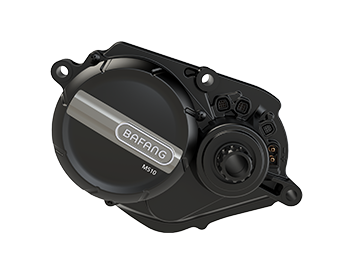 Budget Pick
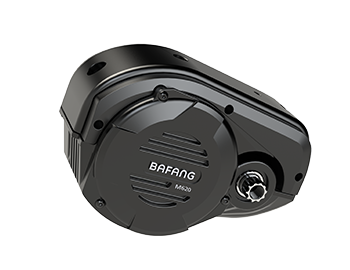 Also Great
Why Motor Brand Still Matters in 2026
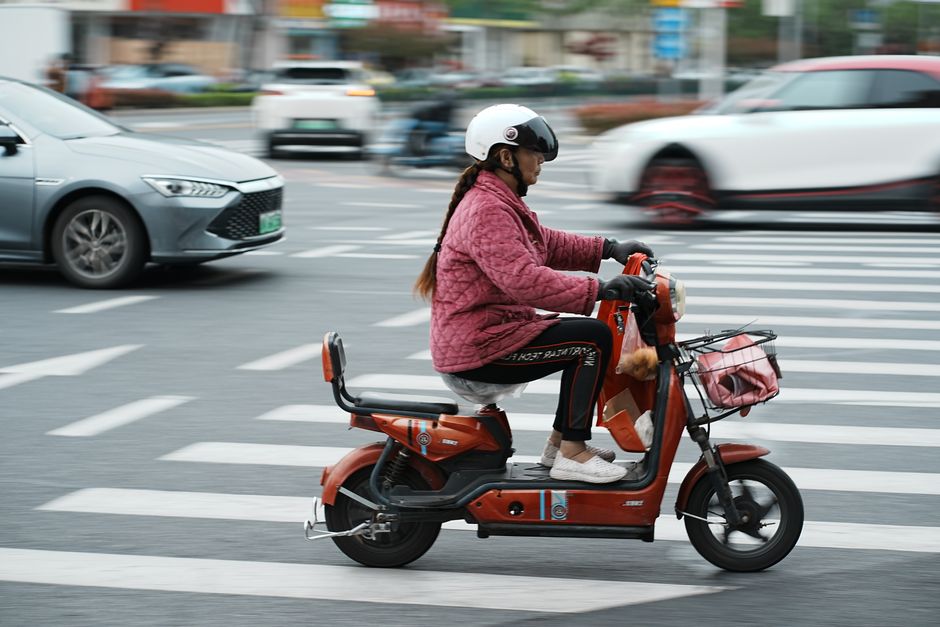
The motor system is the single most consequential component on any e-bike. It shapes ride feel, long-term reliability, dealer support, and—ultimately—whether you’ll enjoy the bike five years from now or regret the purchase. In 2026, three names dominate the mid-drive conversation: Bosch, Shimano, and Bafang. They are not interchangeable. Each occupies a distinct market position, and choosing the wrong one for your use case is a real and common mistake. This comparison is built on published specs, manufacturer data, independent reliability surveys, and aggregated owner feedback—not on a single test ride or paid placement. best electric bikes
Bosch: The Premium All-Rounder
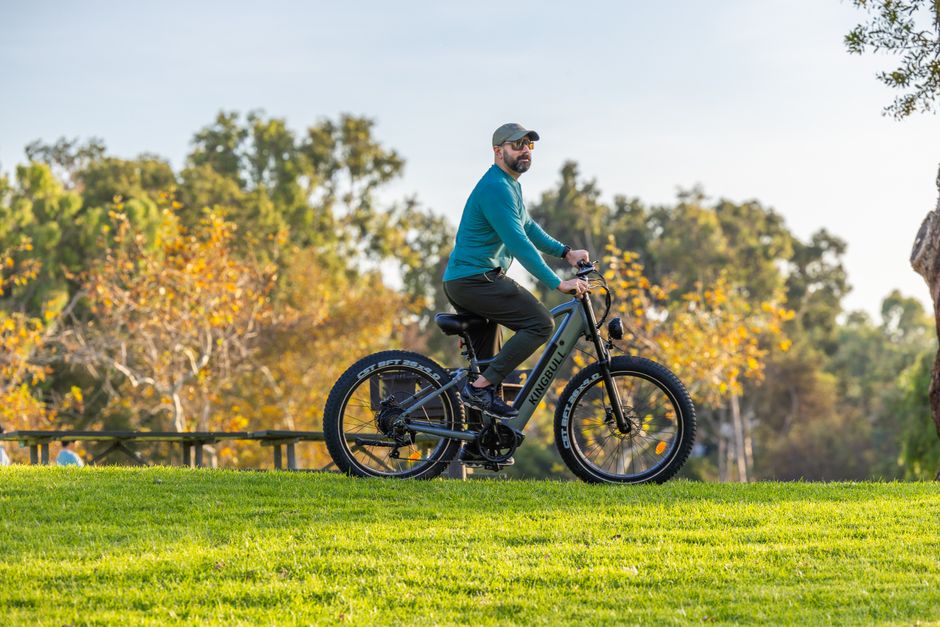
Bosch is consistently rated by independent experts as the benchmark mid-drive system for riders who want a confident, all-purpose e-bike that will still be supported by a dealer network years from now. Across its current product families—Performance Line, Performance Line CX, and Cargo Line—Bosch systems span roughly 40 to 85 Nm of torque, covering everything from urban commuting to aggressive trail riding to heavy cargo hauling.
The current-generation Performance CX is officially registered as BDU38 and remains the unit most commonly spec’d on premium hardtails and full-suspension trail bikes. The Cargo Line version powers bikes like the Tern Quick Haul Long D9, which a 2026 expert roundup placed at around $2,700 for the complete bike—a useful real-world price anchor, even though Bosch motor units are not sold separately to consumers at retail.
Owner and expert consensus across multiple published sources points to Bosch’s core strengths:
- Reliability: Independent reliability surveys place Bosch among the lowest rates of motor and battery technical problems compared to other major systems.
- Dealer support: Bosch’s authorized service network is the most developed of the three brands covered here, which matters significantly for warranty claims and long-term maintenance.
- Power delivery: Riders and reviewers consistently describe the assist as refined and natural-feeling, without the abrupt engagement that appears in some competing systems.
Genuine tradeoff: Bosch-equipped bikes carry a price premium. You will rarely find a Bosch mid-drive on a sub-$2,000 bike, and proprietary battery and display systems mean you are committing to the Bosch ecosystem for the life of the bike. Replacement parts and batteries are more expensive than third-party alternatives.
Shimano: The Smoothest Pedal Feel, With a Reliability Caveat
Shimano’s e-bike motor lineup spans from the entry-level E5000 (40 Nm, 2.5 kg) up through the mid-range EP600 (85 Nm, 2.9 kg) and the performance-oriented EP8 / EP801. The brand’s reputation in the e-bike motor space is built almost entirely on one thing: ride feel. Independent reviewers and aggregated owner feedback repeatedly describe Shimano-assisted bikes as the closest to riding an unassisted bicycle—quiet, smooth, and responsive to pedaling cadence in a way that feels intuitive rather than mechanical.
The EP600 in particular has gained traction as a lower-cost, city-and-trekking-oriented unit. At 85 Nm and 2.9 kg, it delivers respectable torque in a light package aimed squarely at riders who prioritize a natural feel over outright power. e-bike buying guide
Key strengths cited across sources:
- Natural pedal feel: Consistently ranked as the most “bike-like” assist character among major systems.
- Low noise: Shimano units are among the quietest mid-drives available.
- Weight: The E5000 at 2.5 kg is notably light for a mid-drive system.
Genuine tradeoff—and this one is significant: Published reliability data presents a less favorable picture for Shimano than its ride-feel reputation might suggest. Independent studies cited in expert sources show higher rates of technical problems and warranty replacements for Shimano systems compared to Bosch and Yamaha. This does not mean every Shimano motor will fail, but it is a documented pattern that prospective buyers deserve to know before prioritizing feel over long-term dependability. If you ride hard and want minimal maintenance friction, this data point should weigh in your decision.
Bafang: Maximum Value, Honest Compromises
Bafang is a Chinese manufacturer that supplies motors to a wide range of budget and direct-to-consumer e-bike brands, and also sells conversion kit motors that allow riders to electrify existing bicycles. Its lineup in 2026 includes mid-drive units spanning 45 to 95 Nm, with specific models including the M410 (250W nominal, 80 Nm), the M510 (95 Nm, 2.9 kg), and the higher-output M600 (rated up to 120 Nm max). Hub motor options are also available and common on budget builds.
The value proposition is real. Bafang-equipped bikes—and conversion kits—allow riders to access mid-drive assist at price points that Bosch and Shimano simply do not reach. For a budget-conscious commuter or a DIY builder, Bafang often represents the only practical path to a mid-drive system. One 2026 roundup noted the AGO X featuring a Bafang M410 mid-drive as an example of an affordable complete bike built around this platform.
Owner-reported strengths:
- Power per dollar: Bafang consistently delivers high torque figures relative to price tier.
- Conversion compatibility: Bafang’s ecosystem is the most DIY-friendly of the three, with wide aftermarket support.
- Model variety: The range spans enough output levels to suit city, cargo, and performance applications.
Genuine tradeoffs: Rider reports and forum discussions—including detailed owner accounts of higher-output builds—describe a less refined experience: noticeable lag or overrun in power delivery, a heavier mechanical feel, and reliability concerns that increase at the upper end of the output range. Long-term durability on hard-use applications is more variable than with Bosch. Dealer support is also significantly thinner; Bafang motors on branded bikes are often serviced by the bike brand directly, and aftermarket warranty experiences vary widely. e-bike motors explained
2026 Updates Worth Knowing
The motor comparison landscape continues to expand. A motor comparison source updated as of August 2026 has added newer systems—including Avinox M2, Giant, Bafang H730, Aventon, and Yamaha—to its coverage, reflecting how quickly new entrants are entering a market that Bosch and Shimano once dominated more completely. In Europe, regulations cap legal motor output at 250W continuous without requiring license plates; US federal law does not mirror this specific rule, but riders should verify local and state-level regulations independently, as this area continues to evolve.
The Aventon Ramblas, cited in a 2026 expert roundup at around $2,700 with a 708 Wh battery, represents the direction premium-adjacent direct-to-consumer brands are moving: larger batteries, higher-spec builds, and increasingly competitive pricing against European-branded alternatives.
The Honest Verdict: Which Motor Brand Should You Choose?
Bosch is the clearest overall recommendation for most riders who plan to use their e-bike regularly and want it to remain reliable and serviceable over a multi-year ownership period. The combination of strong reliability data, a mature dealer network, and genuinely refined power delivery makes it the safest choice across commuting, cargo, and trail use cases. The premium cost is real, but for a component this central to the ownership experience, it is generally justified.
Choose Shimano if ride feel is your primary priority—especially if you are a cyclist who wants assist that disappears into the background—and you are comfortable with the documented reliability caveat. It is the right choice for riders who want the most natural pedaling experience and are willing to accept a marginally higher statistical likelihood of a service visit.
Choose Bafang if budget is the binding constraint, if you are building a conversion, or if you are comfortable maintaining your own system. Do not choose it expecting Bosch-level refinement or dealer support—but do not dismiss it either, because for the price it occupies, it delivers genuine performance that no premium brand matches at that tier.
Sources
- Upway: Best Electric Bike Motor System Comparison
- CyclingAbout: Best E-Bike Motors for Reliability
- eBike24: Choosing an E-Bike Motor
- Endless Sphere: Owner Experience with Bafang M560
- Electric Bike Report: Best Mid-Drive Electric Bikes
- YouTube: Bosch Performance CX Expert Roundup
Disclosure: This article was produced with AI-assisted research and editing. VoltVentureLab.com may earn a commission from affiliate links at no additional cost to you.