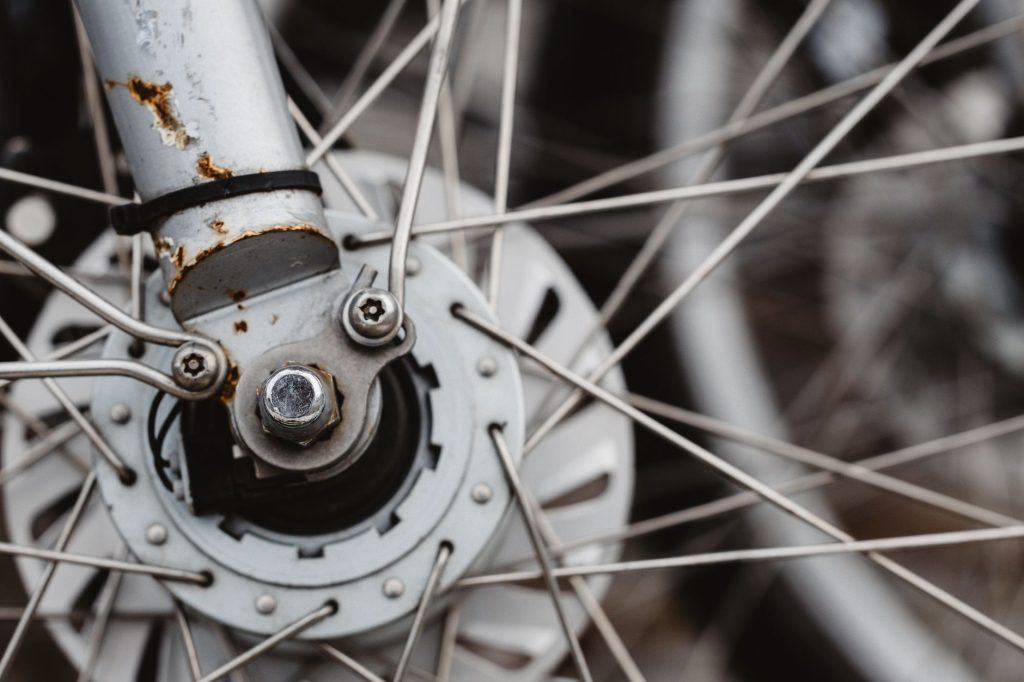
Upgrading your existing bicycle with an electric conversion kit presents an exciting and often more affordable path to e-mobility. This article delves into the leading electric bike conversion kits for 2026, providing a comprehensive overview to simplify your choice. Learn about different motor types, battery capacities, and installation considerations to find the perfect match for your ride.
 Also Great
Why Convert Instead of Buy?
A purpose-built e-bike from a major brand typically starts around $1,500 and climbs quickly from there. A quality conversion kit, by contrast, can electrify a bicycle you already own — one that already fits you, that you already trust — for a fraction of that cost. According to current expert roundups and buyer-facing guides, the conversion kit market heading into 2026 has matured considerably: lighter motors, removable batteries, and genuinely approachable installs are now the norm rather than the exception. This guide distills what the sources actually say, names the kits most consistently praised by both experts and owners, and flags the real tradeoffs so you can make an informed decision. If you’re still weighing the broader e-bike landscape, see our guide to the best electric bikes before committing to a conversion path.
Two Motor Types, Very Different Experiences
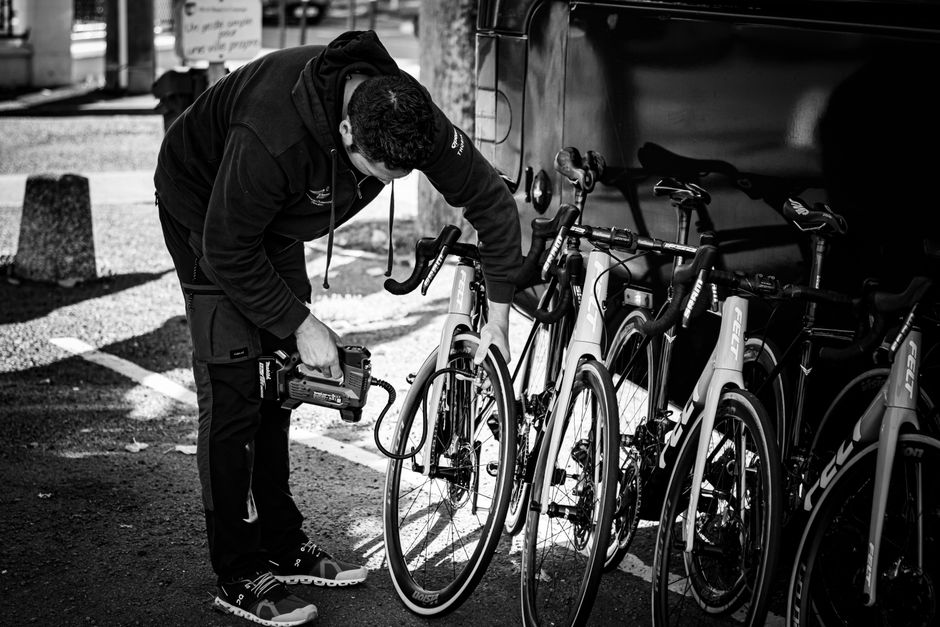
Before comparing specific products, it helps to understand the fundamental fork in the road: hub motors versus mid-drive motors.
- Hub motors (front or rear wheel) replace or augment a wheel hub with a motor. Front hub kits are generally the easiest to install and the most beginner-friendly. Rear hub kits add traction but are slightly more involved. Both are independent of the bike’s drivetrain, which keeps installation simpler but means they can’t leverage your gears for climbing efficiency.
- Mid-drive motors mount at the bottom bracket and drive the cranks directly, so they use the bike’s existing gearing. This makes them significantly better on hills and more efficient at varied speeds. The tradeoff: installation requires removing the bottom bracket, which is more technically demanding. They also tend to add more wear to the chain over time.
Expert guidance consistently notes that for flat commuting, a hub kit is often perfectly adequate. For hilly terrain or longer rides, mid-drives are the preferred choice. Compatibility also matters: most hub kits work with standard 100mm front dropouts or 135mm rear dropouts, and wheel size matching — 20in, 26in, 27.5in, or 700c — is a prerequisite you must verify before purchasing.
The Best All-Around Kit: Bafang Mid-Drive
Across multiple expert roundups and owner-reported consensus reviewed for this guide, Bafang mid-drive kits are the most consistently recommended option for riders who want the best balance of power and value. Kits are available across a wide range of configurations, with US pricing generally running from roughly $400 to over $1,000 depending on motor rating and whether a battery is included. Power options span from 250W legal commuter variants up to 750W and beyond, with some configurations reaching 1,000W. Paired with a 500–700Wh battery, expert reviews cite real-world ranges of approximately 40–60 miles per charge.
Owner praise centers on strong torque, excellent hill performance, a broad ecosystem of compatible parts, and long-term reliability. The genuine tradeoff: Bafang installs are not plug-and-play. Bottom bracket removal, cable routing, and sensor setup require either mechanical confidence or a willing bike shop. If you’re a complete beginner with tools, budget time or a professional install fee into your total cost.
Easiest Install: Swytch GO / Air
For riders who want to electrify their bike with minimal disruption, Swytch is the most frequently cited front-hub option in current guides. The system uses a compact, clip-on battery pack that attaches to the handlebar, keeping the bike largely unchanged and making the battery easy to remove for indoor charging or theft prevention. US pricing falls in roughly the $400–$1,000+ range depending on battery size and version. Installation is described by multiple sources as genuinely approachable for non-mechanics.
The honest caveat: Swytch is commuter-focused and lower-power by design. It won’t satisfy riders looking for aggressive hill climbing or performance-oriented riding. It’s the right tool for urban flat-terrain commuting — not for mountain trails. See our best commuter electric bikes roundup for more context on commuter-optimized setups.
Best Affordable Mid-Drive: TongSheng TSDZ2
The TongSheng TSDZ2 (and related TSDZ8-style variants) occupies an interesting position: it delivers the climbing advantage of a mid-drive motor at pricing that generally stays in the accessible $400–$1,000 range. Owner and expert feedback highlights a notably natural-feeling assist — the motor responds to pedaling effort rather than just cadence, which many riders find more intuitive than hub systems. Compatibility is broad, and the platform has an active community of tinkerers and tuners.
The primary complaint is familiar to mid-drives generally: installation is still more involved than swapping a front wheel, and the battery is typically sold separately, which can meaningfully change the real total cost. Always calculate kit-plus-battery pricing before comparing to an all-in-one option.
Premium Options Worth Knowing
Two names that appear consistently in 2026 expert roundups for riders with larger budgets:
- Cytronex — A lightweight, well-engineered hub-based system praised for its polish and ease of daily use. Exact US pricing isn’t clearly published in the sources reviewed, but it’s positioned as a premium product. Expert commentary highlights its thoughtful design and low-effort install with basic tools.
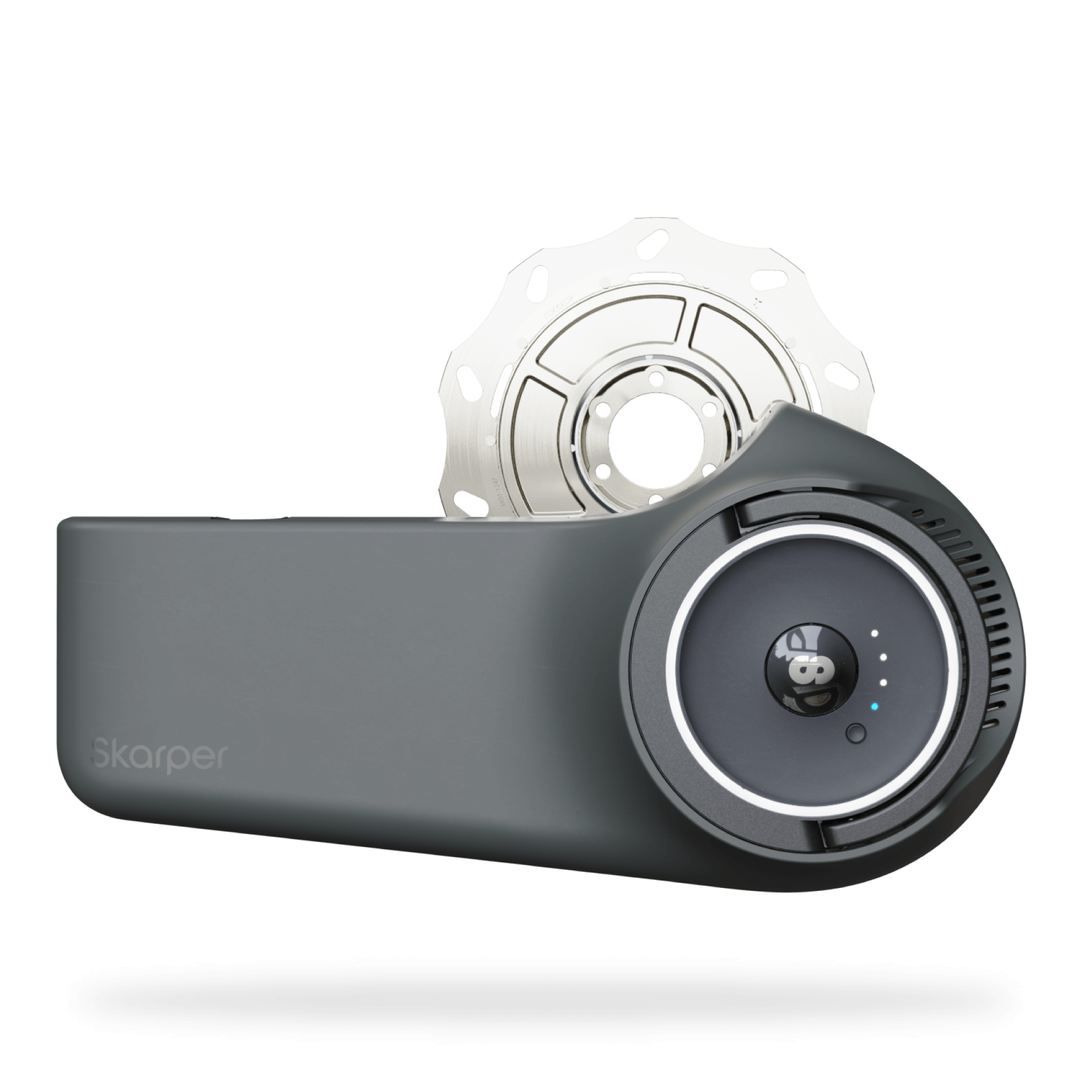
- Skarper DiscDrive — An innovative disc-brake-mounted motor system notable for exceptionally broad bike compatibility and a very easy fit process. Also premium-priced. Current roundups flag it as one of the most versatile systems for riders with non-standard bike setups.
- CYC Photon — A mid-drive kit frequently highlighted in expert comparisons for smooth power delivery and modern performance characteristics. Positioned as a premium purchase; exact pricing wasn’t confirmed in the sources reviewed.
Budget Entry Point: Voilamart Rear Hub Kit
For riders on a tight budget, the Voilamart 48V rear hub kit appears in current guides as a low-cost starting point. Owner feedback is mixed but clear: the price is its primary virtue. Installation is described as fiddly, the battery is sold separately (adding significantly to the real cost), and weatherproofing is a noted concern for wet-weather riders. It’s a functional budget option, not a refined one.
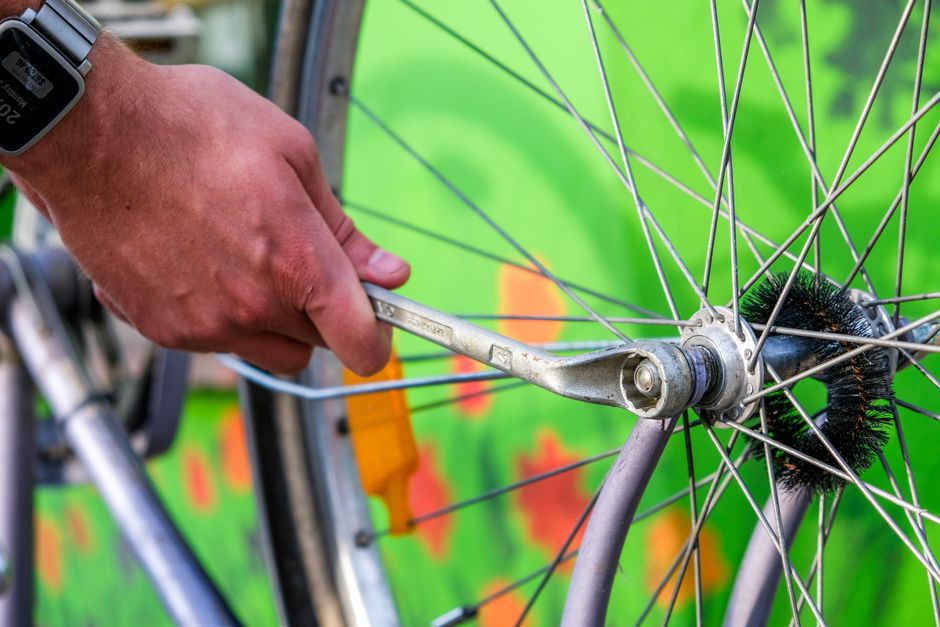
One important safety note applicable to all front hub installations: expert sources recommend always installing a torque arm to reduce stress on the fork dropouts. This is a low-cost safety step that’s easy to overlook and important not to skip.
What’s Changed Heading Into 2026
Current buying guides reflect a clear market shift toward lighter, modular systems with removable batteries — a response to commuter demand for portability and convenient charging. Bulky, integrated older-style kits are increasingly seen as dated. Legal awareness is also growing: US guidance generally frames conversions around a 750W and class-based speed limit framework, while European and UK regulations remain stricter at 250W and 25 km/h (15.5 mph). Critically, legality still varies by state and country — a high-power conversion can be classified as a motor vehicle in stricter jurisdictions, with real licensing and insurance implications. Research your local rules before purchasing.
The Bottom Line
For most riders, a Bafang mid-drive kit in the $400–$1,000 range represents the strongest combination of performance, long-term reliability, and value — and that assessment is consistently supported across expert sources and owner communities. If ease of installation is the priority and you’re commuting on flat ground, Swytch is the most straightforward path. For a more natural mid-drive feel at an accessible price, TongSheng earns its reputation. Premium shoppers with specific needs — particularly those who want minimal visual impact or unusually broad bike compatibility — will find Cytronex and Skarper worth the price research. Whatever you choose, always factor the battery cost into your total, verify dropout width and wheel size compatibility before ordering, and don’t skip the torque arm if you’re running a front hub. For more guidance on complete factory e-bikes as an alternative, see our electric bike buying guide.
Sources
- Cycling News — Best Electric Bike Conversion Kits
- E-Bike Repair Factory — Conversion Kits to Transform Your Bike in 2026
- YouTube — Conversion Kit Review (video source)
- Leoguar Bikes — Best Electric Bike Kit Options
- Em3ev — Best E-Bike Kits Guide
- Cycling Weekly — Can You Convert a Normal Bike to an E-Bike?
- Electric Bike Review Forums — Choosing the Best Conversion Kit
Disclosure: This article was produced with AI-assisted research and editing. VoltVentureLab.com may earn a commission from qualifying purchases made through affiliate links on this page.