
Reliable power is essential for modern van life, keeping everything from laptops to essential appliances running smoothly. This guide cuts through the options to present a carefully researched selection of the best 12V pure sine wave inverters for 2026, designed to help you choose the right power foundation for your mobile home.
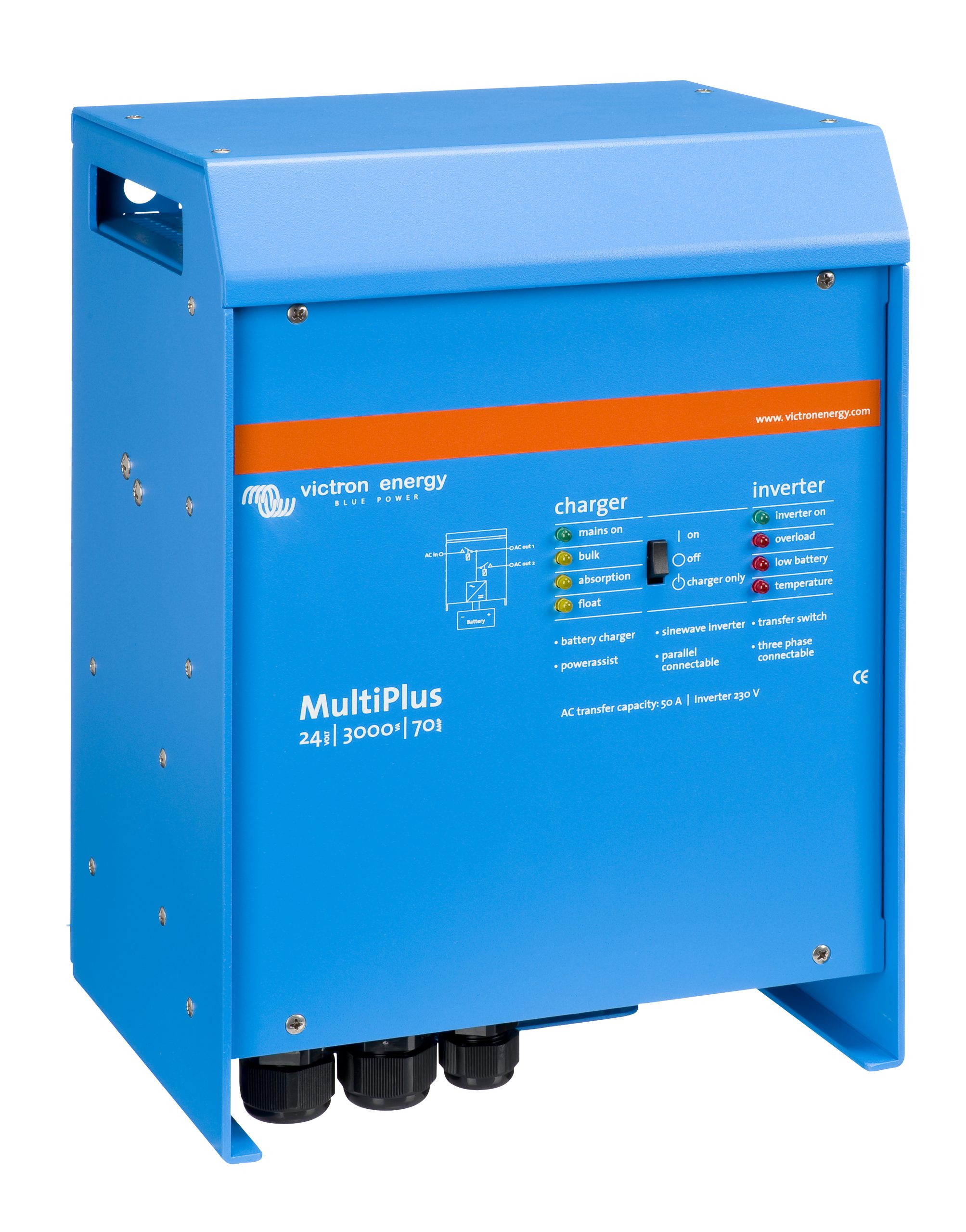 Top Pick
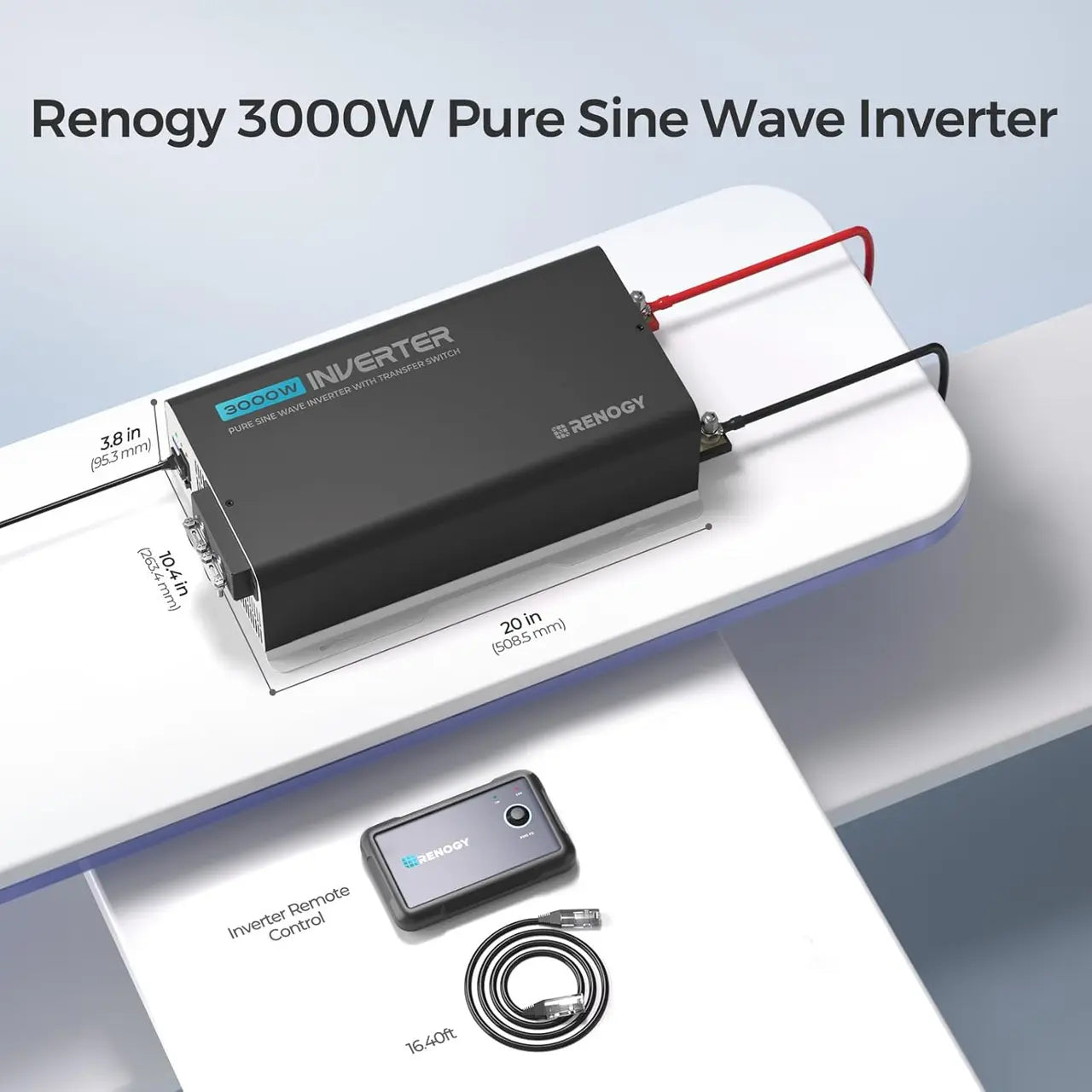 Best Value
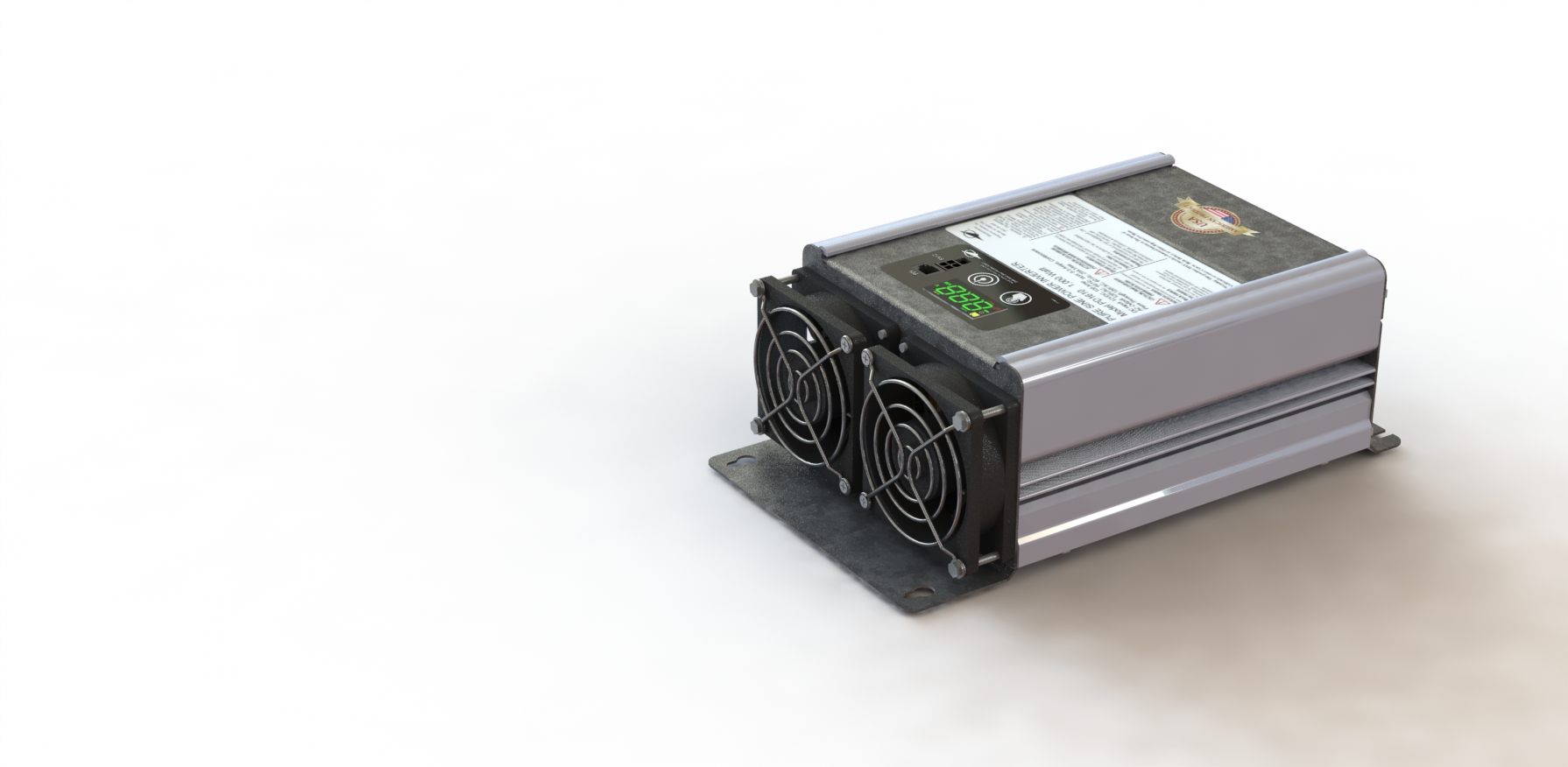 Also Great
Why Pure Sine Wave Is Now the Default for Van Life

If you’re building or upgrading a van conversion in 2026, the inverter conversation has largely been settled: pure sine wave is no longer a premium upgrade — it’s the baseline recommendation. Current buying guides from RV and van life specialists consistently stress that modified sine wave units, while cheaper, introduce real risks for sensitive electronics, cause motors and compressors to run less efficiently, and can interfere with or damage devices like CPAP machines and modern laptop chargers. For a vehicle that doubles as your home, that tradeoff simply isn’t worth it.
This guide pulls from current RV owner communities, published 2026 buying guides, and manufacturer data to give you an honest picture of which inverters belong in a van life build — and which claims you should treat with skepticism.
How to Size Your Inverter Before You Buy Anything

Sizing is where most van builders go wrong, and undersizing is the most common and costly mistake. The process is straightforward:
- Add up your simultaneous AC loads. Think about which devices you’ll actually run at the same time — a laptop, a refrigerator compressor, lights, a fan, or a CPAP.
- Add 20% headroom above that total to avoid running the inverter at its ceiling, which shortens lifespan and reduces efficiency.
- Account for surge power. Devices with motors — refrigerators, pumps, air compressors — draw two to three times their running wattage on startup. Your inverter’s surge rating needs to handle that spike.
- Respect your battery bank. At 12V, every 1,000W of AC load draws approximately 100A from your batteries after accounting for efficiency losses. A 2,000W load means roughly 200A of draw — a number that exposes undersized wiring and battery banks immediately.
For most solo or couple van setups, a 1,000W to 2,000W pure sine wave inverter covers everyday needs comfortably. Larger builds with induction cooktops, air conditioning attempts, or power tools push toward the 3,000W range. Note that even a high-quality 3,500W pure sine inverter may still fail to start a rooftop air conditioning unit — a real-world limitation reported by van life owners — because the battery bank, wiring, and surge capacity all have to work together. The inverter alone is only part of the equation.
Current guides confirm that pure sine wave inverters generally operate at 85% to 95% efficiency, compared to 75% to 85% for modified sine wave units. That efficiency gap matters when you’re running off a finite battery bank between solar charging cycles. best solar panels for van life
Brands Worth Considering in 2026
Based on current RV-focused owner discussions, published guides, and manufacturer reputations, these are the brands that consistently come up as credible options:
- Victron Energy (Phoenix / MultiPlus line): Widely regarded as the top-tier choice for mobile power. Victron is praised repeatedly for build quality, smart monitoring via Bluetooth and their VRM portal, and a strong reputation across RV and marine applications. The MultiPlus models add inverter-charger functionality, which is genuinely useful for van builds with shore power access. The tradeoff is price — Victron sits at the premium end of the market, and that premium is real.
- Xantrex / Schneider (Freedom line): A long-established RV brand with broad dealer and service network support across North America. The Freedom inverter-charger series is a practical choice if serviceability and dealer access matter to you — relevant if you’re traveling full-time and need support on the road.
- Renogy: Consistently recommended as a value-oriented option for DIY van conversions. Renogy occupies the accessible middle ground — not the cheapest unit available, but a recognizable brand with documentation, customer support, and a product ecosystem that integrates with their solar charge controllers. A reasonable starting point for first-time builders. best solar charge controllers for RVs
- Magnum Energy: Favored in RV communities for heavy-use scenarios and robust surge handling. If your build includes high-draw appliances and you want an inverter-charger that handles aggressive loads reliably, Magnum is worth evaluating.
- Progressive Dynamics: Their 2,000W pure sine wave inverter with integrated transfer switch has earned positive owner feedback specifically around ease of installation and quiet operation — owners note the cooling fan “rarely goes on” under typical van life loads, which matters in a small living space.
- AIMS Power / OutBack Power: Both are cited in reliability discussions for higher-demand and off-grid setups. AIMS tends to appear in budget-conscious builds; OutBack skews toward serious off-grid systems where longevity and support matter more than upfront cost.
Note on pricing: Verified 2026 US retail prices for specific models were not available in the research sources used for this article. Prices shift frequently, and quoting specific figures without confirmed current data would be doing you a disservice. Check each manufacturer’s site and major retailers directly before purchasing.
What Owners Actually Praise — and Complain About
Across RV forums and van life communities, the consistent praise for quality pure sine wave inverters centers on quiet operation, clean power delivery, and compatibility with appliances and medical devices like CPAPs. Victron users in particular highlight the smart monitoring features as genuinely useful for managing a mobile power system day-to-day.
The complaints are equally consistent: sizing is routinely underestimated. Owners report that high current draw at 12V exposes weak points in battery banks and wiring that weren’t obvious until the inverter was running under real load. The lesson repeated across forums is to size your battery bank and cable gauge before you size your inverter, not after. A capable inverter connected to an undersized system will disappoint every time.
The One Spec You Cannot Ignore: Safety Certification
Current 2026 buying guidance is direct on this point: UL or ETL listing is described as non-negotiable for safety and insurance reliability. Uncertified inverters — common among low-cost imports — introduce fire risk, void vehicle insurance claims, and may not perform to their advertised specifications. In a vehicle where you sleep, cook, and work, this is not the place to gamble on unverified claims. Check for the certification mark before adding anything to your cart. best electric bikes for van life adventures
The Bottom Line: Our Evidence-Based Recommendation
If budget is not the primary constraint, Victron Energy’s Phoenix or MultiPlus line is the clearest overall recommendation for van life in 2026. The combination of build quality, smart monitoring, strong community support, and RV/marine-grade engineering makes it the inverter that experienced builders consistently point to when asked what they’d buy again. The genuine tradeoff is cost — Victron commands a premium, and for some builds, that premium isn’t justified.
For builders working within a tighter budget, Renogy’s pure sine wave inverters offer a credible entry point, backed by a DIY-friendly ecosystem and accessible documentation. For those prioritizing serviceability while traveling full-time, Xantrex’s dealer network is a meaningful practical advantage.
Whatever brand you choose: confirm the safety certification, size for surge not just continuous load, and design your battery bank and wiring to match the inverter — not the other way around.
Sources
- powerinverter.com — RV & Van Life Inverter Guide
- A1 Solar Store — Best Pure Sine Wave Inverter: Top Picks and Reviews
- Rocksolar — Best Pure Sine Wave Inverter for Your Cabin
- Battle Born Batteries — Pure Sine Wave Inverter for RV
- Escape Forum — Most Reliable RV Inverter Brands: Owner Discussion
- powerinverters.com — Inverter for RV
- Van Life Projects (Facebook Group) — Owner Discussion
Disclosure: This article was produced with AI-assisted research and editorial review. VoltVentureLab.com may earn a commission on purchases made through affiliate links at no additional cost to you.