
Embarking on van life often means seeking true energy independence, yet setting up a solar system can initially seem complex. This complete beginner’s guide for 2026 demystifies the process, explaining essential components, system planning, and practical installation steps. Here you’ll find the researched information needed to confidently design and implement a reliable solar power setup for your adventures.
Why Van Life Solar Is Worth Understanding Before You Buy

Van life solar setups have never been more accessible — or more confusing. Walk into any overlanding forum or YouTube rabbit hole and you’ll find wildly different system sizes, conflicting price claims, and gear recommendations that range from bare-bones to overkill. This guide cuts through the noise by grounding every recommendation in published specs, educator-verified sizing guides, and real-world build costs from trusted van-life sources. Whether you’re planning a summer adventure rig or a full-time four-season home on wheels, the decisions you make at the design stage will define how comfortably — and cheaply — you live later.
The Four Core Components of Any Van Solar System
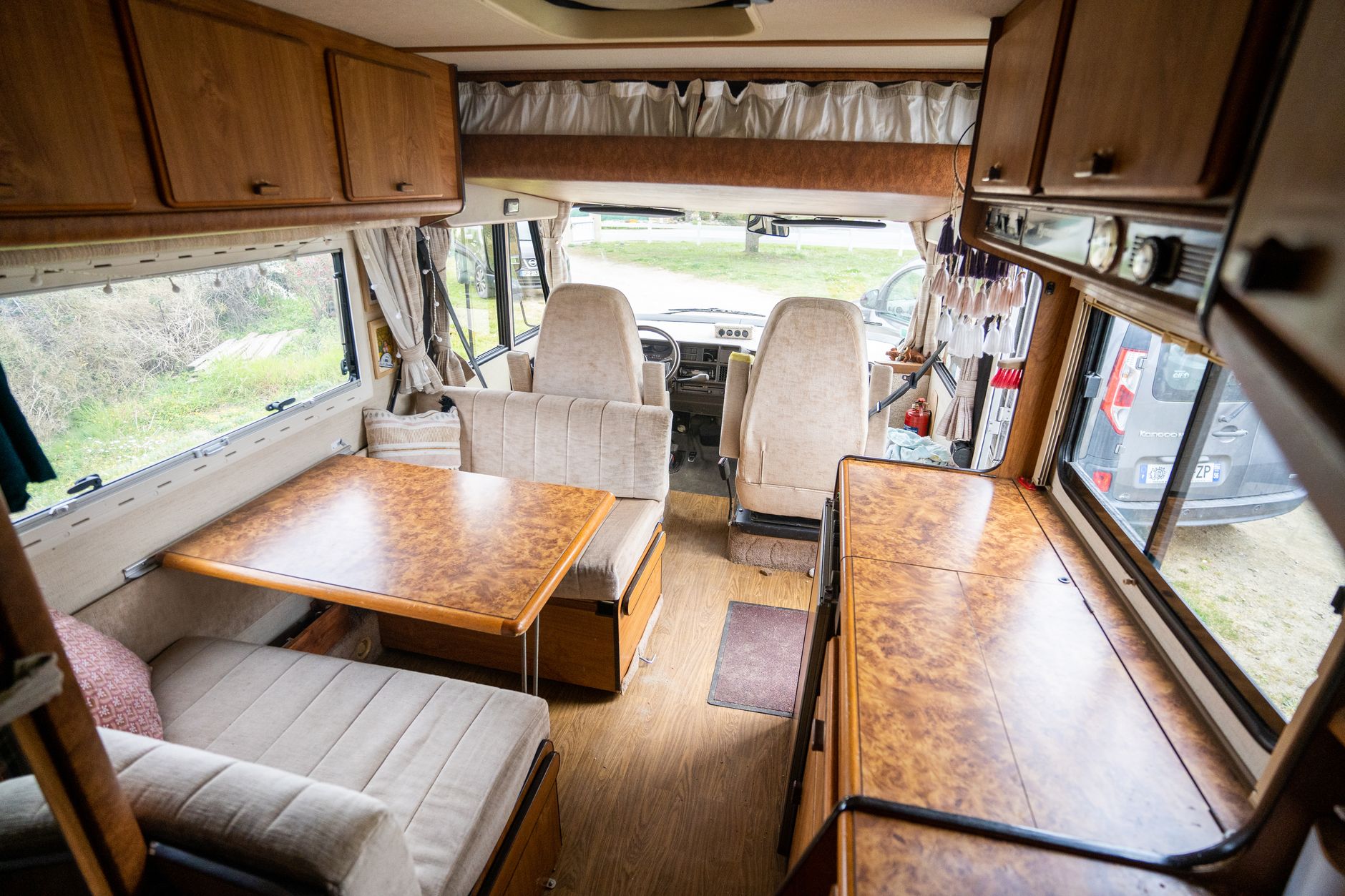
Before sizing anything, it helps to understand what a van solar system actually consists of. Every functional setup requires the same four building blocks:
- Roof solar panels — the array that captures sunlight and generates DC power
- MPPT charge controller — regulates the power flowing from panels into your battery, maximizing efficiency
- Lithium battery bank — stores the energy you generate for use at night or on cloudy days
- Pure sine wave inverter — converts stored DC power to AC power if you need to run laptops, kitchen appliances, or other standard household devices
Saor Campers summarizes this clearly: a full solar setup for comfortable off-grid living means a 500W+ rooftop array, a quality battery bank, an inverter, and all associated wiring. Skimping on any one of these components tends to create frustrating bottlenecks, especially once you’re living in the van full time.
How Much Solar Do You Actually Need?
This is the question every beginner asks first, and the answer depends almost entirely on your lifestyle. The Vansmith’s comprehensive sizing guide offers the most practical breakdown available:
- Basic summer van life (fridge, lights, phone charging): 200W minimum, workable in sunny conditions
- Comfortable everyday van life (fridge, multiple devices, occasional laptop work): 300–400W recommended
- Year-round or winter reliability: 400W+, with many full-timers pushing to 600W for confidence in low-sun conditions
- Luxury or high-consumption setups (air conditioning, power tools, multiple screens): 800W–1,000W+
The most common real-world setup, according to The Vansmith, lands in the 400–600W solar range paired with 200–300Ah of lithium battery storage. This is the practical sweet spot that appears repeatedly across van-build educators and is worth treating as your default target unless your use case is clearly more modest or more demanding.
Battery Sizing: The Rule of Thumb That Actually Works
Solar panels generate power; batteries store it. Getting the ratio wrong is one of the most common and costly beginner mistakes. The Vansmith offers a clean rule of thumb that van-build educators consistently echo: plan for roughly 100Ah of battery storage per 200W of solar. In practice, that means:
- 200W solar → ~100Ah battery
- 400W solar → ~200Ah battery
- 600W solar → ~300Ah battery
Lithium batteries (specifically LiFePO4 chemistry) are now the standard recommendation across virtually every credible van-build guide. They charge faster, discharge more deeply without damage, and last significantly longer than older AGM options — though they do carry a higher upfront cost. That cost increase is a genuine tradeoff worth acknowledging: once you add a proper battery bank, an MPPT controller, an inverter, and all wiring, your total system cost rises substantially above the panel cost alone, as Saor Campers notes.
What Does a Van Solar System Actually Cost?
Cost varies widely depending on system size and whether you’re buying components individually or as a kit. Here’s what the sources actually confirm:
- FarOutRide’s DIY solar add-on cost was $575 total — broken down as $500 for panels and $75 for mounting hardware. This reflects a panel-only addition to an existing electrical system.
- CheapRVliving demonstrates that a complete basic van solar system can be built for well under $500, covering the essential loads of a fridge, lights, and device charging.
- The Vansmith characterizes DIY kit pricing as roughly $500–$1,200 for a full system, acknowledging that larger, more capable setups push toward the higher end.
What these figures make clear is that entry-level setups are genuinely affordable, but “full comfortable off-grid living” costs meaningfully more once battery storage and an inverter enter the equation. Budget accordingly from the start rather than upgrading piece by piece, which almost always costs more in the long run.
Installation: Roof Mounting and Wiring Basics
FarOutRide’s build documentation covers two main roof-mounting approaches: a dedicated rack system or VHB (Very High Bond) tape mounting for a lower-profile, no-drill installation. Both methods are widely used in the van-build community, with rack systems offering more structural security and easier panel repositioning, while VHB tape installs keep the roof cleaner and simpler for standard rectangular panels.
On the electrical side, FarOutRide’s system architecture — which supports solar up to 700W, alternator charging up to 50A, shore power up to 80A DC, and 15A AC input — provides a useful reference ceiling for anyone planning a more capable multi-source charging setup. Most beginners won’t need all of these inputs immediately, but building a system that can accept alternator charging from the start is worth the small additional investment, since driving naturally supplements solar on cloudy days or in winter.
If you’re pairing your solar build with other vehicle upgrades, see our guide to best electric bikes for 12V-compatible accessories, or check out portable solar panels for supplemental ground-deploy options on low-sun days.
The Honest Verdict: What Size System Should a Beginner Build?
Based on the available sourced evidence, the clear starting point for most beginners is a 400W solar array paired with 200Ah of lithium storage. This combination sits at the intersection of affordability, real-world usefulness, and upgrade flexibility. It covers a 12V fridge, LED lighting, and regular device and laptop charging without constant anxiety about power — which is what separates a functional van life from a stressful one.
The genuine tradeoff: 400W will not be enough for confident winter van life in northern climates or for anyone running high-draw AC appliances regularly. The Vansmith explicitly notes that winter confidence typically pushes users toward 600W or more, and high-consumption rigs may need 1,000W+. If you know your build is destined for year-round full-time use, build toward 600W from the start and avoid the cost and effort of a mid-build upgrade.
For anyone on a tight budget, the sub-$500 complete systems demonstrated by CheapRVliving prove that basic van life is achievable at low cost — but be realistic that “basic” means fewer simultaneous loads and limited cloudy-day reserves. It’s a valid entry point, not a permanent solution for full-time off-grid comfort.
For more on pairing your solar build with efficient 12V appliances and EV gear, visit our van life gear reviews section.
Sources
- FarOutRide – Van Solar Setup
- Saor Campers – Solar Panels for Campervans
- YouTube – Van Solar Demo (CheapRVliving)
- The Vansmith – How Much Solar Do You Need for Van Life
- FarOutRide – Van Electrical System Guide
- YouTube – Complete Van Solar System Build
- The Vansmith – How Many Solar Panels for a Camper
Disclosure: This article was produced with AI-assisted research and editing. VoltVentureLab.com may earn a commission through affiliate links at no additional cost to you.