
Selecting the optimal battery type for an RV solar setup involves weighing various factors crucial for reliable off-grid power. This guide objectively examines the characteristics of both lithium and AGM batteries, the leading options for recreational vehicles. We’ll compare their performance, longevity, cost, and maintenance requirements to support your decision-making process for 2026 and beyond.
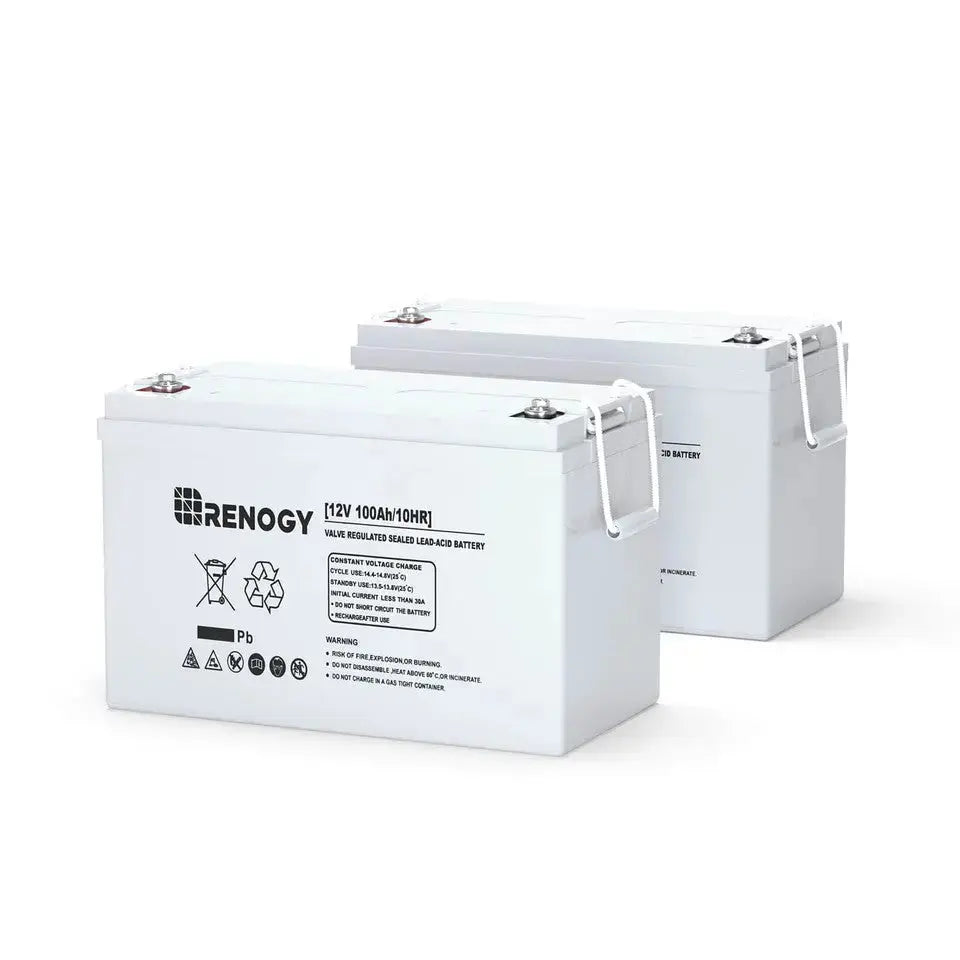 Best Value
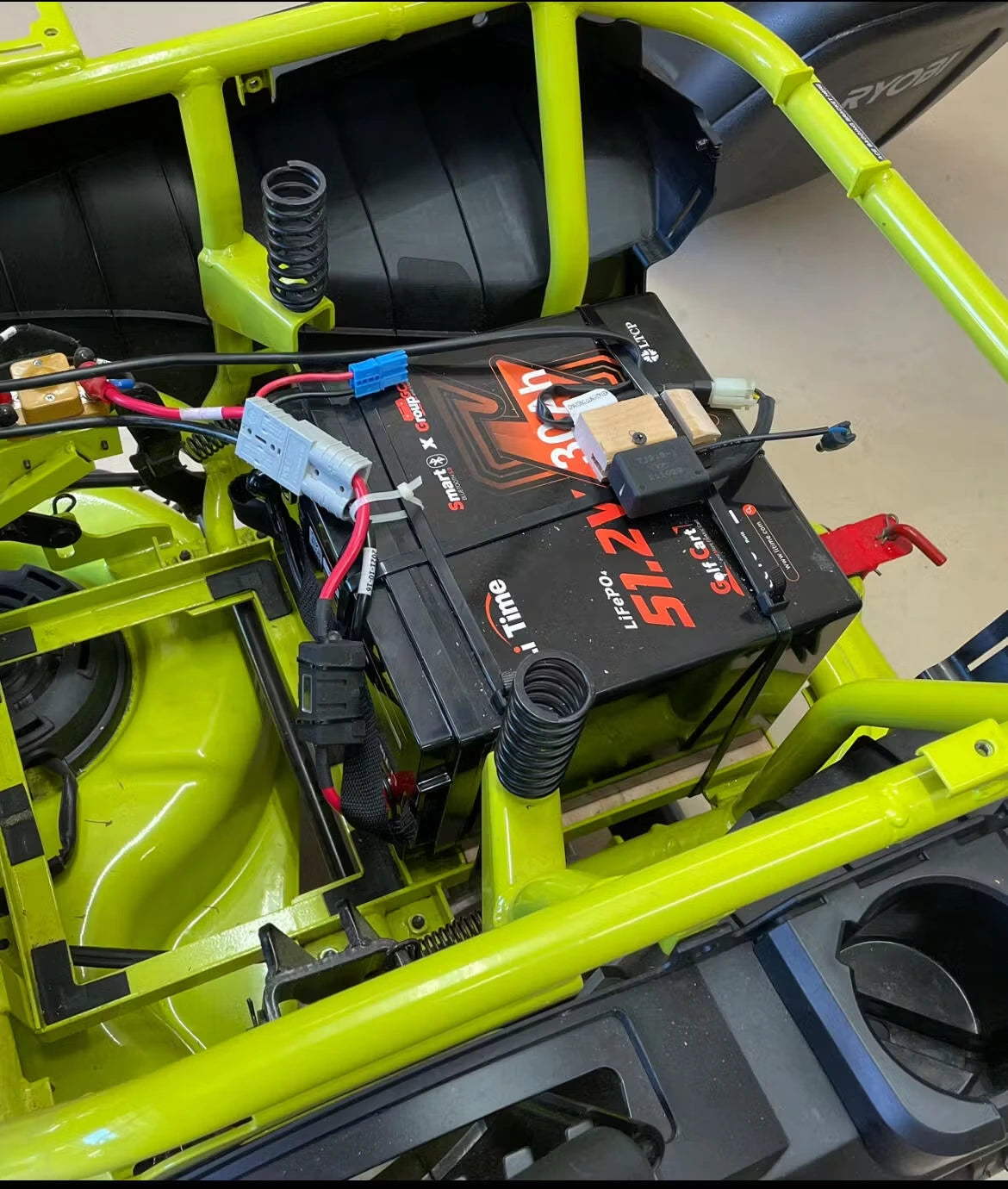 Premium Pick
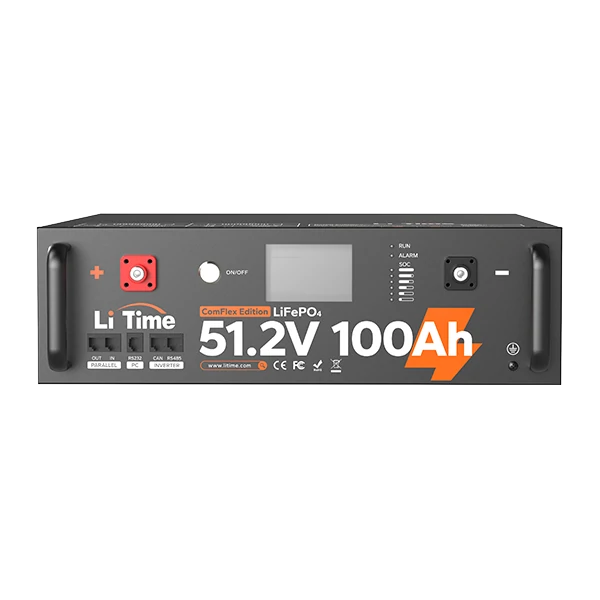 Budget Pick
Why Your Battery Choice Defines Your Entire Solar Setup

Your RV’s battery bank is the foundation of everything your solar system does. The panels harvest energy, the charge controller manages it, but the battery is where that energy actually lives — and how well it performs determines whether you run your refrigerator through the night or wake up to a dead system. In 2025, the core decision hasn’t changed dramatically: you’re still choosing between LiFePO4 lithium iron phosphate and AGM (Absorbent Glass Mat) lead-acid. But the market has shifted meaningfully, and for most RV solar builds today, one chemistry pulls clearly ahead. Here’s an honest, research-grounded breakdown of both.
The Core Specs That Actually Matter

Before comparing dollar figures, it’s worth understanding the specifications that drive real-world performance differences. These aren’t marketing numbers — they’re the figures that determine how your rig actually behaves off-grid.
- Usable capacity: LiFePO4 batteries can safely use nearly 100% of their rated capacity. AGM batteries should only be discharged to around 50% depth of discharge to maintain reasonable cycle life. That means a 100Ah AGM effectively gives you about 50Ah of usable power, while a 100Ah lithium gives you close to the full 100Ah.
- Cycle life: AGM deep-cycle batteries typically deliver 300–700 cycles before significant degradation. LiFePO4 batteries commonly achieve 3,000–7,000+ cycles depending on conditions and manufacturer. That’s a 5–10x lifespan advantage for lithium.
- Charging speed: Lithium charges up to four times faster than AGM, according to multiple manufacturer and buyer’s guide sources. For solar users with limited daylight hours, that speed difference is significant.
- Weight: A 100Ah AGM battery typically weighs around 60–70 lb. A comparable 100Ah LiFePO4 battery weighs approximately 25–30 lb — roughly half. For weight-conscious builds or roof-load calculations, this matters considerably.
- Round-trip efficiency: AGM batteries return approximately 80–85% of stored energy. LiFePO4 comes in at 95%+, which means less of your solar harvest is wasted as heat during charge and discharge cycles.
What You’ll Pay: Honest Price Ranges
Cost is where AGM still earns its place in certain conversations. Based on current U.S. market data from published buying guides and manufacturer sources:
- 100Ah 12V AGM deep-cycle batteries typically run $200–$300 per battery — a low barrier to entry for budget builds or occasional-use rigs.
- 100Ah 12V LiFePO4 drop-in batteries are typically priced in the $600–$1,000 range, with premium units going higher. That’s a real upfront premium.
However, factoring in usable capacity and cycle life changes the math significantly. Because AGM delivers only half its rated capacity and requires replacement far sooner, its long-term cost per usable kilowatt-hour is substantially higher than lithium’s. For full-timers or frequent boondockers, the lithium payback window is real — it’s the occasional or light users where AGM’s lower sticker price holds up as a genuine advantage.
For RV solar sizing context: published guides commonly recommend 200–400Ah of lithium capacity for extended off-grid trips, and 400–800Ah or more for full-time rigs running residential loads. Scale your budget accordingly. best solar charge controllers for RVs
Cold Weather: Lithium’s Real Limitation
This is the tradeoff that doesn’t get enough attention in pro-lithium coverage, so it’s worth stating plainly: standard LiFePO4 batteries should not be charged below 32°F (0°C). Attempting to charge a lithium battery in freezing temperatures can cause lithium plating inside the cells, permanently damaging capacity. Many batteries include a built-in low-temperature cutoff that simply stops charging until the battery warms — which can be a problem if you’re parked in the snow and relying on solar input to keep your systems running.
The solution for cold-climate RVers is to specifically seek out LiFePO4 batteries with integrated low-temperature protection or self-heating capability. These exist on the market, though they often carry a price premium. AGM batteries, by contrast, handle cold-weather charging more tolerably, which is a genuine reason some winter campers and high-elevation users stick with lead-acid chemistry. Just note that AGM also loses significant capacity in very cold temps — it’s a better cold-weather charger, not a better cold-weather performer.
System Compatibility: Don’t Overlook Your Charger
One of the most common and costly mistakes in RV battery upgrades is swapping to lithium without checking the charging system. Older RV converters and chargers are designed for lead-acid charging profiles, which don’t match lithium’s requirements. Running a lithium bank on a lead-acid charger can undercharge the battery, reduce its performance, or in some cases create safety issues over time.
If your rig is running older charging equipment, factor in the cost of a lithium-compatible converter or DC-DC charger alongside your battery budget. This is one area where AGM genuinely wins on convenience — it’s drop-in compatible with virtually all existing RV electrical setups with no additional upgrades required. best RV solar charge controllers
Common RV battery form factors — including Group 24 and Group 31 sizes — remain standard across both chemistries, but always verify physical dimensions for your battery compartment before purchasing any replacement.
Owner Consensus: What RVers Actually Report
Across owner forums, review aggregations, and published buyer feedback, the patterns are consistent:
- Lithium owners frequently cite dramatically more usable energy, much easier handling due to lower weight, noticeably faster solar recharge, and steadier voltage under load as the standout benefits. Complaints center on upfront cost, cold-charging limitations, and the need for charging system upgrades in older rigs.
- AGM owners value low upfront cost, zero compatibility headaches with existing gear, and reliable performance for light or seasonal use. The consistent criticisms are heavy weight, limited usable capacity, slower charging, and the cumulative cost of more frequent replacements.
Which Battery Should You Actually Buy?
Based on the research, here is a clear, use-case-honest recommendation:
- Choose AGM if: you’re on a tight upfront budget, use your RV occasionally or seasonally, already have lead-acid-compatible charging equipment you don’t want to replace, or camp frequently in freezing conditions without a heated battery compartment.
- Choose LiFePO4 if: you boondock regularly, live in your RV full-time or extended part-time, want the best return on your solar investment over multiple years, or simply want a system that performs reliably without managing discharge limits. For solar-heavy rigs, lithium is the modern standard — and the market has moved decisively in that direction through 2025 and into 2026.
The honest verdict: LiFePO4 is the better choice for the majority of RV solar users when total cost of ownership, performance, and solar compatibility are the criteria. AGM remains legitimate for specific scenarios, but it’s increasingly a “right tool for a narrow job” rather than a general recommendation. If you’re building a serious off-grid system, invest in lithium and make sure your charging equipment matches. best portable power stations for camping
Sources
- iPowerQueen: AGM vs Lithium RV Batteries
- Temgot: AGM or Lithium for RV?
- Ave Battery: AGM Battery vs Lithium
- Anern Store: LiFePO4 vs AGM 12V 100Ah
- LiTime: AGM vs Lithium-Ion Battery
- Northern Lite: Lithium Batteries for RVs — The Ultimate Guide
- Redodo Power: RV Battery Recommendations
Disclosure: This article was produced with AI-assisted research and editorial review. VoltVentureLab.com may earn a commission from affiliate links at no additional cost to you.