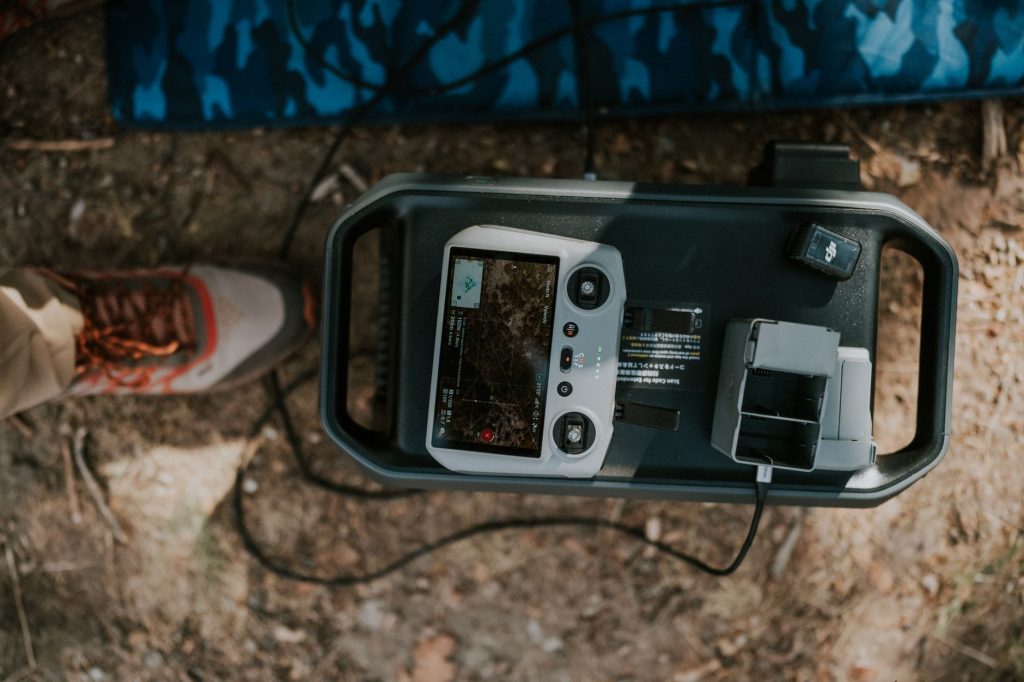
When seeking reliable backup power, many homeowners find themselves comparing portable power stations with more integrated home battery systems. This guide will clarify the fundamental differences, exploring the unique advantages and ideal scenarios for each to help you determine which solution genuinely suits your needs.
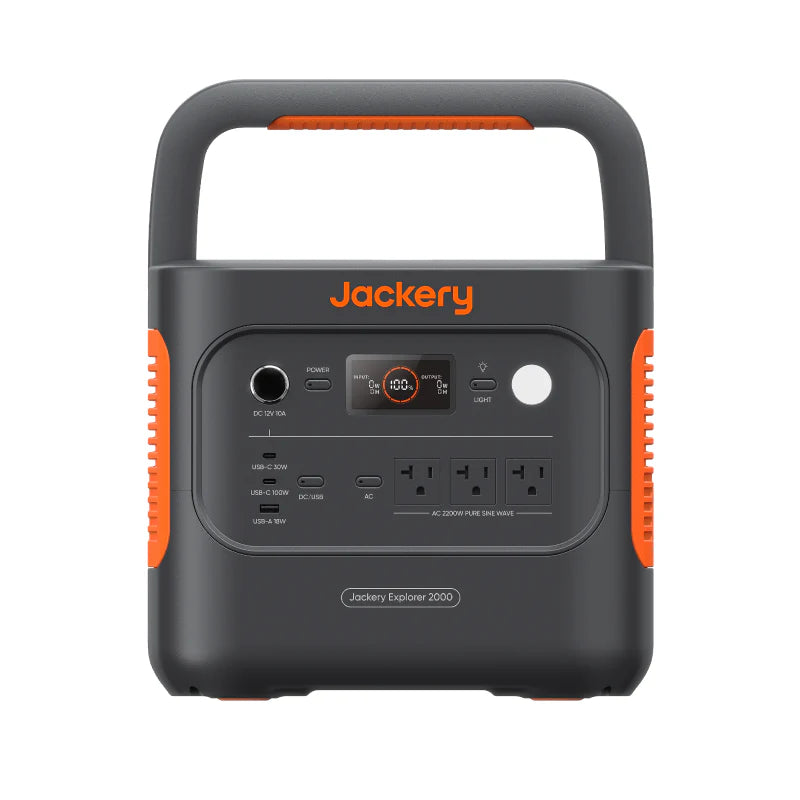 Best Value
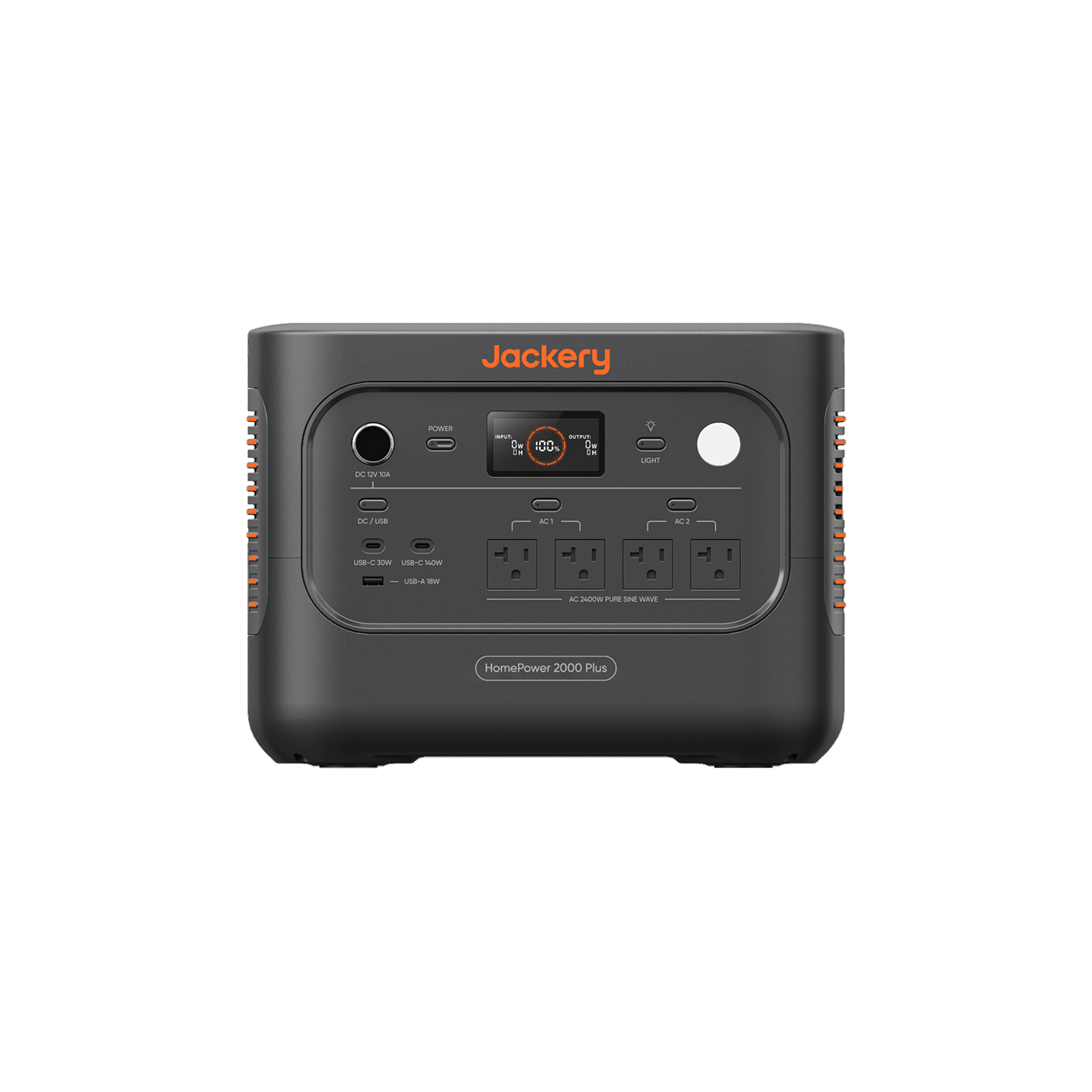 Premium Pick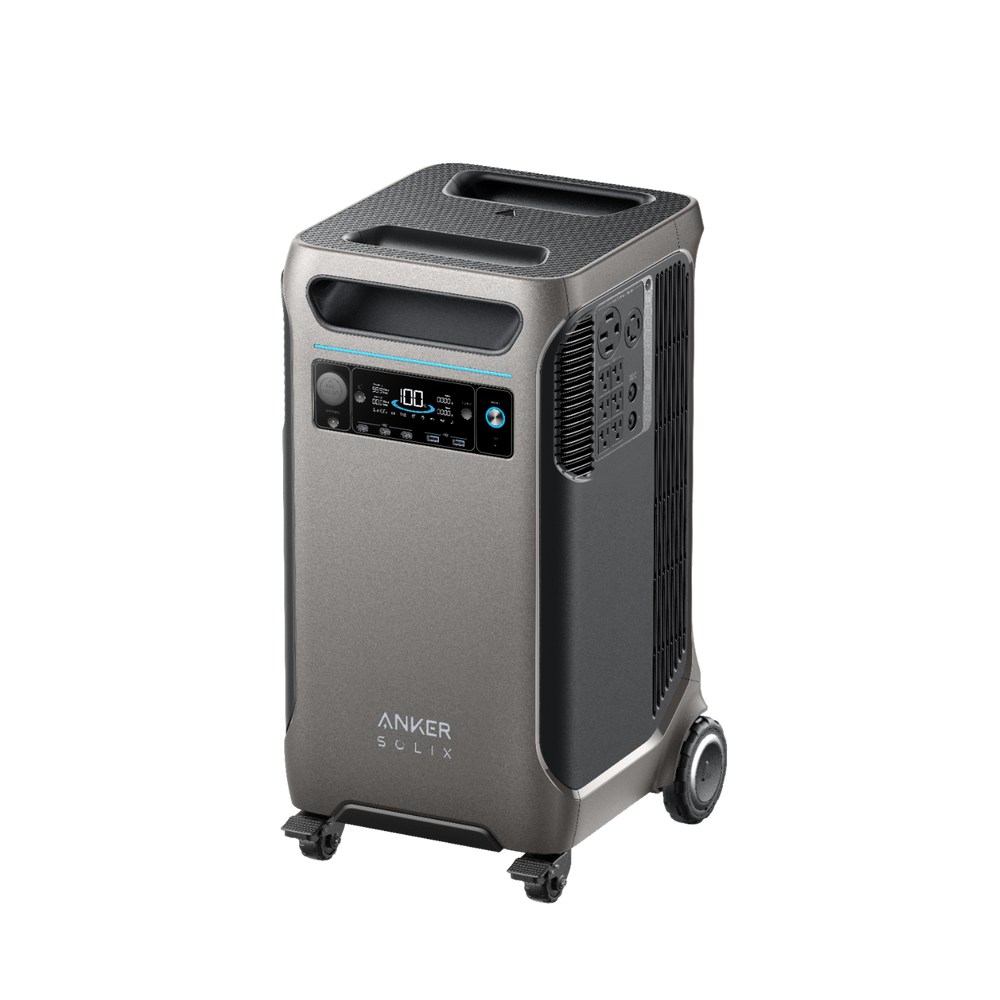
The Core Difference: What Each Device Is Actually Built For
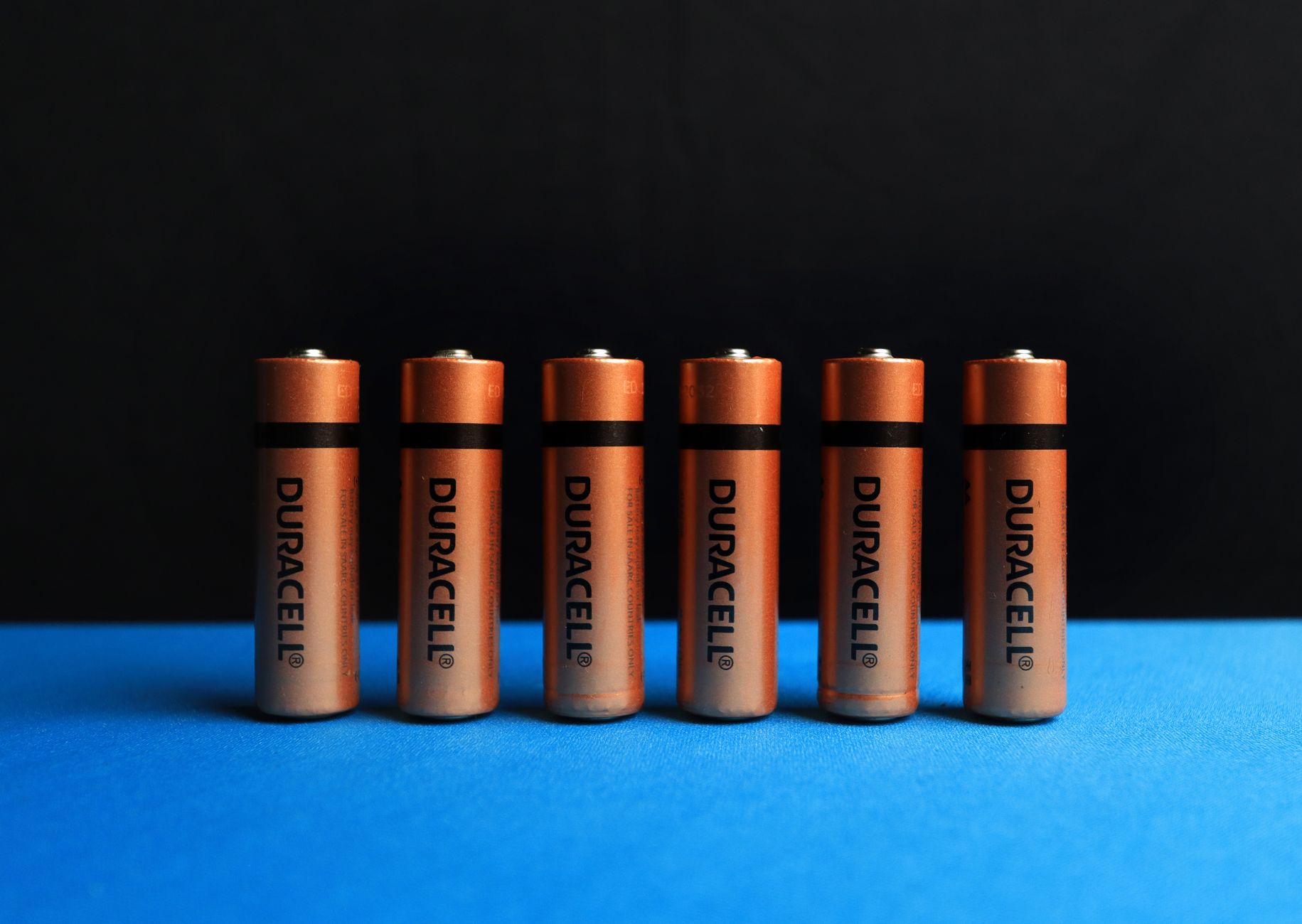
Before comparing specs or prices, it helps to understand that these two product categories solve fundamentally different problems. A portable power station is a self-contained, rechargeable battery with built-in AC outlets, USB ports, and DC outputs that you can pick up and move. A home battery system is a fixed, professionally installed unit wired directly into your electrical panel, designed to back up your entire home or specific critical circuits automatically.
Conflating the two categories leads to bad buying decisions. Spending $15,000 on an installed home battery when you really just need to keep a CPAP machine and a phone charged during occasional outages is overcorrection. Buying a 288 Wh portable unit and expecting it to run your refrigerator through a three-day storm is equally mismatched. The goal of this guide is to help you identify which category you actually belong in — and which specific product makes sense within that category.
What Portable Power Stations Do Well
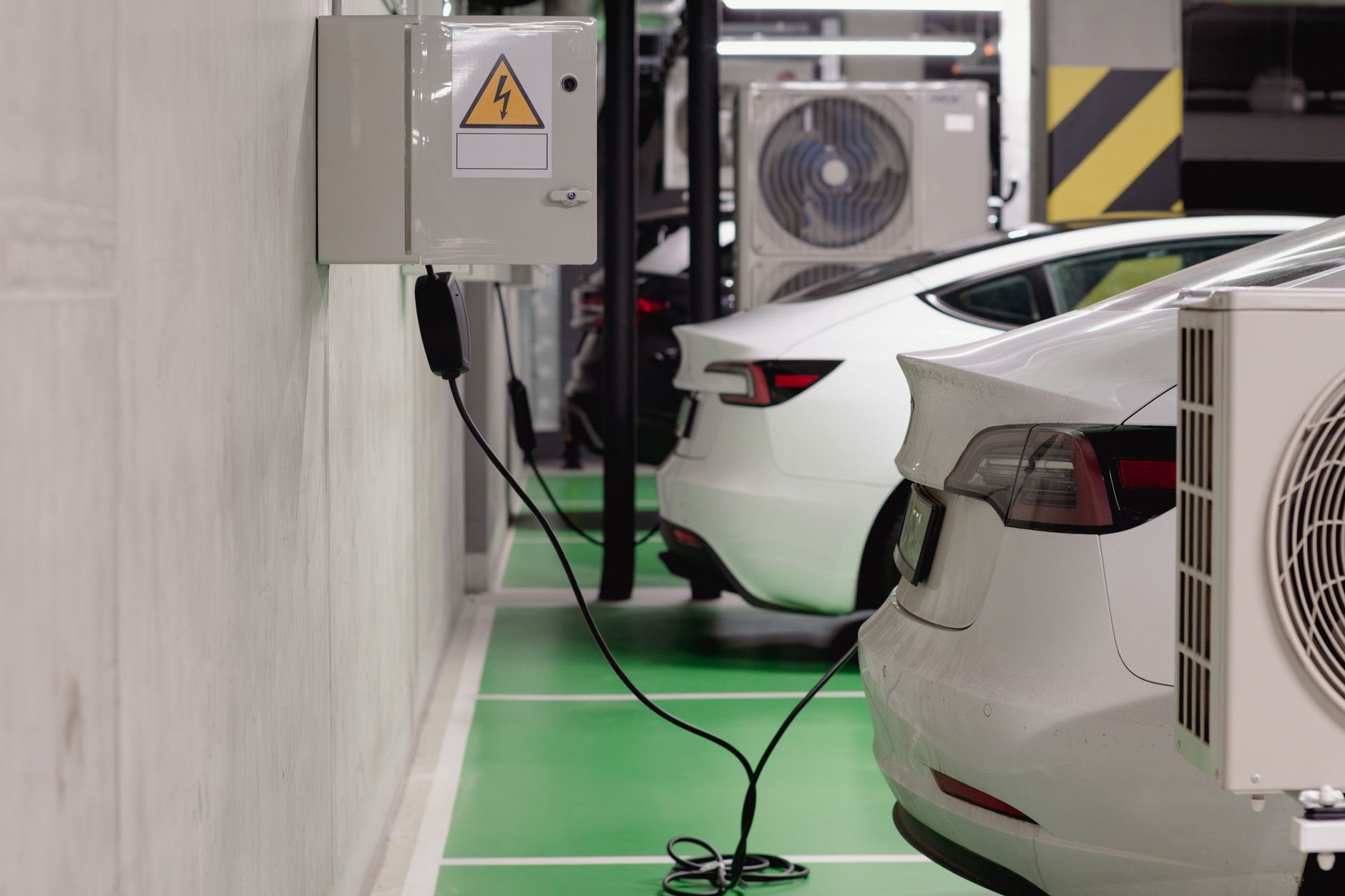
Portable power stations have matured significantly. Current LiFePO4-based units commonly offer 3,000 or more charge cycles, making longevity a much smaller concern than it was with older lithium-ion designs. Fast AC charging is now a mainstream expectation, with many current models reaching 0–80% in approximately 90 minutes from a wall outlet.
The real-world lineup spans a wide range of sizes. On the compact end, the Bluetti Elite 30 V2 offers 288 Wh of capacity, 600 W of output, and weighs just 9.48 lb — genuinely portable for camping, a car, or a desk setup. The Bluetti Pioneer Na steps up to 900 Wh and 1,500 W output at 35.3 lb, covering most household essentials for a short outage. The Bluetti AC180T delivers 2 × 716 Wh of capacity with 1,800 W output, though at 58.4 lb the word “portable” starts to require qualification.
The unit that review consensus most consistently recommends for the majority of buyers is the EcoFlow Delta 3 Plus: 1,024 Wh of capacity, 2,400 W of AC output, 1,000 W of input, and 27.6 lb. TechRadar specifically identifies it as the best portable power station for most people. That combination of capacity, output power, recharge speed, and manageable weight is why it earns that designation — it can run a refrigerator, charge laptops and phones, power lights and a fan, and handle a Wi-Fi router through a typical overnight outage without requiring a wheelbarrow to move it.
Genuine tradeoff: As capacity increases, so does weight — and “portable” becomes increasingly theoretical. Units above roughly 40 lb require real effort to relocate, and some high-capacity models are better described as movable than portable. If you are buying primarily for camping or vehicle use, weight-per-watt-hour matters more than it does for a garage backup unit. best solar generators for camping
Where Portable Stations Fall Short — and Where the Delta Pro 3 Blurs the Line
Standard portable power stations cannot do what a home battery does natively: switch on automatically when grid power fails, without any flicker or manual intervention. For truly seamless whole-home backup, a fixed installation with an automatic transfer switch is required.
However, 2026 buying guidance is increasingly recognizing a middle category. The EcoFlow Delta Pro 3 — with 4,096 Wh of base capacity, 4,000 W of output, expandability up to 48 kWh, support for up to 2,600 W of solar input, and the option to wire directly into a breaker panel via an optional transfer switch kit — is explicitly described by Outdoor Gear Lab as a product designed for home backup, not just camping. It does not require a licensed electrician for the battery unit itself, but proper panel integration still benefits from professional handling. This positions it as a legitimate bridge between the two categories for renters, people in homes where full battery installation is not feasible, or buyers who want flexibility across use cases.
- Best for: Renters, apartment dwellers, frequent movers, or anyone who wants home-backup capability without permanent installation
- Limitation: Still requires optional hardware and some electrical work for panel integration; not as seamless as a fully installed system
What Home Battery Systems Do Well
A professionally installed home battery — think systems in the class of products reviewed by Boston Solar and similar installers — delivers capabilities that no portable unit can match at the same scale. Instantaneous automatic switching with no flicker. Silent, wall-mounted or garage-mounted operation. Integration with solar panels for daytime self-consumption and nighttime drawdown. Potential grid-services participation (selling stored energy back or participating in demand-response programs). And whole-home or critical-load coverage that simply exceeds what any portable device can provide.
The honest cost picture: installed home battery systems typically run $12,000–$18,000 before incentives in the US, according to current installer guidance. Federal and state tax credits can reduce that number, but the upfront commitment is real. These are not impulse purchases, and the economics improve significantly when paired with rooftop solar — solar self-consumption and time-of-use rate shifting are where most of the long-term financial return comes from.
Genuine tradeoff: You cannot take it with you. A home battery is a home improvement, not a device. If you move, it stays. And if your primary concern is occasional short outages rather than solar economics or whole-home resilience, the installed cost is very hard to justify against a quality portable power station. best home solar panel kits
One Situation Both Categories Get Wrong: Sensitive Electronics
If your primary concern is protecting computers, NAS drives, or medical equipment from the microsecond voltage drop that occurs when grid power cuts out, neither a portable power station nor a home battery is the first tool to reach for. An uninterruptible power supply (UPS) is purpose-built for instantaneous switchover to protect sensitive loads. Portable power stations are better suited to longer runtime across more diverse loads — not zero-gap switching for a single desktop computer. Know the distinction before you buy. best UPS units for home office
Decision Framework: Which One Do You Actually Need?
- You camp, travel, or need power at job sites: Portable power station, sized to your highest-wattage device.
- You want backup for phones, laptops, lights, fans, Wi-Fi, and a CPAP during outages: A 1,000–2,000 Wh portable station like the EcoFlow Delta 3 Plus covers most of this reliably.
- You want to run a full-size refrigerator through multi-day outages: Look at higher-capacity portables or the Delta Pro 3 with expansion batteries; confirm the unit’s surge capacity handles your compressor’s startup draw.
- You want whole-home backup, solar integration, utility bill reduction, or automatic failover without any manual steps: A professionally installed home battery is the correct category, budget permitting.
- You want home-backup capability without permanent installation: The EcoFlow Delta Pro 3 with its transfer switch kit is the most credible current option in this hybrid position.
The Bottom Line
For most households asking this question, a quality portable power station — specifically the EcoFlow Delta 3 Plus based on current review consensus — is the right answer. It covers the realistic backup needs of the majority of people at a fraction of the cost of a home battery installation, with the flexibility to serve other use cases. The EcoFlow Delta Pro 3 is the credible next step for anyone who needs home-backup scale without committing to a fixed installation.
A dedicated installed home battery earns its cost when you have rooftop solar, time-of-use electricity rates worth optimizing, or a genuine need for seamless whole-home backup. At $12,000–$18,000 installed before incentives, it is a serious financial commitment that pays off most clearly in specific solar-plus-storage scenarios — not as a standalone backup device for occasional outages.
Buy for your actual use case, not the worst-case scenario you imagine once every five years.
Sources
- TechRadar — Best Portable Power Stations
- UDPWR — Portable Power Station vs UPS for Home Backup
- Outdoor Gear Lab — Best Power Stations
- VEVOR — Portable Power Station Buying Guide
- Boston Solar — Is a Battery Backup Worth It? 2026 Cost, Benefits, and Verdict
- FossiBot — Portable Power Station Buying Guide
Disclosure: This article was produced with AI-assisted research and editorial review. VoltVentureLab.com may earn a commission from qualifying purchases made through affiliate links at no additional cost to you.