
Riding an e-bike in cold weather presents unique challenges for battery performance and longevity. This guide details effective strategies for winterizing your e-bike battery, addressing crucial aspects like optimal storage, charging practices, and riding adjustments. Understanding these methods can help maintain your battery’s health and extend its operational life through colder seasons.
Why Cold Weather Is Your E-Bike Battery’s Biggest Enemy
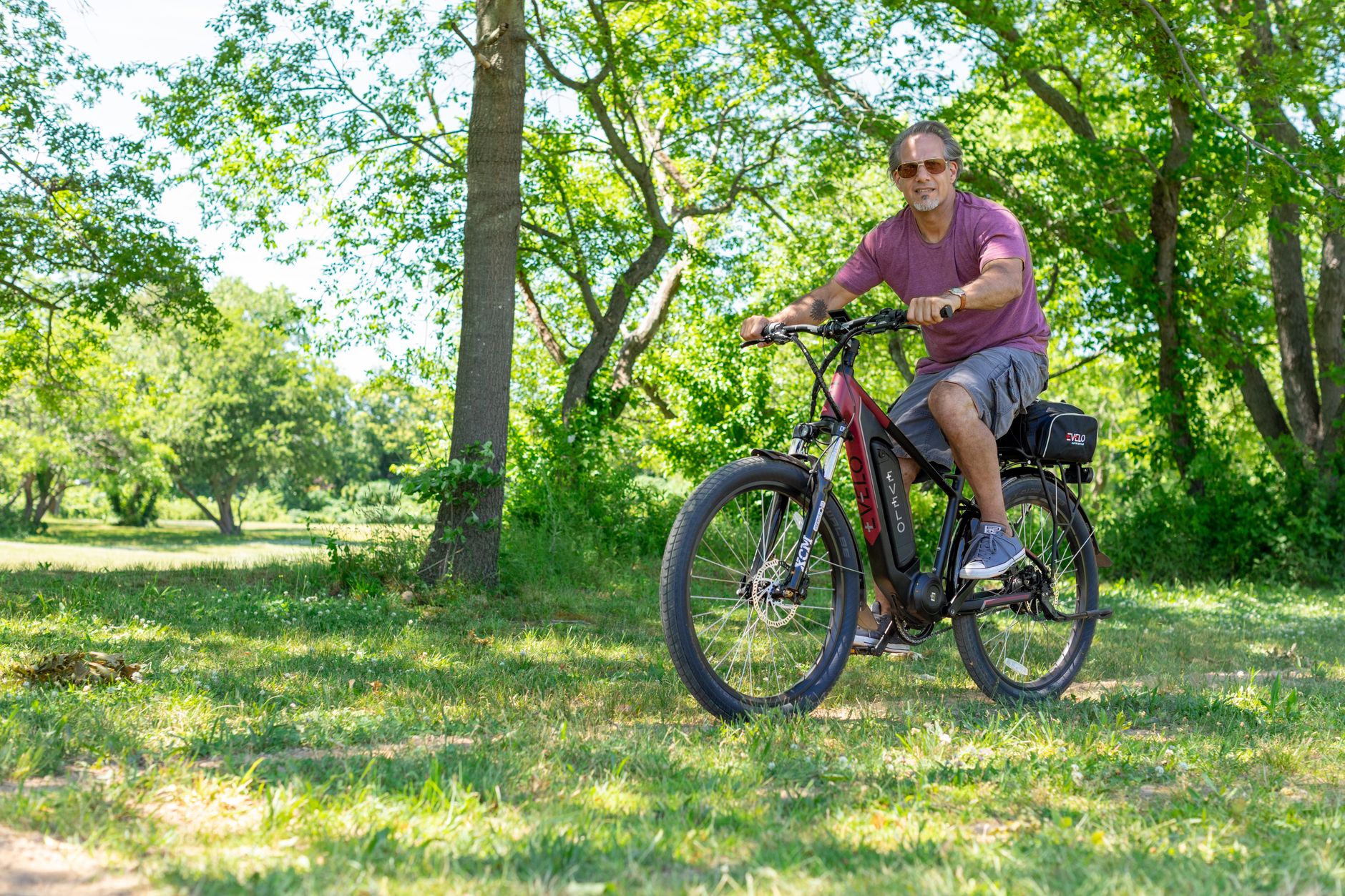
Winter riding doesn’t have to mean parking your e-bike until April — but it does demand that you take battery management seriously. Lithium-ion cells lose capacity when temperatures drop, and if you charge a frozen battery without precautions, you can cause permanent, irreversible damage. The good news: with a handful of low-cost accessories and a few changed habits, most riders can maintain reliable performance well into the coldest months. Here’s what the published specs, manufacturer guidelines, and owner consensus actually tell us.
The Core Problem: What Cold Does to Lithium Batteries
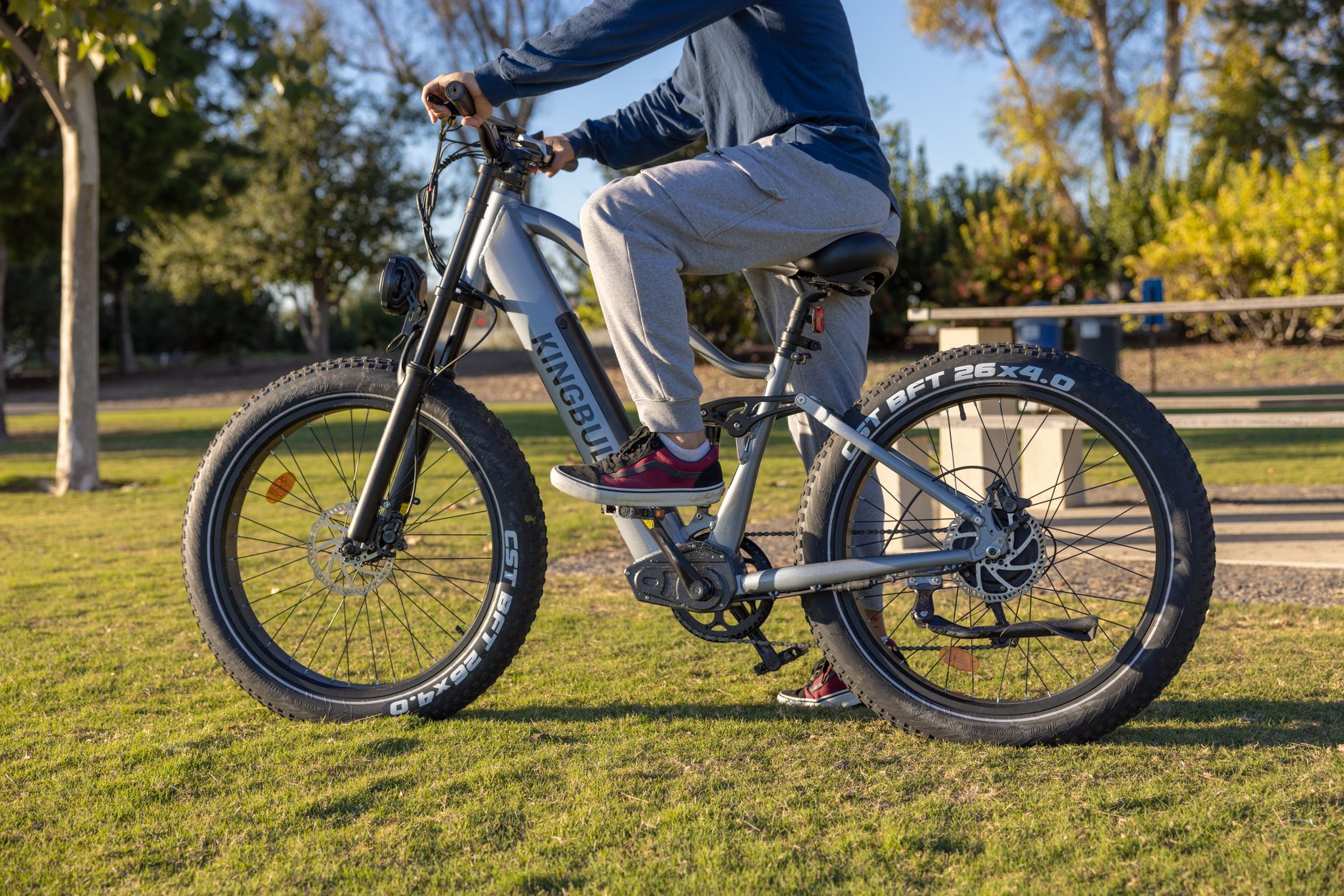
All e-bike batteries — whether standard Li-ion (NMC chemistry) or the newer LiFePO4 (Lithium Iron Phosphate) cells — experience voltage sag and reduced capacity in cold temperatures. The difference between the two chemistries is significant:
- Standard Li-ion (NMC): Voltage drops sharply below roughly 23°F (-5°C), with riders commonly reporting 30–50% range reduction in freezing conditions. Owner forums from late 2025 are full of panicked posts about “dead batteries” that are actually just cold batteries experiencing temporary voltage sag.
- LiFePO4 (Lithium Iron Phosphate): Significantly more cold-tolerant, with reliable operation documented down to approximately -4°F (-20°C) and range retention losses typically under 10% in freezing temps. Owners with LiFePO4-equipped bikes consistently report this chemistry as a genuine upgrade for cold-climate riding. Major brands including Trek, Specialized, and Rad Power have expanded LiFePO4 availability in 2026 models targeting cold-weather markets, citing roughly 40% better range retention in freezing temperatures compared to standard Li-ion.
The single most dangerous cold-weather mistake, however, isn’t riding on a cold battery — it’s charging one that hasn’t warmed up. Charging a lithium cell at or below freezing causes lithium plating on the anode, a form of internal damage that reduces capacity permanently and, in serious cases, creates a fire hazard. For this reason, a properly designed BMS (Battery Management System) should cut off charging below 32°F–40°F (0°C–5°C). If you’re shopping for a best electric bikes this season, confirm the BMS cold-charge cut-off spec before you buy.
2025–2026 Regulatory Changes You Should Know
The regulatory landscape has shifted meaningfully. The UL 2849 safety standard — which governs e-bike electrical systems including BMS behavior — moved into full enforcement in 2025. Under this framework, new 2026 models sold in the U.S. cannot legally ship with a BMS that permits charging below 32°F (0°C). This is a meaningful consumer protection: it eliminates the silent battery-damaging scenarios that affected earlier generations of lower-cost e-bikes.
Several states, including New York and California, have also updated consumer protection requirements to mandate clear cold-charging warnings in user manuals. Premium 2026 models increasingly include Bluetooth-enabled BMS temperature monitoring, which pushes a smartphone notification — typically something like “Battery Too Cold to Charge” — before any damage can occur. Owners who have this feature report it effectively eliminates charging anxiety, which is consistently one of the top winter complaints in rider communities.
Top Accessories for Winterizing Your E-Bike Battery
Your battery itself is proprietary to your bike brand, but the thermal protection accessories around it are an open aftermarket. Based on current U.S. pricing and owner-reported effectiveness, here’s what actually helps:
- Insulated Battery Sleeves ($25–$45): Products like the ThermoWrap E-Bike Battery Sleeve and ColdGuard Battery Insulator are neoprene or foam-lined wraps that slow heat loss during rides and short stops. Owner consensus is clear: these work. Riders report maintaining battery temps near 45°F during paused cold-weather rides, which is enough to preserve normal throttle response. For bikes with integrated (non-removable) batteries, look for custom-fit options like the Particular Wrap (compatible with Rad Power and Segway frames) or generic neoprene wraps in the $15–$30 range.
- Active Thermal Chargers ($60–$120): Chargers like the Mighty Red Winter Charger and EcoCharge Low-Temp Charger include built-in heaters that warm the battery before the charging cycle begins. These are rated for safe use down to 0°F–10°F ambient temperatures. If your garage routinely hits sub-freezing temps and removing the battery indoors isn’t practical, this category is worth the investment.
- Temperature-Controlled Storage Boxes ($150–$350): Products like the BatterBox Indoor Pro and SmartCharge Environment Box function essentially as small climate-controlled enclosures, maintaining batteries at the optimal 50°F–70°F storage range through a Minnesota winter or a cold New England garage. These are the highest-cost solution and most justified for riders doing long-term seasonal storage rather than active winter commuting.
For riders on a budget, a simple insulated sleeve plus the habit of bringing the battery indoors overnight covers the vast majority of cold-weather scenarios. The active charger and storage box categories solve real problems, but they’re not necessary for everyone. See our e-bike accessories guide for additional gear comparisons.
The Genuine Tradeoffs and Common Complaints
No winter solution is without friction. The most honest summary of owner frustrations from late 2025 forums:
- The warm-up wait: Even with a thermal sleeve, a battery stored in a sub-zero garage needs 1–3 hours of indoor warming before it’s safe to charge. For daily commuters, this requires planning ahead — bring the battery in the night before. It’s genuinely inconvenient.
- Non-removable battery bikes: Owners of e-bikes with fully integrated batteries face a real disadvantage in winter. They cannot remove the battery to warm it or store it separately, which means either storing the entire bike in a heated space (not feasible for many apartment or condo dwellers) or investing in a thermal cover and accepting some range penalty. This is a meaningful purchasing consideration if you live in a cold climate — check whether a battery is removable before you buy. Our best electric bikes under $2000 roundup flags this spec for every model reviewed.
- Display and gauge glitches: In extreme cold, many riders report dashboard freezes or momentary “0%” battery readings that disappear once the bike warms up. This is a known cold-weather behavior, not a battery failure — but it’s alarming if you don’t expect it.
- Range expectations: Even with LiFePO4 chemistry and good thermal management, expect some range reduction in sustained sub-freezing conditions. Riding in Eco mode at the start of a cold ride reduces stress on cold cells and extends range more than any other single behavioral change.
Winterization Checklist: The Evidence-Based Essentials
- Never charge a cold battery. Let it reach above 40°F (5°C) — typically 1–3 hours of indoor warming — before plugging in.
- Store the battery indoors at 50°F–70°F whenever possible, especially overnight.
- Store at 30–50% state of charge for any period longer than a few days. Full charge (100%) causes lithium plating in cold; complete discharge (0%) causes cell death.
- Use a thermal sleeve during rides to maintain heat retention and consistent performance.
- Start every cold ride in Eco mode for the first few minutes to reduce draw on cold cells.
- Check your BMS specs — confirm your bike has a low-temperature charging cut-off, ideally with Bluetooth temperature monitoring if available.
Bottom Line Recommendation
For most cold-climate riders, the clearest upgrade path is: an insulated battery sleeve ($25–$45) plus the discipline to bring your battery indoors before charging. These two steps, taken together, address the most common causes of winter battery damage and performance loss without significant expense. Riders who want to future-proof their purchase should prioritize LiFePO4 chemistry and Bluetooth BMS temperature monitoring on their next bike — the real-world owner data consistently shows these features justify their cost in cold climates. Active thermal chargers are the right next investment for riders with non-removable batteries or genuinely unheated storage situations. Temperature-controlled storage boxes make sense only for long-term seasonal storage scenarios.
The single non-negotiable: never plug in a battery that’s been sitting in a frozen garage. That one habit change protects your battery more than any accessory on this list.
Sources
- Outdoorica – E-Bike Winter Storage Tips for Central Minnesota Riders
- Bicyclemotorworks – The Hidden Danger of Charging a Cold Lithium-Ion E-Bike Battery
- Can-Am BRP – How to Winterize an Electric Motorcycle
- JasionBike – Electric Bike Storage and Use During Winter
- Nomad Frontiers – Winterize Your Bike for Winter Cycling
- Komaki – Tips to Winter-Proof Your Electric Bike
Disclosure: This article was produced with AI-assisted research and may contain affiliate links. VoltVentureLab may earn a commission on qualifying purchases at no additional cost to you.