
Properly storing your e-bike battery is essential for maximizing its lifespan and protecting a valuable component. Incorrect storage can lead to reduced capacity, accelerated degradation, and expensive replacements over time. This article provides comprehensive advice, covering daily maintenance, strategies for long-term storage, and specific preparations for winter conditions.
Why Battery Storage Matters More Than Most Riders Realize
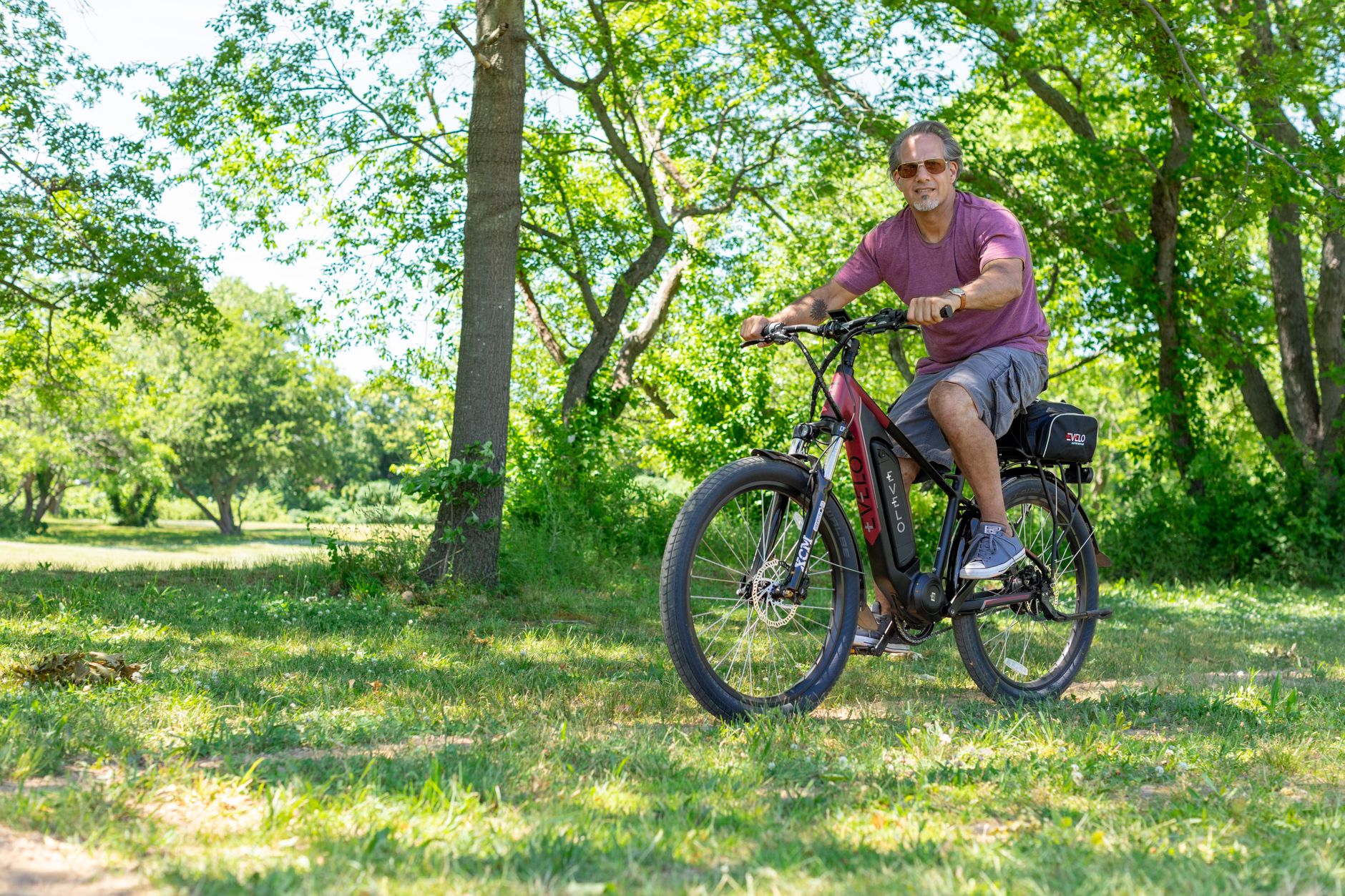
A lithium-ion e-bike battery is typically the single most expensive component on the bike — often representing a third or more of the total purchase price. Yet storage mistakes are among the most common causes of premature capacity loss. The good news: the published guidance from manufacturers and e-bike specialists is consistent, practical, and genuinely easy to follow. This guide consolidates that consensus so you can protect your investment through winter, extended off-season storage, and daily use year-round.
The Core Rule: Temperature Is Everything
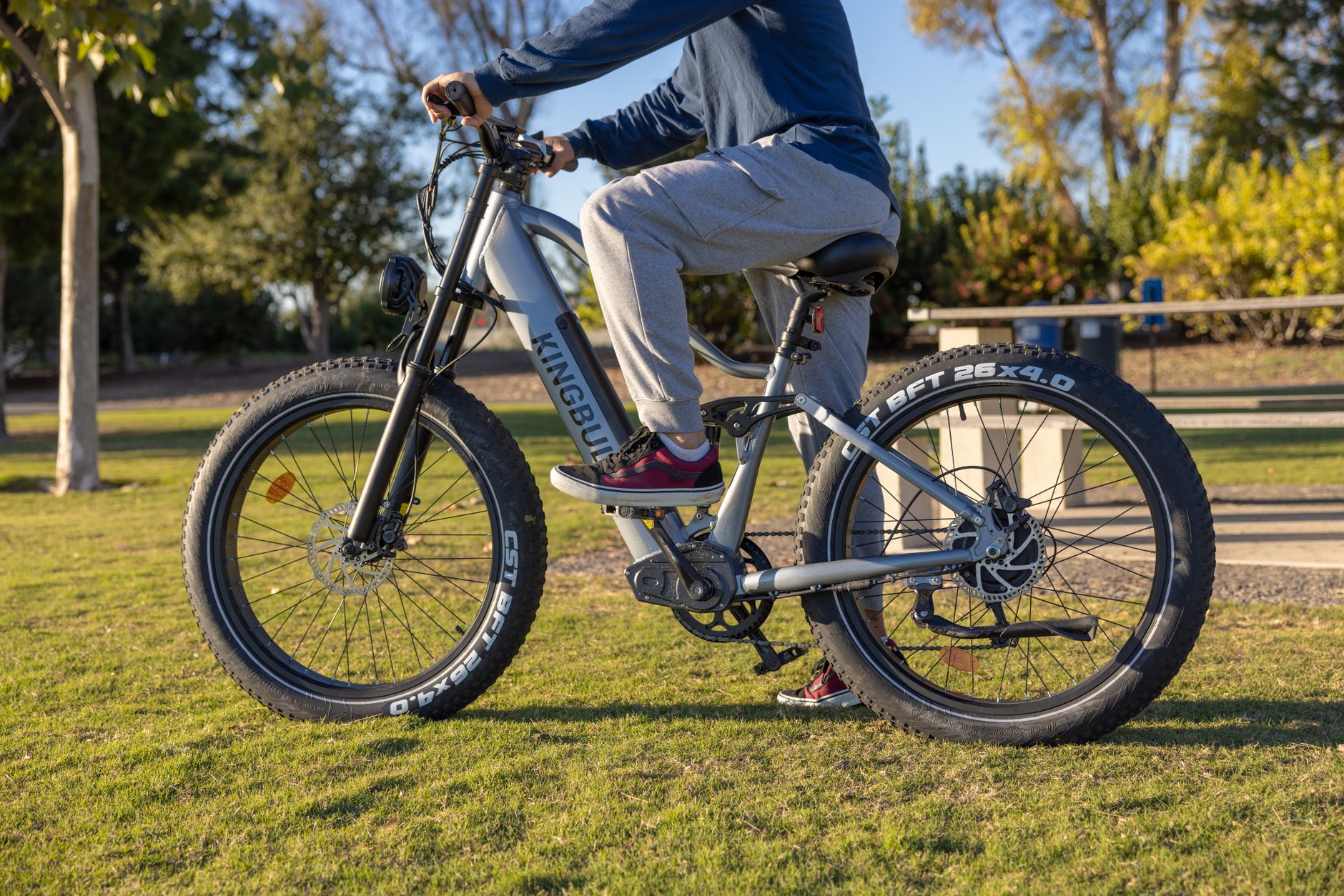
Every credible source reviewed for this guide agrees on one foundational principle — lithium-ion batteries degrade faster when exposed to temperature extremes, particularly cold. Multiple guides identify a storage temperature range of approximately 10°C to 20°C (roughly 50°F to 68°F) as the target zone, with some sources narrowing that to 15°C–20°C for ideal conditions.
What this rules out in practice: unheated sheds, cold garages, outdoor storage areas, and leaving the battery on the bike when it’s parked outside overnight in winter. Even a basement can be borderline if it drops near freezing. The unanimous recommendation is to bring the battery indoors — into a living space, a climate-controlled utility room, or anywhere that stays reliably within that temperature band throughout the season.
Cold doesn’t permanently destroy a battery immediately, but repeated exposure accelerates the degradation of internal cell chemistry over time, reducing the total usable capacity you’ll see across the battery’s lifespan. It also creates a short-term range penalty: a battery that’s cold at the start of a ride will deliver noticeably fewer miles until it warms up from use.
Winter and Long-Term Storage: Step-by-Step
If you’re storing your e-bike for more than a few weeks — over winter, during travel, or simply because your riding season is ending — the following steps reflect the strongest consensus across published sources:
- Remove the battery from the bike. Don’t leave it mounted on a bike sitting in a cold garage or shed. Detach it and store it separately indoors.
- Charge to a partial state before storing. This is where sources vary slightly, but the general band is 40% to 80%. Some guides recommend 50–80%, others 40–60%, and others 60–70%. The consistent message: never store a battery fully charged (100%) or fully depleted (near 0%) for an extended period. A middle-range charge reduces stress on the cells during inactivity. If you have to pick one number, aiming for roughly 50–60% sits safely within every published range found in the research.
- Clean and dry the battery before storing. Wipe down the contacts and casing, removing any moisture, dirt, or grime. Condensation and corrosion at the contact points are a real and underreported cause of connection problems that emerge after winter storage.
- Store in a cool, dry, stable environment. Avoid placing the battery directly on cold concrete floors, which can conduct chill into the casing. A shelf, a padded bag, or a dedicated storage box adds a small but useful buffer.
- Check and top up the charge periodically. Sources recommend checking the battery every 30 to 60 days at minimum, with some guides extending this to every 6–8 weeks or every 3–6 months for truly long-term storage. The goal is to prevent the battery from self-discharging to critically low levels, which causes permanent cell damage. If it drops below roughly 20–30%, top it back up to that 50–60% target range.
This routine requires almost no effort — a monthly check and occasional partial charge is genuinely all the maintenance the battery needs during storage. The tradeoff is that it does require you to remember. Setting a recurring calendar reminder is a simple fix that many riders overlook until they pull the battery out in spring and find it deeply discharged.
Daily-Use Tips for Cold Weather Riding
For riders who continue commuting or riding through winter rather than storing the bike entirely, a different but related set of habits applies. See our guide to best electric bikes for winter commuting for full bike-level cold-weather recommendations; these tips focus specifically on the battery.
- Remove the battery when parking in the cold. If your bike sits outside or in a cold garage during your workday, detach the battery and bring it inside with you. A battery stored at room temperature and then reinstalled before your ride will perform significantly better than one that sat in freezing air for eight hours.
- Never charge a cold battery immediately after riding. If the battery has been exposed to cold temperatures, let it warm to room temperature before plugging it in. Published guidance ranges from 30–60 minutes to a couple of hours depending on how cold the conditions were. Charging a lithium-ion cell while it’s still cold stresses the internal chemistry and, over repeated instances, degrades capacity faster than almost any other daily habit.
- Don’t routinely charge to 100% for daily storage. For commuters who charge at home overnight, multiple sources suggest limiting the daily charge ceiling to around 80–90% rather than a full charge, unless you need maximum range for that specific ride. Most e-bike chargers and BMS systems now offer charge-limiting settings or stop automatically; check your bike’s documentation for this feature.
- Protect contacts from moisture. Winter riding exposes the battery and its contacts to wet roads, salt, and condensation. Periodic inspection and gentle cleaning of the contact points prevents the corrosion that quietly causes connectivity problems over a season.
The Clearest Win — and the Genuine Tradeoff
Among all the storage habits documented in the research, bringing the battery indoors at a partial charge is the single highest-impact action any owner can take. It addresses the two biggest degradation risks simultaneously — temperature stress and charge-state stress — and costs nothing beyond the habit itself. Every source reviewed, without exception, identifies indoor temperature-controlled storage as the simplest and most effective way to preserve battery health, range, and long-term lifespan. For riders with best e-bike batteries that cost several hundred dollars to replace, this is the clearest return on a small behavioral investment.
The genuine tradeoff is inconvenience. Detaching and carrying a battery (which can weigh 4–8 lbs or more depending on the model) every time you park in cold conditions is a real friction point, and it’s the reason many riders skip it. For apartment dwellers or those without easy indoor storage near the door, this habit is harder to sustain. In those cases, even partial mitigation — bringing the battery in on the coldest nights, or at least keeping it out of freezing temperatures as often as possible — is meaningfully better than no action at all.
Evidence-Based Recommendation
For most riders heading into an off-season: charge to approximately 50–60%, detach the battery, store it indoors between 10°C and 20°C, and check it every four to six weeks. That four-step routine, consistently applied, reflects the full consensus of published manufacturer and specialist guidance. It requires no special equipment, no advanced knowledge, and no significant time investment. If you want to go further, explore smart chargers with charge-limiting features and consider a padded storage bag to protect the battery and its contacts during the months it sits unused. Product-specific recommendations with current pricing will be added to this guide once verified retailer data is available — see e-bike accessories and storage gear for our latest roundups.
Sources
- MovinEV: E-Bike Battery Storage Winter Guide
- Goat Power Bikes: Winter E-Bike Storage & Riding Guide
- YouTube: E-Bike Battery Cold Weather Tips
- TTGo E-Bike: How to Maintain Your E-Bike Battery for Longer Range and Lifespan
- Hiboy: E-Bike Battery Winter Guide
- Letrigo: How to Store Your E-Bike Battery for Winter
Disclosure: This article was produced with AI-assisted research and may contain affiliate links. VoltVentureLab may earn a commission on qualifying purchases at no additional cost to you.