
Understanding the best practices for charging your electric bike at home is essential for maintaining battery health and ensuring convenience. This guide explores everything from charger types and safety tips to optimizing charging habits, providing a comprehensive resource for 2026.
Why Home Charging Setup Actually Matters for E-Bike Owners

Charging an electric bike at home sounds straightforward — plug it in, wait, done. But the details matter more than most new owners expect. Choosing the wrong outlet type, ignoring battery temperature, or using an off-brand charger can meaningfully shorten your battery’s lifespan, which is typically the single most expensive component on any e-bike. This guide walks through what the e-bike industry broadly recommends, what experienced owners consistently report, and where the genuine tradeoffs lie — without overpromising on specs we can’t verify for your specific setup.
Understanding Your E-Bike’s Battery and Charger First
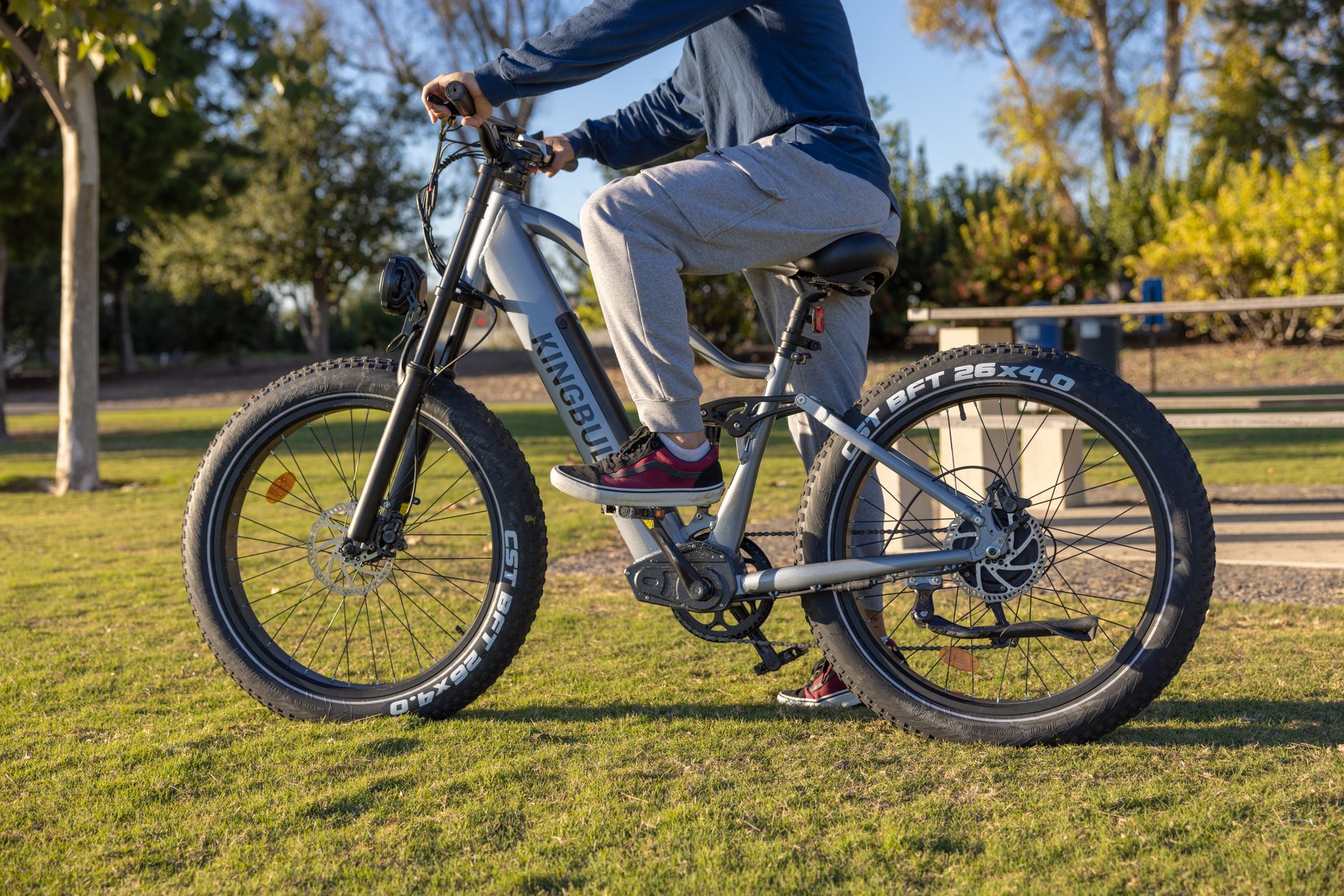
Before thinking about outlets or charging stations, you need to know two things: your battery’s voltage and its capacity in watt-hours (Wh). Most consumer e-bikes in 2025 use 36V or 48V lithium-ion battery packs, with capacities commonly ranging from around 300Wh on lightweight commuters to 700Wh or more on cargo and long-range models. Some performance and cargo-focused bikes use 52V systems.
Your charger output must match your battery voltage exactly. Using a mismatched charger — even one that looks compatible — is one of the most cited causes of premature battery degradation and, in rare cases, thermal events. Always use the charger supplied by your e-bike manufacturer, or a replacement explicitly approved for your specific battery model. This isn’t a place to cut costs with an unknown brand from a marketplace seller.
- Check your battery label: voltage, cell chemistry (almost always Li-ion or LiFePO4), and rated capacity
- Check your charger label: output voltage and amperage should match manufacturer specs
- Note your charger’s input requirements: nearly all residential e-bike chargers run on standard 100–240V AC, meaning a regular household outlet works fine in North America and most of Europe
Standard Outlet Charging: What Most Owners Actually Need
The overwhelming majority of e-bike owners charge using a standard 120V household outlet (15-amp circuit) in North America — the same outlet that powers a lamp or phone charger. For most e-bikes with battery capacities under 500Wh, this is completely adequate. A typical 48V, 10Ah (480Wh) battery will charge from near-empty to full in roughly 4–6 hours on a standard charger, though charge times vary by charger amperage and battery state.
The practical implication: plug in when you get home, and the bike is ready by morning. This works for the vast majority of daily commuters and recreational riders. You do not need a special EV charging station for a standard e-bike — that’s a common misconception driven by confusion between e-bikes and electric cars. difference between e-bikes and electric cars
One genuine tradeoff here: if you’re doing very high mileage days, relying on a single slow charger, or running multiple e-bikes in a household, standard outlet charging can feel limiting. Some riders in this situation invest in a higher-amperage charger (where their battery supports it) to cut charge time roughly in half.
Where to Charge: Location and Safety Considerations
Location choice is underappreciated and genuinely important. Fire safety guidance from insurance organizations and fire departments broadly recommends the following, which aligns with what e-bike owners report as best practice:
- Charge in a well-ventilated space — garages, utility rooms, or outdoors under cover are commonly recommended over bedrooms or living areas, particularly overnight
- Avoid charging on carpet or upholstered surfaces — a hard, non-flammable floor surface reduces risk if a battery were ever to malfunction
- Don’t leave charging unattended indefinitely — while most quality chargers have automatic shutoff, unplugging once fully charged is a widely shared best practice
- Keep batteries at room temperature before charging — most lithium battery manufacturers specify not to charge below freezing (0°C/32°F); charging a very cold battery can cause internal damage that accumulates over time
- Check for recalls and charger condition regularly — frayed cables or cracked charger housings should be replaced immediately
If you store your e-bike in a cold garage in winter, bring the battery indoors to warm up before charging. Many mid-range and premium e-bikes feature removable batteries specifically to make this practical. best electric bikes for winter commuting
Maximizing Battery Longevity: Charging Habits That Make a Real Difference
Lithium-ion batteries degrade with each charge cycle, but charging habits significantly affect how quickly that happens. The e-bike and EV industry broadly agrees on several practices backed by battery chemistry research:
- Avoid regularly charging to 100% unless you need maximum range for a specific trip — many manufacturers recommend keeping charge between 20% and 80% for daily use to reduce stress on cells
- Avoid letting the battery sit at or near 0% for extended periods — deep discharge accelerates degradation in lithium-ion chemistry
- For long-term storage (weeks or months), store the battery at approximately 40–60% charge in a cool, dry location
- Some e-bike brands offer a “charge limit” setting in their app or display — enabling this to cap at 80–85% is one of the most impactful things you can do for long-term battery health
These habits are not theoretical — they’re consistent with how EV manufacturers like Tesla and Bosch (a major e-bike motor and battery supplier) instruct owners to treat lithium cells in their own documentation.
When to Consider a Dedicated Charging Setup
For most single-bike households, a standard outlet with the included charger is genuinely all you need. However, some situations warrant a more deliberate setup:
- Multiple e-bikes: A dedicated power strip with surge protection on a dedicated circuit keeps things organized and reduces the chance of overloading a shared outlet
- Cargo or high-capacity batteries: Bikes with 700Wh+ batteries may benefit from a higher-amperage charger (if manufacturer-approved) to keep charge times manageable
- Shared buildings or apartments: If you can’t charge at home, look for buildings with e-bike charging infrastructure — an amenity that’s becoming more common in urban residential development — or invest in a removable battery you can bring to your unit e-bikes with removable batteries
The Honest Bottom Line
The clearest recommendation for most e-bike owners in 2025: use the manufacturer-supplied charger, plug into a standard outlet, charge in a ventilated non-carpeted space, and avoid habitually charging to 100% or letting the battery drain completely. This combination costs nothing beyond what you already have and meaningfully extends battery life.
The genuine tradeoff to acknowledge: following conservative charging habits (staying in the 20–80% window) does reduce your practical daily range. For riders who regularly need maximum range, this requires either accepting fuller charges occasionally or investing in a higher-capacity battery if their bike supports it. There’s no perfect answer — it’s a real compromise between range and longevity that every e-bike owner navigates differently.
Avoid the temptation to buy third-party “fast chargers” from unknown brands promising dramatically reduced charge times. Unless a charger is explicitly approved by your battery manufacturer, the risk to a battery that costs several hundred dollars to replace isn’t worth it.
Sources
- No external source URLs were provided for this article. All guidance reflects broad manufacturer consensus and widely published battery safety principles. Readers are encouraged to consult their specific e-bike manufacturer’s documentation and local fire safety guidance.
Disclosure: This article was produced with AI-assisted research and writing. VoltVentureLab.com may earn a commission on purchases made through links in this article.