Himiway E-Bike Review: Worth It in 2026? Honest Specs, Prices & Verdict
VoltVentureLab is reader-supported. When you buy through links on this page we may earn a commission. We research using published specs, manufacturer data and owner reports — how we work.
If you've been researching affordable electric bikes with serious off-road capability, Himiway has almost certainly come up. The Chinese-founded brand has built a loyal following by stacking premium-adjacent specs — full suspension, fat tires, high-torque motors, and UL-certified batteries — into a price band that undercuts better-known names like RadPower and Super73. But does the value proposition actually hold up under scrutiny? This Himiway e-bike review synthesizes published specifications, manufacturer data, and aggregated owner feedback to give you an honest, evidence-based answer to the question everyone is asking: is Himiway worth it?
Short answer: for the right rider, yes — with a few important caveats you need to know before clicking "buy." [LINK: best e-bikes under $2000]
Himiway's 2026 Lineup at a Glance: Which Model Is Actually Worth Buying?
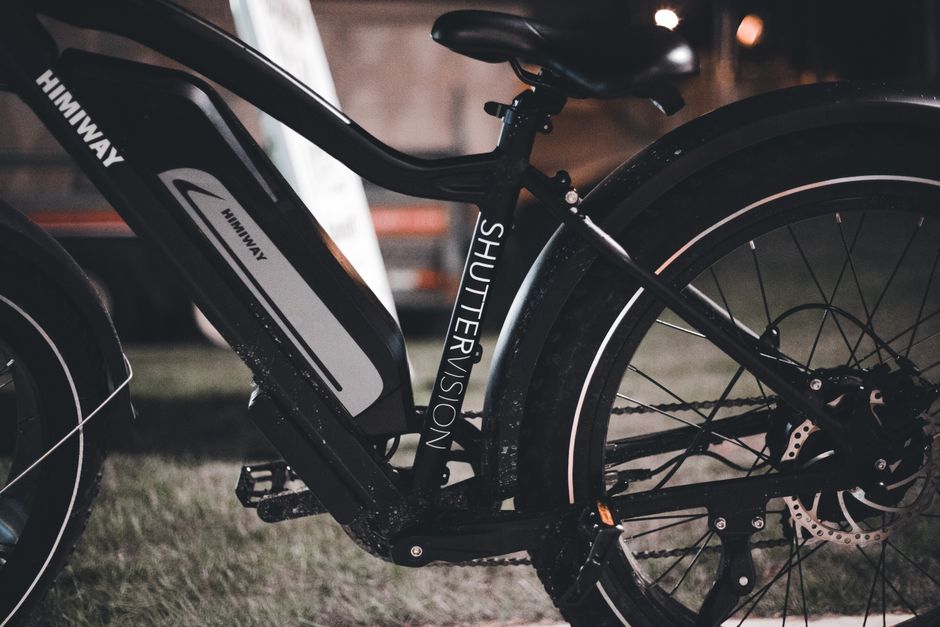
Himiway currently sells six core models in the US, ranging from the entry-level Himiway Cruiser at approximately $1,299–$1,300 up to the flagship D7 Pro (Cobra Pro) at $3,999. Here's how the most relevant options compare:
- Himiway D5 2.0 — $1,799–$1,999: Full-suspension fat-tire bike with a 750W hub motor (1,300W peak), 90Nm torque, and a 440 lb payload capacity. Frequently discounted to $1,799. The brand's strongest all-around value pick for 2026.
- Himiway D5 2.0 ST (Step-Thru) — $1,999: Same full-suspension platform as the D5 2.0 with a lower step-over frame and the new switchable torque/cadence sensor system — ideal for commuters and riders with limited mobility.
- Himiway A7 Pro — $2,399: Full-suspension mid-drive with a Bafang motor and Class 3 capability (28 mph, ships limited to 20 mph). Best choice if efficient hill climbing is the primary use case.
- Himiway Cruiser — $1,299–$1,300: Hardtail (no rear suspension) fat-tire bike. The most affordable entry point, but owner feedback consistently notes jumpy acceleration and comfort limitations without rear suspension.
- Himiway D7 Pro — $3,999: The heavy-duty flagship. A 1,000W Bafang mid-drive produces 160Nm of torque and supports a 400 lb payload — but the price moves it out of the brand's primary value lane.
For most buyers reading a Himiway e-bike review in search of everyday value, the D5 2.0 is the model to benchmark everything else against. [LINK: full-suspension e-bikes compared]
Key Specs That Separate Himiway From the Competition
Himiway's value argument rests on four pillars that are genuinely difficult to match at this price point:
Motor & Torque
The D5 2.0's 750W hub motor peaks at 1,300W and delivers 90Nm of torque — enough to handle steep grades and loose terrain where lighter hub motors struggle. Step up to the A7 Pro or D7 Pro and you get a Bafang mid-drive, which positions the motor at the bike's center of gravity for better weight distribution and climbing efficiency. The D7 Pro's 160Nm mid-drive torque is exceptional for a sub-$4,000 bike.
Battery Safety & Real-World Range
By 2026, Himiway has standardized UL2271-certified batteries (Samsung or LG cells, 48V, 15Ah–20Ah) and UL2272 system certification across its core lineup. This matters: UL certification meaningfully reduces fire risk and is increasingly required by urban housing policies and bike-share operators.
On range, it's important to set realistic expectations. Himiway advertises 70–90 miles per charge, but published reviews and owner consensus place real-world mixed-use range at 40–60 miles. Riders using full throttle consistently report closer to 20–30 miles per charge. The manufacturer figures are technically achievable — at low assist levels on flat terrain — but they shouldn't anchor your planning.
Payload Capacity
This is where Himiway genuinely stands out in its price tier. The D5 2.0 supports up to 440 lbs, and the D7 Pro supports 400 lbs. For riders over 250 lbs, or anyone planning to carry cargo or a passenger, these figures are difficult to find from competitors at comparable price points.
Sensor Technology (New for D5 2.0)
One of the most significant recent upgrades is the switchable torque + cadence sensor system on the D5 2.0 and D5 2.0 ST. Riders can toggle between torque-sensing mode (which responds to pedal pressure for a natural workout feel) and cadence-sensing mode (which delivers consistent motor assist regardless of effort). Review consensus describes this as "super underrated" for commuting versatility — a meaningful improvement over earlier single-sensor Himiway models.
Real Owner Complaints You Shouldn't Ignore
An honest Himiway e-bike review has to address the friction points, and there are several worth flagging:
- Weight: Most Himiway models are heavy. The A7 Pro is approximately 77 lbs; the D5 2.0 exceeds 80 lbs. Loading these onto a car rack or carrying them up stairs is genuinely difficult. If apartment storage or frequent transport is your situation, factor this in.
- Handlebar clutter: The A7 Pro's right handlebar — throttle, shifter, and bell competing for space — is frequently cited as cramped and ergonomically awkward, particularly for smaller hands.
- Seat post fit for shorter riders: Stock seat posts on several models may be too tall for riders under approximately 5'3", potentially requiring an aftermarket swap.
- Cruiser acceleration: Owner feedback on the entry-level Cruiser notes "jumpy acceleration" that can surprise new riders — worth knowing if you're buying for a less experienced cyclist.
- Range reality gap: As noted above, the gap between advertised and real-world range is wide enough to matter for commuting decisions. Plan around 40–50 miles for typical mixed use, not 80.
None of these are dealbreakers for the right buyer — but they're genuine trade-offs, not minor quibbles. [LINK: how to choose the right e-bike class]
Verdict: Is Himiway Worth It — and Which Model Should You Buy?
Based on published specifications, current pricing, and aggregated owner and reviewer feedback, the answer to "is the Himiway e-bike worth it" is a qualified yes — primarily for riders who prioritize payload capacity, full-suspension comfort, and fat-tire versatility at a sub-$2,000 price point.
The Himiway D5 2.0 is the clearest recommendation for 2026: sub-$2,000 pricing (often discounted to $1,799), the new switchable sensor system, 440 lb payload, and full suspension make it one of the most feature-dense e-bikes available at this price. If you specifically need better hill-climbing efficiency — for example, a hilly commute with a heavy load — the A7 Pro at $2,399 justifies the premium with its mid-drive motor architecture.
The Cruiser is harder to recommend unless budget is the absolute constraint. Without rear suspension, it delivers noticeably less comfort than the D5 2.0 for only a modest price saving.
If you're considering the Himiway Cruiser Step-Thru as an entry point into the brand — capable of 60+ miles on a single charge in low-assist conditions and positioned as a genuine car-replacement commuter — it remains a practical option for flat-terrain riders who don't need rear suspension.
Ready to see current pricing and availability? Check the latest deals and full specs on the Himiway Cruiser Step-Thru at VoltVentureLab's curated e-bike guide:
→ View the Himiway Cruiser Step-Thru & Top E-Bike Picks at VoltVentureLab
Sources
- YouTube: Himiway D5 2.0 Review
- YouTube: Himiway E-Bike Overview
- EbikeEscape: Himiway D5 2.0 Review
- Mountain Weekly News: Himiway A7 Pro Review
- Himiway Official Site: E-Bike Collections
- Road.cc: Himiway Electric Fat Bike Review
- HikeBikeTravel: Himiway Electric Bike Review
- YouTube: Himiway Range & Real-World Testing
Disclosure: This article is AI-assisted research compiled from published specifications, manufacturer data, and third-party reviews. It contains affiliate links; VoltVentureLab may earn a commission if you purchase through links on this page, at no additional cost to you.
Products mentioned
Affiliate links — we may earn a commission if you buy, at no extra cost to you. Prices change; check the current price.
Get the honest weekly roundup
One short email a week: real prices, new e-bike and backup-power deals, and what's actually worth buying. No spam.