Heybike E-Bike Review: Worth It in 2026? Models, Real Range & Who Should Buy
VoltVentureLab is reader-supported. When you buy through links on this page we may earn a commission. We research using published specs, manufacturer data and owner reports — how we work.
Heybike has quietly become one of the most searched names in the budget-to-mid-range e-bike market — and for good reason. With models spanning moped-style fat-tire cruisers, full-suspension folders, electric dirt bikes, and long-range commuters, all priced between $999 and $1,999, the brand punches well above its weight class. But does the value hold up under scrutiny? This Heybike e-bike review synthesizes published specs, manufacturer data, and verified owner and reviewer consensus so you can make a confident, evidence-based buying decision for 2026.
Short answer: yes, Heybike is worth it — with some important caveats. Keep reading for the full breakdown.
Heybike's 2026 Lineup: Top Models and What They Cost
Heybike's catalog covers several distinct riding styles, and the pricing reflects genuine market competitiveness. Here's where the strongest models land as of 2026:
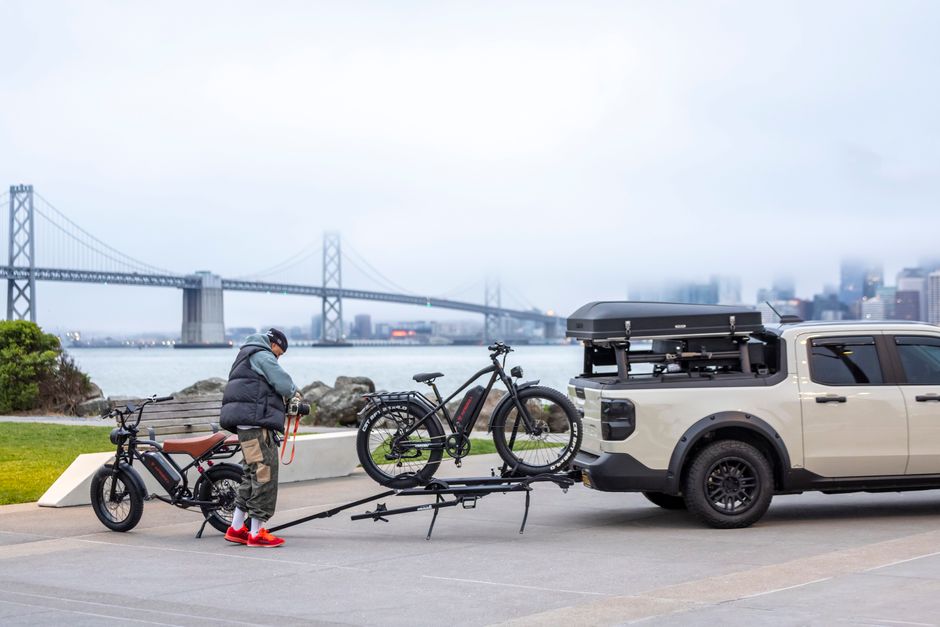
- Heybike Saturn — Moped-style fat-tire e-bike, $999–$1,299. Available in single-battery (18.4Ah, 30–50 mi claimed) and dual-battery (36.8Ah, 55–90 mi claimed) configurations. Peak motor output hits 1,800W with 95 Nm of torque. Speed is capped at 28 mph (Class 3) but can be unlocked to 36 mph via the Heybike app for off-road/private use. Dual-battery owners report real-world ranges of 51.5 miles under hard riding conditions, per RiderGuide testing. Promo code RG100 has been available for additional savings.
- Heybike Mars 3.0 — Full-suspension folding e-bike, ~$1,300. Runs a 750W (1,400W peak) motor with a torque sensor for smoother pedal assist. ElectricBikeReview testing confirmed real-world ranges of 54 miles at low PAS and 35 miles at max PAS. Unlocks to approximately 32 mph. Holds TÜV certification per UL 2849, meeting current US e-bike safety standards. Widely praised for trail and hill performance.
- Heybike Ranger S — Folding fat-tire e-bike, $1,199–$1,999. Equipped with a 1,000W motor, torque sensor, and hydraulic brakes. Real-world range sits at 20–30+ miles depending on terrain and assist level. Holds a strong 4.61 out of 5 from 282 verified reviews, per ElectricBikeReport. Promo code JEFF100 has been flagged by reviewers. Best for riders who prioritize ride feel and build quality in a folding form factor.
- Heybike Villain — Electric dirt/pit bike, ~$1,300. The most aggressive model in the lineup: a 4.2kW (4,200W) peak motor capable of 45+ mph. This is not a road-legal Class 1–3 e-bike — it's aimed squarely at off-road and private property use. RiderGuide's 2026 review confirms it reflects the broader boom in high-performance electric pit bikes.
- Heybike Hybrid — Long-range commuter, ~$1,699. Powered by an 864Wh battery with a manufacturer-claimed range of 100 miles. Owner consensus and reviewer notes caution that real-world range will fall short of that figure under typical mixed-condition riding — a recurring pattern across the industry for high-claimed-range models.
Across all models, Heybike consistently offers 30–50% lower pricing than premium competitors like Trek or Specialized at equivalent motor and battery specs, per aggregated market data from Heybike's own pricing blog and third-party review consensus.
[LINK: best e-bikes under $1500 for every riding style]
Performance That Stands Out — and Where It Falls Short
The consistent theme across independent Heybike reviews is strong power-to-price ratio. The Saturn and Mars 3.0 both produce 95 Nm of torque — a figure that rivals bikes costing twice as much — making them particularly capable on hills and mixed terrain. The torque-sensor systems in the Ranger S and Mars 3.0 draw specific praise for delivering smooth, responsive assist rather than the on/off feel common in cadence-only systems.
Safety credentials have improved meaningfully. The Mars 3.0's TÜV/UL 2849 certification is a genuine differentiator in this price tier, addressing battery and electrical system safety standards that many budget brands still skip. Hydraulic disc brakes appear across multiple models, and turn signals are integrated into moped-style builds like the Saturn — features that matter for urban riders navigating traffic.
That said, honest reviewers flag real limitations. The Saturn's weight is a consistent trade-off — it's a heavy bike, and that affects portability and handling. The Mars 3.0, while powerful, is described by ElectricBikeReview as delivering power that
Products mentioned
Affiliate links — we may earn a commission if you buy, at no extra cost to you. Prices change; check the current price.
Get the honest weekly roundup
One short email a week: real prices, new e-bike and backup-power deals, and what's actually worth buying. No spam.