
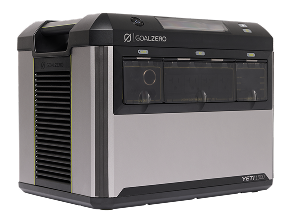
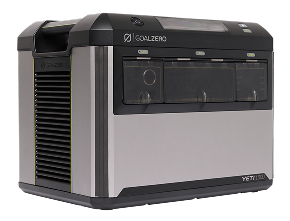
The Goal Zero Yeti 1500X has long been a popular choice for portable power, but as technology advances and new competitors emerge, many wonder if it still holds its value in 2026. This article thoroughly examines its current features, performance metrics, and competitive landscape to provide a data-driven perspective on its continued relevance.
 Top Pick
 Best Value
 Also Great
What the Goal Zero Yeti 1500X Still Does Well
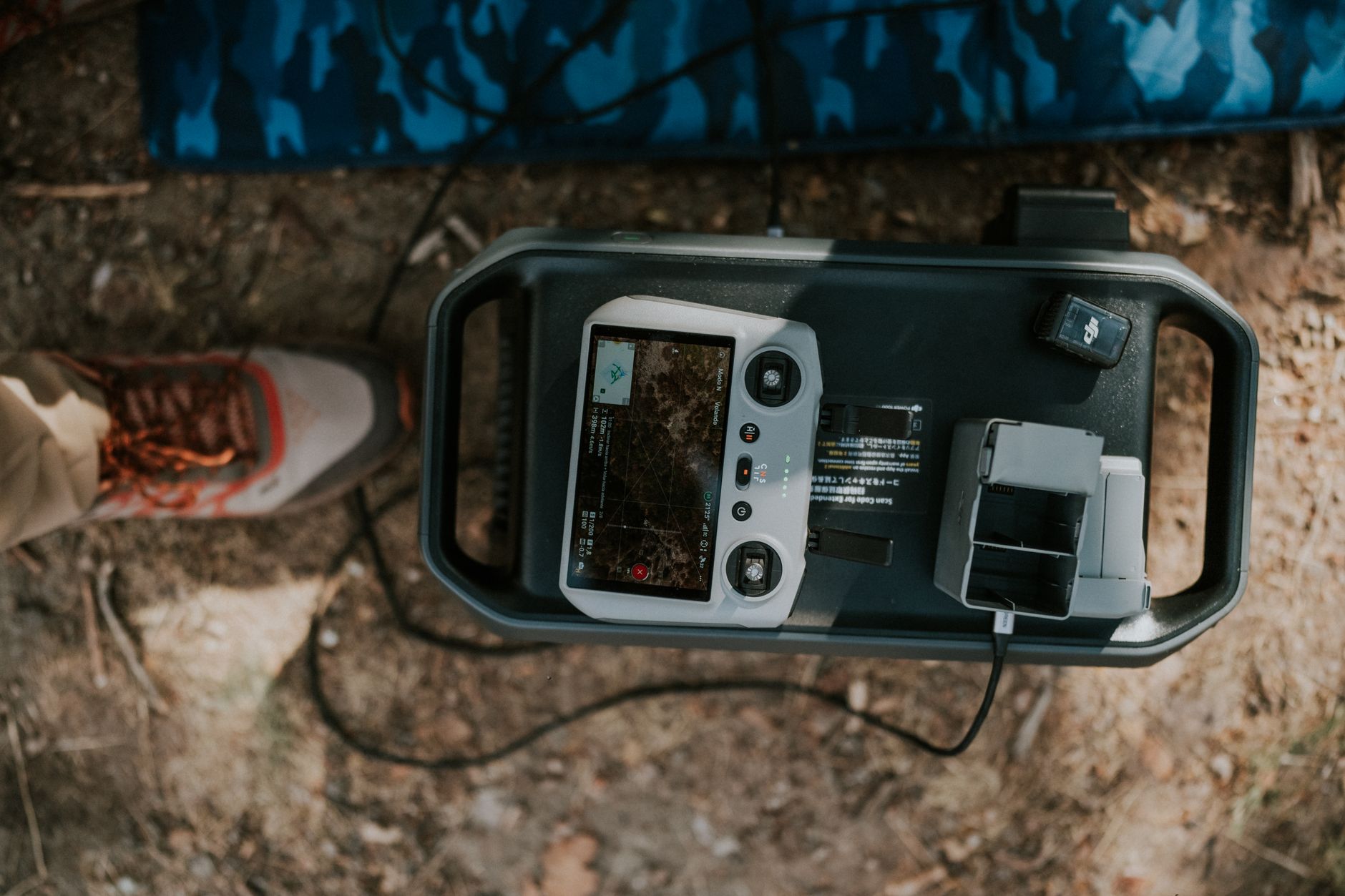
The Goal Zero Yeti 1500X arrived as a flagship mid-size power station and built a strong reputation for reliability and versatility. In 2025, it remains a capable unit — but the portable power station market has moved quickly, and the Yeti 1500X now competes in a field where many rivals have leapfrogged it on key specs. Here is an honest breakdown of where it stands today.
Independent testing by Outdoor Gear Lab confirms the Yeti 1500X carries 1,516 Wh of claimed capacity and delivers a measured 1,300 Wh of usable AC capacity in real-world testing — a reasonable efficiency figure for this class. Output is rated at 2,000 W, which is enough to run most household appliances, power tools, and medical devices comfortably. For campers, van-lifers, or homeowners looking for emergency backup, that output figure is genuinely useful.
Goal Zero’s own promotional materials and user-review posts highlight the Yeti 1500X’s strong port selection, its powerful output, and its track record of durability. Independent lab measurements from Outdoor Gear Lab support the capacity and output claims, which adds credibility to Goal Zero’s marketing on those points. For anyone who already owns one and has kept it in good condition, it still earns its place in a home prep kit or off-grid setup.
best solar generators for home backup
Where the Yeti 1500X Falls Behind in 2025

The honest answer to “is it still worth it?” depends heavily on what you are comparing it against — and the comparison is no longer flattering.
The most significant technical weakness is battery chemistry. The Yeti 1500X uses NMC (nickel manganese cobalt) chemistry, which was the industry standard when it launched. GearJunkie notes that newer Goal Zero models, along with most competing power stations in this class, have shifted to LiFePO4 (lithium iron phosphate) chemistry. LiFePO4 batteries offer better thermal stability, longer cycle life, and greater long-term durability. This is not a minor upgrade — it is a meaningful generational shift in the underlying technology.
The recharge speed problem is equally hard to ignore. Outdoor Gear Lab’s testing table shows the Yeti 1500X taking approximately 13.4 hours to fully recharge under standard conditions. That figure stands out badly when newer competitors routinely charge in two to four hours, and when Goal Zero’s own newer generation claims up to 10x faster recharge than the previous generation, according to CNET’s coverage of the new lineup. GearJunkie also points out that some older Goal Zero models required an add-on cable upgrade just to unlock faster charging — a frustration that Goal Zero’s newer units have addressed with integrated charging cables.
CNET reported that Goal Zero’s newer portable power station is rated for 4,000 charge cycles, which the company equates to roughly a decade of daily use. The Yeti 1500X, with its NMC chemistry, does not carry that same cycle-life claim. If you plan to use a power station heavily over many years, that gap matters for long-term value.
How It Compares to Key Rivals Right Now
To give you an honest picture, here is how the Yeti 1500X stacks up against current alternatives cited in independent testing and buying guides:
- Goal Zero Yeti 700 ($350): GearJunkie highlights this as an affordable Goal Zero option with faster charging than the 1500X. It carries less capacity, but for lighter use cases and buyers on a budget, it represents a more modern build at a much lower price point.
- Goal Zero Yeti Pro 4000 ($3,999): GearJunkie lists this as Goal Zero’s newer flagship-style unit, featuring LiFePO4 chemistry. It is a significant price jump, but it represents where Goal Zero is investing its engineering now.
- EcoFlow Delta Pro 3: Outdoor Gear Lab lists this unit at 4,096 Wh claimed capacity and 3,790 Wh measured AC capacity — substantially more usable power than the Yeti 1500X. For buyers who need serious backup power or extended off-grid capability, this is a direct competitor worth evaluating. Current pricing was not confirmed in our research sources, so check current listings before comparing value.
- Jackery Explorer 2000 V2: Outdoor Gear Lab clocks this at 2,042 Wh claimed and 1,710 Wh measured AC capacity — more usable capacity than the Yeti 1500X. Again, current pricing should be verified at time of purchase.
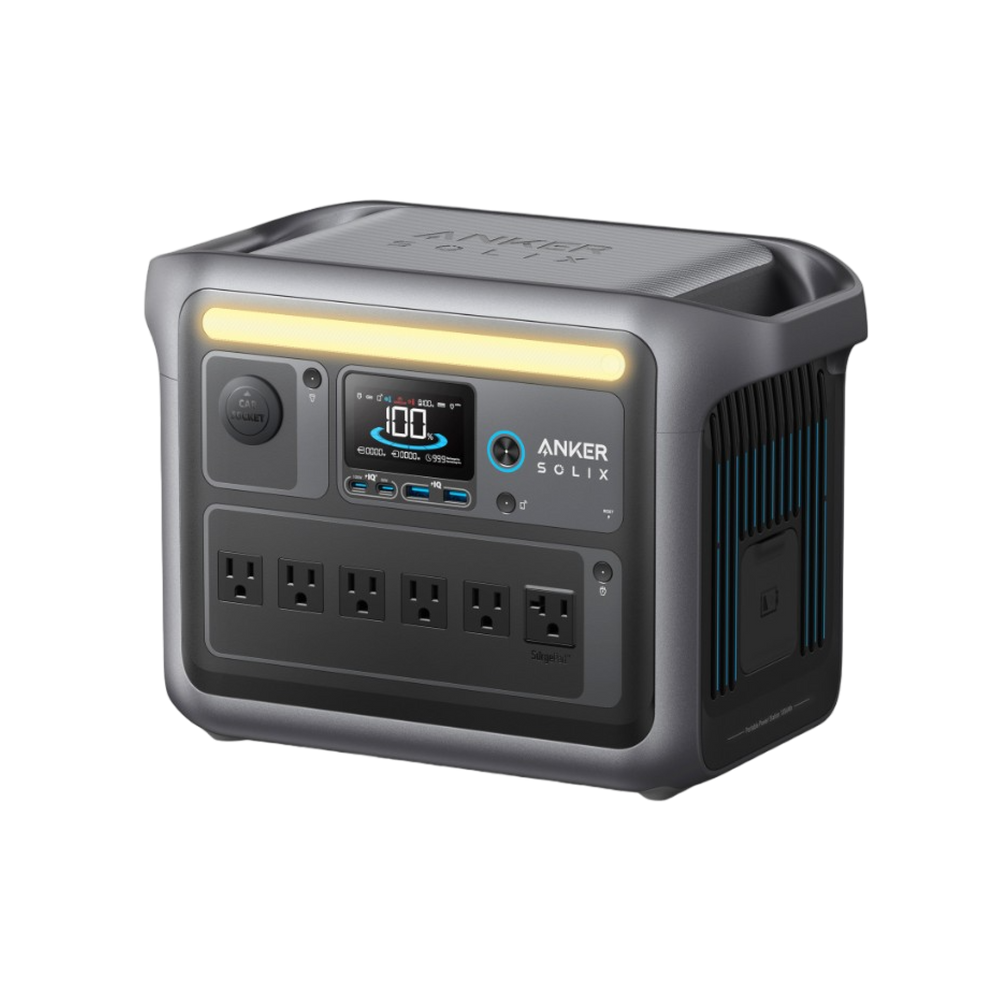
- Anker Solix C1000: Outdoor Gear Lab highlights this unit for strong weight-to-output value at 1,056 Wh claimed capacity. It carries less total energy than the Yeti 1500X, but Outdoor Gear Lab’s data shows it performing well on recharge efficiency, making it a competitive option for buyers who prioritize portability.
best portable power stations under $1000
The Genuine Tradeoff: Brand Trust vs. Dated Tech
Goal Zero has a well-established reputation for build quality, customer support, and a robust ecosystem of compatible solar panels and accessories. If you are already invested in the Goal Zero solar ecosystem, the Yeti 1500X integrates cleanly. For buyers who value that ecosystem continuity and can find the unit at a meaningful discount — say, on sale or refurbished — the Yeti 1500X remains a defensible purchase for emergency home backup or occasional off-grid use.
But the tradeoff is real and worth naming clearly: you are buying older battery chemistry, slower recharge, and a shorter projected cycle life compared to what newer units in this price class now offer. If you are buying at or near full retail price, the value proposition is difficult to justify against current alternatives.
Who Should (and Should Not) Buy the Yeti 1500X in 2025
Consider the Yeti 1500X if:
- You find it at a significant discount — clearance, open-box, or used — that reflects its older technology.
- You are already in the Goal Zero ecosystem and want seamless solar panel compatibility.
- Your primary use case is occasional emergency backup, where slow recharge time is less of a day-to-day concern.
Look elsewhere if:
- You plan to use the unit daily or rely on it for frequent recharging — the 13.4-hour recharge time is a serious operational limitation.
- Long-term cycle life matters to you — LiFePO4 units from competitors and newer Goal Zero models now offer more durable chemistry.
- You are comparing at full retail price — newer units at similar price points deliver more modern feature sets.
best EV charging accessories for home
Our Honest Verdict
The Goal Zero Yeti 1500X is not a bad power station — independent testing confirms its capacity and output figures hold up. But in 2025, it is a product that time has caught up with. The shift to LiFePO4 chemistry across the industry, combined with dramatically faster charging in newer models, makes the Yeti 1500X feel like a previous-generation device. If you can find it at a strong discount, it earns a conditional recommendation for light-to-moderate backup use. At full retail, the stronger choice is a newer LiFePO4 unit — whether from Goal Zero’s own updated lineup or from well-tested competitors like EcoFlow or Jackery — where your money buys better chemistry, faster recharge, and a longer projected service life. The Yeti 1500X had a strong run; it just no longer leads the field it helped define.
Sources
- Goal Zero — Does the New Yeti 1500 Live Up to the Hype?
- GearJunkie — Best Portable Power Stations
- Goal Zero — New Yeti 1500 Real User Reviews
- Outdoor Gear Lab — Best Power Station
- CNET — Goal Zero’s New Portable Power Station
Disclosure: This article was produced with AI-assisted research and may contain affiliate links. VoltVentureLab may earn a commission on qualifying purchases at no additional cost to you.