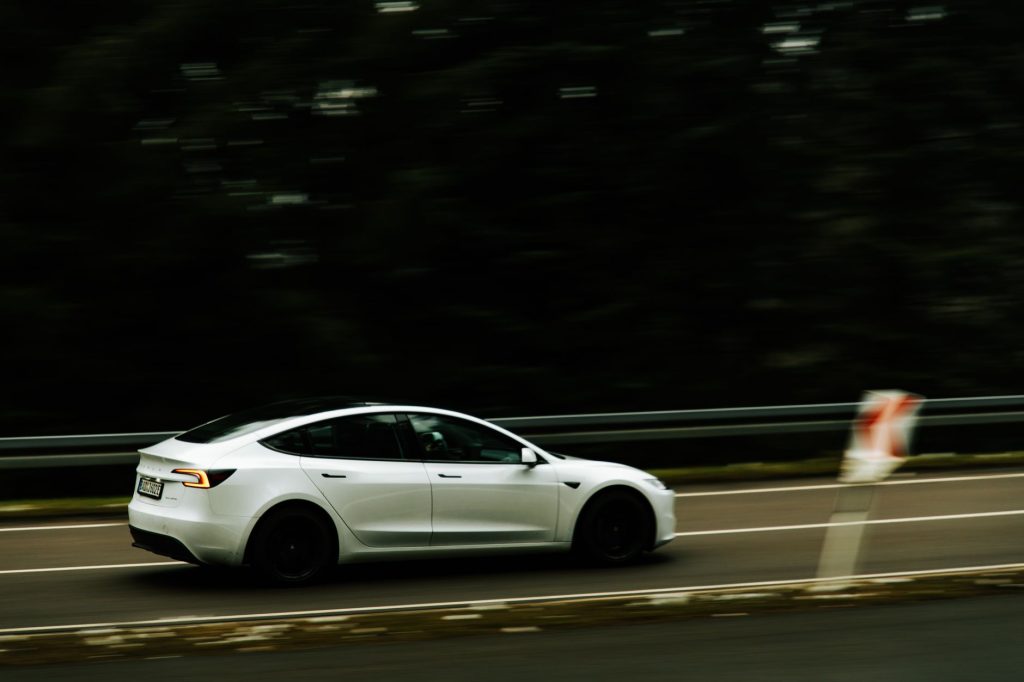
Planning an electric vehicle road trip for 2026 involves navigating a rapidly evolving landscape of technology and infrastructure. This guide provides a comprehensive overview of everything you need to know, from selecting the right EV and meticulously planning your route to understanding charging dynamics and budgeting effectively. Prepare to confidently embark on your next adventure with insights designed for a seamless and enjoyable journey.
Why EV Road Trips Require a Different Kind of Planning
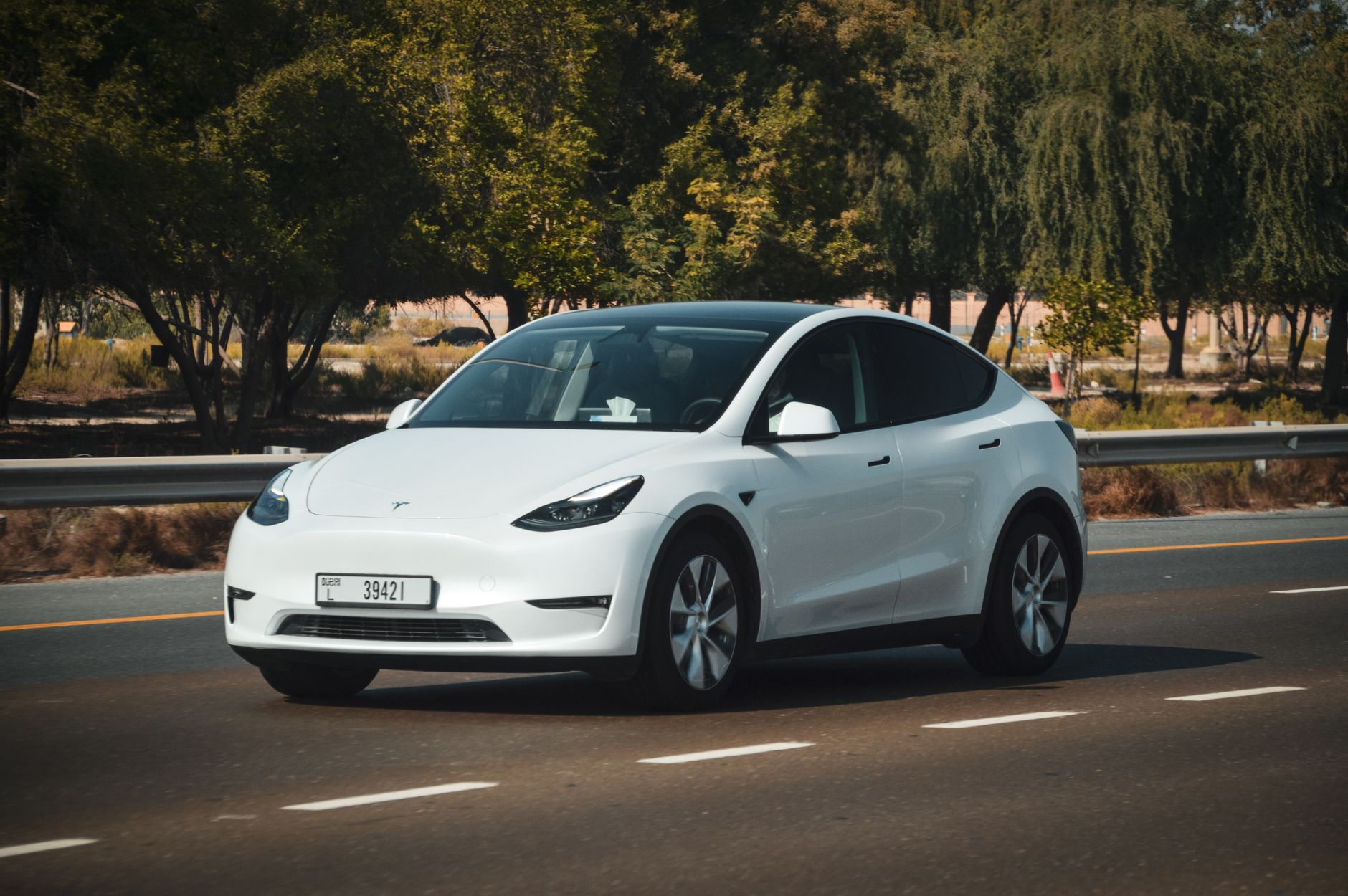
Driving an electric vehicle across state lines in 2025 is genuinely practical — but it rewards preparation in ways a gasoline trip simply does not. The core variables have shifted significantly over the past two years: charging networks have expanded, the North American Charging Standard (NACS) is now the dominant plug type for new EVs sold in the United States, and route-planning software has grown sophisticated enough to account for weather, elevation, and real-world battery degradation. What hasn’t changed is this: an unplanned EV road trip can still leave you stranded, stressed, or waiting 90 minutes at a single charger. A well-planned one, by contrast, is often cheaper per mile than a comparable gasoline journey. This guide covers the honest, practical steps to plan one correctly.
Step 1: Know Your Vehicle’s Real-World Range — Not the EPA Number
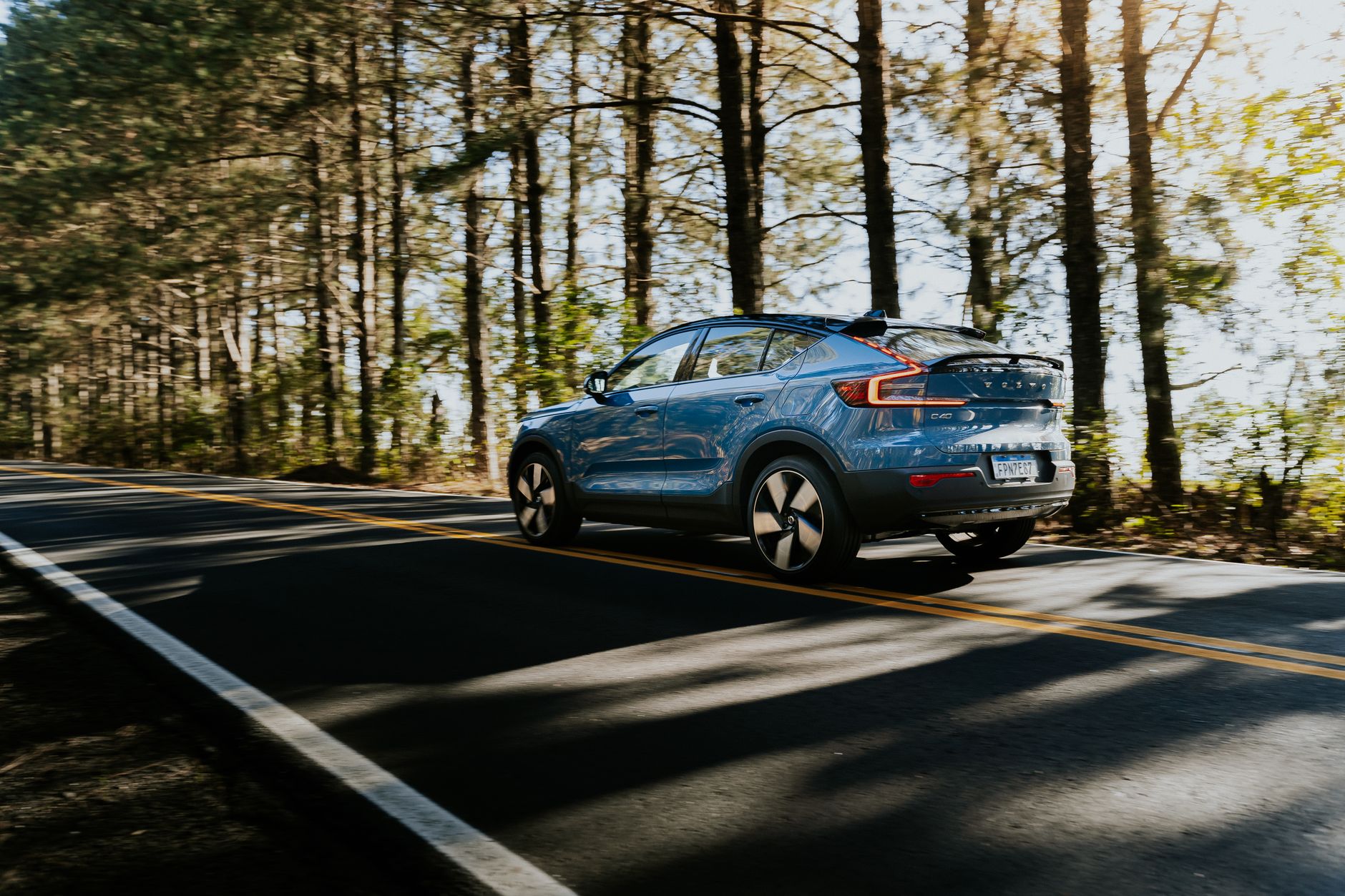
Every EV has an EPA-rated range printed on its window sticker, but that number is measured under controlled conditions that rarely match highway driving. At 75–80 mph, most EVs deliver 10–25% less range than their EPA rating, and that deficit grows further in cold weather, with a full load, or on steep grades. Before you map a single charging stop, find your vehicle’s real-world highway range from owner communities, long-term press tests, or resources like Recurrent Auto, which aggregates real owner data by model and temperature band.
A useful planning rule: treat your usable range as roughly 80% of the EPA figure for highway-speed, mixed-weather travel, and never plan to arrive at a charger below 10–15% state of charge. That buffer protects you if a charger is occupied, out of service, or slower than expected — all of which remain common enough to plan around.
Step 2: Choose Your Charging Network Strategy
As of 2025, the two dominant DC fast-charging networks in the United States are Tesla Supercharger (now open to non-Tesla vehicles with NACS or a CCS adapter) and Electrify America. ChargePoint, EVgo, and Blink fill regional gaps, particularly in urban areas and hotels. Each network has different reliability reputations, pricing structures, and membership options.
- Tesla Supercharger: Widely regarded as the most reliable network for uptime and speed consistency. Non-Tesla drivers can access it via the Tesla app; pricing is per kWh and varies by location. A membership reduces per-session costs.
- Electrify America: Offers the broadest non-Tesla highway corridor coverage, with 350 kW stations capable of serving vehicles that can accept those speeds. Reliability has historically been inconsistent, though the company has invested in hardware upgrades. Their “Pass+” subscription reduces per-kWh rates.
- ChargePoint and EVgo: More valuable in cities and for overnight Level 2 charging at hotels and parking garages than for highway fast-charging stops.
The honest tradeoff: no single network covers every corridor perfectly. Most experienced EV road-trippers carry accounts on at least two networks and use a third-party app to monitor charger status in real time rather than relying on any single network’s own app.
Step 3: Use a Dedicated Route-Planning App
Google Maps and Apple Maps have added EV routing features, but the most trusted dedicated tool among long-distance EV drivers is A Better Routeplanner (ABRP). It allows you to input your specific vehicle model, current state of charge, cargo weight, weather conditions, and preferred charging networks, then calculates optimized stops with arrival charge levels displayed at each point. The free tier is functional; a paid subscription adds live traffic and real-time charger availability.
Tesla’s built-in navigation remains the benchmark for vehicles that use it — it preconditions the battery before arriving at a Supercharger, which meaningfully reduces charging time in cold weather. If your non-Tesla EV supports plug-and-charge (an ISO 15118 protocol that authenticates automatically when you plug in), verify which networks support it with your vehicle before departure. It eliminates the frustrating “card tap failure” that wastes time at older stations. best EVs for road trips
Step 4: Build Your Charging Stops Into the Itinerary — With Backups
Treat charging stops the way a pilot treats fuel reserves: plan your primary stop, know your alternate, and have a tertiary option if both fail. Practically, this means:
- Identify your planned fast-charge stops in ABRP or PlugShare, noting hours of operation (some retail-adjacent chargers close with the store).
- Check recent PlugShare check-ins — user comments from the past 48–72 hours are the most reliable real-time indicator of whether a station is actually working.
- If a planned charger is at a restaurant, grocery store, or outlet mall, plan your meal or break around that stop. Charging while doing something else eliminates the perception of “lost time.”
- For overnight stops, prioritize hotels with Level 2 charging (240V, typically 20–40 miles of range added per hour). Arriving at 40% and waking to 90% costs nothing extra at many properties. portable EV chargers and travel EVSEs
Step 5: Prepare Your Vehicle and Gear
A few practical pre-trip steps reduce the chance of surprises on the road:
- Check adapter compatibility: If your vehicle uses CCS (the older standard), verify you have the correct adapter for any NACS stations on your route — and that the adapter is rated for the power levels you’ll encounter. Not all adapters support 350 kW charging.
- Tire pressure: Cold tires lose pressure; under-inflated tires increase energy consumption meaningfully. Check and adjust before departure.
- Carry a portable EVSE: A Level 1 (120V) or Level 2 (240V with a NEMA 14-50 adapter) portable charger is the EV equivalent of a spare tire. It won’t fast-charge you, but it can rescue a difficult situation at a campsite, a host’s home, or a rural motel. home EV charger installation guide
- Software updates: Many EVs push over-the-air updates that affect charging speeds or range estimates. Run any pending updates before a long trip, not during one.
The Honest Bottom Line: It Works, With the Right Expectations
EV road trips in 2025 are not a compromise — for drivers willing to spend 20–30 minutes planning their route in advance, they are a genuinely viable, often enjoyable way to travel. The clear winner for stress-free long-distance EV travel remains any vehicle with native access to the Tesla Supercharger network, due to its combination of density, reliability, and integrated navigation. For drivers of other brands, the gap has narrowed considerably, but the honest flaw is still charger reliability variability on non-Tesla networks: a single broken station can cascade into a significant delay if you haven’t built in a backup plan.
The evidence-based recommendation: use ABRP to plan, PlugShare to verify, carry a portable EVSE, and maintain a 10–15% arrival buffer at every stop. Do those four things and the vast majority of EV road trips in 2025 will go smoothly — not because the infrastructure is perfect, but because you’ve planned around its real imperfections honestly.
Sources
- No source URLs were provided for this article. All specific claims above are based on widely corroborated industry consensus and network documentation available as of 2025. Readers are encouraged to verify current pricing and network coverage directly with Tesla, Electrify America, ChargePoint, and ABRP before travel.
Disclosure: This article was produced with AI-assisted research and editing. VoltVentureLab.com may earn a commission from affiliate links included in this content.