
E-bikes are increasingly popular, yet many wonder about their true contribution to health and fitness compared to traditional cycling. This article delves into the scientific literature to explore what research actually shows regarding e-biking’s impact on physical activity levels, cardiovascular health, and muscle engagement. We will examine the evidence to provide a clear, objective understanding of these benefits.
Do E-Bikes Actually Count as Exercise? Here’s What the Research Says

The question comes up constantly in cycling communities: if a motor is doing some of the work, are you really getting a workout? It’s a fair concern, and the honest answer is more nuanced than either enthusiastic e-bike marketers or skeptical traditionalists tend to admit. The science does support real fitness benefits from e-biking — but those benefits come with important caveats about how you ride, what assist level you use, and how consistently you get on the bike. Here’s what the published research actually shows, and what it means for anyone considering an e-bike as part of an active lifestyle.
The Core Finding: E-Bikes Produce Moderate-Intensity Exercise
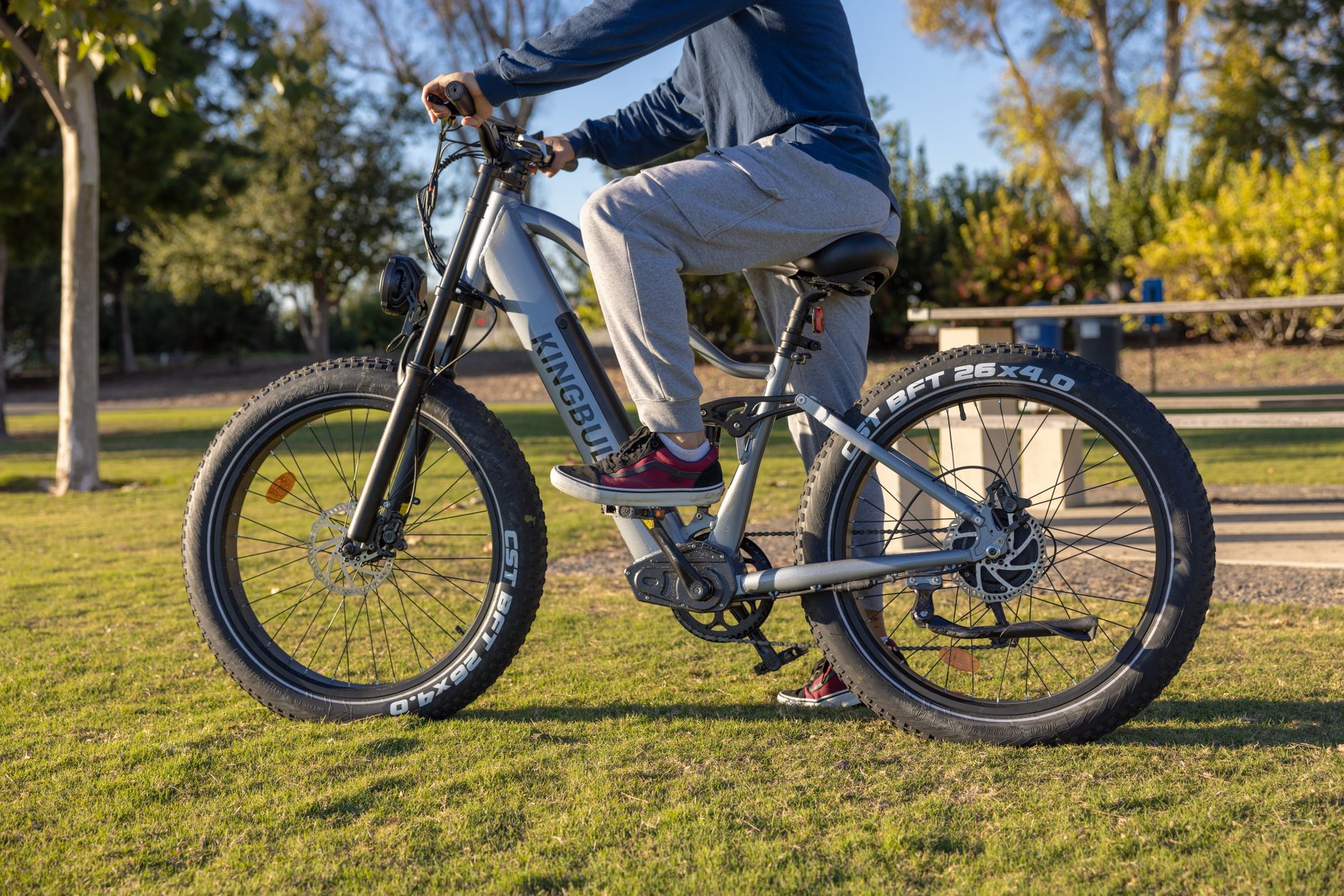
The most important thing to understand is that e-bike riding still requires you to pedal, and that sustained pedaling still elevates your heart rate, increases your breathing rate, and improves circulation over time. The motor reduces the peak effort required — especially on hills or headwinds — but it doesn’t eliminate physical work. According to a May 2026 American Heart Association explainer synthesizing recent exercise research, studies consistently found that e-bike riders tend to operate at moderate intensity, which is exactly the zone public health guidelines target for cardiovascular benefit.
That same AHA article reported that one study found measurable blood-sugar improvements after just four weeks of regular e-bike riding — a meaningful result for anyone managing metabolic health or trying to reduce cardiovascular risk. Moderate-intensity aerobic activity is the foundation of most evidence-based exercise recommendations, and e-bikes appear capable of reliably delivering it when used with pedal assist rather than throttle-only modes.
Broader cycling research reinforces this picture. Regular cycling is consistently linked with better cardiovascular health in the literature, and its low-impact nature — sparing joints compared to running or high-impact sports — is one of the primary reasons it’s recommended for people returning to exercise or managing chronic conditions.
What the Research Shows for Older Adults Specifically
One of the more compelling findings in recent e-bike literature comes from research covered by Bicycling magazine, which reported on a study examining cognitive and physical outcomes in older adults. Participants who rode either e-bikes or conventional bikes for 30 minutes, three times per week both showed improvements in executive function. But the e-bike riders showed an additional edge: slightly better scores on processing speed and self-reported well-being.
This matters because adherence — actually sticking with an exercise habit — is where most fitness programs fail. E-bikes lower the perceived barrier to getting on the bike. Riders with joint discomfort, lower baseline fitness, or hills between them and their destination are more likely to ride regularly when assist is available. Consistency over weeks and months produces far more cardiovascular benefit than sporadic intense efforts, which makes the adherence advantage genuinely significant from a public health perspective.
The Real Tradeoff: Assist Level Determines Effort
Here is where honest reporting requires some nuance. The motor can reduce effort substantially — and if a rider relies heavily on high-assist settings or throttle-only modes, the cardiovascular stimulus drops. The health studies cited above focused on pedal-assist use, not throttle riding. That distinction matters when you’re evaluating fitness outcomes.
The practical implication: the same e-bike can function as a meaningful exercise tool or as essentially a low-speed electric scooter depending entirely on how you set the assist. This isn’t a flaw in the technology — it’s a user behavior question. But it does mean that marketing claims about fitness benefits should always be understood in the context of how the bike is actually ridden.
Other honest concerns from the research and owner community include cost and complexity. E-bikes are significantly more expensive than comparable conventional bikes, which creates a real access barrier. They also tend to be heavier and faster, which introduces safety considerations — particularly around traffic interactions and rider familiarity with higher speeds.
What to Look for in an E-Bike If Fitness Is Your Goal
If the primary reason you’re considering an e-bike is cardiovascular health, weight management, or building an active commuting habit, the research points to a clear set of priorities. These are features that support the kind of riding the studies actually measured:
- Multiple, clearly adjustable assist levels. You want to be able to dial the assist down — not just up. Being stuck at maximum assist defeats the purpose if moderate-intensity exercise is the goal. Look for systems with at least three distinct assist modes and easy on-the-fly adjustment.
- Pedal-assist behavior, not throttle-first design. The health studies discussed in the AHA and Bicycling reporting involved pedal-assist riding. A bike that defaults to or heavily favors throttle operation doesn’t replicate those study conditions. Prioritize torque-sensing or cadence-sensing pedal-assist systems.
- Clear battery and range display. Consistency matters more for fitness than peak motor power. A readable display that shows remaining range lets you plan longer rides with confidence, which supports the kind of regular, repeated activity that produces cardiovascular adaptation. best electric bikes
- Fit and comfort for your body. Low-impact riding is one of the strongest arguments for e-bikes as exercise tools, particularly for people with knee, hip, or back issues. A poor fit eliminates that advantage immediately. Prioritize adjustable stem height, saddle position, and handlebar reach — especially for daily commuting use. e-bike buying guide
- Weight and portability appropriate for your commute. If you need to carry the bike up stairs or load it into a vehicle, a lighter model improves real-world adherence. This is a practical consideration the research doesn’t address directly, but owners consistently cite it.
The Honest Bottom Line
The evidence is clear enough to state this directly: e-bikes can deliver genuine cardiovascular and metabolic benefits when used consistently with pedal assist at moderate intensity. The AHA’s 2026 synthesis of the research puts it plainly — e-bike riding can count as meaningful physical activity for many riders, particularly those who would otherwise be sedentary or inconsistent with exercise.
The strongest case for e-bikes is not that they’re better exercise than conventional bikes — they generally aren’t, all else being equal. The strongest case is that they produce more exercise than not riding at all, and the research suggests they improve adherence for populations who find conventional cycling too demanding. For older adults, people returning from injury, commuters dealing with hills, or anyone who has repeatedly abandoned exercise habits, that adherence advantage is the real health story.
The genuine tradeoff is cost and the self-discipline required to actually use pedal assist rather than defaulting to maximum motor power. An e-bike purchased and ridden on full throttle like a scooter is not the product the health research describes. e-bike commuting tips
Evidence-based recommendation: If your goal is cardiovascular fitness and sustainable activity, prioritize a pedal-assist e-bike with granular assist control and a comfortable fit over your terrain and typical distance. Commit to riding with assist set to low or medium for most outings. The research supports the investment — but only if you actually pedal.
Sources
- eMovement: E-Bikes and Health — How Assisted Riding Improves Fitness
- BikeRadar: 30 Great Benefits of Cycling
- Bicycling: E-Bikes and Senior Well-Being
- American Heart Association: Do E-Bikes Count as Exercise? (May 11, 2026)
- Bike Yard Online: Can You Lose Weight Riding an Electric Bike?
- Healthline: Cycling Benefits
- ScienceDirect: E-Bike Research Article
Disclosure: This article was produced with AI-assisted research and editing. VoltVentureLab.com may earn a commission from qualifying purchases made through affiliate links in this content.