
The market for electric personal transport continues to evolve, presenting commuters and leisure riders with more choices than ever. When considering an e-bike versus an electric scooter, understanding their distinct characteristics is crucial for making an informed decision. This guide breaks down key factors like portability, range, speed, and safety to help you determine which option best suits your needs.
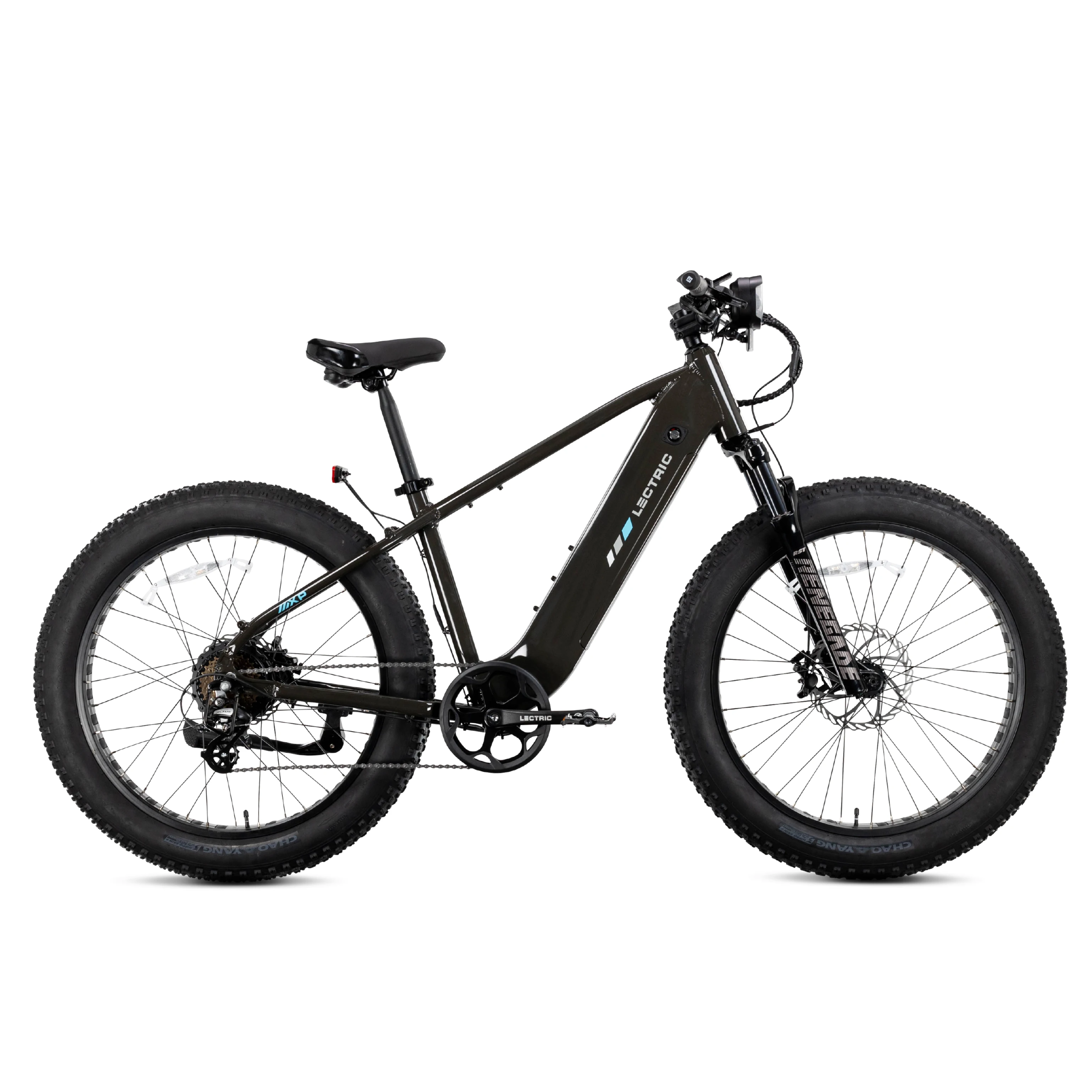 Top Pick
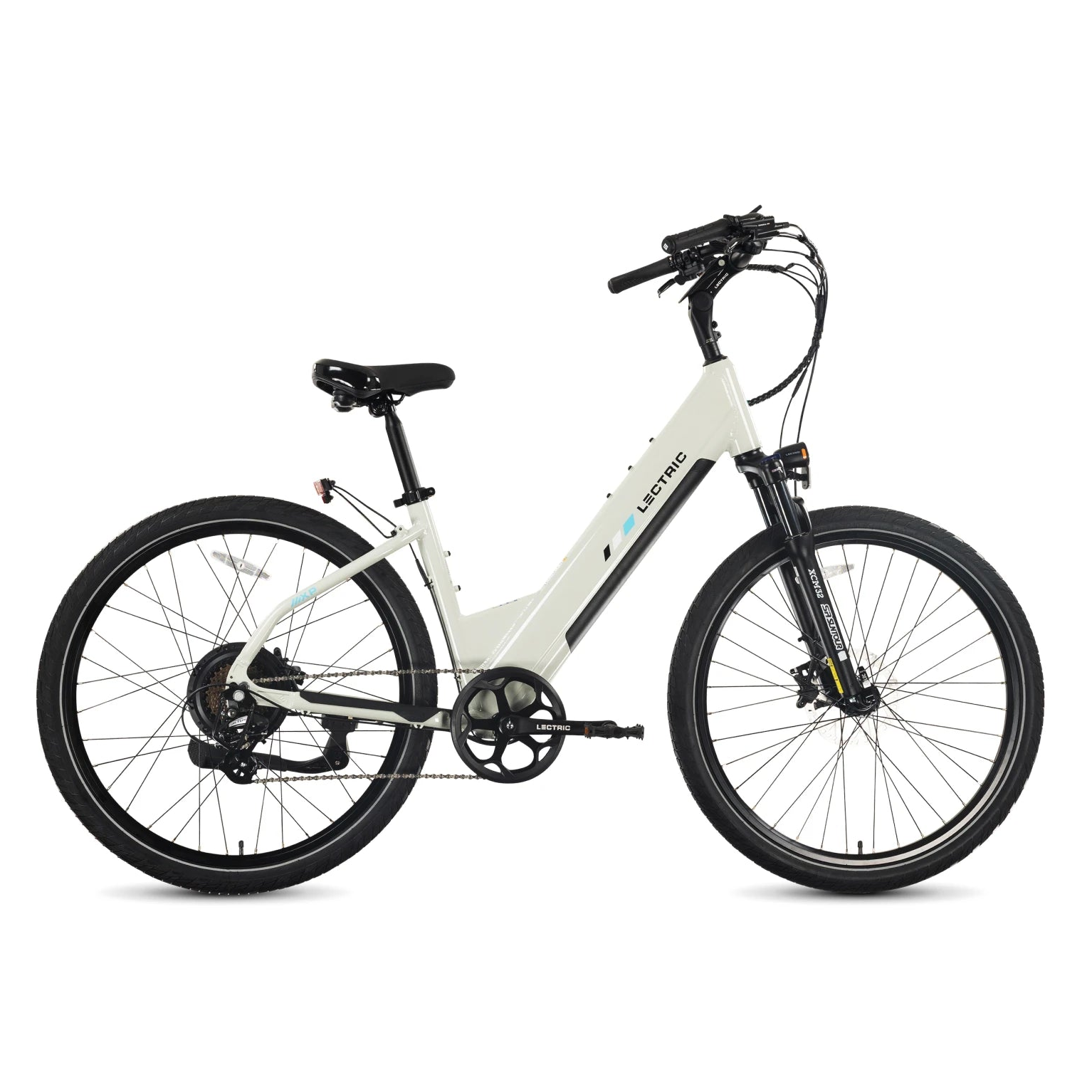 Best Value
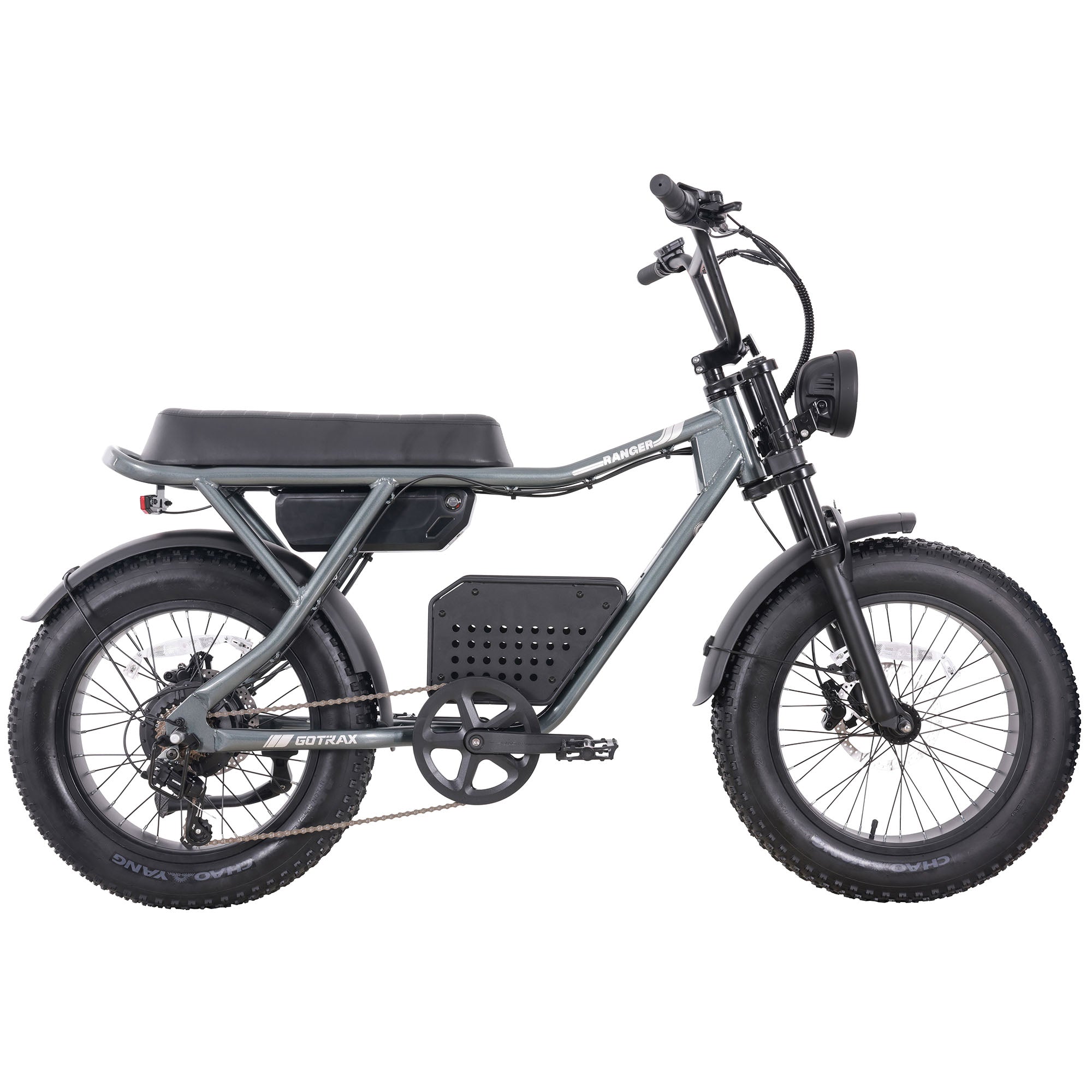 Premium Pick
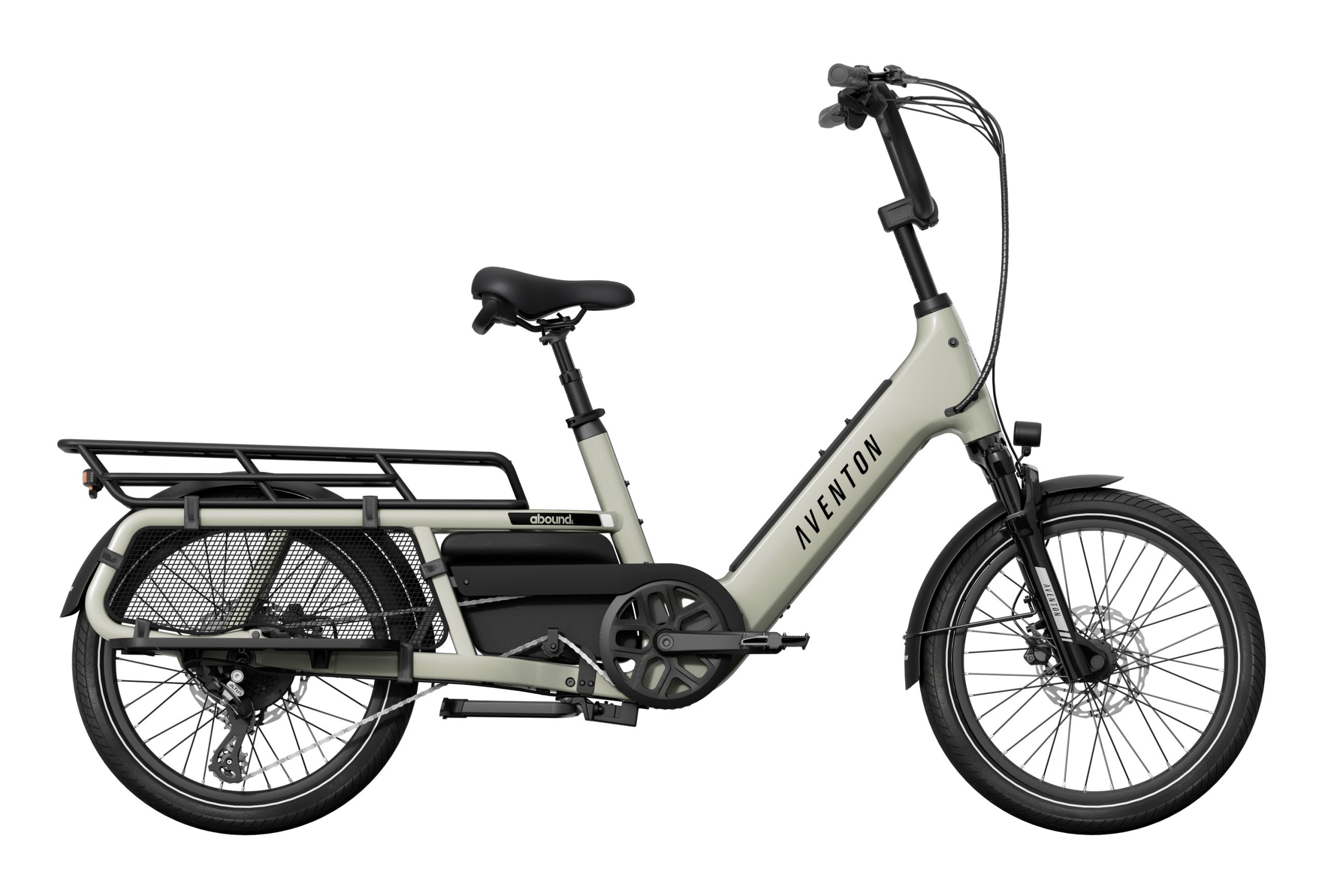 Budget Pick
The Core Question: Two Very Different Tools

E-bikes and electric scooters are both battery-powered, both emission-free, and both legitimate commuting options in 2025–2026. But they are built around fundamentally different use cases. Based on published comparisons, buyer guides, and verified product data, the right choice depends almost entirely on how far you ride, where you ride, and what you do when you get there. This guide breaks down every meaningful difference so you can make a confident call.
Range: The Most Important Number

If your commute is longer than 10–15 miles round-trip, range alone may decide this debate. According to published comparisons, e-bikes typically deliver 30–60 miles of real-world range, while electric scooters generally manage 10–20 miles on a charge in similar conditions. Metric-based sources put those figures at roughly 40–100 km for e-bikes versus 15–40 km for scooters.
That gap is not marketing spin — it reflects real differences in battery capacity and motor efficiency. And range is not a static number. Hills, rider weight, cold weather, and stop-and-go urban riding all reduce it. A scooter rated for 20 miles on a flat, warm day may deliver noticeably less in real commuting conditions. Buyers should treat published range figures as optimistic ceilings, not guarantees.
For longer commutes, e-bikes hold a clear structural advantage. For short last-mile trips — say, from a transit stop to your office — a scooter’s range is usually more than adequate.
Cost: Scooters Win on Price, E-Bikes Offer More Value Per Mile
Upfront cost is the most obvious advantage scooters have. According to Polygon’s published comparison, decent entry-level commuter scooters commonly start in the $400–$800 range, while reputable commuter e-bikes typically start closer to $1,500–$2,500. That is a meaningful gap for budget-conscious buyers.
However, the market for budget e-bikes has become increasingly competitive. The GOTRAX Ranger, for example, is currently listed at $899 on sale ($1,199 regular) with a 500W rear hub motor, 48V 10.4Ah battery, claimed range of up to 30 miles, dual mechanical disc brakes, and a 25 mph pedal-assist top speed — all in a package that would have cost significantly more just a few years ago. The Ride1Up XP is listed by Electric Bike Report as a 2026 value pick at $999, further demonstrating how aggressively e-bike pricing has moved downward.
Beyond purchase price, consider total cost of ownership. E-bikes have more mechanical components — chains, gears, derailleurs — which means more maintenance complexity. Scooters tend to be simpler mechanically but can be sensitive to wear-and-tear, with tires and other consumable parts needing more frequent replacement according to multiple buyer sources. Factor in your local service options before committing to either.
See our best electric bikes roundup for vetted picks across multiple price points.
Comfort, Posture, and Terrain
This is where the riding experience diverges most sharply. E-bikes put you in a seated position, which is fundamentally more comfortable over longer distances. Many models include front suspension and ergonomic saddles designed for extended rides. Scooters require a standing posture for the entire trip, which becomes fatiguing over longer distances and is considerably less forgiving on rough pavement, potholes, or uneven surfaces.
Scooters also typically run smaller wheels than e-bikes, which reduces stability at higher speeds and makes rough roads feel worse. Recent 2026 buyer guidance from isinwheel specifically highlights that brakes, suspension, lighting, and overall stability matter as much as motor wattage for rider safety and confidence — a signal that the industry is acknowledging these comfort and safety limitations in scooter design.
For hills and heavier loads, e-bikes have a clear mechanical edge. Their motors are generally more powerful, and the ability to pedal actively means you are not entirely dependent on motor output when climbing. Scooters are best suited to flatter urban routes.
One underappreciated e-bike advantage: if the battery runs out mid-commute, you can still pedal home. A scooter with a dead battery is essentially a heavy, awkward push-scooter.
Weight, Portability, and Storage
Scooters win decisively here. Their foldable form factor makes them practical for apartments with no dedicated bike storage, mixed transit commutes where you carry the vehicle onto a bus or train, and small workspaces where storage is tight. E-bikes — even lighter models — are substantially heavier and larger. The GOTRAX Ranger, for instance, weighs approximately 69.7 lbs, which is typical for a budget e-bike and represents a genuine logistical challenge for riders who need to carry it up stairs or lift it into a vehicle.
Consumer Reports’ current buying guidance explicitly recommends that e-bike shoppers evaluate total weight, rack compatibility, and access to local service shops before purchasing — practical filters that matter more in daily use than spec-sheet numbers. If your living situation makes storage difficult or you rely on public transit for part of your trip, a scooter’s portability advantage may outweigh its range and comfort limitations.
Check our electric scooter reviews for portable options worth considering.
Who Should Buy an E-Bike
- Commuters with trips longer than 10–15 miles round-trip who need reliable range
- Riders facing hills or carrying groceries, gear, or cargo regularly
- Anyone prioritizing comfort over longer distances and extended ride times
- Riders with secure storage at home and at their destination
- Budget-flexible buyers who want more capability per dollar over the long term
Who Should Buy an Electric Scooter
- Short-distance commuters covering 5–10 miles or less on flat urban terrain
- Last-mile riders who combine transit with a scooter for the final stretch
- Apartment dwellers or anyone with limited storage space
- Budget-first buyers who need a functional option under $800
- Mixed-transit commuters who need a vehicle they can carry onto buses or trains
The Honest Tradeoffs
Neither option is without real flaws. E-bikes are heavier, more expensive upfront, mechanically more complex, and require more planning around storage and service access. A buyer who underestimates the weight or overestimates their storage options will find an e-bike inconvenient fast. Scooters, meanwhile, have genuinely limited range, are less comfortable on anything but smooth pavement, and require more frequent tire and parts replacement than some buyers expect. Neither vehicle is maintenance-free.
It is also worth noting that local laws governing where each vehicle can be legally operated vary by city and state, and the regulatory picture continues to evolve. Check your local jurisdiction before purchasing, particularly if you plan to use bike lanes or paths. e-bike laws by state
The Bottom Line
For most riders with commutes beyond 10 miles, varied terrain, or a need to carry anything beyond a backpack, an e-bike is the stronger choice. The range advantage, seated comfort, hill-climbing ability, and the safety net of pedaling home on a dead battery all add up to a more capable daily commuting tool. The 2025–2026 budget e-bike market — with models like the GOTRAX Ranger and Ride1Up XP offering genuine capability at or under $1,000 — has reduced the price barrier that once made this an easy scooter win on affordability.
That said, if your commute is short, your storage is tight, your route is flat, and your budget is under $800, a well-chosen commuter scooter is a legitimate, practical option. The key is being honest with yourself about the route you actually ride, not the one you imagine riding.
Sources
- Viribus Bikes – E-Bike vs E-Scooter: Choosing for Long Daily Commutes
- Polygon Bikes – Electric Bike vs Scooter Comparison
- isinwheel – Commuting vs Off-Road Scooters: Beginner’s Buying Guide 2026
- Consumer Reports – Electric Bikes Buying Guide
- Rider Guide – GOTRAX Ranger E-Bike Review
- Electric Bike Report – Best Electric Bikes
- Reany Bikes – E-Bike vs E-Scooter Guide
Disclosure: This article was produced with AI-assisted research and editorial review. VoltVentureLab.com may earn a commission on purchases made through affiliate links at no additional cost to you.