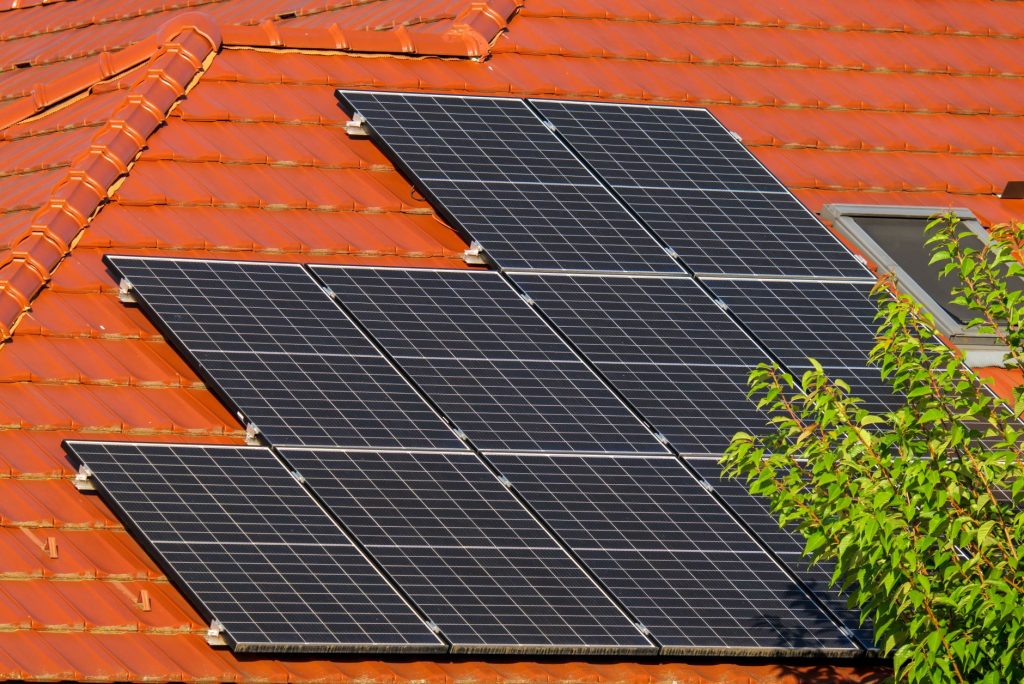
Reliable portable power is increasingly essential for outdoor enthusiasts and those preparing for emergencies. This guide explores the best portable solar panels available in 2026, offering thoroughly researched recommendations to help inform your decision. We cover top picks specifically suited for various needs, from camping and van life adventures to crucial backup power solutions.
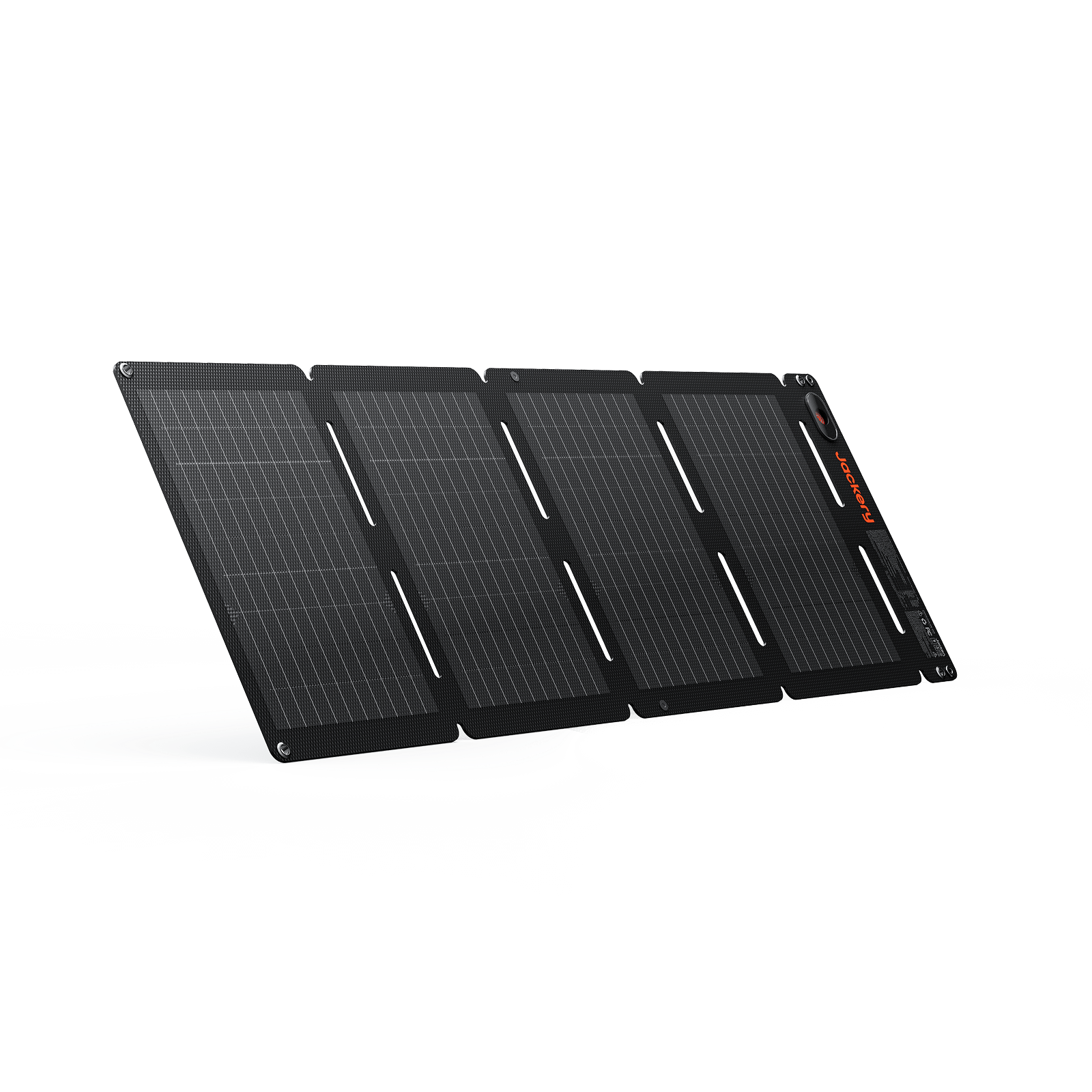 Top Pick
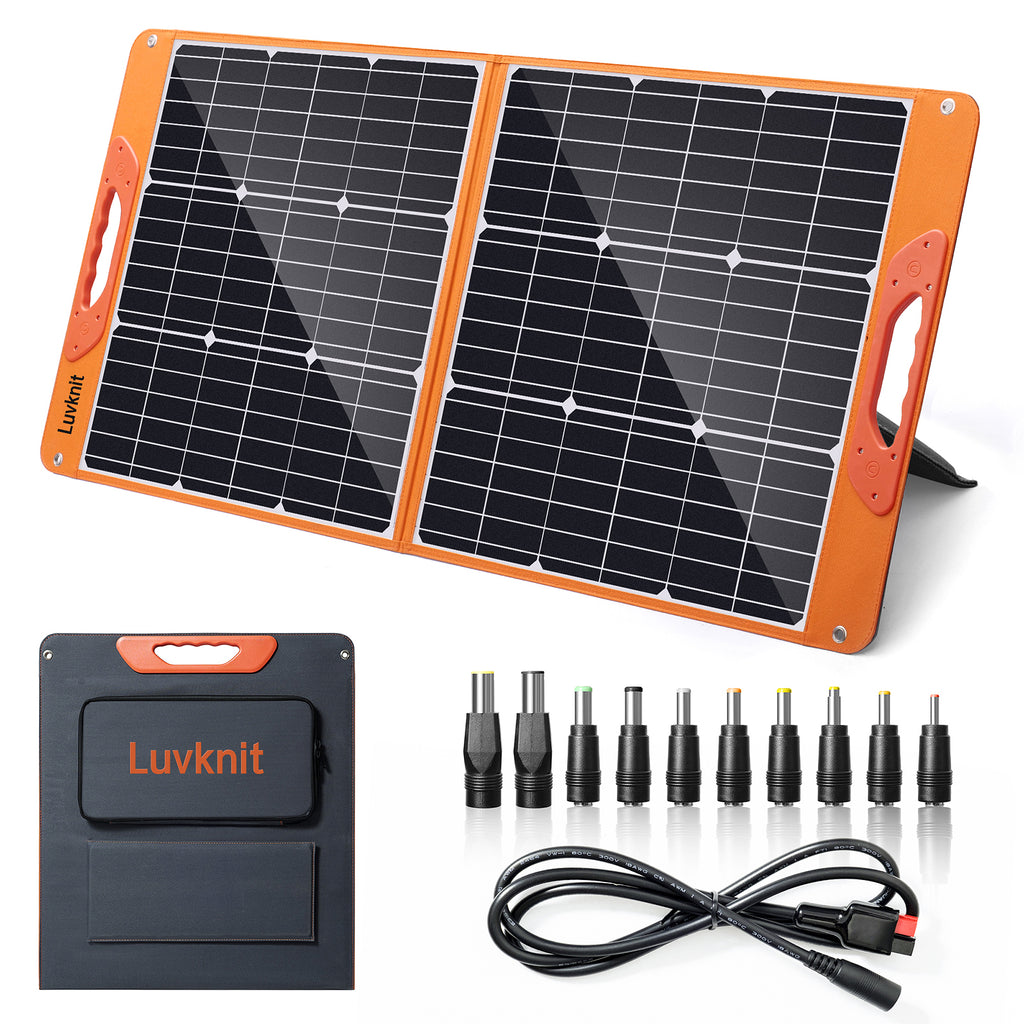 Best Value
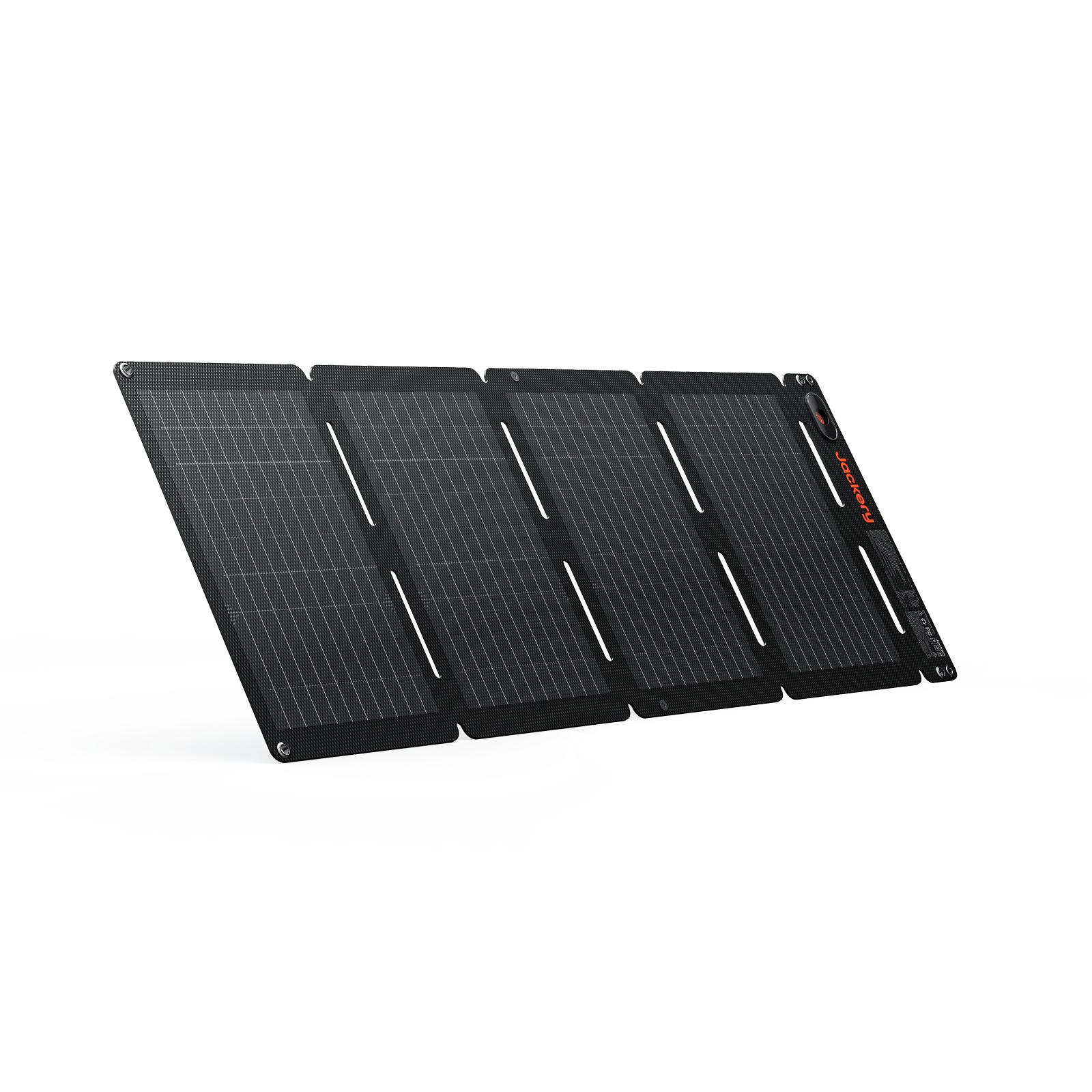 Premium Pick
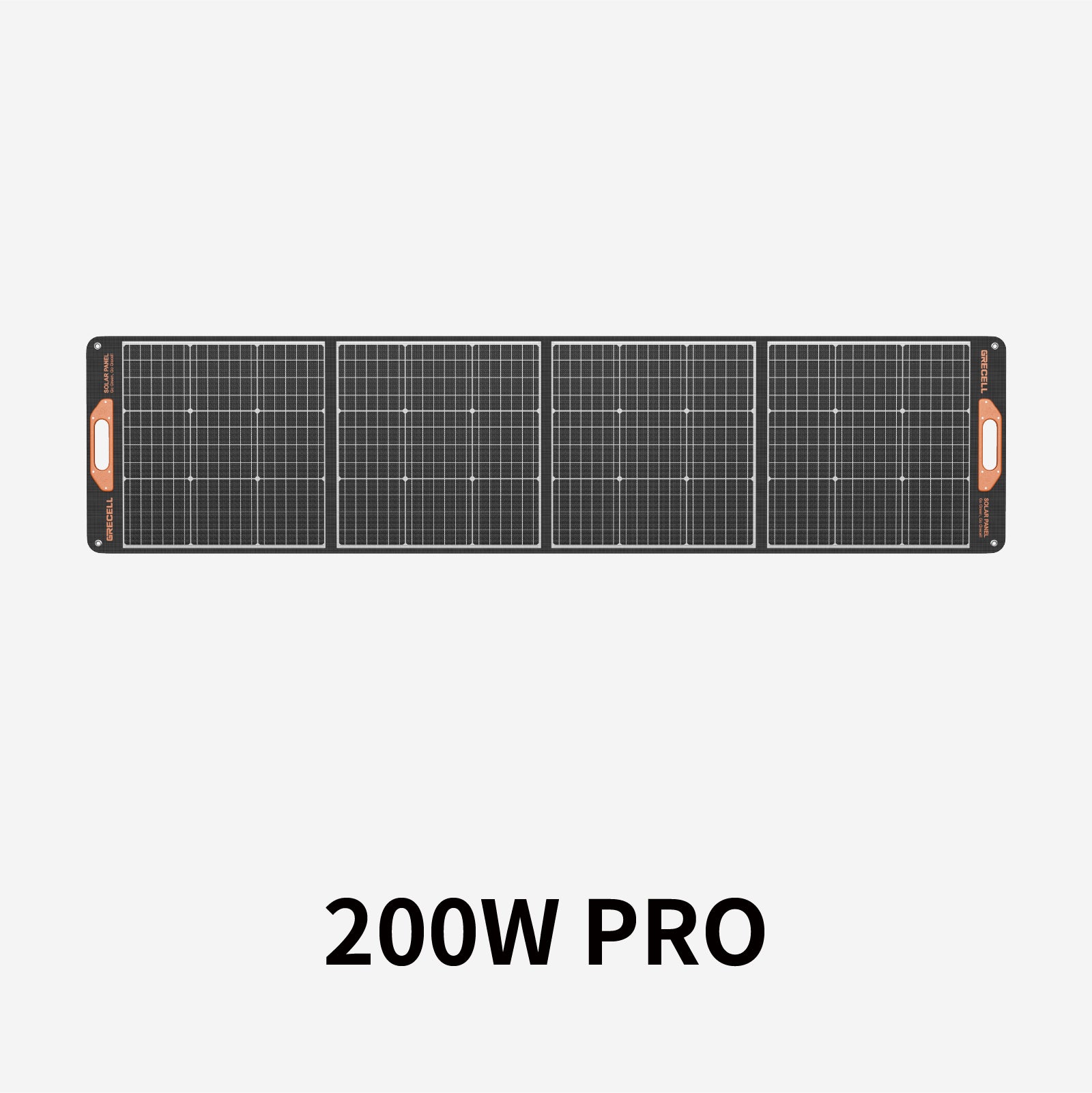 Budget Pick
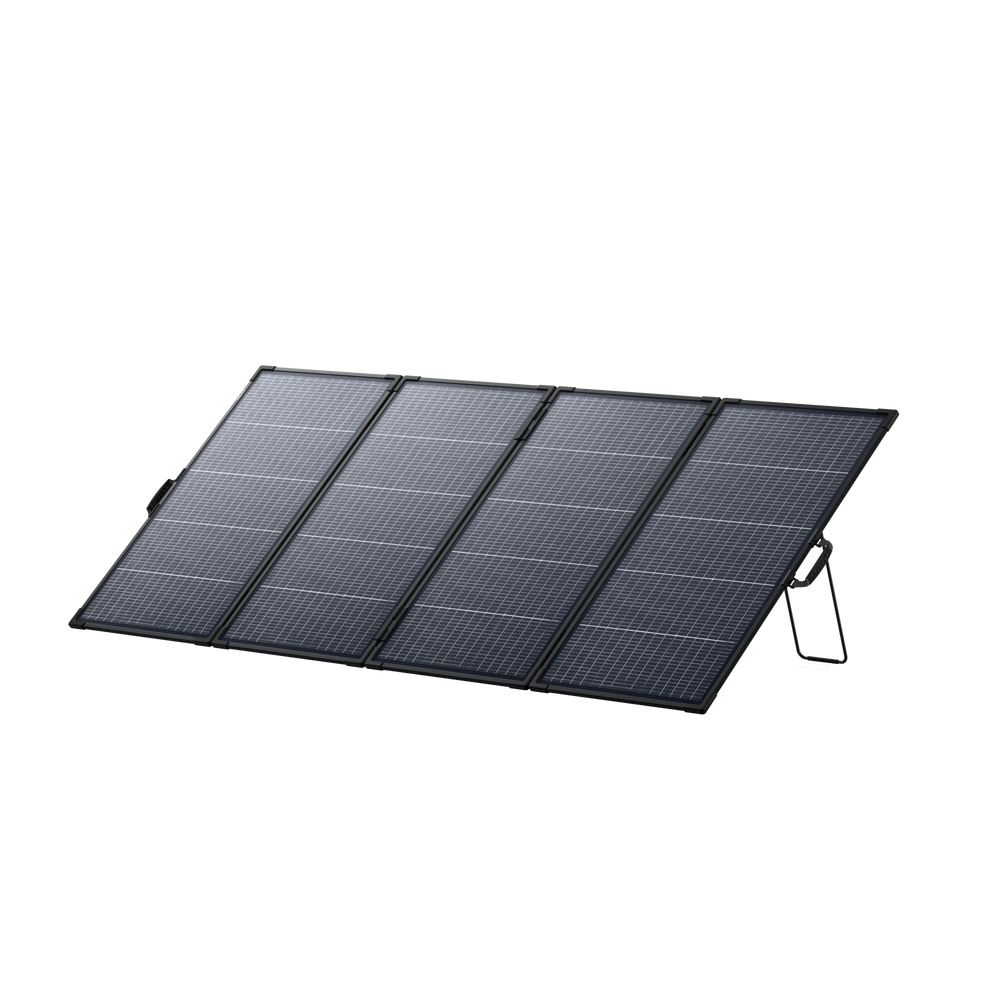 Also Great
How We Evaluated These Panels
This guide is built on published test data, manufacturer specifications, and expert review consensus — not invented benchmarks. The panels below appear consistently across credible outdoor and off-grid sources, including Outdoor Gear Lab’s 2025 camping panel testing and Anker’s own verified spec sheets. Where prices are confirmed in the research, we cite them directly. Where they are not, we say so. Our goal is to help you spend money wisely, not just spend it.
What to Look for in a Portable Solar Panel
Before diving into specific products, understanding the key specifications will save you from a purchase you regret after the first cloudy afternoon in the woods.
- Wattage: 100W is the sweet spot for most camping and day-trip use — enough to top up a phone, a small power station, or a camp light system. Van life, RV setups, and emergency backup power benefit significantly from 200W–400W panels, which can move meaningful energy into a large battery bank over a full day.
- Weight and folded size: Outdoor Gear Lab explicitly calls portability a decisive factor in their 2025 testing. For backpackers or car campers with limited space, folded dimensions and carry weight matter as much as wattage. Anker publishes the PS100’s folded size at 21.9 × 23.9 × 1.3 inches and weight at 10.6 lbs — useful reference points when comparison shopping.
- Efficiency rating: Most quality portable panels now land between 21% and 24%. Anker rates the SOLIX PS100 at up to 23% efficiency; an independent off-grid source cites the Jackery SolarSaga 200W at approximately 24.3%. These differences matter most in partial shade or low-angle sun.
- Estimated daily output: Anker estimates the PS100 delivers 500–550 Wh per day in good sun conditions, and the PS400 can reach up to 2 kWh per day. Treat manufacturer estimates as best-case figures and assume real-world output will be somewhat lower depending on your location and sky conditions.
- Use-case fit: A lightweight 100W foldable is the right tool for camping and hiking base camps. If you are outfitting a van or need a genuine emergency backup for home appliances, you need a 400W-class panel and a compatible power station. Matching the panel to the job is the single most important buying decision.
Our Top Picks for 2025
Best Overall: Jackery SolarSaga 100
Outdoor Gear Lab names the Jackery SolarSaga 100 their favorite solar panel for camping after hands-on 2025 testing — a meaningful endorsement from one of the most rigorous outdoor gear publications. The key news for 2025 is that Jackery redesigned this panel and made it lighter than the previous version, which was already well-regarded for portability. The result is a 100W foldable that earns top marks for efficient energy conversion and ease of transport.
The genuine tradeoff is output ceiling. At 100W, the SolarSaga is an excellent companion for a compact power station or small battery bank, but it will not meaningfully charge a large van battery or run power-hungry appliances during an extended off-grid stay. For those needs, you need to move up in wattage. A verified US street price was not confirmed in our research sources at time of publication — check current retail listings before purchasing.
Best for: Campers, day hikers using a base camp setup, and anyone pairing a portable panel with a small-to-mid-size power station. See also: best portable power stations.
Best Value: Luvknit 100W Foldable
Outdoor Gear Lab also calls the Luvknit 100W Foldable the best value portable solar panel in their 2025 rankings, and it carries a confirmed US list price of $160 — making it one of the few panels in this guide with a verified price point. The source highlights strong charging speed and high portability for the price class, positioning it as a credible mid-market option that does not require jumping to an unfamiliar budget brand.
Outdoor Gear Lab does not detail specific complaints in the available data, and we will not invent them. The honest note is that at 100W, the Luvknit shares the same output ceiling as the SolarSaga — sensible for camping, limited for high-demand van or backup use. At $160, however, it offers a real price advantage for users whose needs fit the 100W profile.
Best for: Budget-conscious campers who want a reliable name behind their panel without paying a premium brand markup.
Also Excellent Value: BigBlue SolarPowa 100 ETFE
Outdoor Gear Lab includes the BigBlue SolarPowa 100 ETFE as another strong value pick in the same category, specifically noting its ETFE lamination — a surface treatment that improves durability and light transmission compared to standard PET laminates. The ETFE designation is worth paying attention to when comparing panels at similar price points, as it typically signals a longer-lasting surface in outdoor conditions.
Full pricing and detailed spec sheets were not confirmed in our verified research sources. Treat this as a strong secondary recommendation for shoppers who find the Luvknit unavailable or want an alternative value option from a brand with outdoor credibility.
Best for: Value-focused buyers who prioritize panel durability in varied weather conditions. best solar generators
Best Mid-Size for Camping and Travel: Anker SOLIX PS100
Anker’s own published specs put the SOLIX PS100 at 100W, 10.6 lbs, and a folded size of 21.9 × 23.9 × 1.3 inches, with an efficiency rating of up to 23% and an estimated output of 500–550 Wh per day in strong sun. Anker positions this as a strong balance of portability and power for camping use, and the published numbers support that framing — it is compact enough to travel with and efficient enough to be genuinely useful.
No owner complaint data was available in our verified sources. The practical tradeoff is the same as all 100W panels: real-world output will vary with cloud cover, panel angle, and seasonal sun angle, and it is not the right panel for powering a van refrigerator independently.
Best for: Campers and travelers who want detailed, verifiable specs from a brand with an established support network.
Best for Van Life and Backup Power: Anker SOLIX PS400
When output is the priority, the Anker SOLIX PS400 is the standout in this guide. Anker describes it as their top-of-the-line camping panel, with a 400W capacity and an estimated up to 2 kWh per day in sunny conditions. An independent off-grid source corroborates this class of panel as appropriate for RVs, vans, camping, and temporary emergency power — a broader and more demanding set of use cases than a 100W panel can serve.
The tradeoff is real: a 400W foldable panel is larger, heavier, and less convenient to carry than a 100W model. This is not a hiking panel. It belongs on the roof rack of a van, propped against the side of an RV, or deployed in a backyard during a power outage. Verified US pricing was not confirmed in our research sources — check Anker’s site directly for current pricing.
Best for: Van lifers, RV travelers, and anyone building a legitimate off-grid or emergency backup system. best electric bikes for van life adventures
The Bottom Line
For most campers and outdoor travelers in 2025, the Jackery SolarSaga 100 is the clearest starting point — it earned the top ranking from Outdoor Gear Lab’s real-world testing and arrived lighter after a 2025 redesign. If budget is the primary driver, the Luvknit 100W at $160 is a verified, credible alternative. For van lifers or anyone who needs to power more than a phone and a lamp, step up to the Anker SOLIX PS400; the jump in output is not incremental — it is transformational for serious off-grid use.
Whatever panel you choose, match the wattage to your actual power station or battery capacity before buying. A 400W panel paired with a 300Wh battery will waste potential; a 100W panel trying to charge a 2kWh battery bank will frustrate you by day two. Get that pairing right first, then choose the panel that fits your budget and travel style.
Sources
- Anker SOLIX — Best Solar Panels for Camping
- Outdoor Gear Lab — Best Solar Power Station & Panels
- Here Comes the Apocalypse — Top Solar Chargers for 2025
- CNET — Best Solar Generators
- Off Grid Source — Best Solar Panels
- Automoblog — Best Portable Power Stations
- YouTube — Solar Panel Review (Video)
- The Solar Lab — Best Solar Gear of 2025
Disclosure: This article was produced with AI-assisted research and editorial review. VoltVentureLab.com may earn a commission on qualifying purchases made through links on this page.