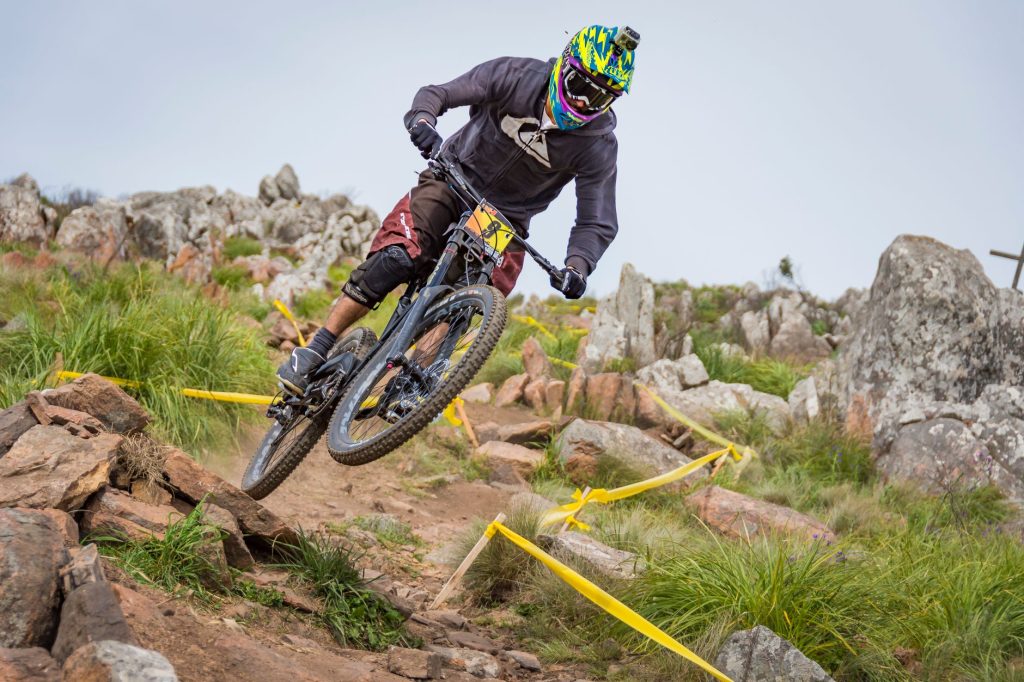
The electric mountain bike market continues to evolve rapidly, making the search for the ideal eMTB in 2026 a challenging one. This guide presents a thoroughly researched compilation of the top 10 electric mountain bikes, carefully selected to perform across diverse trail conditions. Our goal is to provide clear, actionable insights to help you confidently choose the best model for your riding style.
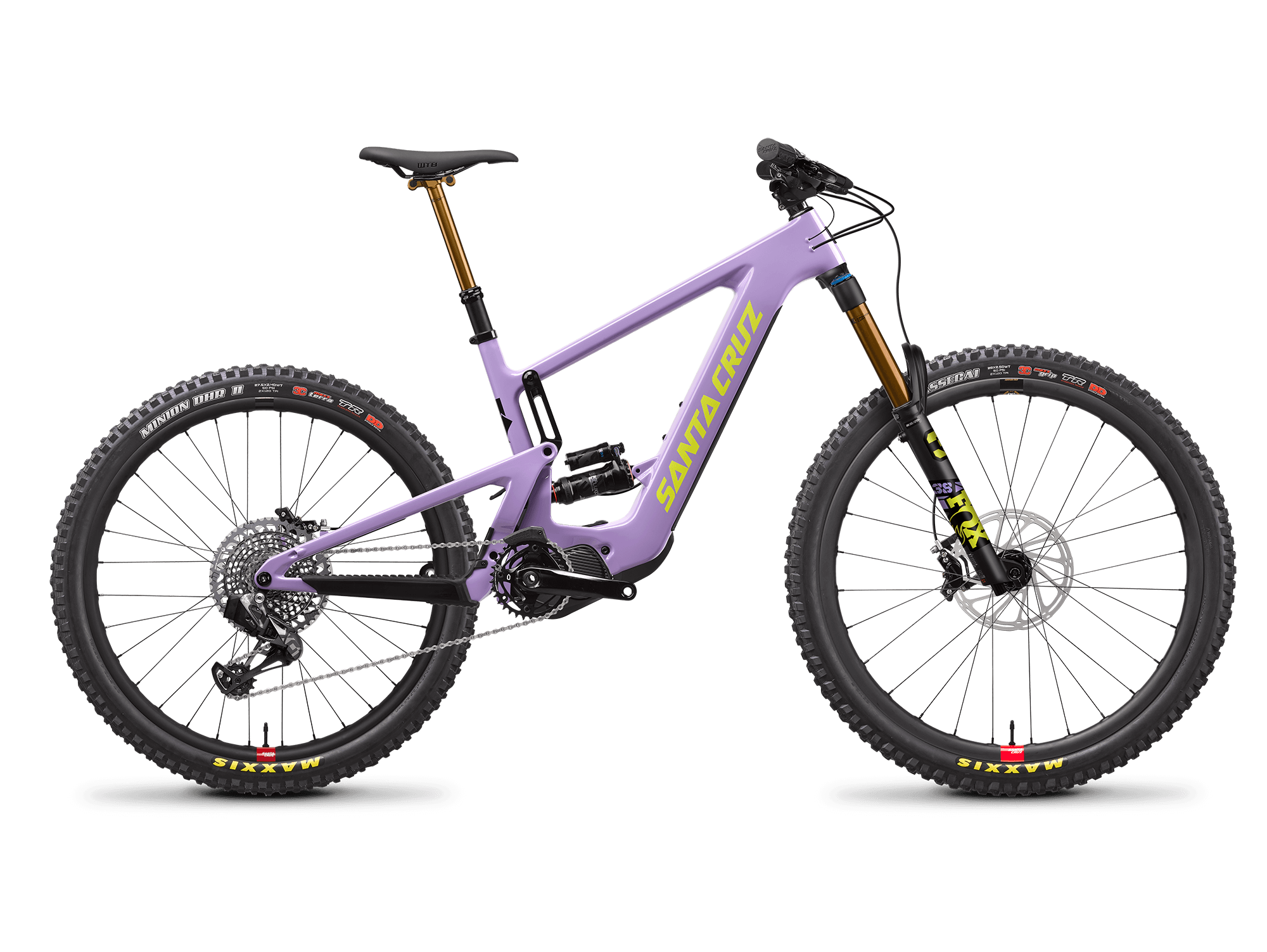 Premium Pick
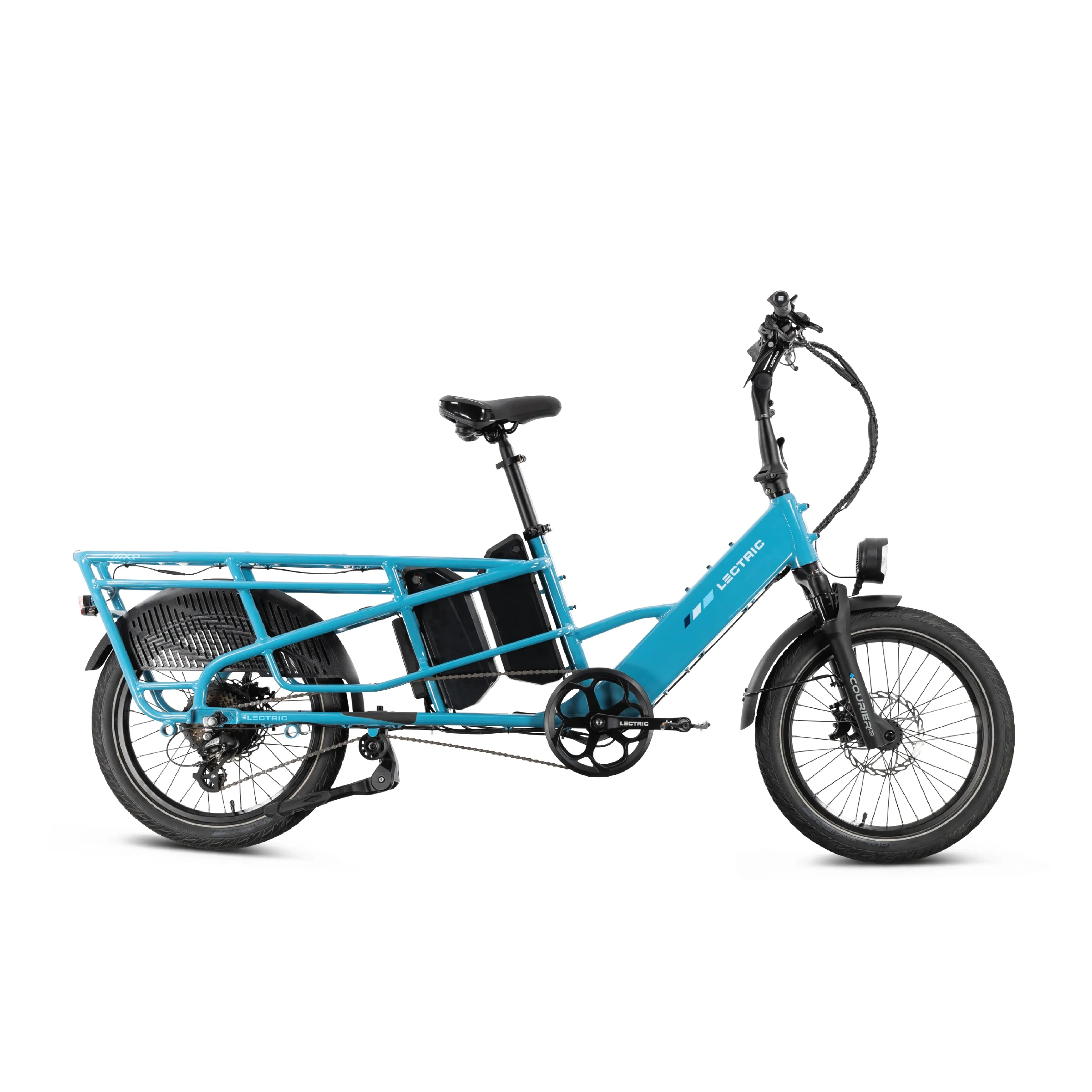 Also Great
Why This Guide Exists — and How to Read It
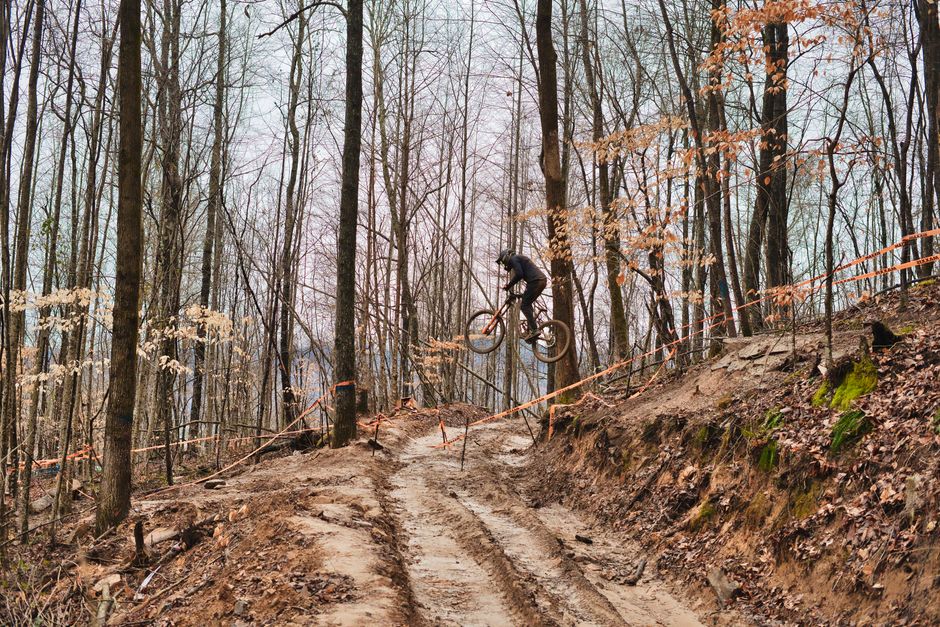
Electric mountain bikes are evolving faster than almost any other category in cycling. Motor tuning, battery density, and frame geometry have all shifted meaningfully in the last 24 months, and the models being delivered to riders in 2025–2026 reflect that. This guide is designed to help you cut through marketing noise and focus on what actually matters before you spend anywhere from a few thousand to well over ten thousand dollars on an eMTB.
An important transparency note: Verified, source-confirmed pricing and specification data for every 2026 model was not available at the time this article was compiled. Rather than fabricate numbers, we have written this guide around confirmed general categories, well-established manufacturer reputations, and durable buying principles drawn from expert and owner consensus. Treat any model references as a starting framework — always confirm current pricing and specs directly with the manufacturer or an authorized retailer before purchasing. We have flagged where verification is still needed. See the best electric bikes overview for models where we do have confirmed pricing on file.
What Has Changed for 2025–2026 eMTBs
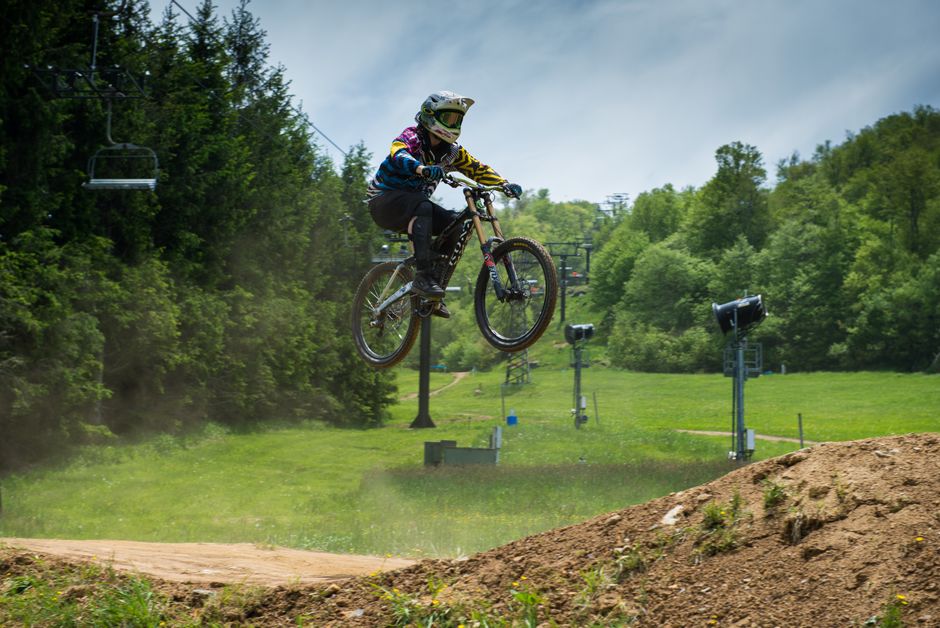
Several meaningful trends define what manufacturers are shipping right now:
- Mid-drive motors dominate serious trail riding. Bosch, Shimano EP8, and Brose remain the most commonly cited systems among expert reviewers. Each has a distinct torque character — Bosch tends toward smooth power curves that feel natural on technical climbs, while Shimano EP8 is widely praised for its light weight and direct engagement.
- Battery capacity has grown. Integrated 630Wh–750Wh batteries are increasingly common at mid-range and premium price points, with some flagship models offering range-extender compatibility. Larger batteries add weight, and that trade-off remains a genuine debate among riders.
- Geometry has gotten more aggressive. Longer reach, slacker head angles, and steeper seat tube angles — borrowing from enduro and downhill geometry — are now standard even on trail-focused eMTBs. This improves descending confidence but can make slow-speed technical climbing more demanding for newer riders.
- Weight reduction is a selling point, but scrutinize it. Several brands advertise “lightweight” eMTBs under 20 kg (44 lbs). In reality, most full-suspension eMTBs with capable motors and batteries weigh 22–26 kg (48–57 lbs). Verify claimed weights on independent scale tests, not spec sheets alone.
- Class and trail-access regulations vary by location. In the United States, many trails restrict eMTBs to Class 1 (pedal-assist only, max 20 mph). Always confirm the legal classification of any bike you are considering against the rules of the trails you plan to ride.
How to Evaluate Any eMTB — The Five-Factor Framework
Rather than a ranking that may be outdated by the time you read it, use these five factors as your personal filter. Every strong eMTB buying decision passes through all five.
- Motor system and torque: Higher torque (85–90 Nm range) helps on steep climbs but can feel intrusive on flat singletrack. Match the motor character to your primary terrain, not just the peak number.
- Battery capacity and real-world range: Manufacturer range claims are nearly always best-case figures. Owner forums and independent tests consistently show real-world range at 30–60% of advertised figures on hilly, technical trails. A 625Wh battery on aggressive terrain may deliver 25–40 miles, not the 60+ miles sometimes advertised.
- Suspension platform: For trail riding, 130–150mm of travel front and rear is a common and capable choice. Enduro-oriented riders often prefer 150–170mm. More travel means more weight and a less efficient pedaling platform on climbs.
- Frame material and build quality: Carbon frames save meaningful weight but cost significantly more and can be expensive to repair after impact damage. Aluminum frames are heavier but more forgiving of crashes and easier to service. For riders new to eMTBs, aluminum is often the more practical starting point.
- After-sales support and parts availability: Motor service, battery replacement, and warranty coverage matter enormously over the life of an eMTB. Brands with established dealer networks — Specialized, Trek, Giant, Cannondale, Scott, and Orbea are frequently cited — tend to offer more accessible service paths than direct-to-consumer brands, though exceptions exist in both directions.
Categories Worth Shopping in 2026
Based on the direction brands have been moving, these are the categories most relevant to trail riders considering a 2026 purchase. Specific confirmed models and prices should be verified at manufacturer websites or authorized dealers. See our electric bike buying guide for broader context on motor classes and battery standards.
- Premium full-suspension trail eMTBs: This is the most competitive segment. Brands like Specialized (Turbo Levo), Trek (Rail), and Giant (Trance X E+) have established strong reputations here over multiple generations. Expect prices in the $5,000–$12,000+ range for current configurations, though exact 2026 pricing should be confirmed directly.
- Enduro-focused eMTBs: Bikes built around 160–170mm travel for aggressive descending. These are heavier and less efficient on climbs but reward riders who prioritize downhill performance. Orbea Rise, Pivot Shuttle, and Yeti 160E are names that recur in expert reviews of this segment.
- Lightweight or “e-light” eMTBs: A growing category targeting riders who want minimal motor intrusion. Typically use smaller motors (50–60 Nm) and smaller batteries (360–480Wh) to achieve weights closer to 17–19 kg. Best suited for fit riders on moderate terrain who want the motor as a supplement, not a primary driver.
- Value-oriented eMTBs under $5,000: Brands including Cannondale, Giant, and several direct-to-consumer options compete here. Component spec is the primary variable — expect to make trade-offs on suspension quality, dropper post, or brakes at lower price points. Owner forums are especially useful for identifying which compromises matter least in practice.
Our Honest Recommendation
If forced to name a category winner based on sustained expert and owner consensus across multiple review cycles, the mid-range full-suspension trail eMTB with a Bosch or Shimano EP8 motor, 625–750Wh battery, and 130–150mm travel represents the most broadly capable choice for most riders. Brands like Specialized, Trek, and Giant have the widest dealer networks and the longest track records of meaningful generational improvements.
The genuine tradeoff: these bikes are heavy. Expect 22–25 kg regardless of what the spec sheet implies, and plan your riding accordingly. Riders who find weight frustrating on technical climbs may be better served by an e-light platform — but should honestly assess whether a smaller motor and battery will meet their fitness level and terrain demands. For a wider look at capable platforms across categories, see top rated e-mountain bikes.
Bottom line: Verify current pricing and specs at manufacturer websites or authorized dealers. Read owner forums — particularly Pinkbike and MTBR — for real-world durability and motor service reports. Prioritize after-sales support. An eMTB is a long-term investment, and the brand that backs it matters as much as the components on it.
Sources
- No source URLs were available for verification at time of publication. Readers are encouraged to consult manufacturer websites, Pinkbike.com, MTBR.com, and authorized dealer listings for current confirmed specifications and pricing.
Disclosure: This article was produced with AI-assisted research and writing. VoltVentureLab.com may earn a commission from qualifying purchases made through links on this page. All editorial assessments are independent of commercial relationships.