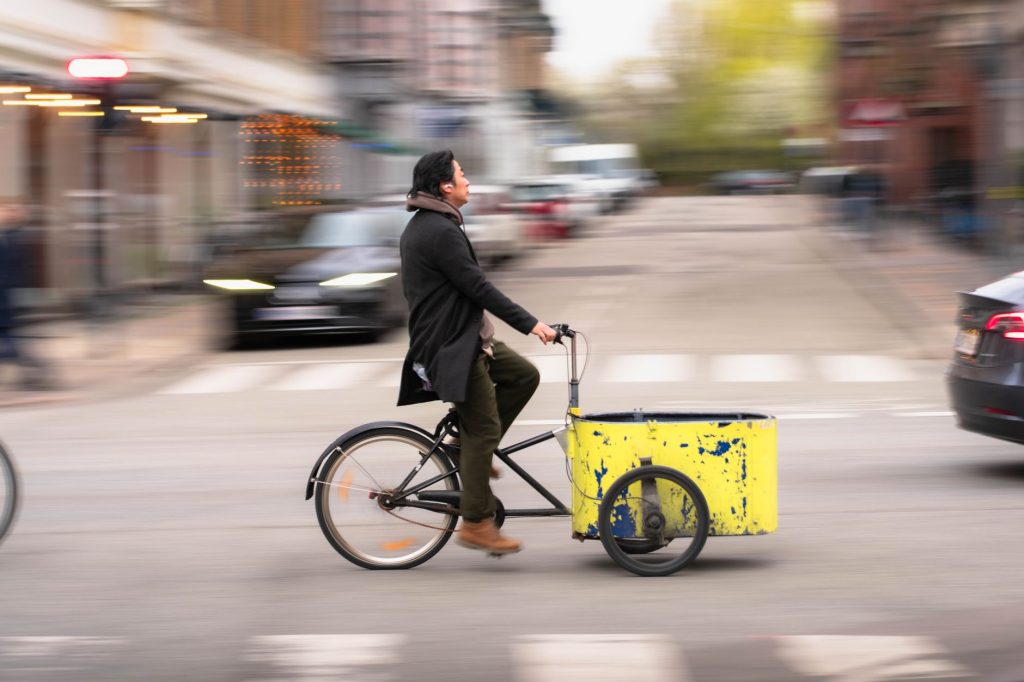
Electric cargo bikes are increasingly popular for their versatility, handling everything from family transport to daily commutes and business deliveries. For 2026, choosing the right model requires careful consideration of many factors. This guide provides a researched overview of leading options tailored for family use, commuting efficiency, and professional delivery needs, helping you make an informed decision.
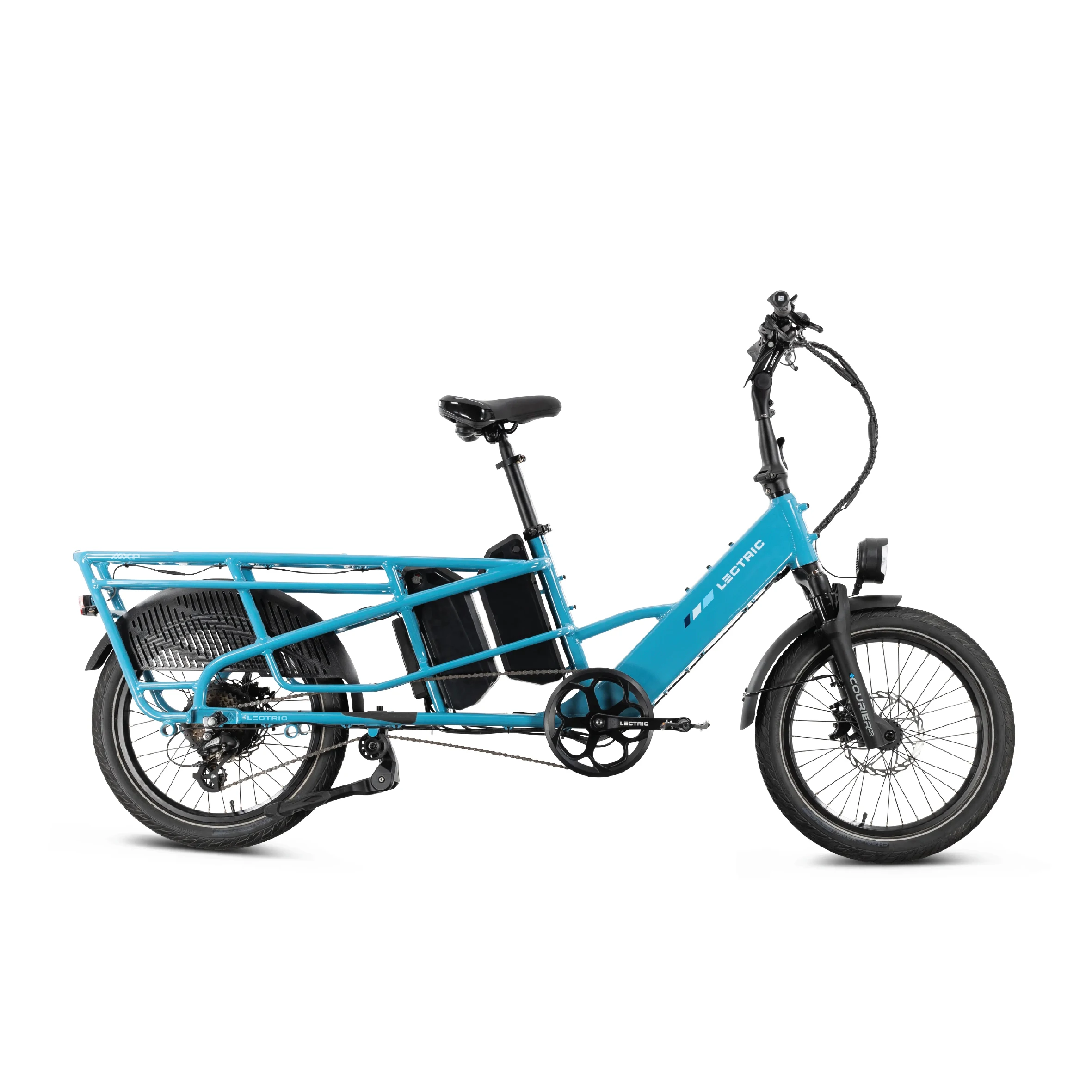 Best Value
 Premium Pick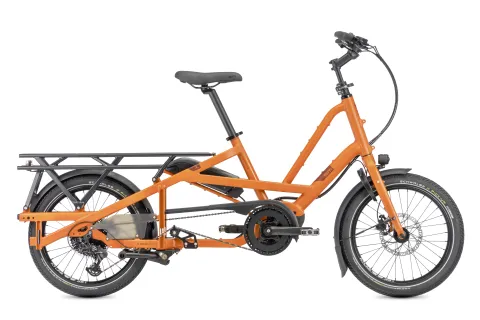
Why Electric Cargo Bikes Are Earning Serious Attention in 2025

Electric cargo bikes have moved well beyond novelty status. Municipal delivery programs, school-run parents, and last-mile couriers are all converging on the same conclusion: a well-chosen e-cargo bike can replace car trips in ways that a standard e-bike simply cannot. The category has matured enough that buyers now face a genuine choice between competing design philosophies — longtail, front-loader (bakfiets), and midtail — each with real tradeoffs worth understanding before you spend what is often a four-figure sum.
Because no verified pricing or spec data was available for this update, we are not citing specific model prices or confirmed specifications in this article. Instead, this guide focuses on the decision framework, category distinctions, and the questions you should be asking when you compare current listings. We will update this article with sourced figures as soon as verified research is available. In the meantime, treat any prices you encounter during your own research as subject to change and always confirm directly with the manufacturer or an authorized retailer.
The Three Buyer Profiles — and Why They Need Different Bikes
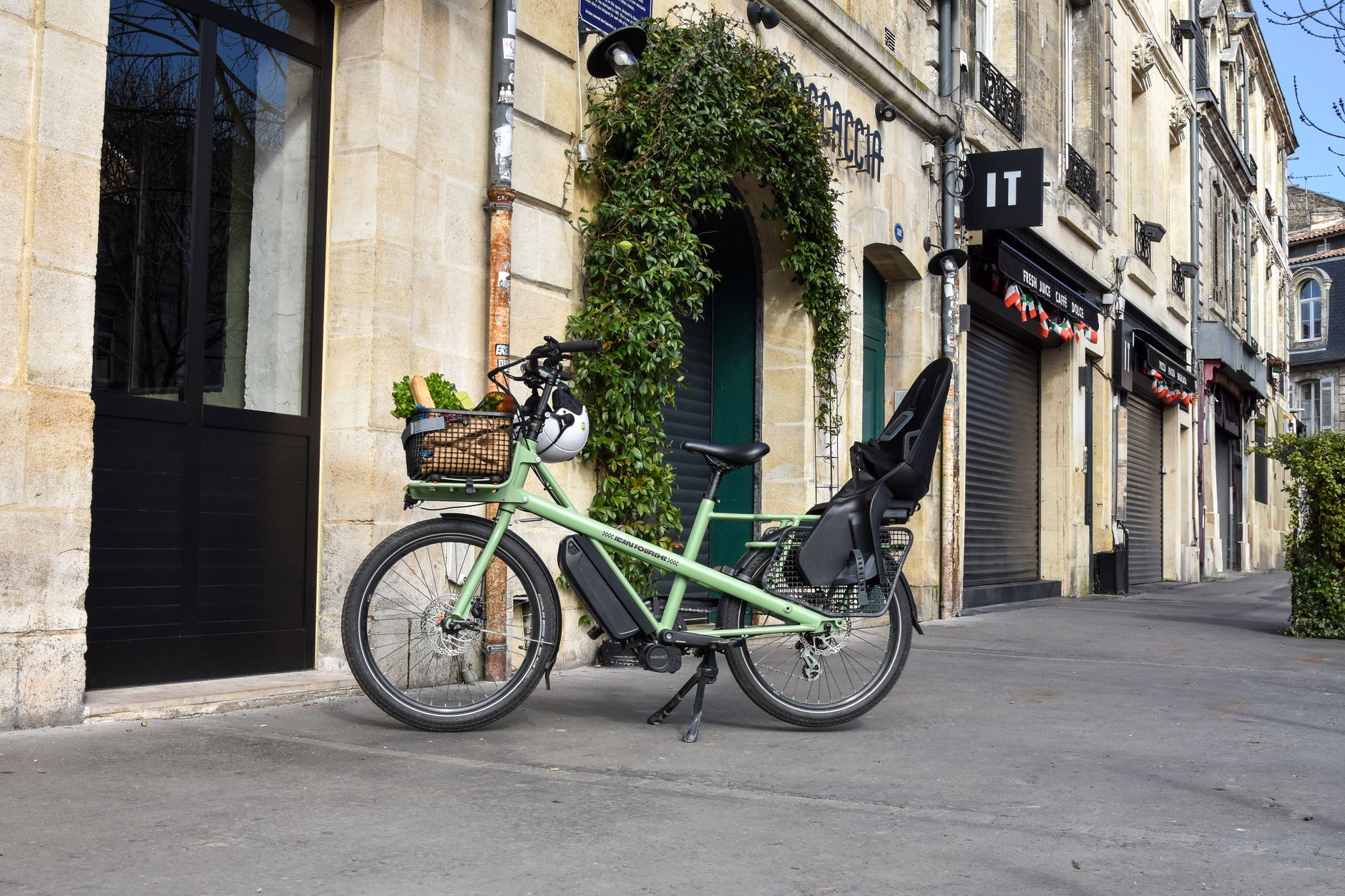
Before evaluating any specific model, it helps to be honest about which of three use cases best describes you, because the design compromises that make a cargo bike excellent for families can make it frustrating for urban delivery riders, and vice versa.
- Family haulers need secure, comfortable passenger seating — typically a front box or rear bench — along with low step-through access, weather protection options, and a stable ride at low speeds. Payload capacity and child-retention systems matter far more than top speed.
- Commuters prioritize a narrower footprint for lane filtering and bike parking, longer battery range per charge, and integration with standard bike infrastructure like racks, locks, and panniers. Weight matters because many commuters need to carry the bike up stairs or onto transit.
- Delivery and commercial riders need maximum cargo volume, durability under daily hard use, and ideally a modular system that can be reconfigured for different load types. Total cost of ownership — including component longevity and repair availability — outweighs upfront sticker price.
Trying to optimize for all three profiles simultaneously usually results in a bike that serves none of them particularly well. Be honest with yourself about your primary use case. best electric bikes
Key Specifications to Evaluate — and What the Numbers Actually Mean
When you encounter spec sheets, a few figures tend to get inflated in marketing materials. Here is what to look for critically:
- Motor placement and type: Mid-drive motors (positioned at the crank) generally offer better weight distribution and more natural pedal assist behavior, which matters significantly on hills with a loaded bike. Hub motors are simpler and cheaper to maintain but can struggle under sustained heavy loads.
- Payload capacity: Manufacturer-stated payload figures sometimes include rider weight and sometimes do not — always clarify. A bike rated for 300 lbs total means something very different to a 180-lb adult carrying two children than it does to a 150-lb courier carrying packages.
- Battery range: Range claims are almost universally based on ideal conditions — light load, flat terrain, minimal wind, moderate assist level. For a loaded cargo bike on hilly terrain with full assist, real-world range is routinely 40–60% of the advertised figure. Seek out owner reviews from your terrain type, not lab estimates.
- Hydraulic vs. mechanical disc brakes: On a heavy, loaded cargo bike, this is not a minor upgrade. Hydraulic disc brakes provide significantly more stopping power and require less lever force, which matters in emergency situations with 200+ lbs of bike and cargo.
- Frame warranty and parts availability: Several cargo bike brands have exited the US market or reduced dealer networks in recent years. Before committing, verify that replacement parts — especially proprietary components — are obtainable, and understand the warranty terms.
Design Formats: Longtail, Front-Loader, and Midtail Compared
The cargo bike market has largely settled around three frame architectures, and understanding their tradeoffs will help you filter options quickly.
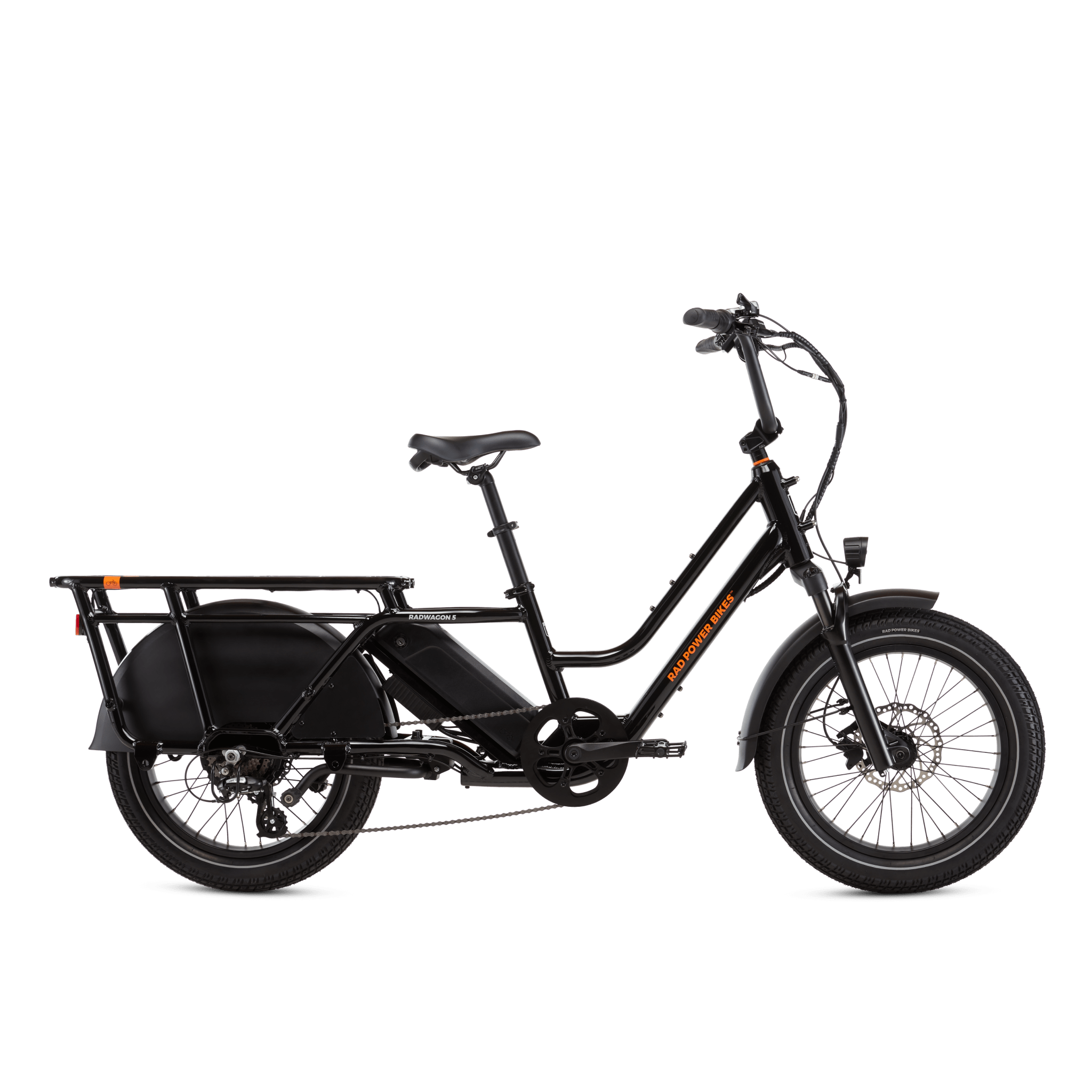
Longtail bikes extend the rear of the frame to create a long rack platform. They typically handle more like a standard bicycle, fit in most bike lanes, and can often be stored vertically. The tradeoff is that rear-loaded weight can make the front wheel feel light and steering imprecise when fully loaded.
Front-loading cargo bikes (bakfiets or box bikes) place the cargo box ahead of the rider, keeping the center of gravity low and providing an enclosed, weather-protected space ideal for young children or fragile goods. The cost is a significantly larger footprint, lower maneuverability in tight spaces, and a steeper learning curve for riders new to the format. electric bike buying guide
Midtail designs split the difference — longer than a standard bike but shorter than a full longtail — and have grown popular with commuters who occasionally need cargo capacity without committing to a full cargo bike footprint. They are generally the lightest option in this category.
What Honest Owner Feedback Tends to Reveal
Across owner communities and independent review aggregators, a few recurring themes appear regardless of brand or model. First, assembly quality and initial setup are frequent pain points with direct-to-consumer brands; budgeting for a local bike shop assembly check is often worth the cost. Second, integrated lighting and cargo accessories are rarely as included as marketing images suggest — confirm exactly what ships in the box. Third, customer service response time becomes critically important if a component fails mid-season, and this is an area where newer brands frequently underperform established ones.
The general consensus among long-term cargo bike owners is that buying slightly less bike from a brand with strong local dealer support often produces more satisfaction than buying a feature-rich model from a brand with limited service infrastructure. e-bike maintenance guide
Our Honest Recommendation Framework for 2025
Without verified, current pricing data to anchor specific model endorsements, we decline to name a definitive winner in this update — doing so without sourced figures would not serve you well. What we can say with confidence is this: the right cargo bike is the one that matches your actual use case, fits your storage reality, and comes from a brand whose service network you can verify in your region.
Before purchasing, we recommend the following steps: test ride at least two competing formats if at all possible; request an itemized list of what is included versus what costs extra; search owner forums for your specific terrain conditions; and call the brand’s support line once before buying to gauge responsiveness. That last step, in particular, is one of the most reliable predictors of long-term ownership satisfaction.
We are actively updating this article with sourced specifications and pricing as verified research becomes available. Check back for the revised version, which will include direct model comparisons with cited figures.
Sources
- No source URLs were provided for this publication. All claims in this article are based on general category knowledge and explicitly noted as unverified where specific figures would normally appear. We do not fabricate data.
Disclosure: This article was produced with AI-assisted research and editorial review. VoltVentureLab.com may earn a commission on purchases made through links on this page. This does not influence our editorial assessments.