
Finding the ideal e-bike for your daily commute can be a complex decision with so many models on the market. This guide simplifies your search by presenting the top e-bike picks for commuting in 2026, carefully researched and categorized to suit every budget. Our goal is to equip you with the information needed to make an informed choice for your next ride.
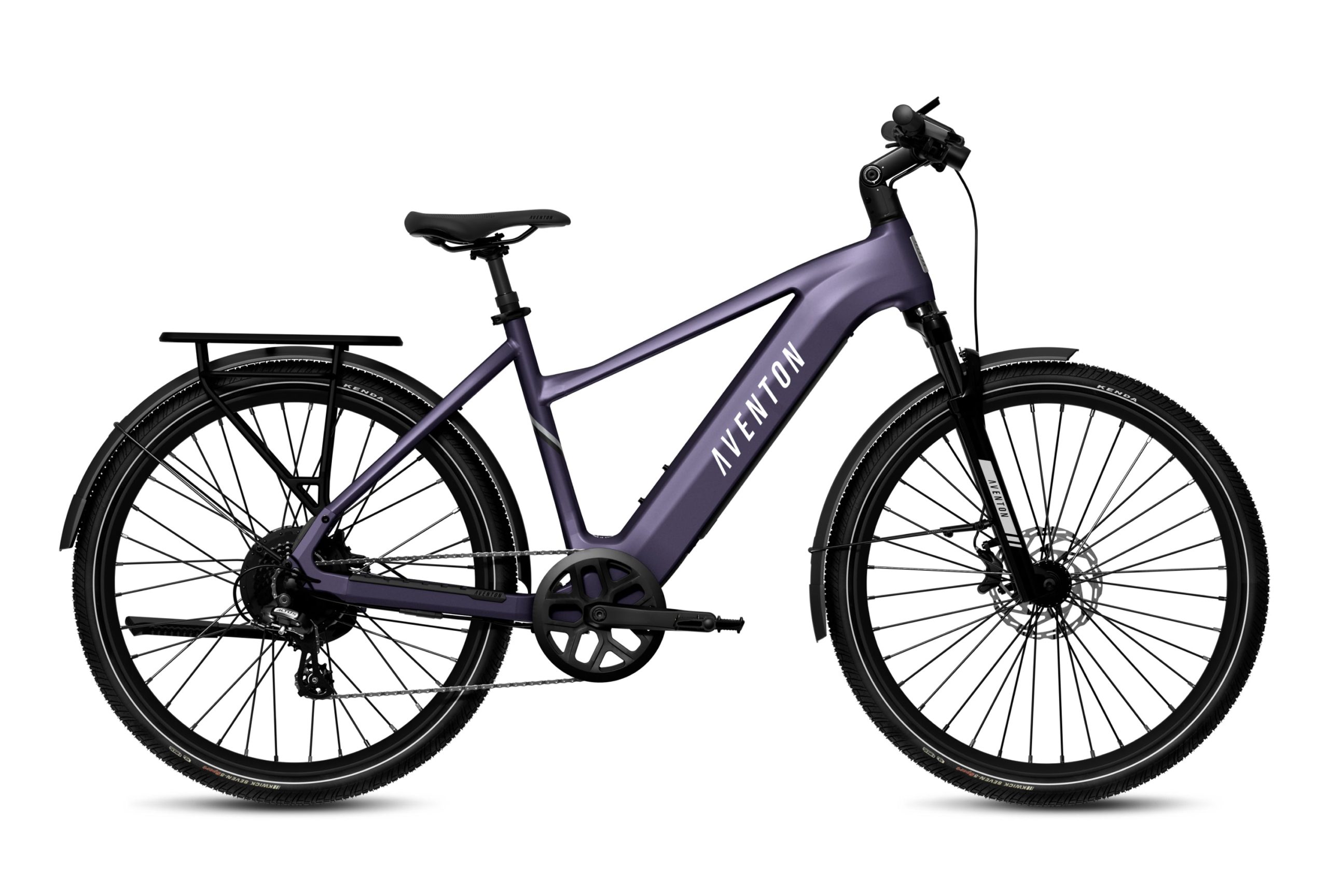 Top Pick
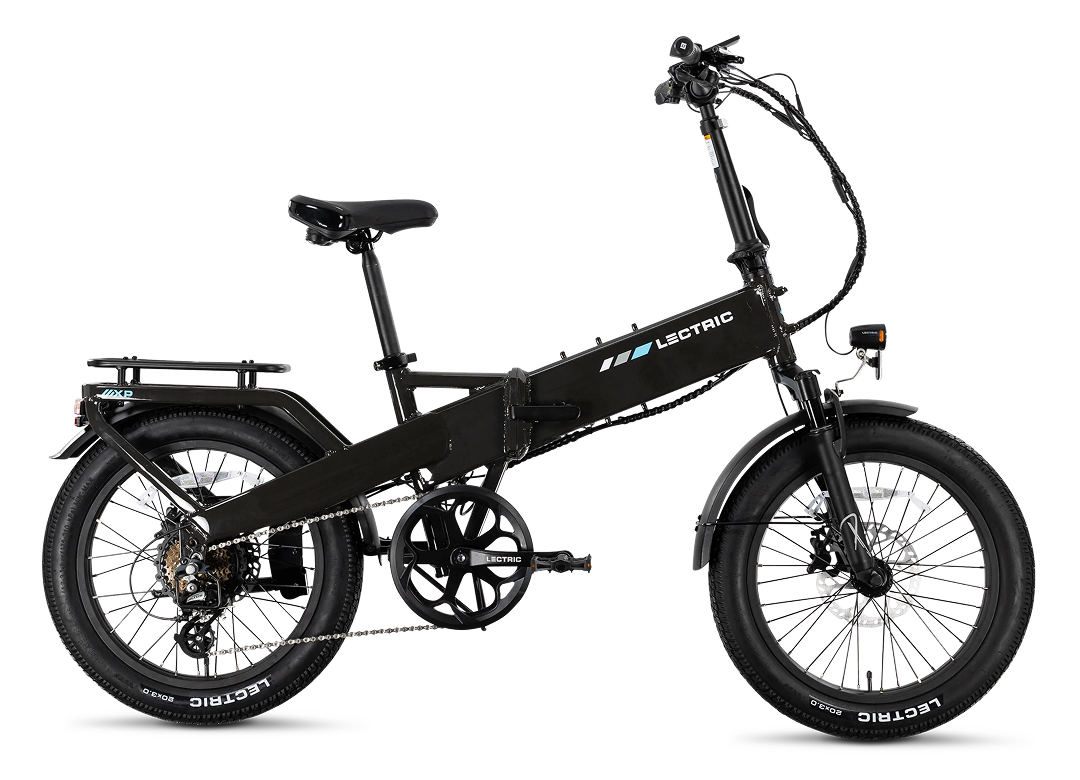 Budget Pick
 Also Great
How We Chose These Picks

Every recommendation below is grounded in published manufacturer specifications, retailer pricing current as of 2026, and consensus findings from independent reviewers at Outdoor Gear Lab, Bicycling, Electric Bike Journal, and Ebike Escape. No single reviewer can road-test every bike on this list, so we cross-referenced owner feedback, lab ratings, and spec sheets to surface honest strengths and real tradeoffs. Prices reflect current US market listings and may shift with inventory.
Quick Picks by Budget
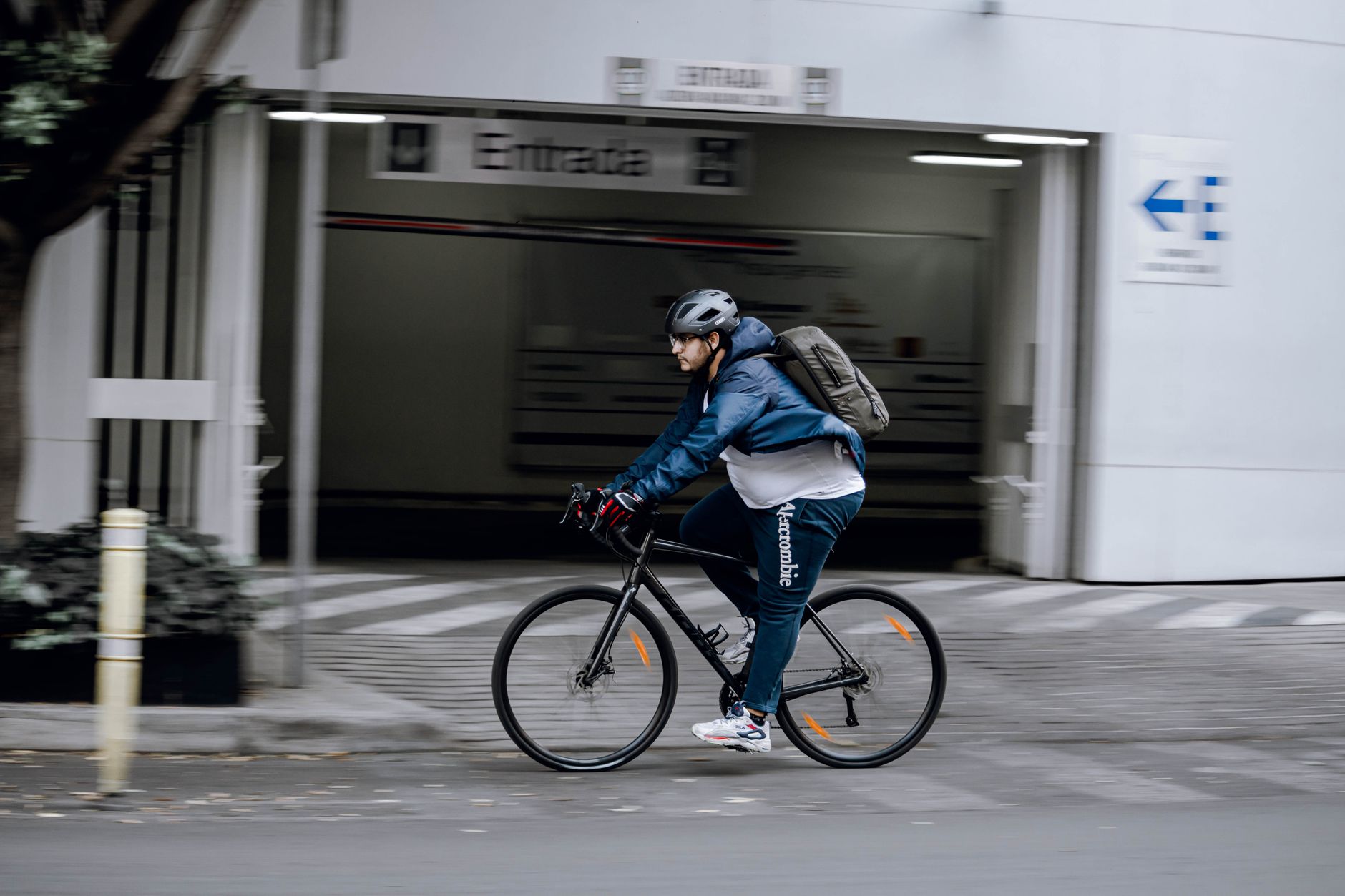
- Best Overall: Aventon Level 3 — $1,699–$2,299
- Best Value: Lectric XPress 750 — $1,199–$1,399
- Best Folding / Ultra-Light: Engwe P20 — $1,299–$1,499
- Best Comfort / Cargo: Aventon Abound SR/LR — $1,799–$1,999
- Best Long-Range / Utility: Ride1Up Vorsa — $1,595–$1,795
- Best Step-Thru: Engwe L20 3.0 Boost — $1,499–$1,699
- Best High-End / Tech: Trek FX+ 7S — $3,499–$3,999
Best Overall: Aventon Level 3 (and Level 4 REC)
The Aventon Level 3 earns the top spot because it threads the needle between price, ride quality, and smart features better than any other commuter in its range. At $1,699–$2,299, it ships with a torque sensor — the detail that separates it from most bikes at this price. A torque sensor reads the actual force you apply to the pedals rather than simply detecting rotation, which produces smoother, more proportional power delivery on hills and in stop-and-go traffic. Outdoor Gear Lab and Bicycling both rated it among the year’s standout commuters, and owner consensus echoes that: reviewers consistently praise the “natural” feel on inclines where older cadence-sensor bikes can feel jerky.
The Level 3 also supports Aventon’s connected app with GPS tracking, ride analytics, and remote locking — features that were premium-tier surprises two years ago but now feel like table stakes on a daily commuter. Genuine tradeoff: Some owners report intermittent Bluetooth syncing failures and occasional app bugs that block access to ride data. It’s not a dealbreaker, but if seamless connectivity is critical to you, factor in that the software experience isn’t always as polished as the hardware. See our broader roundup at best electric bikes for context on where Aventon sits against the full market.
Best Value: Lectric XPress 750
At $1,199–$1,399, the Lectric XPress 750 delivers a specification sheet that would have cost $500–$700 more just two years ago. Front suspension and hydraulic disc brakes at this price point are genuinely notable — hydraulic brakes provide meaningfully superior stopping power in wet city conditions compared to mechanical disc brakes, and front suspension absorbs urban potholes that would otherwise telegraph straight into your wrists. Ebike Escape named it among the top ten commuter e-bikes heading into 2026.
Genuine tradeoff: The XPress 750 uses a cadence sensor rather than a torque sensor, so power delivery is less nuanced than on the Aventon Level 3. Riders transitioning from premium bikes may notice the difference on steep grades. The bike also runs a hub motor, which is simpler and cheaper to service but won’t match the hill-climbing efficiency of a mid-drive system. For flat-to-moderate commutes where budget is the deciding factor, it’s hard to beat.
Best Folding / Ultra-Light: Engwe P20
Weighing in at approximately 18.5 kg (roughly 41 lbs), the Engwe P20 is the most portable full-featured commuter on this list. Its fold makes it viable for multi-modal commutes — subway, train, or car trunk — where a standard-frame e-bike simply isn’t an option. Owners consistently praise its ability to bridge the last mile without requiring a dedicated bike rack or storage room. Priced at $1,299–$1,499, it occupies a sensible niche for city riders who can’t store a full-size bike indoors.
Genuine tradeoff: Folding bikes involve mechanical compromise. Smaller wheels affect stability at higher speeds, and the folding hinge adds a point of potential wear. The P20 is not the bike for riders who prioritize top-end performance or long-distance range over portability.
Best Comfort / Cargo: Aventon Abound SR/LR
The Aventon Abound SR and LR (priced $1,799–$1,999) are built for commuters who also carry things — groceries, a laptop bag, a child seat. Dual suspension and a plush saddle earn consistent owner praise, particularly from riders who have experienced lower-back issues with rigid-frame bikes. Electric Bike Journal reviewed the Abound LR favorably as a utility-focused commuter. If your route includes rougher pavement or you regularly carry cargo, the Abound’s design philosophy aligns directly with real commuting demands. cargo e-bikes covers this category in more depth if utility is your primary need.
Best Long-Range / Utility: Ride1Up Vorsa
Reviewers and the brand itself describe the Ride1Up Vorsa as a “Swiss Army Knife” utility bike, and the description fits. At $1,595–$1,795, it targets commuters who want a robust, adaptable platform rather than a narrowly optimized machine. Its frame is built for accessories and racks, and its range figures make it a credible option for longer commutes where battery anxiety is a real concern. Genuine tradeoff: Utility and robustness come with weight. Heavier builds across this category draw the most consistent owner complaint: they are difficult to lift into a car trunk or carry up multiple flights of stairs.
Best High-End / Tech: Trek FX+ 7S
At $3,499–$3,999, the Trek FX+ 7S is priced for serious daily commuters who want a bike that functions as close to zero-maintenance as currently possible. Its mid-drive motor, Pinion internal gearbox, and belt drive eliminate the chain lubrication, gear-cable stretching, and drivetrain noise that frustrate chain-drive commuters over time. Mid-drive motors are also more efficient on hilly terrain than hub motors because they work through the bike’s gearing system. For a rider who commutes five days a week and wants to minimize mechanical fuss over years of ownership, the long-term value case is real — but the upfront investment is significant. Check mid-drive e-bikes for a full breakdown of the mid-drive vs. hub motor tradeoff.
What Specs Actually Matter for Commuting
- Torque sensor vs. cadence sensor: Torque sensors (Aventon Level 3) deliver smoother power. Cadence sensors (most budget models) are functional but less refined on hills.
- Battery capacity: 400–500Wh typically yields 35–45 real-world miles. Manufacturer range claims often exceed what riders report in stop-and-go city conditions — budget buyers should expect the lower end of claimed figures.
- Hydraulic disc brakes: Strongly preferred for wet conditions and heavier loads. Mechanical disc brakes work but require more frequent adjustment.
- UL 2271 battery compliance: As of 2025, this standard is a baseline safety expectation. Leading brands — Aventon, Lectric, Ride1Up, Engwe — now market UL 2271 compliance explicitly. Prioritize it.
- Weight: Under 50 lbs matters if you carry the bike indoors or onto transit. Fat-tire and cargo models routinely exceed 60 lbs.
- Class 3 vs. Class 2: Class 3 tops out at 28 mph; Class 2 at 20 mph. Many current models allow software-level speed limiting to comply with local regulations.
Our Evidence-Based Recommendation
For most urban commuters in 2025–2026, the Aventon Level 3 is the most defensible single recommendation. The torque sensor, smart connectivity, hydraulic brakes, and strong independent review consensus position it as the bike that delivers the most commuter-relevant value for its price. Budget-constrained buyers should look seriously at the Lectric XPress 750, which sacrifices sensor refinement but not safety hardware. Riders who depend on transit connections should prioritize the Engwe P20 for its portability. And commuters who will ride daily for years and want to minimize maintenance costs have a legitimate case for investing in the Trek FX+ 7S — if the upfront price fits the budget.
Whatever category fits your needs, insist on UL 2271 battery compliance, hydraulic brakes if your route includes wet conditions, and realistic range expectations based on your actual terrain and load.
Sources
- Engwe — Best Commuter E-Bike Picks
- Urtopia — Best Electric Bikes for Commuting
- Ebike Escape — Best Commuter E-Bike
- Outdoor Gear Lab — Best Electric Bike
- Electric Bike Journal — Top Electric Bikes of 2025
- YouTube — Ride1Up Vorsa Review
- Electric Bike Report — Best Electric Bikes
- Bicycling — Best Electric Bikes
Disclosure: This article was produced with AI-assisted research and editorial curation. VoltVentureLab.com may earn a commission on purchases made through affiliate links at no additional cost to you.