
Proper e-bike maintenance is essential for extending your bike’s lifespan and ensuring consistent, reliable performance. This guide provides practical information designed to help owners keep their e-bikes running smoothly, preventing common issues and costly repairs. It covers routine checks, component care, and troubleshooting advice to maintain your e-bike effectively throughout 2026 and beyond.
Why Maintenance Is the Most Underrated E-Bike Investment
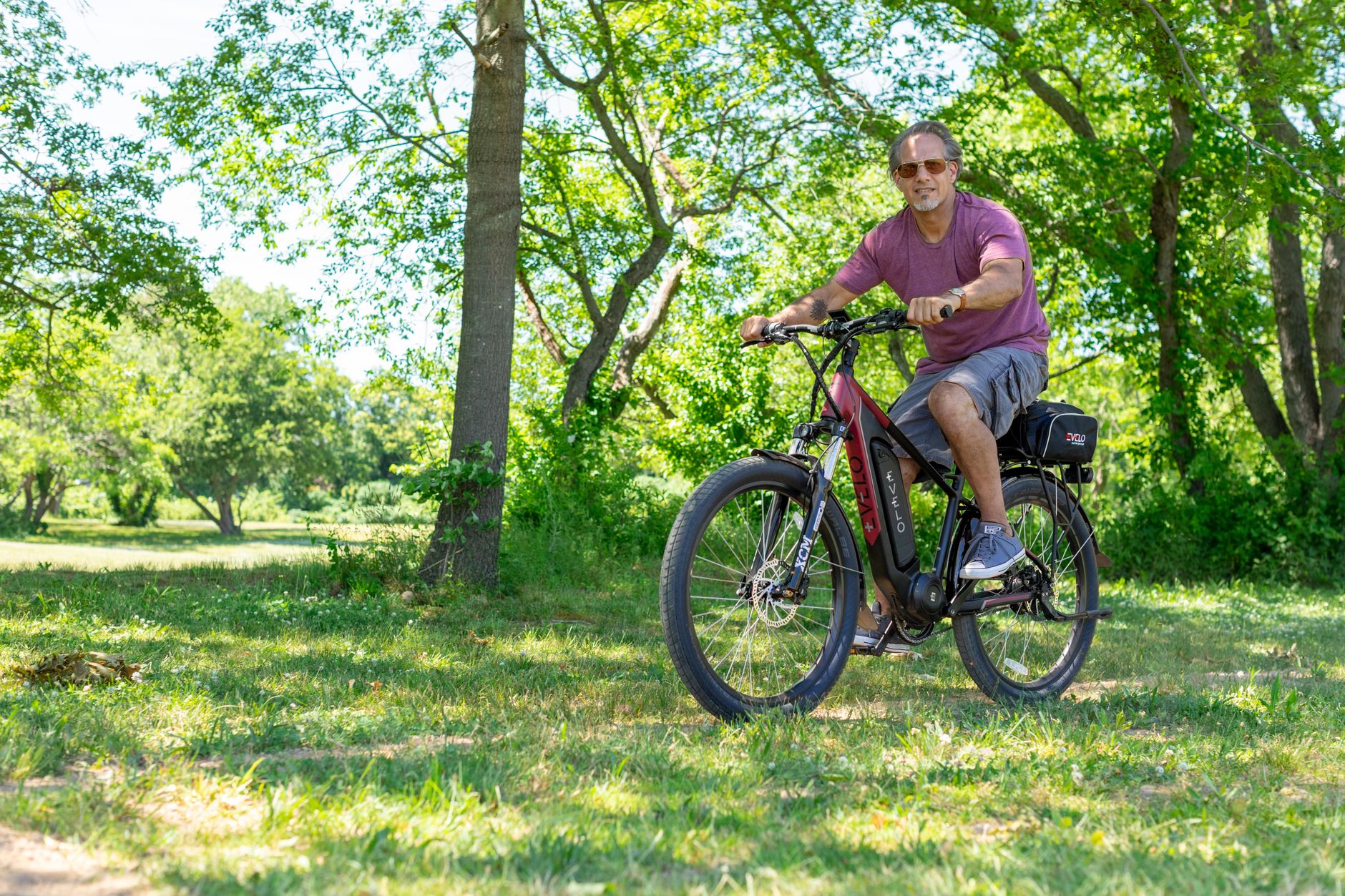
An e-bike is a significant purchase — typically anywhere from $900 to $2,200+ in the current US market — and the difference between one that lasts five years and one that disappoints after eighteen months almost always comes down to how consistently it’s maintained. This guide synthesizes 2025 maintenance standards published directly by leading e-bike brands and manufacturers, giving you an honest, actionable framework whether you already own an e-bike or are evaluating which one to buy next. For model-specific recommendations, see our best electric bikes roundup.
The 5-Minute Daily Pre-Ride Check (Non-Negotiable)
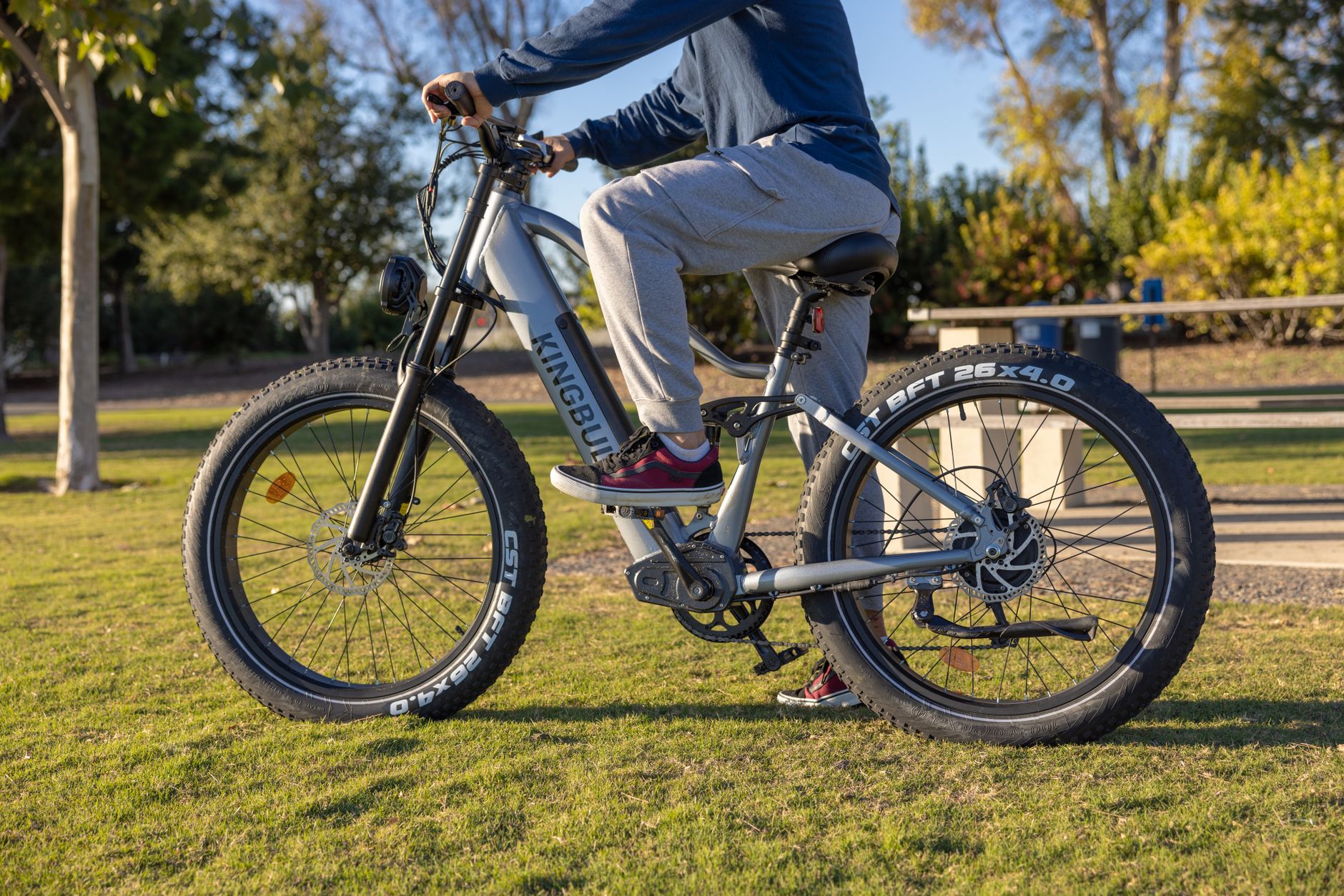
The e-bike industry has broadly standardized a short daily inspection that takes under five minutes but prevents the majority of on-road failures. According to published checklists from Heybike, Velotric, and Tamobyke, this routine should cover:
- Tire pressure: Fat tires should be inflated to 20–25 PSI; standard tires require 30–50 PSI. Riding on low pressure is one of the most commonly cited causes of reduced range and accelerated tire wear.
- Battery charge level: Confirm you have enough charge for your intended route before rolling out — not halfway through it.
- Brake response: Squeeze both levers to confirm firm, consistent engagement before every ride.
- Lights and display: Verify the display powers on correctly and that any integrated lights are functional.
This check is not optional safety theater. Maintenance guides from multiple manufacturers flag skipped daily checks as a primary contributor to mid-ride brake failures and “loose parts” incidents — including handlebars and seats shifting unexpectedly while riding.
Weekly and Monthly Maintenance: The Tasks That Actually Extend Lifespan
Beyond the daily routine, a structured weekly and monthly schedule is where real longevity is built. Published checklists from Heybike and Kingbull Bike highlight the following priorities:
- Chain cleaning and lubrication (every 100–200 miles): A dirty or dry chain is the leading cause of drivetrain wear and the grinding or clicking noises owners frequently report. Quality chain cleaners and degreasers from brands like Muc-Off or Park Tool typically cost $15–$30 and are worth every cent. Apply lubricant after cleaning and wipe off excess to avoid attracting grit.
- Bolt inspection: Check handlebars, stem, seat post, rack, and any accessories for tightness. Velotric’s maintenance checklist specifically flags loose bolts as an underappreciated accident risk.
- Brake pad wear: Inspect pad thickness monthly. Hydraulic disc brakes — preferred in 2025 guides for their consistent stopping power and lower adjustment frequency — still require pad inspection and eventual replacement.
- Wheel bearing check: Grab each wheel and check for lateral wobble or rough rotation. Worn bearings produce an unusual noise that owners often mistake for a drivetrain issue.
- Cable and connector inspection: Evelo’s maintenance documentation highlights checking electrical cables for fraying, corrosion at terminals, and secure connections, particularly after wet-weather riding.
Battery Health: The Highest-Stakes Maintenance Category
The battery is the most expensive single component on any e-bike, and the published guidance here is remarkably consistent across brands. Get these habits right from day one:
- Store at approximately 50% charge when the bike won’t be used for more than a few days. Full charges and complete discharges both accelerate cell degradation over time.
- Use only manufacturer-approved chargers. This point is stressed without exception across every source reviewed. Smart battery chargers from approved sources typically run $50–$120. Non-original chargers are a documented fire risk and void most warranties.
- Respect temperature limits. Batteries should be operated and stored within roughly 50°F–68°F (10°C–20°C) for optimal performance. Exposure to temperatures above 104°F (40°C) or below freezing can trigger Battery Management System (BMS) failures and permanent capacity loss.
- Plan for a 2–3 year replacement window. Mihogo’s published maintenance schedule standardizes this expectation: even with perfect care, battery capacity degrades over charge cycles, and budgeting for eventual replacement is part of responsible ownership.
UL-certified battery systems have become a key spec to prioritize in 2025. The industry shift toward UL certification reflects a direct response to fire incidents linked to non-certified battery packs — it is now a meaningful safety differentiator, not marketing language.
Motor and Electronics: The Annual Checks Most Owners Skip
Modern e-bikes are increasingly software-dependent, and 2025 maintenance guides from Heybike and Velotric now explicitly include firmware updates and BMS diagnostics as part of annual service. If your bike’s manufacturer offers a companion app or updatable display firmware, checking for updates once or twice a year is no longer optional — it directly affects motor efficiency and battery management accuracy.
Motor temperature monitoring is highlighted in Velotric’s checklist as a spec worth understanding on high-performance bikes. Sustained overheating — typically caused by climbing steep grades at maximum assist for extended periods — shortens motor lifespan. Allowing cool-down periods on demanding terrain is practical preventive maintenance, not excessive caution.
For owner-serviceable electronics, limit yourself to what the manufacturer explicitly supports: terminal cleaning, cable inspection, and display resets. Internal motor and BMS work should go to a qualified e-bike technician. See our e-bike repair and service guide for guidance on finding qualified service.
The Clear Winner in Maintenance Outcomes — And the Real Tradeoff
Across all published sources reviewed, the single maintenance practice with the highest documented impact on long-term performance is consistent chain care combined with correct battery storage habits. Owners who follow the 100–200 mile chain cleaning interval and the 50% storage rule report batteries lasting the full 2–3 year expected lifespan and drivetrains that remain quiet and efficient for years. The return on a $15–$30 chain cleaning kit relative to a several-hundred-dollar drivetrain replacement is not a close comparison.
The genuine tradeoff worth acknowledging: hydraulic disc brakes, which every 2025 guide recommends for their consistent stopping power, require professional bleeding when the lever feel goes soft — a task that is not owner-serviceable for most riders and adds a periodic service cost that mechanical cable brakes do not. If you ride heavily in wet or hilly conditions, the performance advantage justifies this; if you do mostly flat, dry commuting, mechanical discs are easier to self-maintain.
Evidence-Based Recommendation
For 2025–2026, prioritize e-bikes with UL-certified battery systems, hydraulic disc brakes, and firmware-updatable displays — these three specs directly reduce your long-term maintenance burden and safety risk. From day one of ownership, implement the 5-minute daily checklist, begin chain cleaning on a 100–200 mile schedule, and never charge with a non-approved charger. These habits, not the bike’s price tag alone, determine whether your investment runs perfectly for years or disappoints within months. For purchasing guidance organized by use case and budget, see our e-bike buying guide 2025.
Sources
- Vtuvia E-Bike – Complete Maintenance & Repair Tips
- Mihogo – E-Bike Maintenance Schedules
- Kingbull Bike – Complete E-Bike Maintenance Guide
- Heybike – Electric Bike Maintenance Checklist
- Velotric – Ultimate E-Bike Maintenance Checklist
- Evelo – eBike Maintenance 101
- Tamobyke – Monthly E-Bike Maintenance Checklist
Disclosure: This article was produced with AI-assisted research and editorial review. VoltVentureLab.com may earn a commission on purchases made through affiliate links at no additional cost to you.