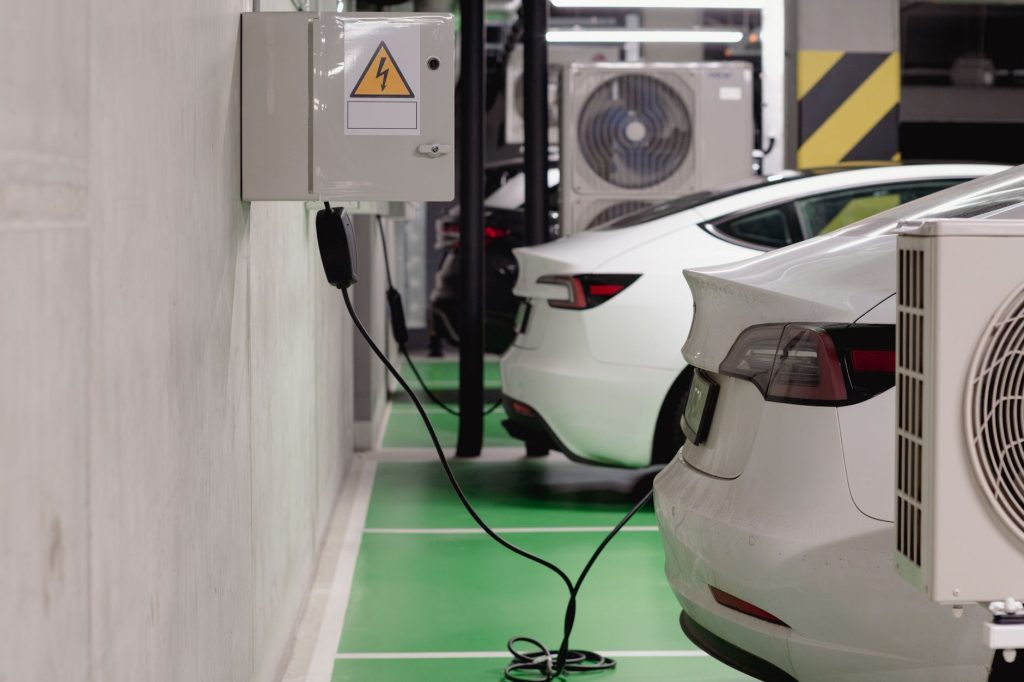
Choosing the optimal home EV charging setup is a crucial decision for any electric vehicle owner. This guide meticulously compares Level 1, Level 2, and DC Fast Charging, outlining their capabilities and practical implications for residential use. Understanding these distinctions is key to selecting the most efficient and suitable charging solution for your home in 2026.
Why Your Charging Level Choice Matters More Than Your Charger Brand
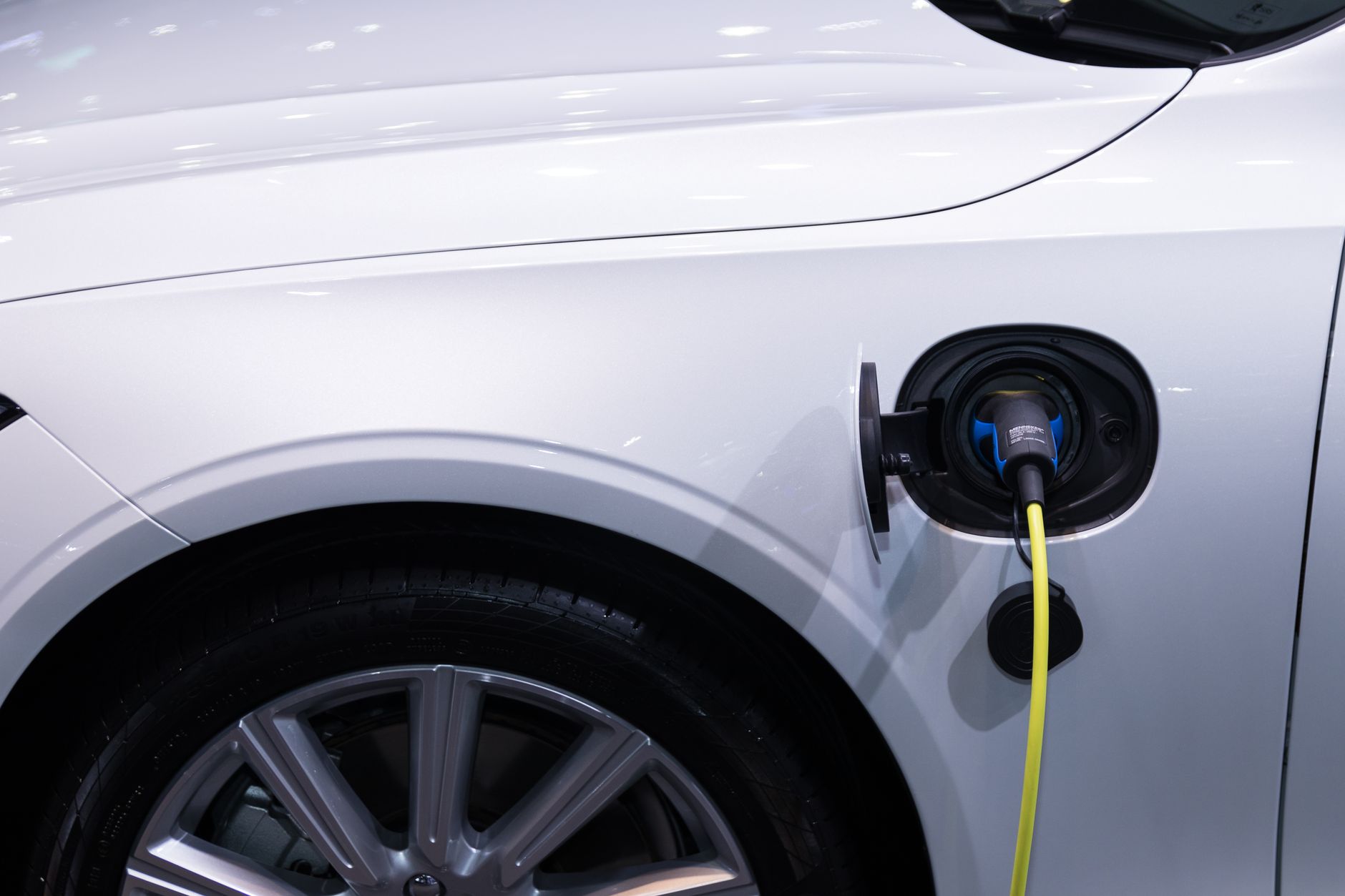
Choosing how to charge your EV at home is one of the most consequential decisions you’ll make as an electric vehicle owner — and one of the most misunderstood. Manufacturer marketing, charging network advertising, and well-meaning but outdated advice have created real confusion around three distinct charging tiers: Level 1, Level 2, and DC Fast Charging. This guide cuts through the noise using current published specs, tested product roundups, and verified installation data to give you an honest picture of what each option actually delivers in 2025 and beyond.
The short version: Level 2 is the clear winner for home use, Level 1 is a legitimate backup option for low-mileage drivers, and DC Fast Charging — despite the excitement it generates — is almost entirely a public infrastructure technology, not a home setup. Here’s why.
Level 1 Charging: The No-Install Option
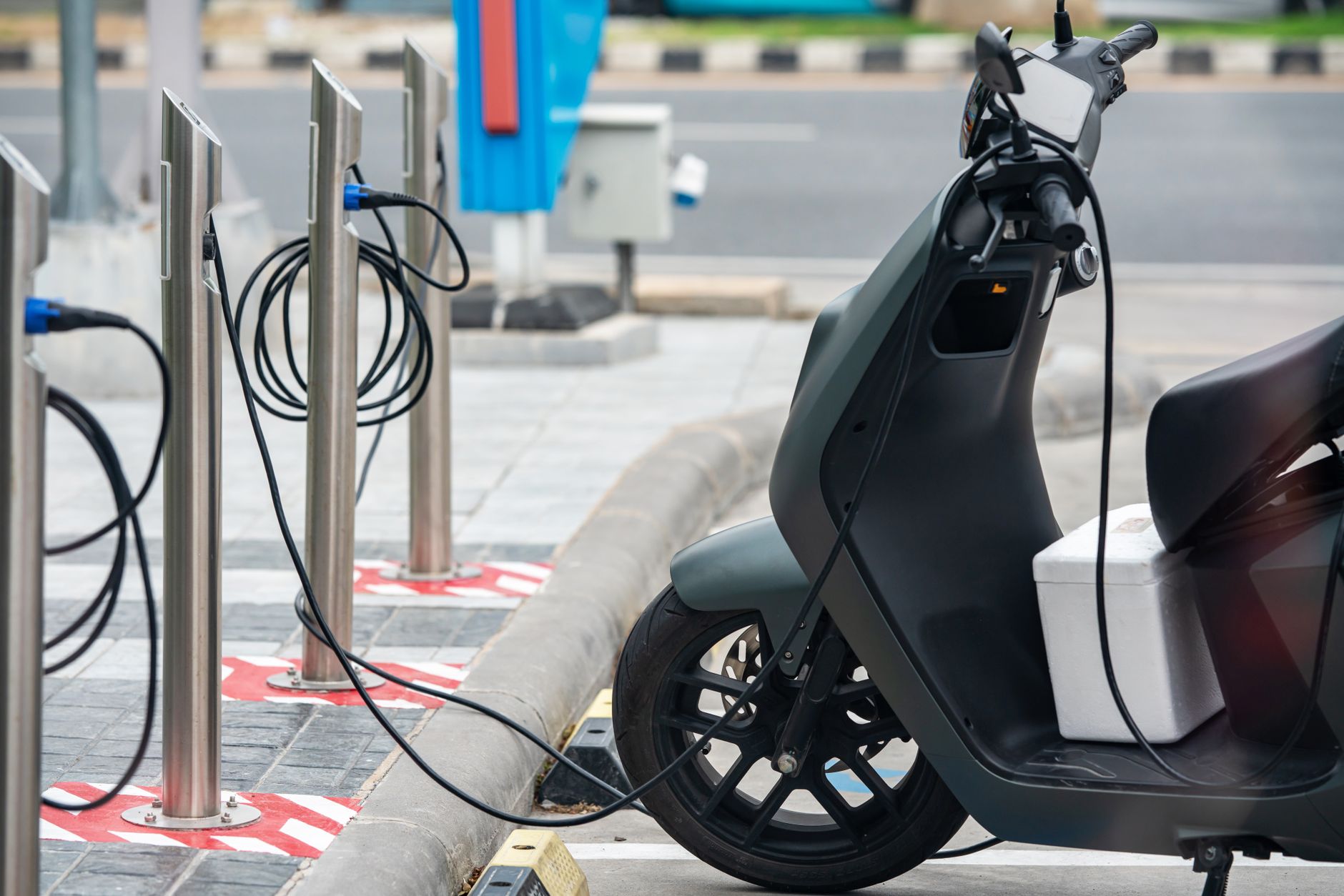
Level 1 charging uses a standard 120V AC household outlet — the same kind powering your refrigerator. Every EV sold in the US ships with a Level 1 cordset, which means zero additional equipment cost and zero installation complexity. You plug in, and charging begins.
The tradeoff is speed, and it is significant. Level 1 typically delivers roughly 2 to 7 miles of range per hour of charging, depending on the vehicle’s onboard charger and the outlet’s available current. For a driver who commutes 20–30 miles per day and charges every night, Level 1 can technically keep up. For anyone driving more than that, recovering a partially or fully depleted battery can take well over 24 hours — sometimes longer for larger battery packs. That’s not a worst-case scenario; it’s a routine limitation baked into the physics of the voltage level.
- Best for: Low-mileage drivers, renters who can’t modify wiring, or as an emergency backup charger
- Install complexity: None — standard 120V outlet required
- Speed: 2–7 miles of range per hour
- Honest flaw: Impractical for daily drivers with larger batteries or higher mileage needs
Owner consensus largely aligns with this view: Level 1 earns praise for its low cost and simplicity but consistent criticism for being too slow to serve as a primary charging solution for most households.
Level 2 Charging: The Right Answer for Most Homeowners
Level 2 charging operates on 240V AC — the same voltage tier as your dryer or electric range — and it transforms the home charging experience. Output from Level 2 home units typically ranges from roughly 3.3 kW up to 19.2 kW, with some broader market summaries citing up to 22 kW in certain contexts. In practical terms, that translates to approximately 10 to 40+ miles of range added per hour, making overnight replenishment straightforward even for longer daily commutes or larger battery packs.
This is why current 2026 buyer guides and tested product roundups — including Car and Driver’s actively maintained home charger evaluations — consistently position Level 2 as the standard home charging solution. The category is mature, competitive, and well-suited to real-world owner needs.
The Level 2 Products Worth Knowing
Several specific products appear repeatedly in verified 2026 testing roundups and manufacturer data:
- Tesla Wall Connector: A widely used hardwired Level 2 unit with a published 48-amp output and support for multiple-unit power sharing. A strong choice for Tesla owners and increasingly compatible with other vehicles through adapter ecosystems.
- ChargePoint Home Flex: Included in Car and Driver’s tested 2026 home charger recommendations. ChargePoint markets it as a flexible EVSE adaptable to different amperage settings, which can be useful if your panel or circuit has constraints.
- Emporia EV Charger: Also verified in Car and Driver’s 2026 tested list, and commonly positioned as a budget-minded hardwired Level 2 option for cost-conscious buyers.
- Grizzl-E Classic / Grizzl-E Smart: Featured in the same 2026 tested roundup and known for rugged construction — a practical pick for garages or outdoor installations in harsher climates.
On pricing: the verified research available here does not include confirmed current street prices for these specific units, and we will not fabricate numbers. What is clearly established across multiple sources is that Level 2 installations cost meaningfully more than Level 1 — primarily because they require a dedicated 240V circuit and, in most cases, professional electrical work. If your panel is near capacity or the circuit run is long, costs rise further. Factor in a permit in most jurisdictions as well.
That installation cost is the genuine flaw of Level 2, and it deserves honest acknowledgment. For some renters or owners in older homes with limited panel capacity, the upfront investment can be a real barrier. However, the long-term daily convenience and the ability to start each morning with a full charge make that investment worthwhile for the majority of EV owners who drive regularly.
If you’re also exploring solar pairing for your home charging setup, see our guide to best solar panels for home EV charging for compatible energy solutions.
DC Fast Charging: Powerful, Public, and Not for Your Garage
DC Fast Charging (sometimes called Level 3) is the technology behind the charging stations you see at highway rest stops, shopping centers, and dedicated charging networks. It delivers direct current at much higher power levels than anything available through a standard home electrical service, enabling charge speeds that can add roughly 100 to 250 miles of range in 30 to 45 minutes depending on the vehicle and station output.
The connector landscape includes CCS, CHAdeMO, GB/T, and Tesla Supercharger standards. The broader ecosystem is still converging, with Tesla-style North American charging compatibility increasingly influencing public network design.
But here’s the critical point for a home charging guide: DC Fast Charging is not a home installation option. The power requirements are designed for commercial and industrial electrical infrastructure that standard residential service cannot support. Any article or seller suggesting otherwise is either confused or misleading you.
- Best for: Long-distance travel, road trips, and situations where rapid mid-day top-offs are needed
- Install complexity: Not applicable for home use — commercial/industrial infrastructure required
- Speed: Approximately 100–250 miles in 30–45 minutes (varies by vehicle and station)
- Honest flaw: Typically more expensive per mile than home charging, and entirely impractical as a residential setup
DC Fast Charging earns well-deserved praise for enabling long road trips without multi-hour stops. Its limitations at home are simply a function of physics and infrastructure, not product quality.
For related gear that pairs well with an EV lifestyle, browse our roundup of best EV accessories and gear or explore best electric bikes for short commutes if you’re looking to reduce car dependency on shorter trips.
The Bottom Line: An Evidence-Based Recommendation
For the overwhelming majority of EV owners in 2025 and beyond, Level 2 home charging is the right investment. It provides the speed needed to reliably replenish daily driving miles overnight, it’s supported by a competitive and well-tested product market, and it represents the consensus recommendation across independent automotive reviewers and charging industry sources alike.
If your budget or living situation genuinely prevents a Level 2 installation, Level 1 is a legitimate starting point — not a long-term solution for most drivers, but a workable one for low-mileage use or a temporary gap. DC Fast Charging belongs in your road-trip toolkit, not your garage planning.
When choosing a specific Level 2 unit, prioritize matching the charger’s amperage to both your vehicle’s onboard charger capacity and your home circuit, confirm local permit requirements before installation, and get quotes from licensed electricians who have done EV charger work before. The hardware choice matters less than getting the installation right.
Sources
- Power Sonic — The Ultimate Guide to DC Fast Charging
- Green Marbles — Level 1, Level 2, Level 3 EV Chargers
- Blink Charging — Level 2 Charging vs DC Fast Charging Explained
- Car and Driver — EV Charging Levels Explained
- Mirsky Electric — EV Charger Comparison
- Penoda Power — EV Charging Levels Guide
- NeoCharge — Complete Breakdown of the Three Levels of Electric Car Charging
- AAA EV — Types of EV Chargers
Disclosure: This article was produced with AI-assisted research and editorial review. VoltVentureLab.com may earn a commission from affiliate links included in this content.