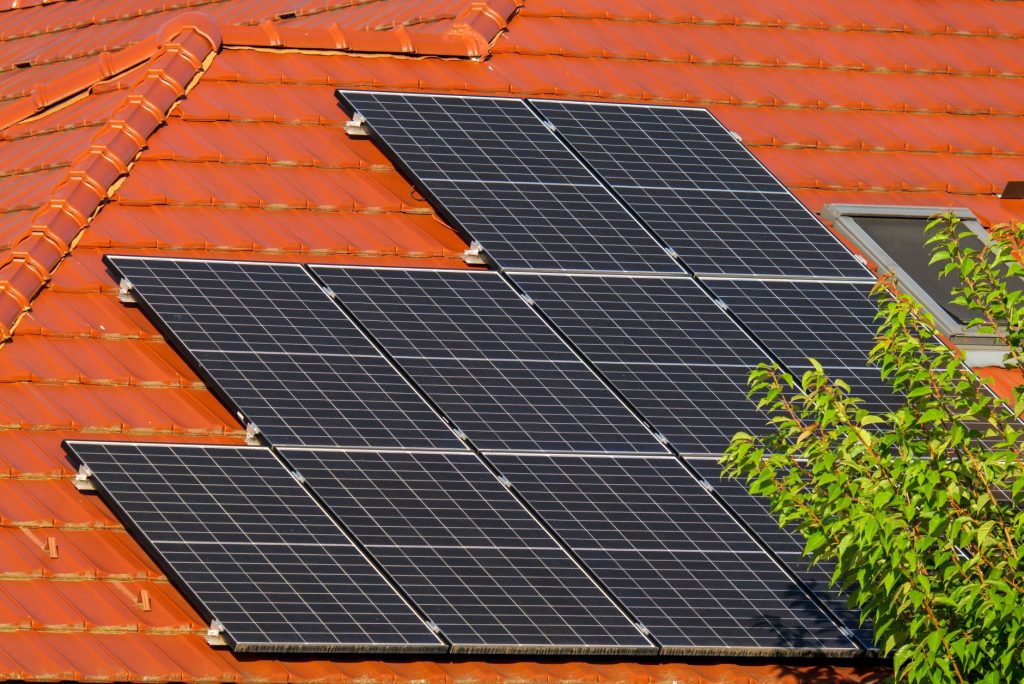
Securing reliable off-grid power is a cornerstone of maximizing freedom and comfort in RV and van life. With numerous options on the market, choosing the most effective solar panels requires understanding key factors like efficiency, durability, and power output. This guide offers a carefully considered selection of the top 10 solar panels best suited for your travels in 2026.
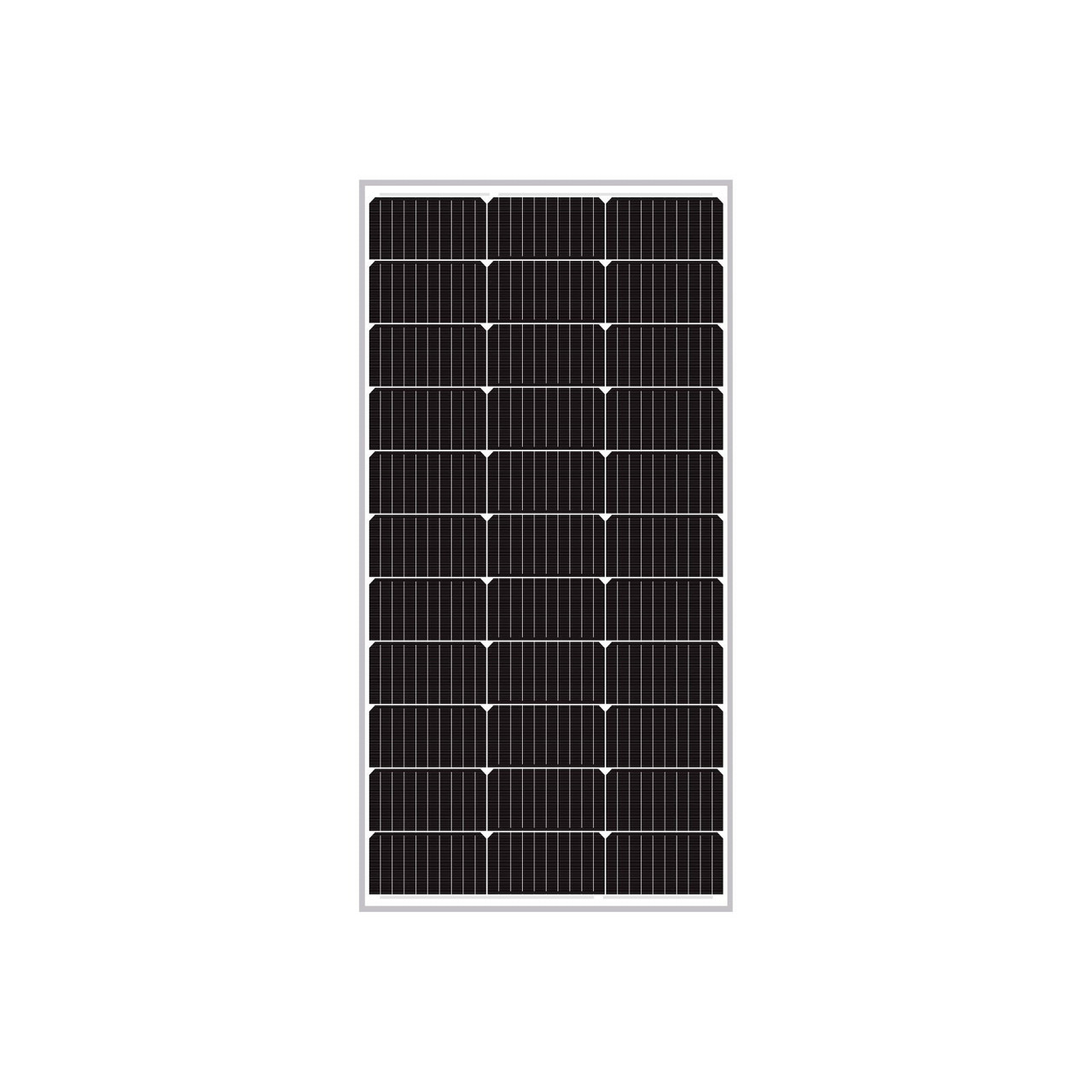 Best Value
Why Solar Matters More Than Ever for RV and Van Life in 2025

The RV and van-life solar market has matured significantly. According to a 2026 portable-panel roundup, the best panels now reach up to 25% efficiency — a meaningful jump from the roughly 18% efficiency that was considered competitive just a few years ago. At the same time, smart MPPT charge optimization has become more accessible, with published guidance suggesting it can improve charging speed by up to 30% under partial shade conditions. Whether you’re a weekend warrior or a full-time nomad, getting your solar selection right directly determines how long you can stay off-grid without hunting for a hookup. This guide draws on manufacturer specs, published buying guides, and expert installation advice to give you an honest look at the ten panels worth considering in 2025.
How to Choose the Right Panel Type
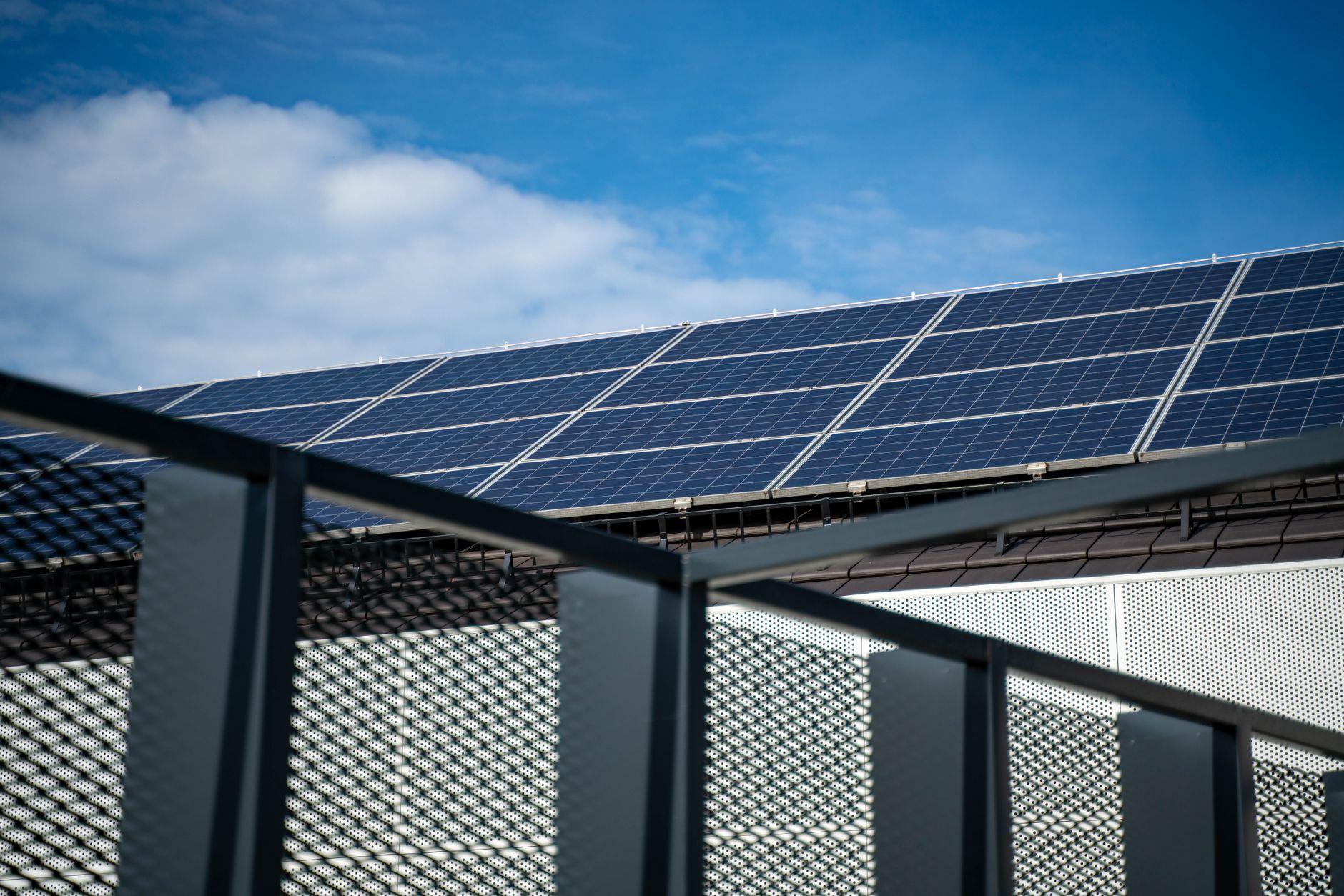
Before jumping to specific products, it helps to understand the three core panel categories, because the right type depends on your rig and lifestyle more than any single spec number.
- Rigid monocrystalline panels are the go-to for permanent rooftop installation. Published guides consistently describe them as offering the best long-term output and rooftop durability. The tradeoff is that they are bulky and not portable.
- Flexible ETFE mono panels sit nearly flat against a roof, making them ideal for stealth van builds where a low profile matters. They are lightweight, but experts warn about a shorter lifespan compared to rigid panels, and they are vulnerable to sharp bends and heat buildup on hot metal roofs.
- Foldable/portable panels fold down for storage and connect easily to a portable power station. They are the simplest setup for occasional use, but buying guides note they typically deliver a lower watt-per-dollar value than fixed rooftop alternatives.
For a practical power budget: if you plan to run a 12V fridge and charge laptops during a week-long boondocking trip, published guidance recommends 400–800W of total panel capacity paired with a 1,500–3,000Wh battery or power station. A single 200W panel is a reasonable starting point but will likely require supplementation for full-time use.
The Top 10 Solar Panels for RV and Van Life
1. Renogy 200W Rigid Monocrystalline — Best Overall Rooftop Panel
Consistently recommended for full-time RVs, the Renogy 200W rigid panel earns its reputation through documented rooftop durability and efficient output. The Renogy 200W 12V Solar Panel Starter Kit is priced in the $320–$400 range based on a 2026 camper-van buying guide — one of the few verified price data points in currently published sources. The main genuine tradeoff: it stays on the roof. If you need to reposition for shade-chasing or pack it away, this panel is the wrong tool.
2. Jackery SolarSaga 200W — Best Portable All-Rounder
Recommended by multiple guides for van life and boondocking, the SolarSaga 200W folds flat for easy stowage and pairs cleanly with Jackery’s own power stations. It is the clearest choice if portability is your priority. The honest caveat: foldable panels generally cost more per watt than equivalent rigid panels, so you are paying partly for convenience.
3. Jackery SolarSaga 200W Plus
A step up from the standard SolarSaga, this model appears in a 2026 portable-panel roundup as a notable option. Specific efficiency figures beyond the category-wide “up to 25%” benchmark were not confirmed in available sources, so prospective buyers should verify current specs directly with Jackery before purchasing.
4. Bluetti PV200 — Best Connector Compatibility
The PV200 is called out specifically for its wide connector support, which matters if you are mixing and matching with existing gear or planning to upgrade your power station later. Like other portable panels in this class, it delivers solid output but carries the per-watt cost premium typical of the foldable category.
5. Bluetti PV350 — Best for Portable High-Power Use
For users who want serious portable capacity without a permanent roof installation, the PV350 offers one of the higher wattage outputs in the foldable segment and appears in 2026 portable-panel recommendations alongside the EcoFlow bifacial option. Price was not confirmed in the available research, so check current retail before committing.
6. EcoFlow 220W Bifacial Portable Solar Panel
Bifacial panels can capture reflected light on their rear surface, which can improve real-world output compared to standard single-face designs — particularly useful when panels are propped at an angle on light-colored ground or a white van roof. EcoFlow’s 220W bifacial appears in 2026 roundups as a strong portable option for campers who want efficiency gains without a fixed installation.
7. Anker 625 Solar Panel — Highest Published Efficiency Signal
Anker publishes a 23% maximum efficiency rating for the 625, which is among the higher confirmed figures in the available research. For RV rooftops where panel real estate is limited, efficiency per square foot matters, and the 625 performs well on that metric. Verified owner-review negatives were not available in current sources, so check recent user feedback independently.
8. Anker SOLIX 200W Solar Panel
Anker describes the SOLIX 200W as offering 1.5× higher energy conversion compared to a baseline, and buying guides flag it as a strong RV-use option. As with the 625, specific pricing was not confirmed in the research used for this article — budget-conscious shoppers should compare current listings before buying. best solar generators for van life
9. Renogy 200W Eclipse
The Eclipse variant of Renogy’s popular 200W line appears in 2026 portable-panel roundups and carries the brand’s established reputation for quality control. It represents a practical middle-ground option for RVers who want Renogy reliability in a more portable form factor than the standard rigid panel.
10. Flexible 100–200W ETFE Mono Panels — Best for Stealth Builds
This is a category recommendation rather than a single model, because multiple manufacturers produce competent ETFE flexible panels in the 100–200W range. Published van-life guides specifically recommend this class for stealth builds due to its low profile and light weight. The documented downsides are real: shorter expected lifespan than rigid alternatives and susceptibility to damage from sharp bends or excessive heat on dark metal roofs. If aesthetics and weight matter most, they are worth considering; if longevity is the priority, rigid panels win. best electric bikes for van life adventurers
Installation: What the Experts Actually Recommend
For van roof-mount installations specifically, published guidance recommends a dual approach: VHB tape combined with mechanical fasteners for panel mounting, and sealing any roof penetrations with urethane lap sealant. This combination addresses both adhesion failure over time and water intrusion — two of the most common points of failure in DIY van solar builds. Flexible panels that are adhered without mechanical fasteners are particularly at risk over years of thermal expansion and highway vibration. best RV accessories for off-grid living
The Bottom Line: Our Evidence-Based Recommendation
For most full-time RVers, the Renogy 200W Rigid Monocrystalline remains the clearest recommendation: it has consistent published support for durability and output, a verified price range of $320–$400 for the starter kit, and a strong track record in the community. Its genuine flaw is inflexibility — literally. It cannot be repositioned for shade or packed away at a campsite.
If portability is your primary need, the Jackery SolarSaga 200W is the most broadly recommended foldable option across multiple independent sources. If you want the highest confirmed efficiency figure in the available data, the Anker 625 at 23% maximum efficiency deserves a close look, especially for space-constrained rooftops. And if you are building a low-profile stealth van, the flexible ETFE category is your starting point — just go in with realistic expectations about lifespan.
Before purchasing any panel, verify current pricing directly with the retailer. The solar market moves quickly, and the efficiency benchmarks that were impressive in 2023 are now the floor, not the ceiling.
Sources
- Anker SOLIX — Best Solar Panels for RV
- SunVolt Living — Best Solar Panels for RV & Van Life in 2025
- Nedes.us — Best Portable Solar Panels for Camping & RVs
- RV Gear Go — Camper Van Solar Kit Guide
- CamperPals — Best Solar Panel for Campervan
- US Solar Shop — RV Solar Panels
Disclosure: This article was produced with AI-assisted research and may contain affiliate links. VoltVentureLab may earn a commission on qualifying purchases at no additional cost to you.