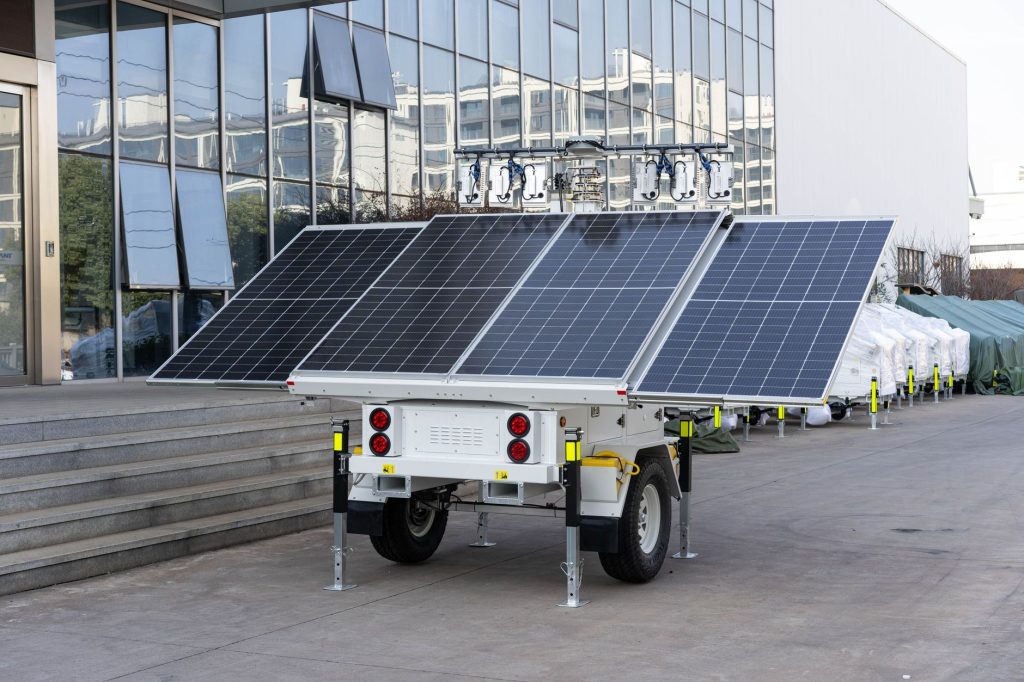
Choosing a reliable generator for backup power or off-grid needs can be a complex decision, especially with evolving technology. This guide thoroughly compares solar generators and traditional gas generators, evaluating their performance, costs, and environmental impact for the year 2026. Understanding these key differences will help you determine which power solution best suits your specific requirements.
 Premium Pick
The Short Answer: Solar Wins for Most People, But Gas Still Has a Real Role
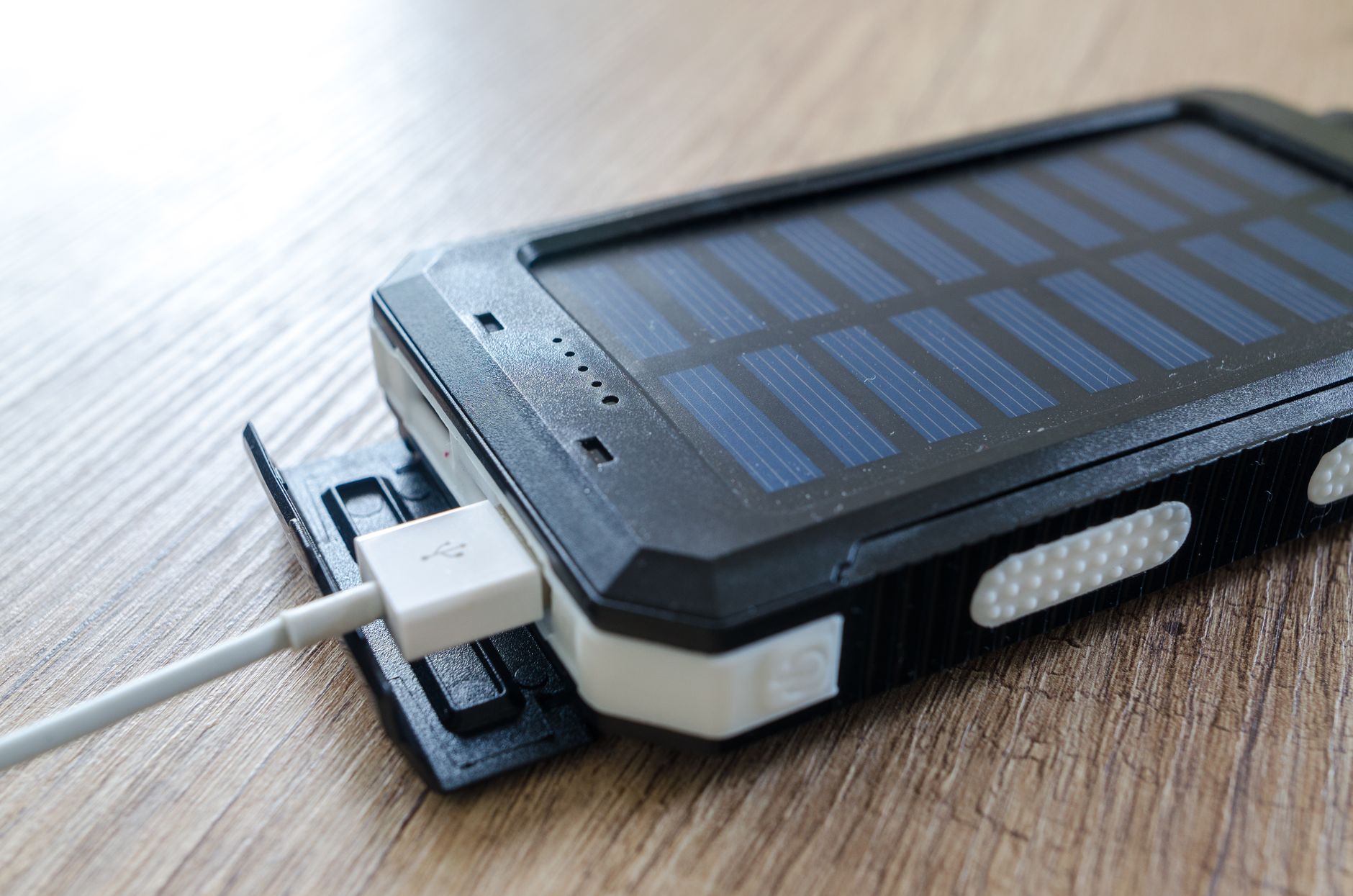
For the majority of homeowners, campers, and RV travelers shopping in 2025, a solar generator is the stronger default choice. It runs quietly, produces no on-site exhaust, and costs far less to operate over time. That said, gas generators remain genuinely competitive on upfront affordability and refueling convenience during long outages — and dismissing them entirely would be dishonest. The right answer depends on your specific use case, and this guide will walk you through the evidence.
What You’re Actually Comparing

A solar generator — more precisely called a portable power station paired with solar panels — stores electricity in a battery and delivers it through an inverter. There is no combustion at the point of use. A gas generator burns gasoline (or propane, in dual-fuel models) to spin a motor and produce AC power on demand. These are fundamentally different technologies with different cost structures, maintenance profiles, and risk factors.
Current Price Ranges (U.S. Market, 2025)
Based on manufacturer and retailer data reviewed for this guide, current U.S. price ranges break down roughly as follows:
- Portable solar generators / power stations: approximately $1,000–$5,000 for consumer portable units. Smaller entry-level options exist below this range for light-duty camping use.
- Portable gas generators: approximately $500–$3,000, depending on output and brand.
- Residential solar generator setups (whole-home or large backup systems with panels and storage): approximately $17,000–$24,000 before incentives. The federal 30% Investment Tax Credit can meaningfully reduce this cost for eligible buyers.
The upfront price gap is real: for the same dollar amount, a gas generator typically delivers more raw wattage than a solar power station. That is a legitimate advantage and not one to minimize.
Key Specs That Actually Matter
When comparing specific models, these are the specifications worth scrutinizing:
- Continuous AC output (watts): This determines which appliances the unit can run simultaneously. A unit rated at 2,000W continuous can handle a refrigerator and some lighting; a 500W unit cannot.
- Battery capacity (Wh) for solar units: This sets your runtime. A 1,000Wh battery powering a 100W load gives roughly 8–10 hours of use, accounting for inverter losses.
- Recharge input rate: How fast a solar generator recharges — via AC wall power or solar panels — is critically important for outage preparedness. Some higher-end units support fast AC charging and high solar input simultaneously, which substantially changes their real-world usefulness.
- Fuel and refill flexibility: Gas generators can be refueled repeatedly as long as fuel is available, making them strong performers during extended grid-down events. Solar generators depend on sunlight or a charged grid — a vulnerability during prolonged storms or cloudy winters.
- Noise output: Solar generators operate silently or near-silently. Gas generators are noisy by nature and are unsuitable for indoor use, occupied campsites, or noise-sensitive environments.
- Emissions and indoor safety: Solar generators produce no carbon monoxide at the point of use and can be operated indoors or in enclosed spaces safely. Gas generators cannot — CO poisoning is a documented, serious risk with indoor use.
- Maintenance requirements: Gas generators require regular oil changes, air filter replacement, fuel stabilizer for storage, and general mechanical upkeep. Solar generators have no combustion engine and require minimal maintenance over their lifespan.
- Battery chemistry: Current industry consensus favors LiFePO4 (lithium iron phosphate) chemistry for solar generators due to its superior thermal stability, longer cycle life, and improved safety profile compared to older lithium-ion formulations. This is worth confirming when evaluating specific models. best solar panel kits for home backup
What Owners and Reviewers Actually Say
Across owner reviews, forum discussions, and independent comparison sources, a consistent pattern emerges:
Solar generator owners praise:
- Silent operation — repeatedly cited as the single biggest quality-of-life advantage
- No fuel purchasing or storage required
- Safe for use in tents, garages, and indoor backup scenarios
- Low ongoing maintenance and fewer mechanical failure points
Solar generator complaints:
- Higher purchase price than comparable-wattage gas units
- Dependence on sunlight or grid precharging — sustained bad weather is a genuine vulnerability
- Lower power density per dollar for heavy surge loads, such as power tools or large appliances
Gas generator owners praise:
- Lower upfront cost — more watts per dollar at purchase
- Reliable performance during extended outages where refueling is accessible
- Proven, simple technology with wide repair availability
Gas generator complaints:
- Fuel costs accumulate significantly over time
- Noise and exhaust fumes limit where and how they can be used
- Carbon monoxide risk with any enclosed or semi-enclosed use
- Ongoing maintenance demands that solar units simply do not share
The Payback Question
The higher upfront cost of solar generators is real, but so is the long-term math. Operating cost analysis suggests a payback window of roughly 3–5 years compared to equivalent gas generator use, accounting for fuel savings and lower maintenance costs. For buyers who plan to use a generator regularly — for camping, RV travel, or frequent power outages — this gap closes meaningfully over time. For buyers who need emergency backup only a handful of times per year, the calculation is less clear-cut and worth thinking through honestly. best portable power stations for camping
For residential solar installations, the federal 30% Investment Tax Credit remains available as of this writing and can significantly change the net cost equation for larger setups. Consult a licensed installer for current eligibility requirements in your state.
2025 Technology and Market Trends Worth Knowing
The solar generator market has matured considerably. LiFePO4 battery chemistry has become the expected standard in quality portable power stations, replacing older lithium-ion formulations. Inverter efficiency and solar input capacity have improved, making modern solar generators meaningfully more capable than units available just a few years ago. Multiple comparison sources note that the capability-per-dollar ratio for solar generators continues to improve year over year, which is worth factoring into a purchase decision made for multi-year use. EV charging equipment guide
The Verdict: Solar First, Gas as Backup When Needed
For most buyers — campers, RV users, homeowners planning for grid outages, and anyone prioritizing safety and quiet operation — a solar generator is the better primary choice in 2025. The operating cost advantage is real, the safety profile is genuinely superior, and the technology has reached a level of maturity that makes it a credible workhorse rather than a novelty.
The honest tradeoff: if you live in a region prone to multi-day outages, experience extended cloudy winters, or need high wattage on a tight budget, a gas generator either as a primary or backup unit is a reasonable and defensible choice. Several independent sources explicitly recommend a hybrid approach — solar as the primary unit, gas as a supplemental backup for extended events — and that pairing deserves serious consideration for anyone in high-outage-risk areas.
Do not let anyone oversell either option. Solar generators are not perfect in every scenario, and gas generators are not obsolete. Match the technology to your actual use case, check confirmed current specs before purchasing, and verify tax credit eligibility with a qualified professional.
Sources
- SolarTechOnline — What Is a Solar Generator: Complete Guide
- Jackery — Solar Generator vs. Gas Generator Cost Comparison
- EcoFlow — Solar vs. Gas Generator for Camping
- Off Grid Source — Best Solar Generator
- OUPES — Solar Generators vs. Gas Generators: Which Is More Suitable for Winter Use
- YouTube — Solar vs. Gas Generator Comparison (Video)
- YouTube — Solar Generator Review and Analysis (Video)
Disclosure: This article was produced with AI-assisted research and editing. VoltVentureLab.com may earn a commission through affiliate links at no additional cost to you.